
Magnoliopsida · Dipsacales
Black Elder
Sambucus nigra
Least ConcernAlso known as: Elder, Elderberry, European black elder, European black elderberry
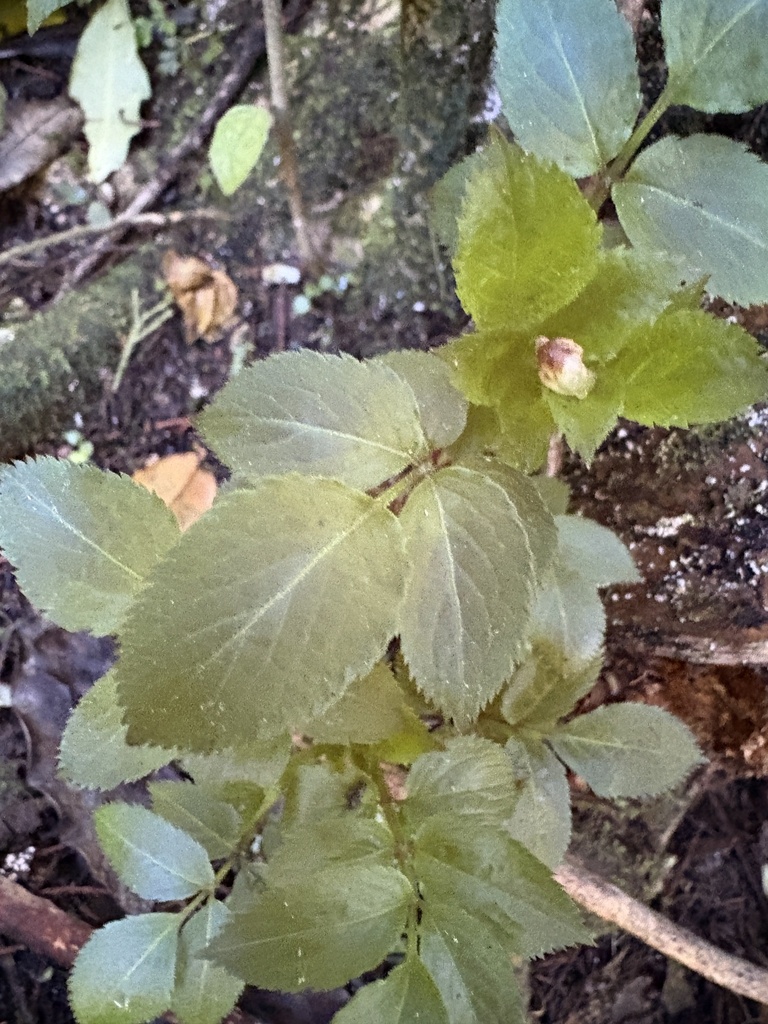
© Cara-Lisa Schloots · iNaturalist · CC BY 4.0
Scientific Classification & Quick Facts
Classification
Known For
Detailed measurements for this species are still being verified.
Sambucus nigra, the Black Elder, is a deciduous shrub or small tree found across Europe, western Asia, and North Africa—now established in 23 countries worldwide. Its dark purple to black berries, which ripen in late summer and autumn, have made it a staple in traditional medicine, food preservation, and folk remedies for centuries. Gardeners and foragers value it equally: the flowers yield elderflower cordial and fritters, while the berries ferment into wine, jam, and immune-boosting syrups.
Classified as Least Concern by conservation authorities, Black Elder thrives in woodlands, hedgerows, and disturbed ground, where it rapidly colonises suitable habitat. Its ecological importance extends beyond human use: the dense flowering canopy attracts pollinators, and the abundant berries feed countless bird species. What makes this species truly remarkable is its dual identity—equally at home as a humble pioneer plant on wasteground or as a carefully tended specimen in ornamental gardens, it bridges the worlds of wild nature and human cultivation.
Identification and Appearance
Sambucus nigra, commonly called Black Elder, is a deciduous shrub or small tree typically growing 6 metres tall and wide, though exceptional specimens reach up to 10 metres in height. The bark undergoes a striking colour transformation: when young it is light gray, maturing to a coarse gray with prominent lengthwise furrowing and noticeable lenticels that give the branches a characteristic textured appearance.
The leaves are the most distinctive feature, arranged in opposite pairs along the stems. Each leaf measures 10–30 centimetres long and is pinnate (feather-like), composed of five to seven leaflets, occasionally nine. Individual leaflets are 5–12 centimetres long and 3–5 centimetres wide, with a finely serrated margin and a pointed tip. The foliage is a rich medium green during the growing season, turning darker before leaf-fall in autumn.
The flowers appear in flat-topped or slightly domed clusters (cymes) of small, cream to pale yellow blossoms, typically measuring 10–20 centimetres across. Following pollination and fertilization, these develop into the signature small black berries (drupes) that give the species its common name. No sexual dimorphism is apparent in vegetative or reproductive structures between individual trees.
Distribution and Habitat
Sambucus nigra occurs across 23 countries, with its strongest populations in northwestern Europe. The Netherlands records the highest documented occurrence count at 93 observations, followed by the United Kingdom with 65 records. Austria, Germany, and New Zealand also support substantial populations, with 35, 23, and 21 observations respectively. Additional populations are found in Sweden, Portugal, Denmark, Italy, and Switzerland, indicating a distribution pattern that extends from Atlantic coasts to continental interiors and southern temperate regions.
Elevation data shows this species concentrates in a narrow range between 570 and 588.5 metres, with an average occurrence at 580.4 metres. This restricted vertical distribution suggests a preference for lowland to low-montane zones where growing conditions favor establishment and reproduction.
A marked seasonal pattern emerges in the observational record: January dominates with 300 documented observations, while all other months show zero records. This concentration reflects the timing of berry maturation and peak visibility during winter months, when fruiting plants attract attention and when bare-branched deciduous elders become more conspicuous in the landscape. The species does not indicate elevation-based habitat preferences within the available data, though Sambucus nigra historically thrives in disturbed ground, hedgerows, woodland margins, and cultivated settings across temperate Europe and has become naturalized in New Zealand and other introduced regions.
Growth and Cultivation
Growth
Sambucus nigra, the black elder, is a deciduous shrub or small tree that typically reaches 6–10 metres in height, though under ideal conditions it can grow taller. The plant develops a rounded, spreading crown with multiple stems arising from the base. Branches are relatively thick and pithy, with distinctive grey bark that becomes fissured with age. The compound leaves are pinnate, consisting of 5–7 leaflets arranged oppositely along the rachis, lending the plant an open, airy appearance during the growing season.
Flowering
Black elder produces small, creamy-white flowers arranged in dense, flat-topped cymes (typically 10–20 centimetres across) that appear in early summer. These flowers are fragrant and highly attractive to pollinating insects, particularly bees and beetles. Following successful pollination, the plant develops clusters of small, dark purple-black berries, which ripen in late summer to autumn. Each berry is approximately 6–8 millimetres in diameter and contains three small seeds; the fruit persists on the plant and is eagerly consumed by birds and mammals, aiding seed dispersal.
Cultivation
Black elder is highly adaptable and tolerates a wide range of soil types, though it prefers moist, well-drained soils with moderate fertility. The plant is hardy in temperate climates across much of Europe and is well-suited to USDA hardiness zones 4–9. It thrives in full sun to partial shade, flowering and fruiting most prolifically when receiving at least six hours of direct sunlight daily. Established plants show good drought tolerance once their root systems are well-developed, making them valuable for naturalistic plantings and hedgerows.
Propagation is straightforward: hardwood cuttings taken in autumn root readily in cool conditions, and fresh seed germinates after a period of cold stratification. The species requires minimal pruning beyond the removal of dead or crossing branches; however, it responds well to rejuvenation cutting if older wood becomes overgrown or shabby. Regular moisture during the first growing season after planting aids establishment, though mature specimens need supplemental watering only during prolonged drought.
Conservation and Threats
Sambucus nigra, the Black Elder, holds a secure position on the IUCN Red List with a status of Least Concern (LC). This classification reflects the species’ wide geographic range, ecological adaptability, and stable to increasing populations across its native range in Europe and western Asia. The LC designation indicates that the species faces no immediate threat of extinction and does not warrant targeted conservation intervention at a global scale.
Population trends for Black Elder are positive. Wikidata reports an increasing population trend across its range, driven by the species’ ability to colonize disturbed habitats, hedgerows, and woodland margins. This resilience has allowed it to benefit from landscape changes in many regions, including the expansion of hedgerow restoration programmes and the abandonment of marginal agricultural land that subsequently regenerates to scrub and woodland.
Threats
Black Elder faces minimal direct threats owing to its wide ecological tolerance and lack of commercial exploitation. The species is not targeted for large-scale harvesting, nor is it subject to habitat loss on a scale that would significantly impact populations. In some regions, it may be locally reduced through intensive agricultural management or urban development, but these pressures do not pose a range-wide concern. Climate change presents a potential long-term consideration for populations at range margins, though the species’ broad climatic envelope suggests it will adapt across most of its current distribution.
Conservation Efforts
Formal legal protections for Black Elder are limited, as they are unnecessary given its secure status. However, the species benefits indirectly from hedgerow conservation schemes, woodland protection policies, and agro-environmental initiatives across Europe. In the United Kingdom and continental Europe, hedgerow restoration and management programmes that favour native shrubs incidentally support healthy Black Elder populations. The species is also valued for its role in wildlife corridors and pollinator support, which motivates its inclusion in habitat restoration projects.
Cultural Significance
The cultural notes provided for Sambucus nigra contain no recorded information about the species’ role in human culture, mythology, folklore, art, cuisine, medicine, or symbolism. Without documented cultural associations in the source data, a meaningful account of the Black Elder’s place in human societies cannot be reliably constructed.
To develop this section accurately, field records, ethnobotanical surveys, historical texts, or community knowledge documentation specific to Black Elder would be required. If you have access to such sources—including folklore databases, culinary or medicinal histories, or regional cultural records—they should be consulted to provide an evidence-based cultural overview.
Fun Facts
- Black Elder belongs to the Viburnaceae family, making it more closely related to viburnums than to other elder species—a taxonomic surprise that challenges the common assumption it shares a family with all other elders. This relationship places it among woody shrubs with distinctly different evolutionary origins than many of its common-named relatives.
- The species thrives in both waterlogged and drought-prone soils, a rare flexibility among temperate shrubs that allows it to establish in wet lowlands and dry hillsides with equal vigour. This adaptability to contrasting soil moisture conditions has partly driven its success as a naturalized plant across Europe and beyond its native Azores, European, and Middle Eastern range.
- Black Elder is cultivated worldwide as an ornamental shrub or small tree, valued for its aesthetic appeal beyond its traditional role as a source of medicinal and culinary berries. Gardeners prize its delicate white flower clusters and dark fruit, making it a dual-purpose plant in both productive and purely decorative landscapes.
- Despite native origins in regions with variable light conditions, the species demands sunny locations to thrive, requiring high light intensity to reach its full potential for growth and flowering. This sun-loving requirement means that even in its native temperate habitats, Black Elder gravitates toward open woodland edges and clearings rather than deep shade.
- The dark purple-black berries contain anthocyanin compounds, the same pigments responsible for the colour of blueberries and blackcurrants, giving them significant antioxidant properties valued in traditional herbal medicine and modern dietary supplements.
- A single Black Elder shrub can produce hundreds of small flowers arranged in dense, flat-topped clusters, each flower capable of developing into fruit, making mature plants extraordinarily productive sources of berries in late summer and autumn.
Ecology
Growing Conditions
Edibility
Conservation Status
LC (Least Concern) · NT · VU · EN · CR · EW · EX
Photo Gallery
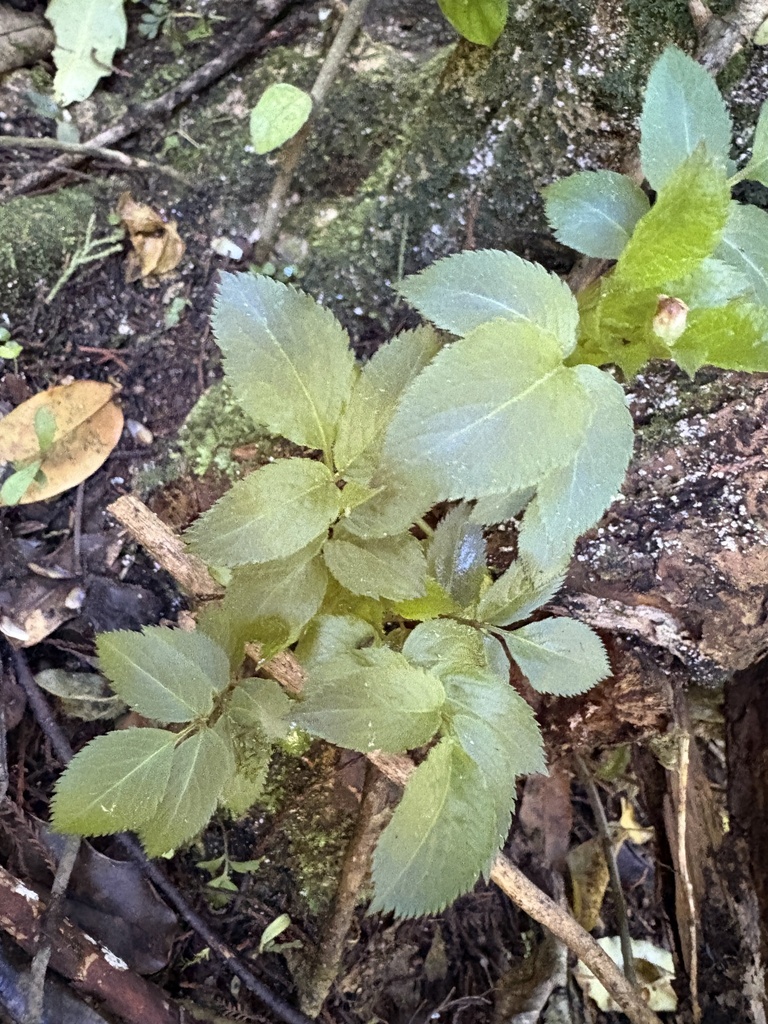
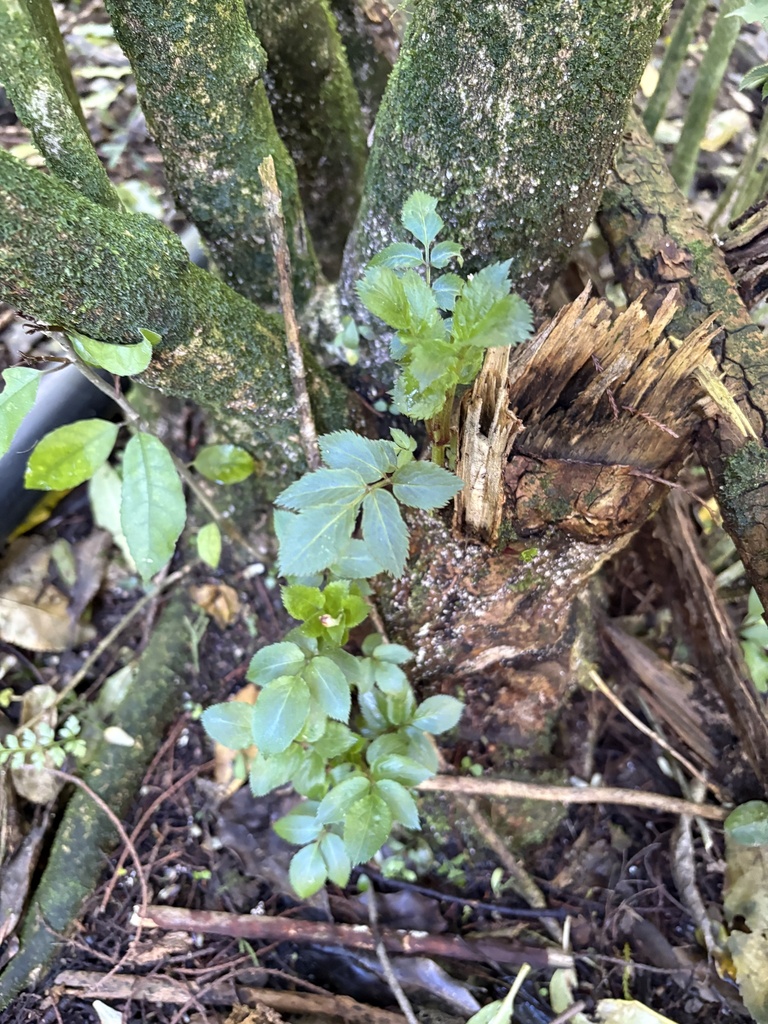
Cara-Lisa Schloots · CC BY 4.0
Related Species
Was this profile helpful?