
Pinopsida · Pinales
Common Juniper
Juniperus communis
Least ConcernAlso known as: Dwarf Juniper, Juniper
© Moe Meikle · iNaturalist · CC BY 4.0
Scientific Classification & Quick Facts
Classification
Known For
Detailed measurements for this species are still being verified.
Juniperus communis, the Common Juniper, is one of the most widely distributed conifers on Earth, thriving across the Northern Hemisphere from the Arctic tundra to Mediterranean scrublands. Despite its humble appearance—often a low, spreading shrub with needle-like foliage and berry-like cones—this species has earned its place in human culture for thousands of years, valued for flavoring gin, medicinal preparations, and traditional remedies. Found across 23 countries and spanning vast ecological zones, the Common Juniper demonstrates remarkable ecological flexibility and resilience.
Listed as Least Concern by conservation authorities, Juniperus communis populations remain stable across much of its range, though local declines have occurred due to habitat conversion and overexploitation in some regions. Its ability to colonize poor soils, withstand harsh climates, and recover from disturbance makes it an ecological pioneer and a keystone species in many ecosystems. This combination of ancient cultural significance, exceptional geographic range, and ecological importance makes the Common Juniper a compelling subject for understanding how single species can shape landscapes and human societies across an entire hemisphere.
Identification and Appearance
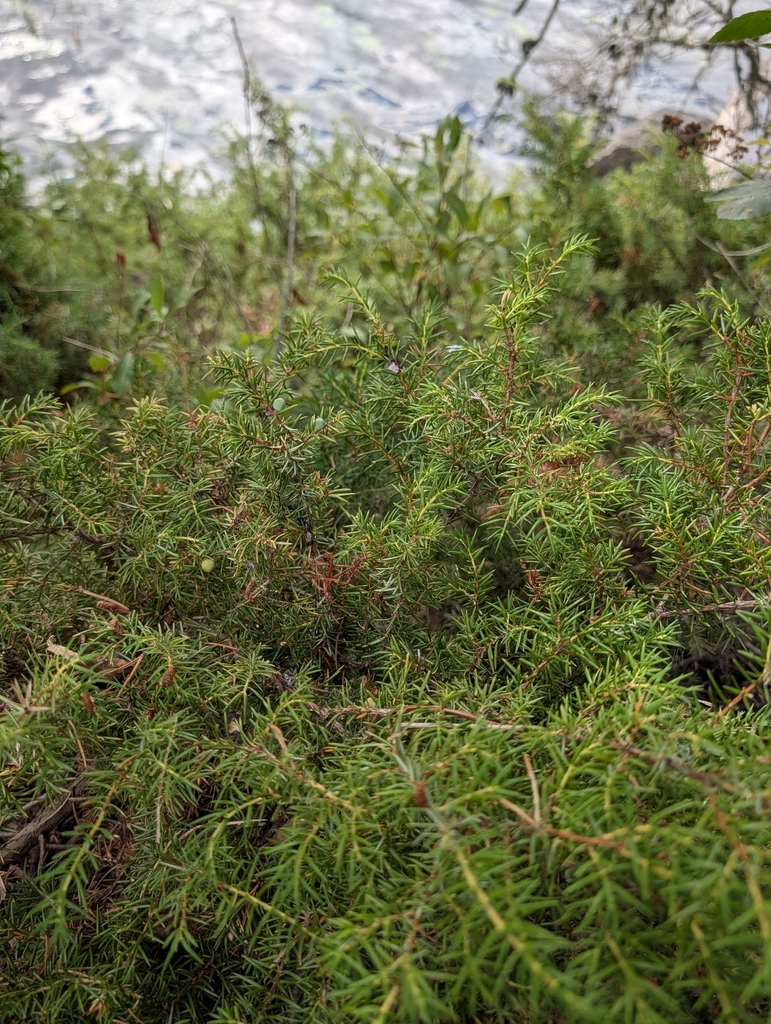
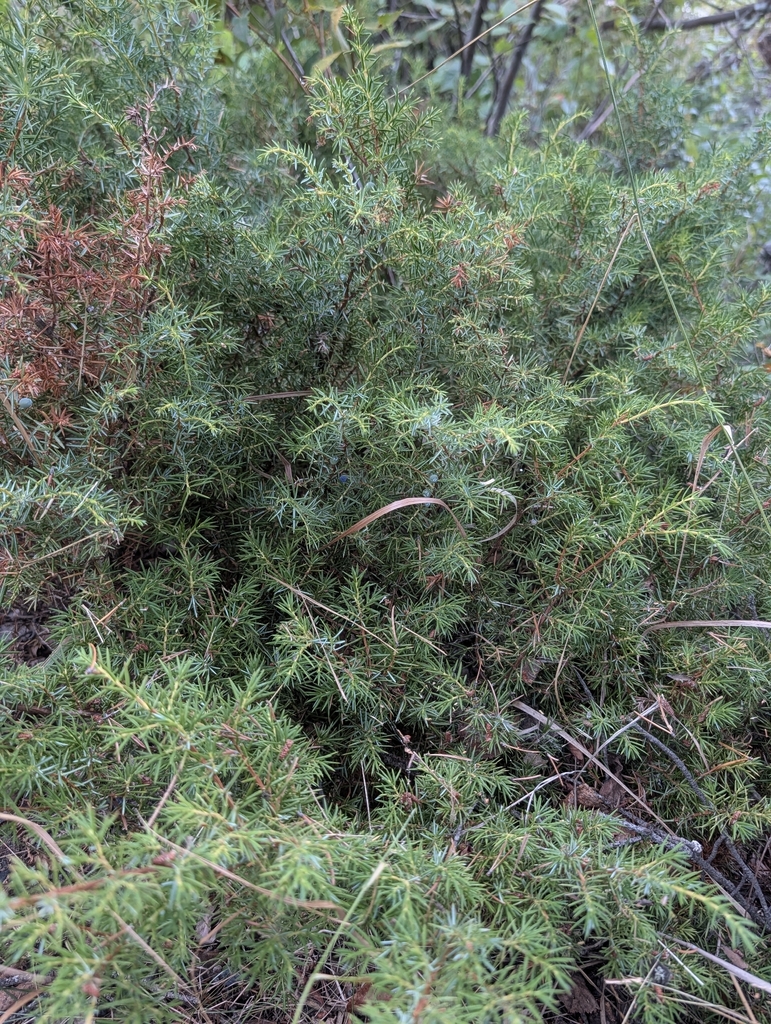
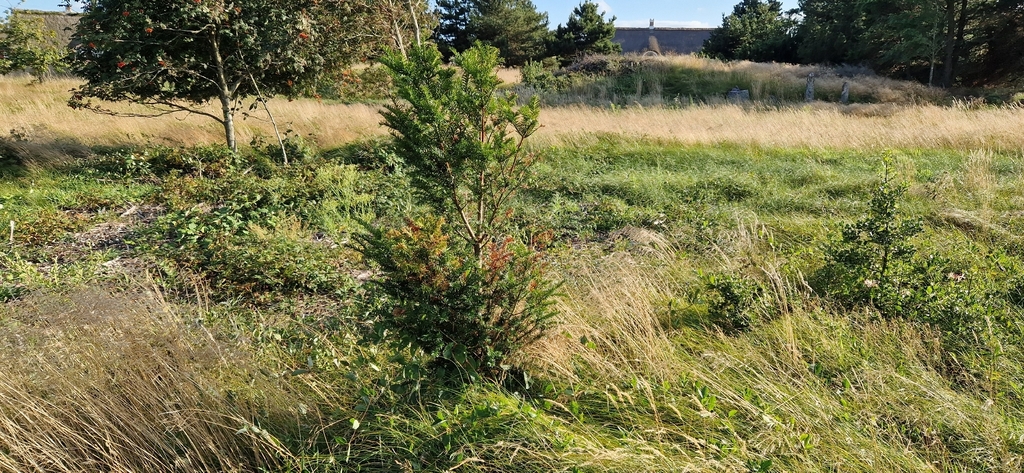
Juniperus communis is a highly variable conifer ranging from a compact tree up to 10 metres tall—occasionally reaching 16 metres—to a low, spreading shrub that hugs the ground in exposed locations. This plasticity in form is one of the species’ defining characteristics, allowing it to thrive across diverse topographies and wind regimes. The plant’s needle-like leaves grow in whorls of three, with a distinctive green colour and a single white stomatic band running along the inner surface. Unlike other members of the juniper genus, J. communis never develops the scale-like adult foliage typical of its relatives, retaining its juvenile needle morphology throughout its life.
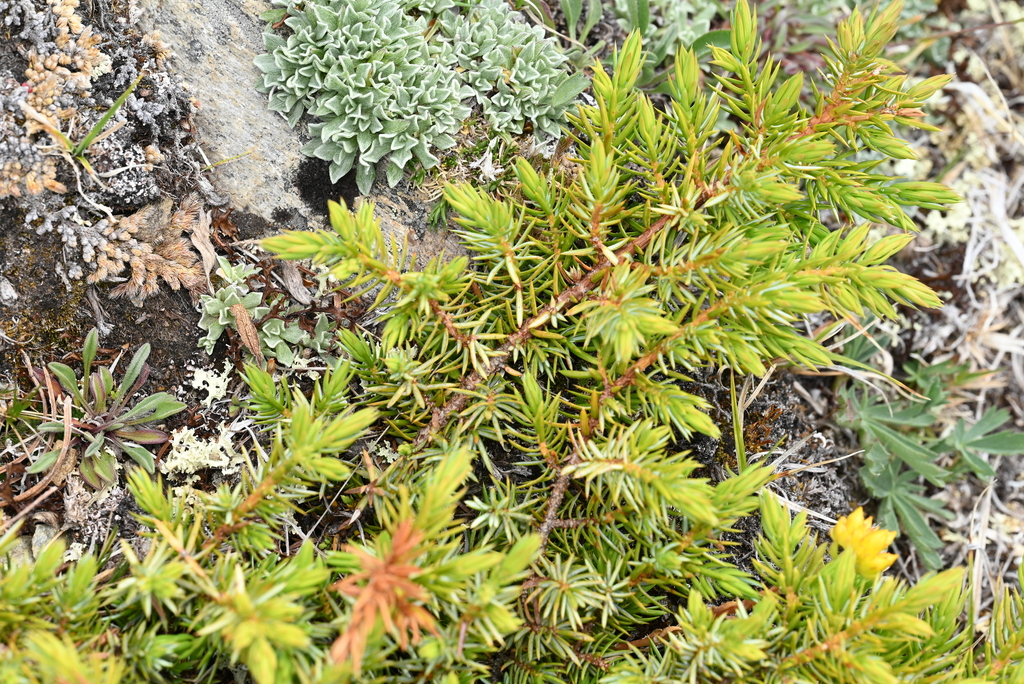
The species exhibits clear sexual dimorphism, with male and female cones occurring on separate plants. This dioecious reproduction strategy means that only female individuals produce the characteristic fleshy, berry-like cones that mature to a blue-black colour. The needle-like leaves provide both visual distinction and functional advantage in harsh environments, where they reduce water loss compared to broader foliage. In protected settings with adequate moisture and shelter, the plant achieves its maximum height and more upright branching; in windswept terrain or poor soil, it rarely exceeds one metre in height and spreads laterally across the ground.
Distribution and Habitat
Juniperus communis has a wide distribution across the Northern Hemisphere, occurring in 23 countries spanning Europe, North America, and Asia. The species shows highest frequency in Scandinavia and Central Europe, with the greatest concentration in Sweden (42 records), followed by the Netherlands (33), Norway (27), and the United States (27). Austria, Germany, France, Switzerland, Canada, and Russia also support established populations, reflecting the species’ tolerance for diverse climatic conditions.
Elevation strongly influences the distribution of Common Juniper. The species occurs between 746 metres and 2204 metres, with an average elevation of 1470 metres. This broad vertical range indicates adaptation to both lowland heathlands and upland moorlands, extending into montane zones across its range. GBIF records show a marked concentration of observations in January, suggesting either seasonal surveys or the visibility of fruiting plants during winter months when deciduous vegetation has receded.
The species thrives in open habitats including heathlands, grasslands, rocky slopes, and sparse woodlands. It functions as a pioneer species in disturbed areas and serves as important cover for upland game birds and small mammals across its range. Its hardy nature and longevity make it a key component of transition zones between forest and open country throughout Europe and North America.
Growth and Cultivation
Growth
Juniperus communis is a slow-growing conifer that typically forms a dense, compact shrub, though it can develop into a small tree under favourable conditions. Most plants reach between 1 and 3 metres in height, though some specimens may exceed this range in optimal settings. The species develops a narrow, columnar to spreading crown with fine, feathery foliage and a woody, often gnarled trunk that becomes increasingly sculptural with age.
The needle-like foliage is soft to the touch and arranged in whorls of three. Young growth emerges bright green and gradually darkens to a grey-green or blue-green tone. The plant’s modest growth rate rewards patience—it is well-suited to long-term landscape schemes and tolerates poor soil and exposed positions that would challenge faster-growing species.
Flowering and Fruiting
Juniperus communis is dioecious, meaning male and female flowers appear on separate plants. Male plants produce small, inconspicuous pollen cones, while female plants develop rounded, berry-like cones that ripen over two to three years. The fruit matures from green through purple-blue to a dark blue-black colour when ripe, and becomes aromatic and fleshy at maturity. Successful reproduction and berry production depend on the presence of both male and female plants in proximity.
Cultivation
Common juniper thrives in full sun and well-drained soil. It is remarkably adaptable to poor, infertile substrates—including chalk, limestone, and sandy soils—and does not demand rich fertility. The species is highly drought-tolerant once established and resists strong winds and exposed mountain sites. Watering is rarely necessary after the first growing season, except during prolonged drought. No specific soil pH range restricts its cultivation; it performs equally well in slightly acidic and neutral to alkaline conditions.
In temperate climates, Juniperus communis is fully hardy and requires minimal ongoing care. Pruning is seldom needed; light shaping during the growing season maintains form if desired. The species benefits from good air circulation and dislikes waterlogged soil or heavy clay without drainage improvement. Container cultivation is possible but requires careful attention to watering, as pot-bound plants suffer in wet winters. Propagation from seed is straightforward, though germination is slow and benefits from cold stratification.
Conservation and Threats
Juniperus communis holds a stable conservation status on the IUCN Red List as Least Concern (LC). This designation reflects the species’ wide geographic distribution across the Northern Hemisphere and its ability to persist across diverse habitat types, from lowland heath to upland moorland. The broad range and resilience of common juniper populations mean the species faces no immediate risk of global extinction.
Threats
Common juniper encounters multiple pressures across its range, though none have yet driven populations to critical levels. Land-use change remains among the most significant threats, particularly the conversion of heathland and moorland to agricultural land, forestry, or urban development. In many regions, the suppression of traditional management practices such as grazing and controlled burning has allowed scrubland and forest to encroach on juniper habitats, reducing the open conditions that favour this species.
Atmospheric pollution, especially nitrogen deposition from agricultural and industrial sources, alters soil chemistry and promotes the growth of competing vegetation that can shade out juniper seedlings. In some areas, overgrazing by sheep and deer prevents juniper regeneration, while in others, the absence of adequate grazing pressure allows taller plants to dominate. Climate change poses an emerging threat, with shifting temperature and moisture regimes potentially affecting the distribution and productivity of juniper populations, particularly at range margins.
Conservation Efforts
Common juniper receives protection through habitat conservation initiatives across Europe and North America. In the United Kingdom and European Union member states, juniper-rich habitats are often designated as protected sites under biodiversity legislation. Active management programmes, including targeted grazing regimes and the restoration of heathland through controlled burning, aim to maintain suitable conditions for juniper growth and recruitment. Botanical gardens and seed banks preserve genetic diversity, and several organisations monitor population trends across key regions.
Cultural Significance
The cultural significance of common juniper is limited by the absence of documented folklore, mythology, or symbolic associations in available sources. While the species has a widespread distribution across the Northern Hemisphere and has been utilized by humans for millennia, specific cultural narratives, artistic representations, or ceremonial roles have not been recorded in the provided data.
Without substantiated cultural notes, any claims about juniper’s role in traditional beliefs, regional symbolism, or historical practices would be speculative. If you are researching the cultural history of this species, consulting ethnobotanical literature, regional folklore archives, or indigenous knowledge systems may yield additional context not captured in this encyclopedia entry.
Fun Facts
Juniperus communis holds one of the most expansive natural ranges of any woody plant on Earth, stretching across the entire cool temperate Northern Hemisphere in what scientists call a Holarctic distribution. This remarkable reach—spanning from North America through Europe and into Asia—makes it unique among all other woody plant species.
- Despite its common name and appearance as a shrub or small tree, common juniper actually belongs to the cypress family Cupressaceae, not the traditional juniper family—a botanical classification that surprises many gardeners and naturalists.
- The “berries” of common juniper are not true berries but modified cones with fused scales that take two to three years to mature on the plant.
- Common juniper wood is remarkably aromatic and dense, which has made it valued for centuries in furniture-making and as fuel for smoking meats and fish across Europe.
- The species thrives in extremely harsh conditions, colonizing rocky slopes, moorlands, and alpine zones where competing plants struggle to survive, making it a pioneer species in inhospitable terrain.
- Juniper “berries” have been used as a spice and flavoring agent for gin production for over 700 years, with the spirit’s name deriving from the Dutch word jenever (juniper).
- Common juniper produces volatile oils that serve as a natural chemical defense against herbivores and pathogens, which also explains the plant’s distinctive pungent aroma when foliage is crushed.
Ecology
Growing Conditions
Edibility
Conservation Status
LC (Least Concern) · NT · VU · EN · CR · EW · EX
Photo Gallery
Moe Meikle · CC BY 4.0
Related Species
Was this profile helpful?