The African pipit is a fairly small passerine bird of the family Motacillidae, and it belongs to the pipit genus Anthus. It is also known as the grassveld pipit or grassland pipit.
For a long time it was grouped with Richard's, Australian, mountain and paddyfield pipits under one species, Richard's pipit. It is now often treated as a species in its own right, which is why it appears as a separate entry here.
It is rated Least Concern by the IUCN, and it occupies a range of about across grassland in Africa and south-western Arabia.
Identification and Appearance
The face is the most useful field mark. A pale stripe runs over the eye, and a dark malar stripe sits below it, so the head looks boldly patterned against the plainer body.
The African pipit is 15 to 17 cm (5.9 to 6.7 in) long. It is a slender bird that stands upright, with long, pinkish legs and a slender dark bill that has a yellowish base to the lower mandible.
The upperparts are buffy-brown with darker streaks. The underparts are white or pale buff, with a streaked breast and a plain belly and flanks. The outer tail-feathers are white, which shows in flight.
Juvenile birds look different from adults. They have a blotched breast, scalloping on the upperparts and some streaking on the flanks. The Cameroon pipit is slightly larger and darker, with buff underparts, and it is the most likely similar species to confuse with this one.
Distribution and Habitat
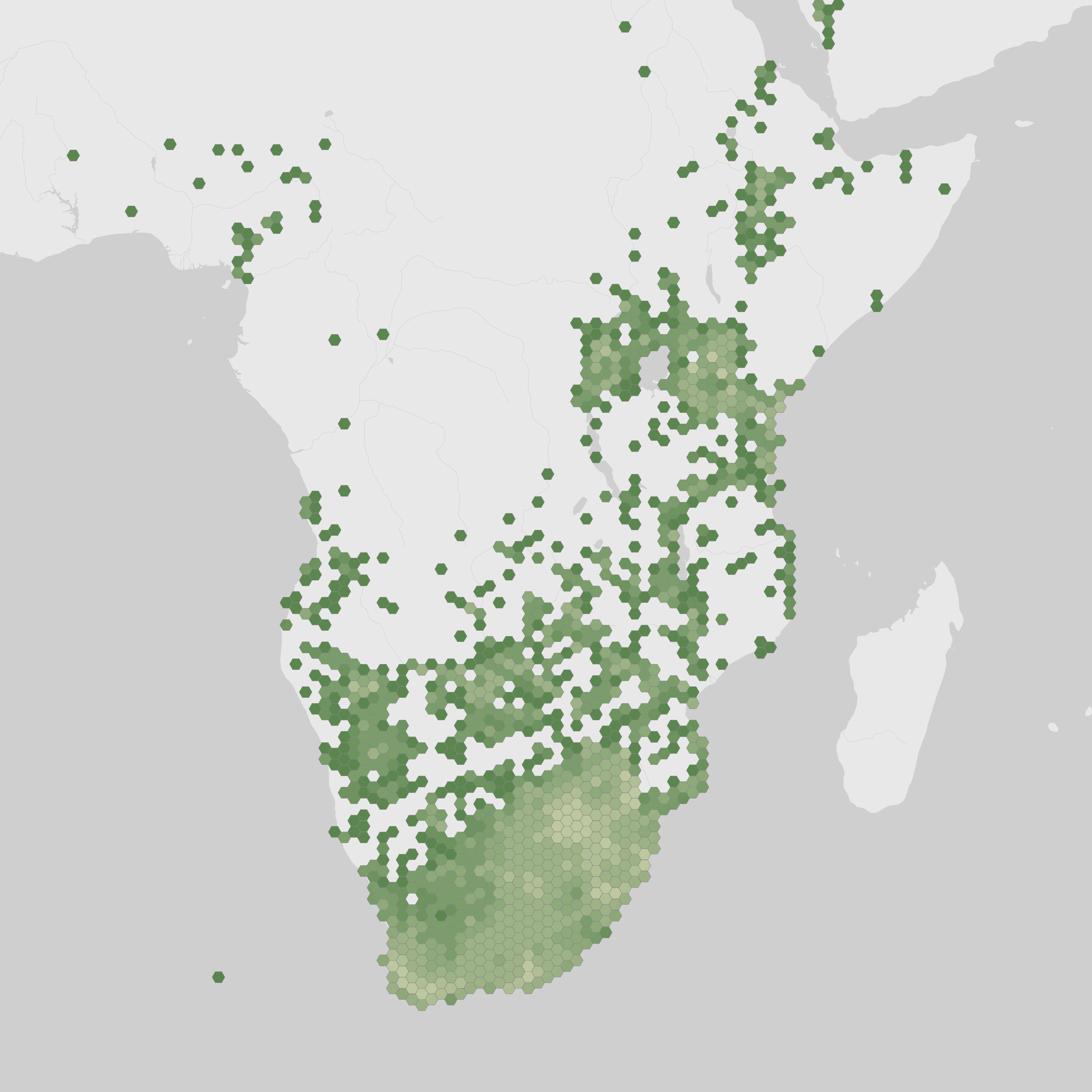
The African pipit lives in grassland and fields across Southern, Central and East Africa. Its range lies south-east of a line running from Angola through the DR Congo to Sudan.
The species also occurs in south-western Arabia, which places part of its range outside Africa. Its total range covers about .
An isolated population lives in the highlands of Cameroon. Some authorities consider it a separate species, the Cameroon pipit (Anthus camaroonensis).
Conservation and Threats
The IUCN lists the African pipit as Least Concern. That rating means the species is widespread and not currently considered threatened with extinction.
BirdLife International has lumped the African pipit with Richard's pipit. Because of this, BirdLife gives it no separate conservation status.
Zimmerman, Turner, and Pearson (1999) call it the common East African pipit, a name that reflects how widely it is found in that region.
Photos
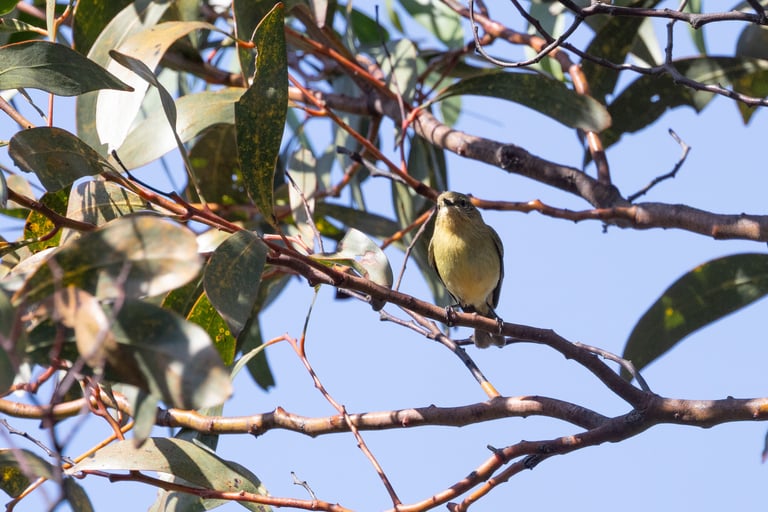
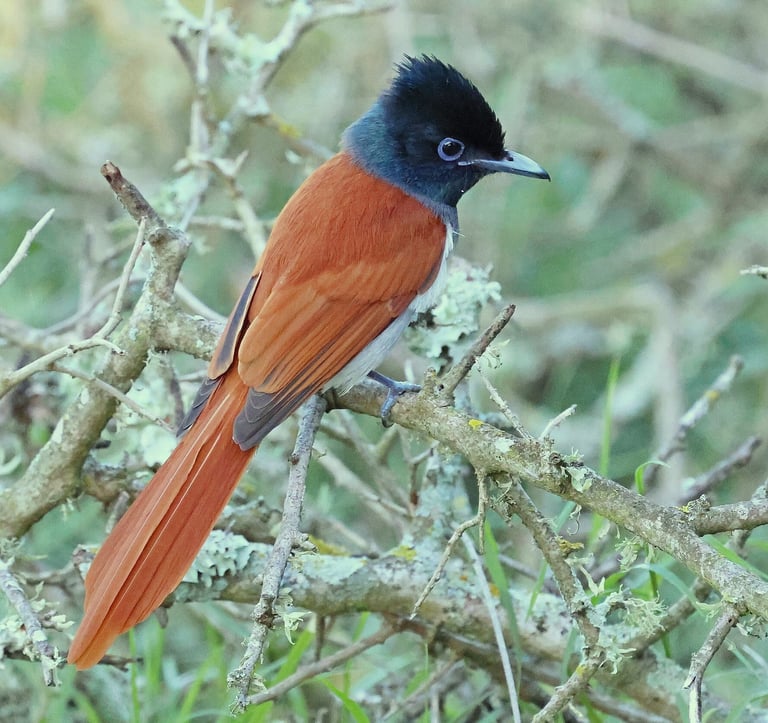
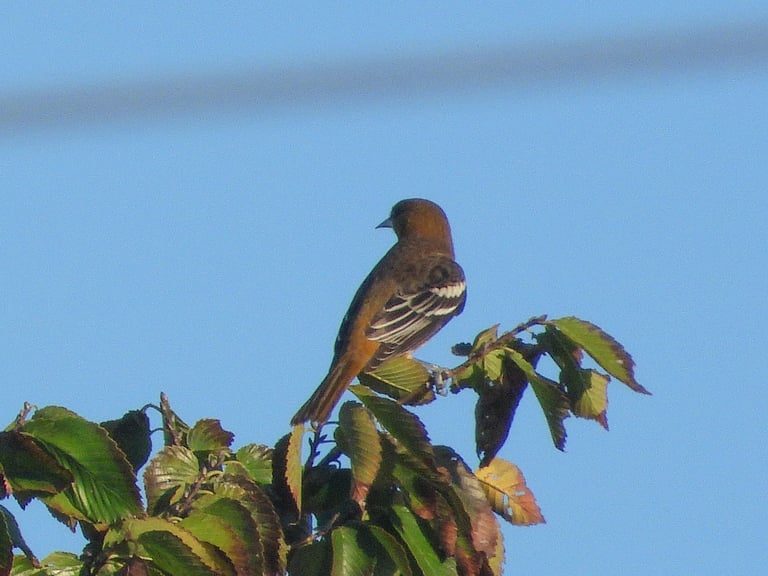
Photographs from via iNaturalist, licensed under CC0 1.0., by Timothy Whitehead via iNaturalist, licensed under CC BY 4.0., by i_c_riddell via iNaturalist, licensed under CC BY 4.0., by Bruno - Yolande Zanette via iNaturalist, licensed under CC BY 4.0., by Henry de Lange via iNaturalist, licensed under CC BY 4.0., by Liezl van der Merwe via iNaturalist, licensed under CC BY 4.0., by Cricket Raspet via iNaturalist, licensed under CC BY 4.0., by Darren Obbard via iNaturalist, licensed under CC BY 4.0., and by Alan Manson via iNaturalist, licensed under CC BY 4.0., credited on each photo.
Ecology and classification
Habitat
Classification
- Phylum
- Chordata
- Class
- Aves
- Order
- Passeriformes
- Family
- Motacillidae
- Genus
- Anthus
- Species
- Anthus cinnamomeus
Sources
- GBIF Species names and classification
- iNaturalist Photos
- Wikidata Common names and conservation status
- Wikipedia Summary extract
- AVONET Bird mass, habitat, migration, diet and range size
- GloBI What it eats, what eats it, parasites and pollinators
- SquamataBase