Amylostereum chailletii causes white rot, especially in spruce and fir trees, breaking down the wood these conifers depend on for structural strength.
This crust fungus belongs to the class Agaricomycetes within the phylum Basidiomycota, and its fruiting body spreads flat across the surface of the wood it colonizes rather than forming a typical cap-and-stem mushroom.
Fruiting Body and Identification
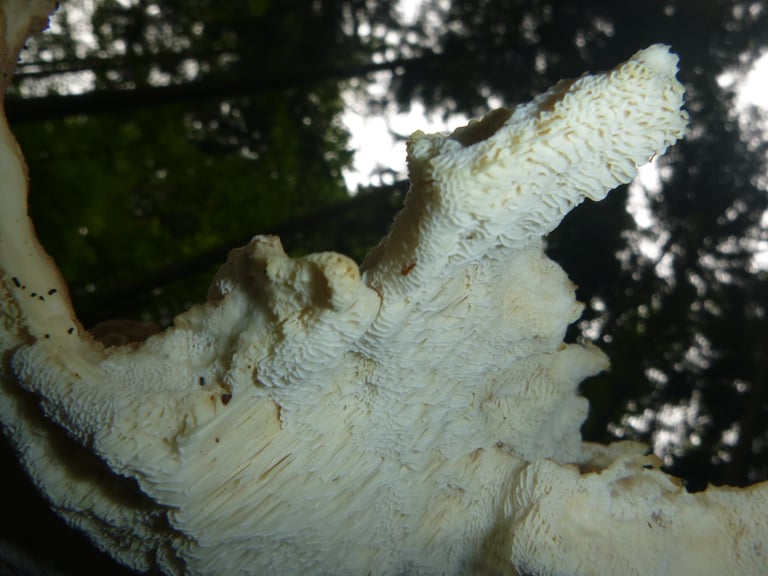
Amylostereum chailletii forms a crust-like fruiting body that grows flat against the bark of conifers, spreading as a resupinate patch rather than forming a distinct cap or stem.
Distribution and Habitat
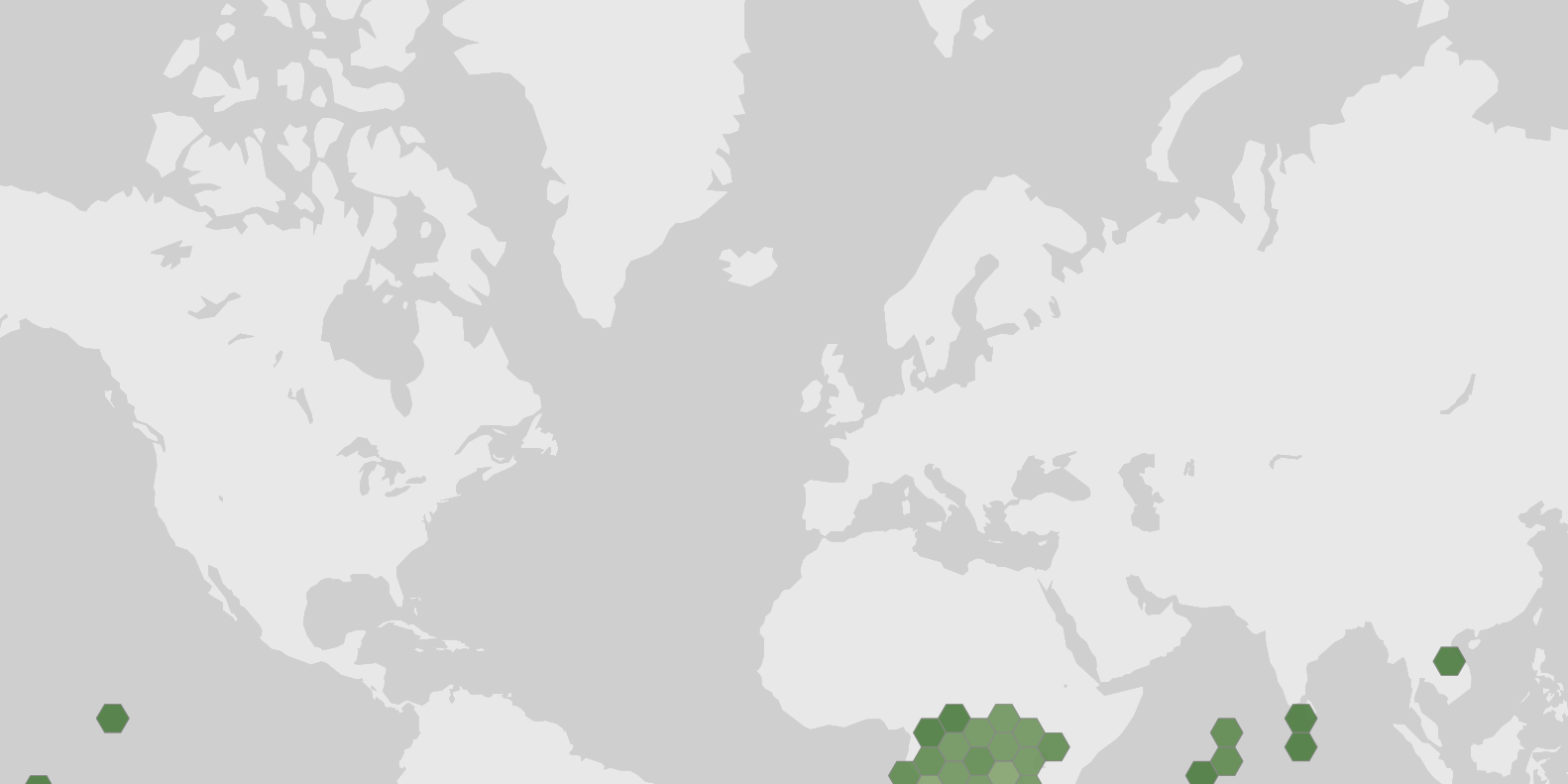
Amylostereum chailletii has been observed across a range of forested habitats, consistent with its association with spruce and fir trees, its principal hosts for white rot.
Monthly presence observations show counts rising through spring and summer, peaking in August and September, before declining sharply by November and December. This pattern suggests stronger seasonal detectability in late summer and early autumn rather than a change in the fungus's actual distribution, since these figures reflect presence records rather than abundance or a complete picture of its range.
Fun Facts
- The species was originally described in 1822 under a different name, Thelephora chailletii, by Christian Hendrik Persoon.
- It took over 130 years before Jacques Boidin moved it into the genus Amylostereum in 1958, giving it the scientific name it carries today.
Photos
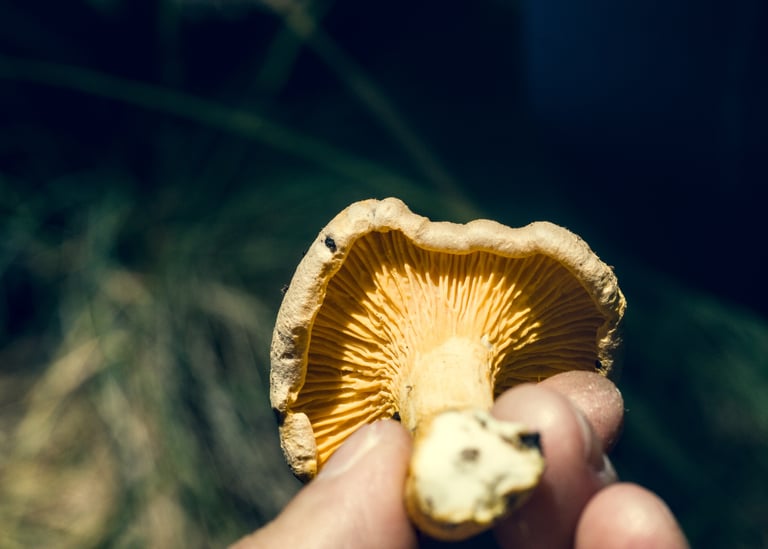
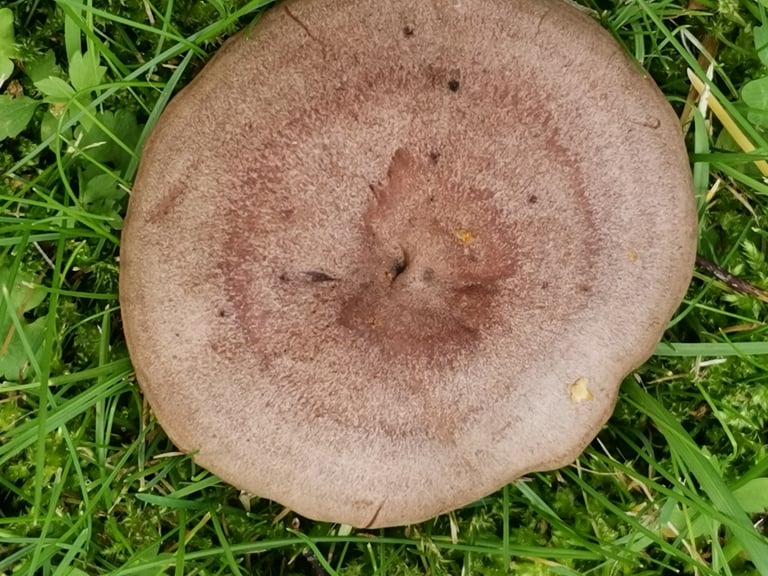
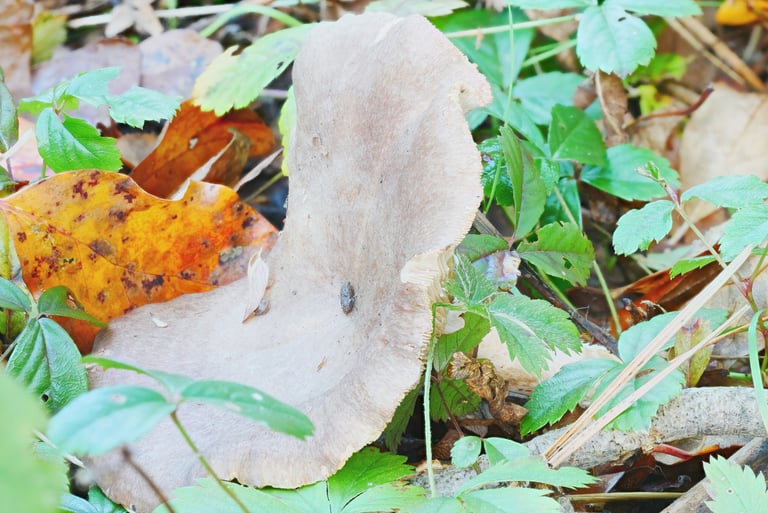
Photographs from via iNaturalist, licensed under CC0 1.0., by Jason Grant via iNaturalist, licensed under CC BY 4.0., and by Björn Sothmann via iNaturalist, licensed under CC BY-SA 4.0., credited on each photo.
Ecology and classification
Habitat
Classification
- Phylum
- Basidiomycota
- Class
- Agaricomycetes
- Order
- Russulales
- Family
- Echinodontiaceae
- Genus
- Amylostereum
- Species
- Amylostereum chailletii
Sources
- GBIF Species names and classification
- iNaturalist Photos
- Wikidata Common names and conservation status
- Wikipedia Summary extract
- GloBI What it eats, what eats it, parasites and pollinators
- Wardeh et al. 2015 (EID2)