Early coralroot lives a double life: it keeps enough chlorophyll to make some of its own food through photosynthesis, yet also draws nutrients from a partnership with soil fungi of the genus Tomentella.
This leafless orchid belongs to the family Orchidaceae and has one of the widest distributions of any orchid in the Northern Hemisphere, found across North America and Eurasia in a circumboreal pattern. It has been recorded in countries from the United States and Canada to Russia, China, Japan, Korea, India, Nepal, Kashmir, and Pakistan, along with nearly every country in Europe. Its combination of a reduced, leafless body and an enormous range makes it a distinctive presence in northern and mountain woodlands worth a closer look.
Identification and Appearance
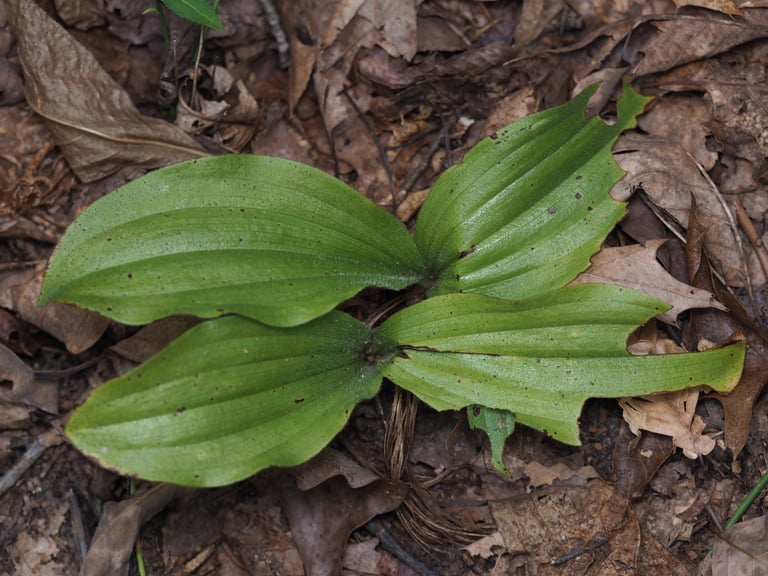
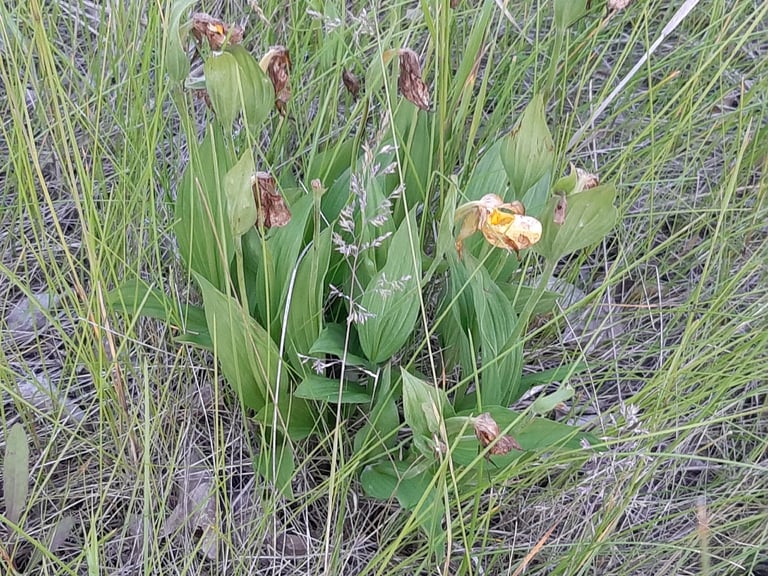
The most useful field mark for Corallorhiza trifida is its complete lack of leaves: the plant is a slender, yellowish-green stem rising directly from the ground, with no green foliage at all. This leaflessness, paired with its color, sets it apart from most other woodland wildflowers at a glance.
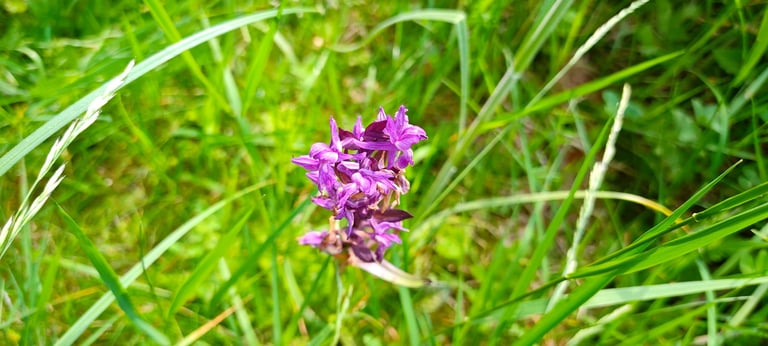
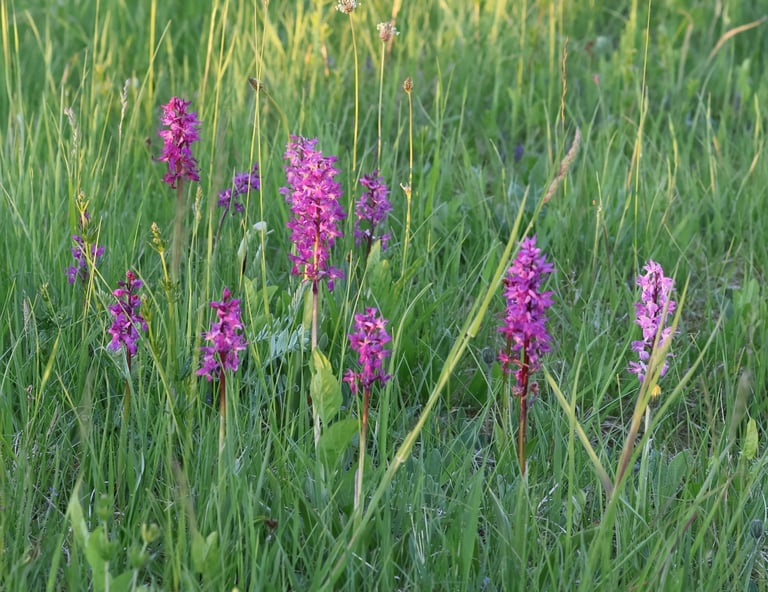
The stem carries small flowers arranged along its upper portion, colored in the same yellowish-green tone as the rest of the plant. Because the species lacks leaves and relies partly on fungal association for nutrition, its overall appearance is sparse and somewhat translucent compared to fully photosynthetic plants growing nearby.
Distribution and Habitat
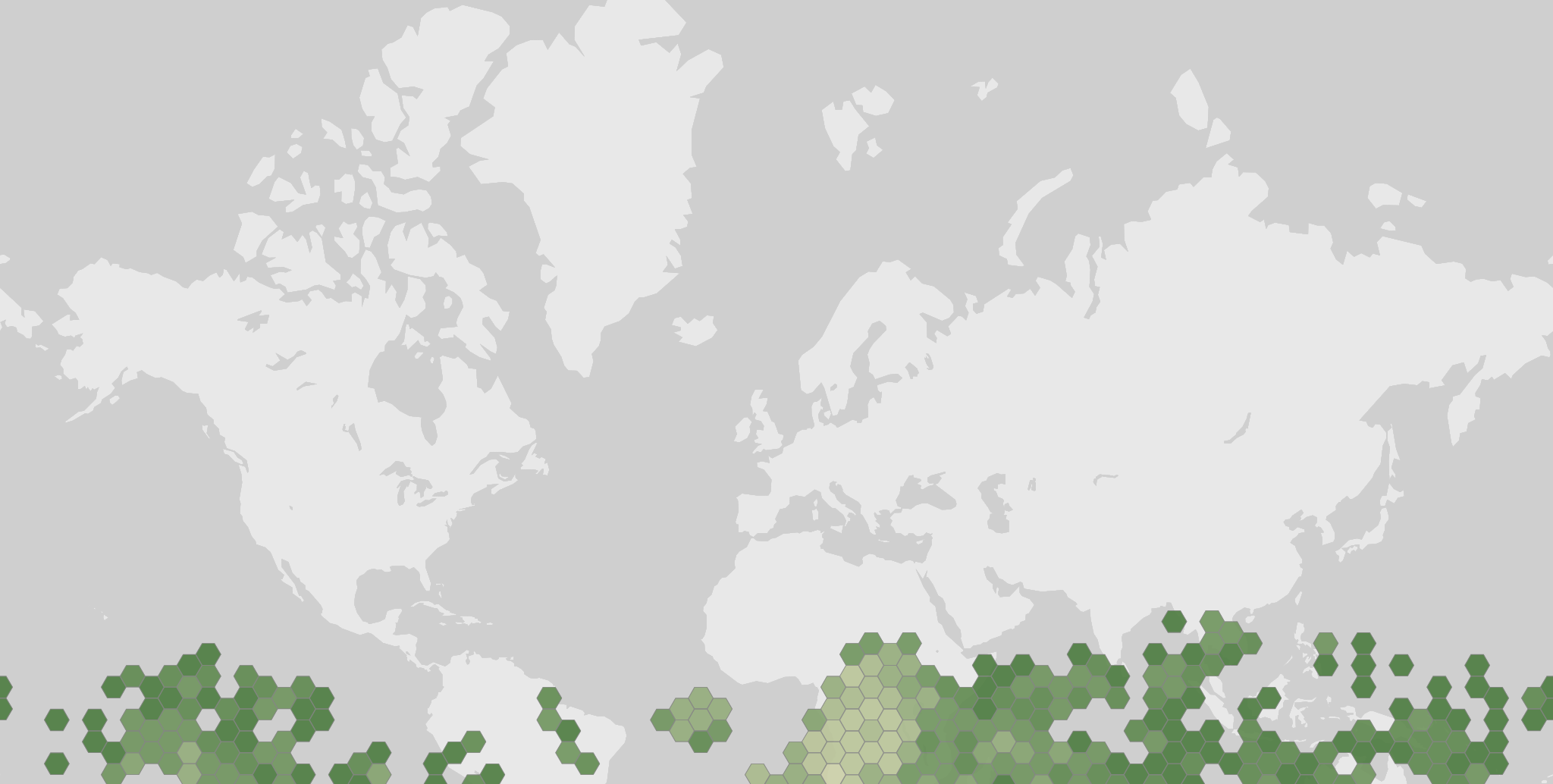
Corallorhiza trifida has a circumboreal distribution, occurring across the temperate and subarctic Northern Hemisphere from Alaska and Canada through the United States, Greenland, Iceland, and nearly all of Europe, and eastward through Russia, Kazakhstan, Mongolia, China, Korea, and Japan, reaching south into the Himalayan region including Nepal, Kashmir, and Pakistan.
It grows in coniferous, deciduous, and mixed woods, as well as swamps and mountain woods, from sea level up to 3,100 meters. In the northern parts of its range it also occupies upland habitats, while farther south it becomes restricted to cool, moist sites, reflecting its preference for consistently damp, shaded conditions.
Observation records through the year show a sharp rise from spring into summer, peaking around the warmer months before tapering off by autumn, suggesting this is when the plant is most visible and likely flowering, though these records reflect when people have seen and reported the species rather than its total abundance or range.
Growth and Form
Corallorhiza trifida grows as a holomycotrophic rhizomatous geophyte, meaning it persists underground as a rhizome between growing seasons and sends up its flowering stem from this coral-like rootstock. This growth form, combining a fungal-associated underground system with a leafless aerial stem, underlies its manner of life low to the forest floor and its ability to persist in shaded, nutrient-poor woodland settings.
Ecology and Relationships
Early coralroot grows in coniferous, deciduous, and mixed woods, as well as swamps and mountain woods, habitats that provide the cool, moist, shaded conditions and fungal partners it depends on. Its nutrition is tied to fungi of the genus Tomentella, which supply it with resources beyond what its own limited photosynthesis can provide.
The species has also been recorded as food for a range of birds, including finches such as redpolls and greenfinches, larks, partridges, ducks, geese, and pigeons, pointing to a broad set of bird groups that make use of it. A bacterium, Luteibacter rhizovicinus, has been recorded in association with its root system as well.
Fun Facts
- The name Corallorhiza comes from the Greek for "coral" and "root," describing the way its underground rhizomes branch like ocean coral, while trifida refers to the three-lobed lip of its individual flowers.
- It grows from a hard mass of rhizomes associated with a fungus that helps it absorb nutrients from the forest floor, a partnership reflected in its common names of early, northern, or yellow coralroot.
Photos
Photographs from via iNaturalist, licensed under CC0 1.0., by Matt Berger via iNaturalist, licensed under CC BY 4.0., by Daughter Dad via iNaturalist, licensed under CC BY 4.0., by Charlie Pavlisich via iNaturalist, licensed under CC BY 4.0., by Steven Lamonde via iNaturalist, licensed under CC BY 4.0., by Rasmus Brønnum via iNaturalist, licensed under CC BY 4.0., by Ken-ichi Ueda via iNaturalist, licensed under CC BY 4.0., by Юлия via iNaturalist, licensed under CC BY 4.0., and by Tom Field via iNaturalist, licensed under CC BY 4.0., credited on each photo.
Ecology and classification
Classification
- Phylum
- Tracheophyta
- Class
- Liliopsida
- Order
- Asparagales
- Family
- Orchidaceae
- Genus
- Corallorhiza
- Species
- Corallorhiza trifida
Sources
- GBIF Species names and classification
- iNaturalist Photos
- Wikidata Common names and conservation status
- Wikipedia Summary extract
- Encyclopedia of Life Habitat, diet and behavior traits
- Plants of the World Online Native range, life form and climate (WCVP)
- GloBI What it eats, what eats it, parasites and pollinators
- trophiCH
- Wardeh et al. 2015 (EID2)