Cytospora populina is a fungal pathogen best known for attacking two very different hosts: elm trees, where it causes disease, and apple trees, where it produces valsa canker. Also known by the synonym Valsa ambiens, this fungus belongs to the class Sordariomycetes within the phylum Ascomycota, in the order Diaporthales and family Valsaceae.
As a plant pathogen, it infects woody tissue and can compromise the health of infected trees over time. Its dual role as a pathogen of both a forest tree species and a cultivated fruit tree makes it relevant to both natural woodland ecosystems and agricultural settings where apples are grown.
Fruiting Body and Identification
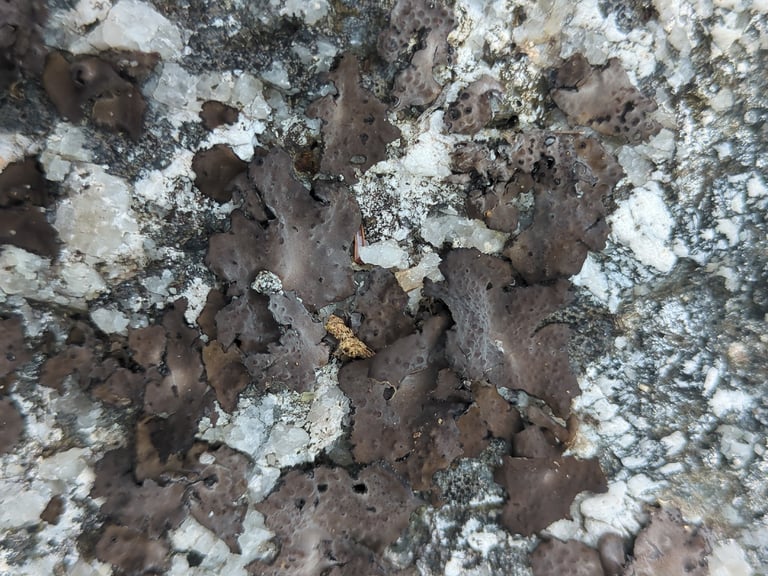
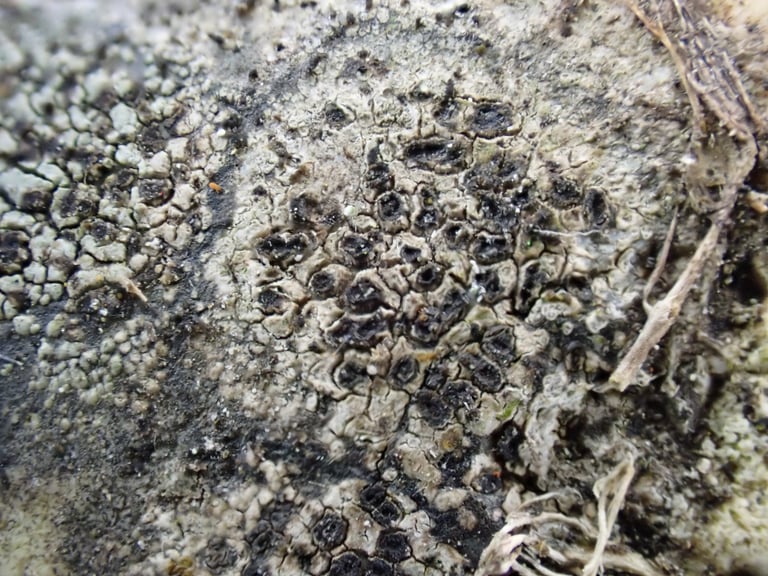
Cytospora populina is recognized chiefly by its small, dark fruiting bodies, which erupt through the bark surface of its host rather than growing as an exposed mushroom-like structure typical of larger fungi.
The fruiting bodies are compact and embedded within the outer bark tissue, becoming visible once they rupture the surface as the fungus matures. This embedded growth habit is a defining trait used to distinguish it from surface-dwelling fungal species.
Distribution and Habitat
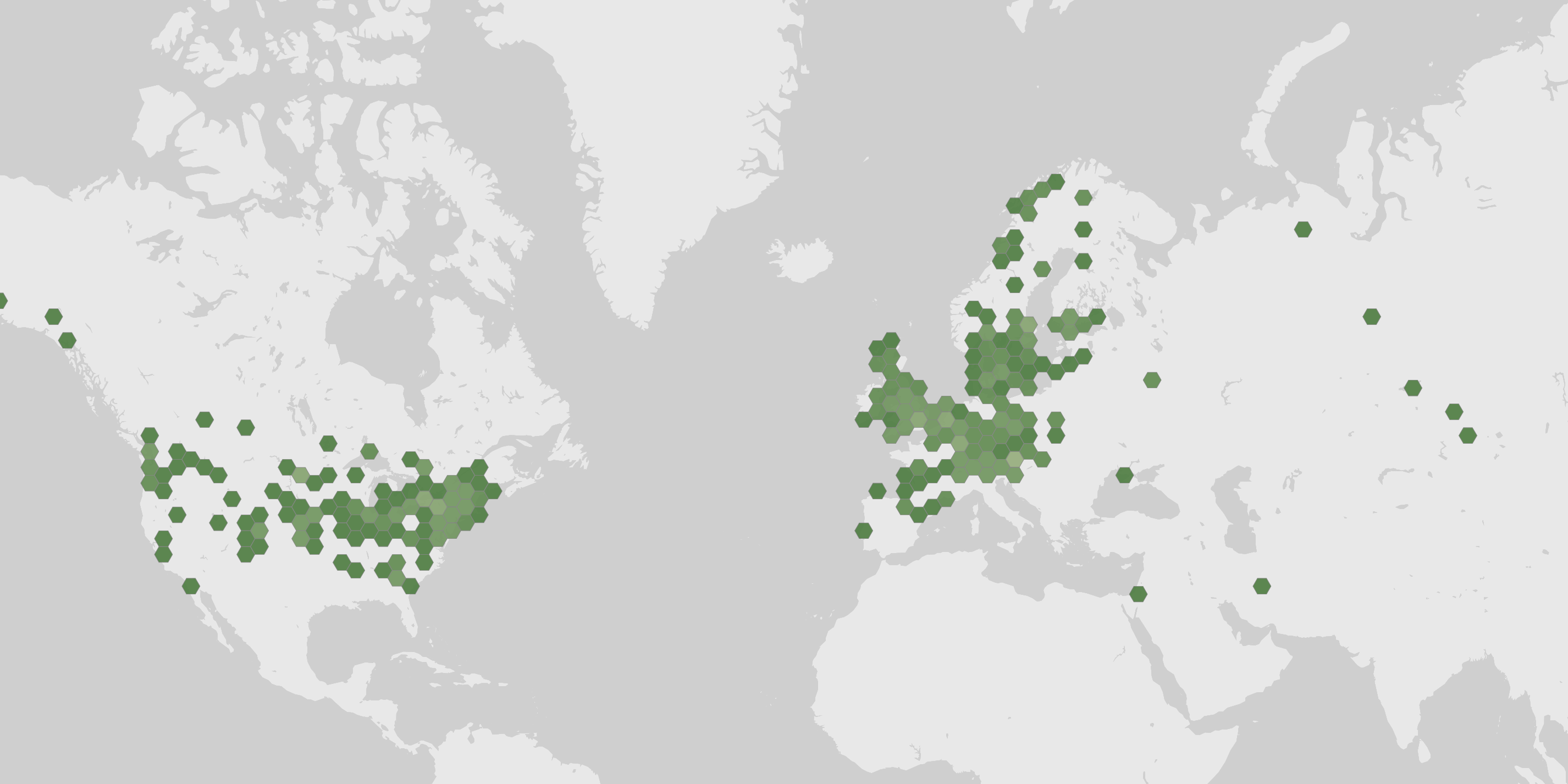
Observation records for Cytospora populina show detections throughout the year, with counts rising toward spring and again in the fall. The monthly pattern shows lower numbers in the middle of summer and again toward the end of the year, with higher counts appearing in the March to April period and again around September to October.
These figures reflect presence observations only, not abundance or a complete picture of the fungus's range. The pattern may hint at periods when fruiting structures or symptoms become more visible on host trees, such as elms and apples, rather than indicating true seasonal population shifts.
Fun Facts
- The species has been known under several names, including Cylindrotheca populina, Cytispora leucosperma, and Cytospora ambiens, reflecting changes in fungal taxonomy over time.
- It belongs to the genus Cytospora, a group that includes important plant pathogens, saprobes, and endophytes found on a wide range of woody host trees around the world.
Ecology and classification
Classification
- Phylum
- Ascomycota
- Class
- Sordariomycetes
- Order
- Diaporthales
- Family
- Valsaceae
- Genus
- Cytospora
- Species
- Cytospora populina