The rootstock of Dryopteris filix-mas carries a poison strong enough to cause blindness or death, yet for generations herbalists relied on it as a folk remedy against tapeworms.
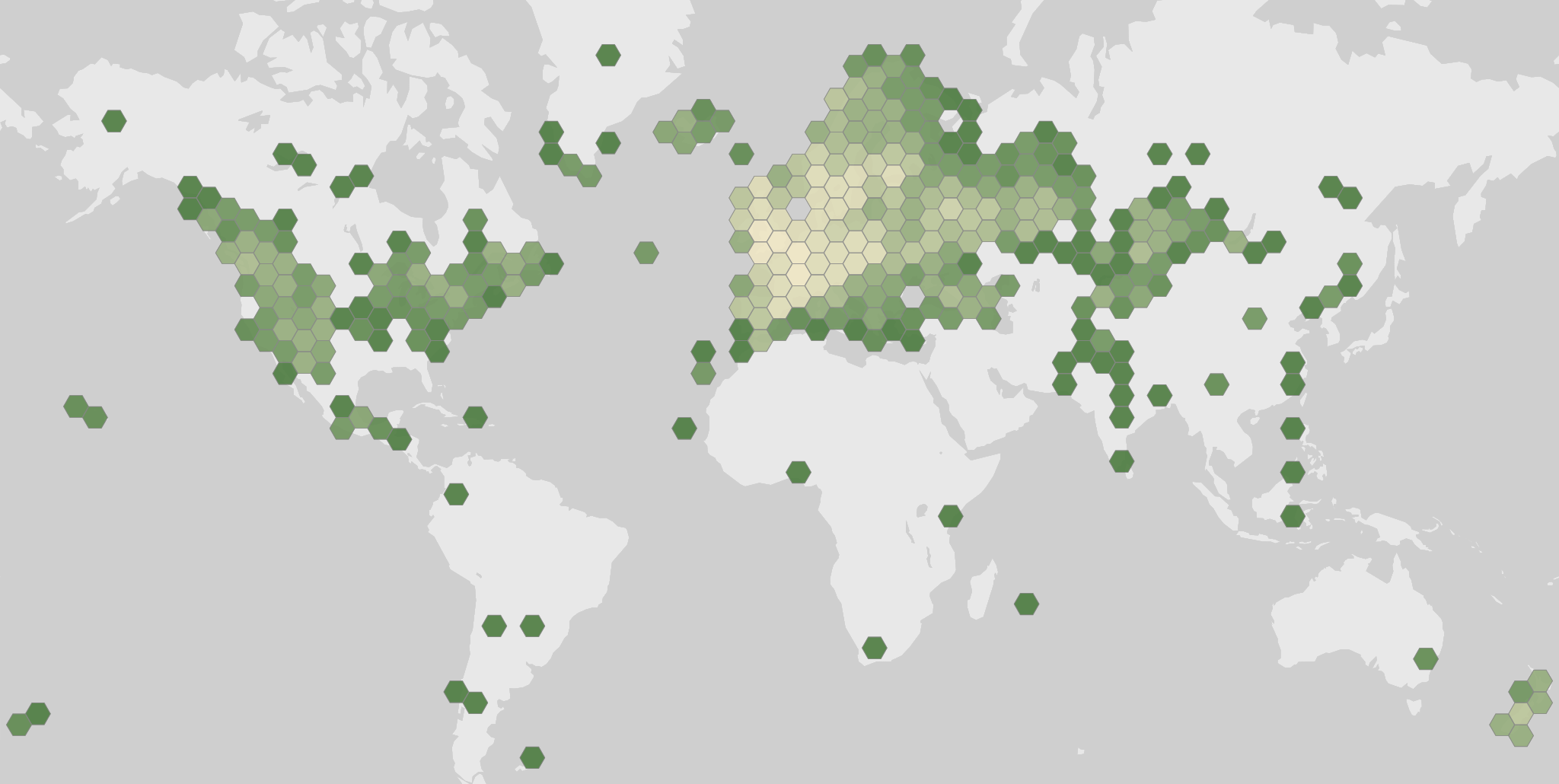
The male fern is a fern of the family Dryopteridaceae, order Polypodiales, native across much of Europe, Asia, and temperate North America. It grows in the damp, shaded understory of woodlands, and also on hedge-banks, rocks, and screes, though near the northern edge of its range it turns up instead in sunny, well-drained spots.
Its wide distribution, garden popularity, and long medicinal history make it one of the more storied ferns of the temperate Northern Hemisphere, even as it remains far less common in North America than in Europe.
Identification and Appearance
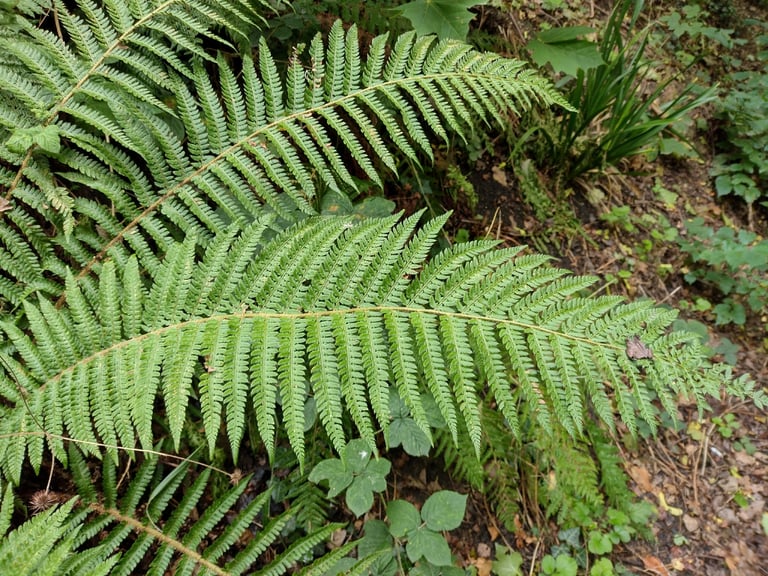
The clearest field mark is the upright rosette of bipinnate fronds, each stalk cloaked in orange-brown scales and topped by a blade that tapers at both the base and the tip. A single crown grows from each rootstock, giving the plant its characteristic clump-forming, semi-evergreen habit.
Mature fronds reach a maximum length of 150 cm, with 20 to 35 pairs of pinnae arranged along the rachis. The basal pinnae are noticeably shorter, running about half the length of the pinnae in the middle of the frond, while the pinnules themselves are blunt-tipped and lobed evenly all around their margins.
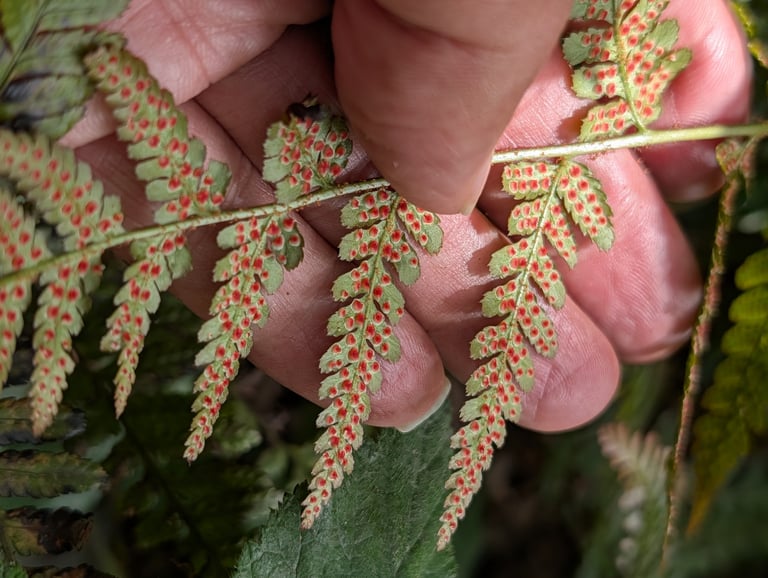
On the underside of a mature blade, five or six sori develop in two rows along each pinnule. These ripen between August and November, at which point the protective indusium shrivels and releases the spores.
Dryopteris filix-mas hybridizes readily with Dryopteris affinis (scaly male fern) and Dryopteris oreades (mountain male fern), so plants with intermediate features in areas where these species overlap should be checked carefully rather than assumed to be pure male fern.
Distribution and Habitat
The male fern occurs across the temperate Northern Hemisphere, native to much of Europe, Asia, and North America, though it is markedly less abundant in North America than in Europe.
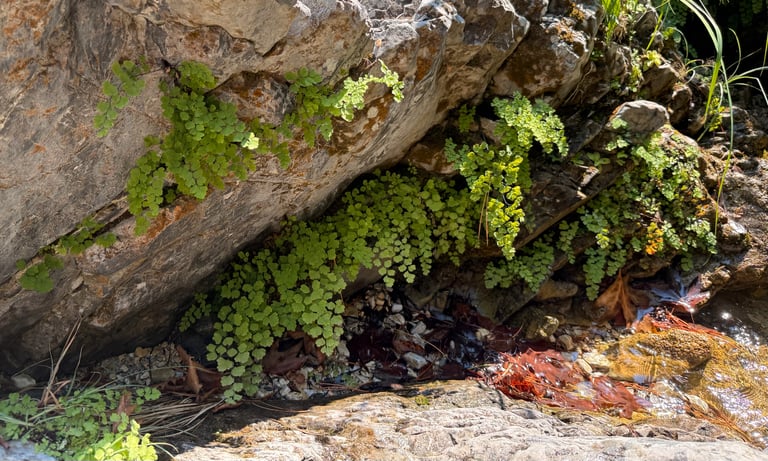
It favors damp, shaded sites: the understory of woodlands, shady hedge-banks, rocks, and screes. Near the northern limit of its range it shifts to sunny, well-drained ground instead. In northeastern North America it grows in dense woods and on talus slopes over limestone, while in the Rocky Mountains it is found in open woods among boulders and talus of granite or other igneous rock, generally between 200 and 2,500 meters elevation.
Monthly observation counts peak sharply from May through August, with the highest numbers in June and July, before dropping off through the autumn and winter months. These figures reflect when the fern is most often recorded rather than any measure of its total population, but the pattern points to a strong seasonal visibility during the growing season.
Uses and Human Relationships
Gardeners have long selected ornamental forms of the male fern, and several have earned the Royal Horticultural Society's Award of Garden Merit, including 'Crispa Cristata', 'Cristata', 'Grandiceps Wills', and 'Linearis Polydactyla'.
The species also has a history of medicinal use, valued in traditional practice for treating intestinal worms. That use carries real risk, since the rhizome is toxic.
Fun Facts
- The male fern is native across much of Europe, Asia, and North America, but it is far less abundant in North America than in Europe.
- In some traditions, gathering the fern's spores at Midsummer was believed to bring good fortune and even reveal hidden treasure.
- It hybridizes easily with two related species, the scaly male fern (Dryopteris affinis) and the mountain male fern (Dryopteris oreades).
Ecology
Habitat
- Forest
- Woodland
- Mountain
Growth habit
- Fern