The name Embata commensalis has remained unchanged since 1893, when the naturalist Western first described it, and little has been added to its record since.
It belongs to the phylum Rotifera, class Eurotatoria, within the order Bdelloidea and the family Philodinidae. These groupings place it among the microscopic aquatic invertebrates known collectively as rotifers, though the species itself carries no conservation assessment and no detailed account of its own biology in the available record.
What makes Embata commensalis worth noting is less about what is known and more about how little is: it stands as one of many rotifer species that exist almost entirely as a name and a taxonomic placement, awaiting closer study.
Distribution and Habitat
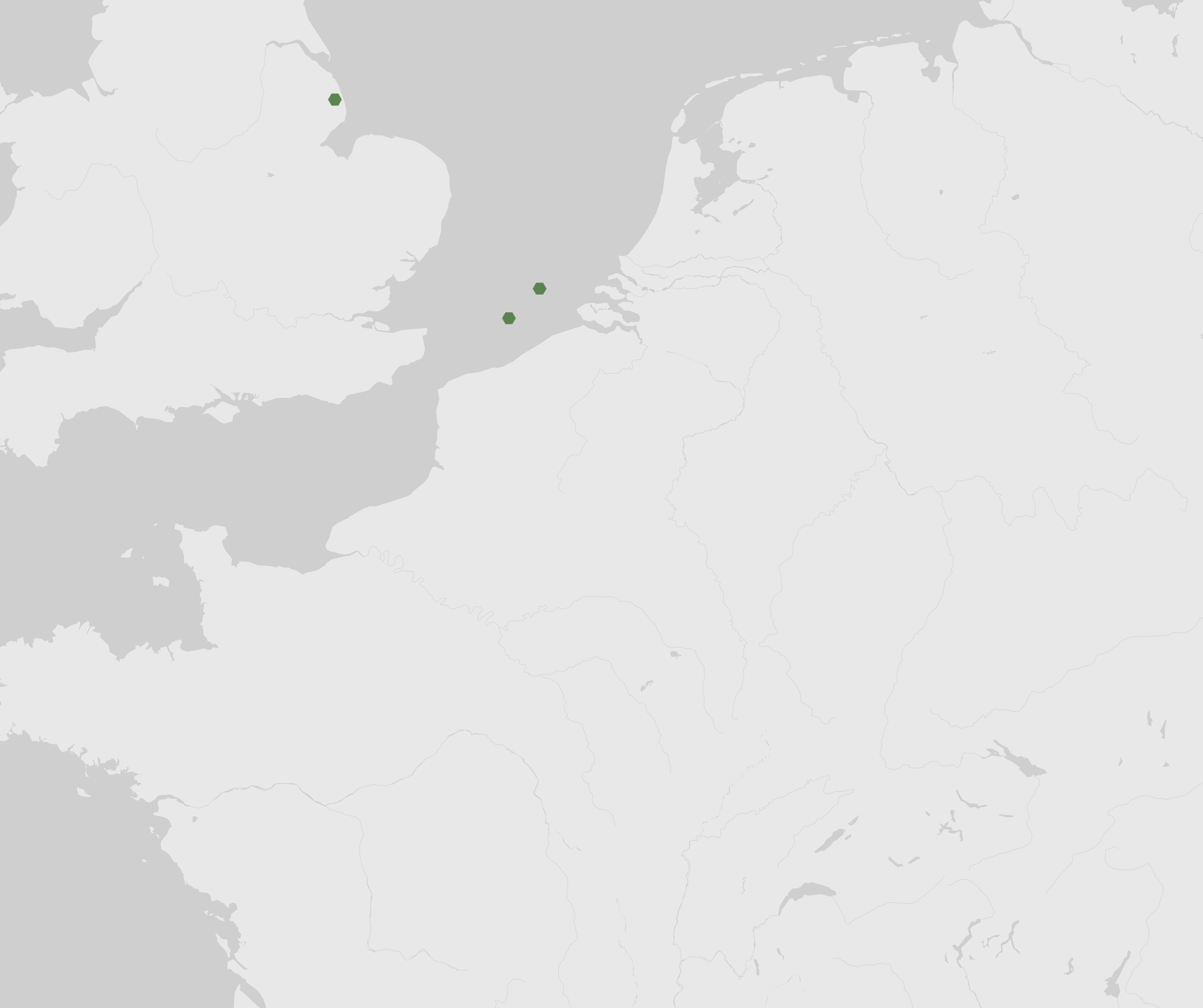
Documented sightings of Embata commensalis are extremely sparse. The available observation histogram shows activity in only two months of the year, April and July, with a single record in each.
These are presence observations only, not measures of abundance or a complete picture of the species' range: a record in a given month means the species was found there at that time, nothing more. With just two data points, no seasonal pattern, habitat association, or geographic range can be responsibly drawn from the record.
No further information on habitat type or distribution is available for this species beyond these isolated observations.
Cultural Significance
No established folklore or symbolic tradition is documented for Embata commensalis itself. The available cultural material instead concerns Empusa, a figure from Greek mythology whose name bears a coincidental resemblance to the rotifer's genus, Embata.
This apparent overlap is one of naming rather than of any real cultural link: the mythological Empusa's roots in ancient Greek storytelling have no documented connection to this microscopic invertebrate. No cuisine, art, trade, or human use associated with the species itself is recorded.