Embata hamata is a microscopic rotifer belonging to the class Eurotatoria within the phylum Rotifera. It sits in the order Bdelloidea and the family Philodinidae, a lineage of tiny freshwater invertebrates first described by Murray in 1906.
No conservation status has been assessed for this species, and detailed information on its biology beyond its formal taxonomic placement is scarce in public records. What makes Embata hamata worth noting is exactly this obscurity: it is one of countless microscopic organisms that have been formally named and classified yet remain almost entirely unstudied in terms of ecology, behavior, and range.
Distribution and Habitat
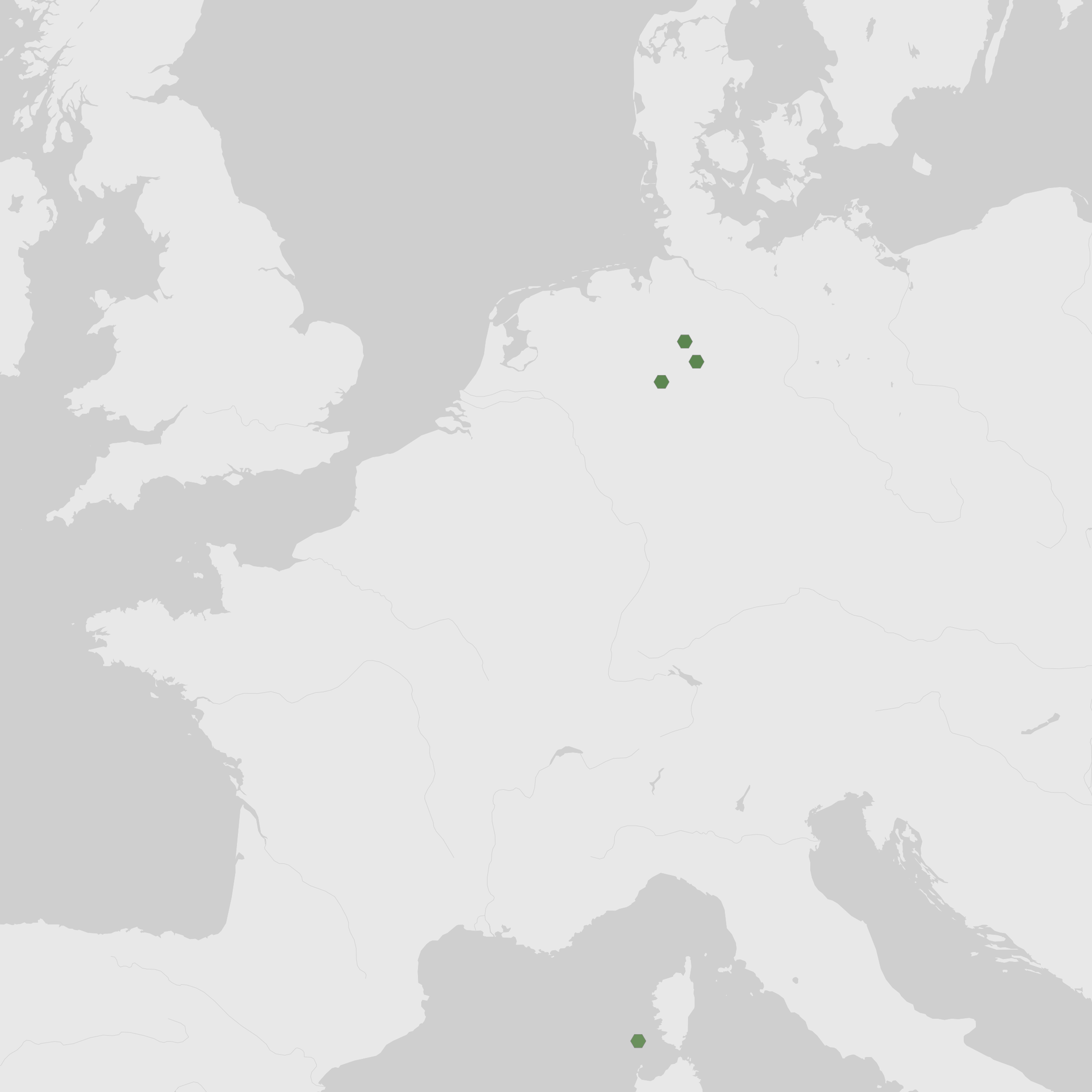
Occurrence records for Embata hamata are extremely limited. The only available data come from a small set of GBIF observations, all concentrated in March and April, with two records logged in each of those months and none in the remaining ten months of the year.
This narrow window of records should not be read as evidence of a seasonal peak in activity or abundance. With so few total observations, the pattern more likely reflects when a small number of observers happened to sample rather than any genuine seasonal pattern in the species itself.
As GBIF occurrence counts represent presence observations only, they cannot be used to infer abundance, population size, or the species' complete native range. Beyond these sparse data points, no specific habitat description for Embata hamata is available.
Cultural Significance
No documented cultural associations exist for Embata hamata specifically. As a microscopic invertebrate known mainly from scientific taxonomic records, it has not entered folklore, art, cuisine, or symbolic traditions in any way that has been recorded.