Embata laticornis was formally described by Murray in 1905, placing it among the bdelloid rotifers, a group of microscopic aquatic invertebrates. It belongs to the family Philodinidae, within the order Bdelloidea, class Eurotatoria, and phylum Rotifera, itself part of the animal kingdom.
Beyond this taxonomic placement, little detailed information about the species has been compiled, which is typical for many microinvertebrates that are identified mainly through specialist taxonomic work rather than broader ecological study.
Distribution and Habitat
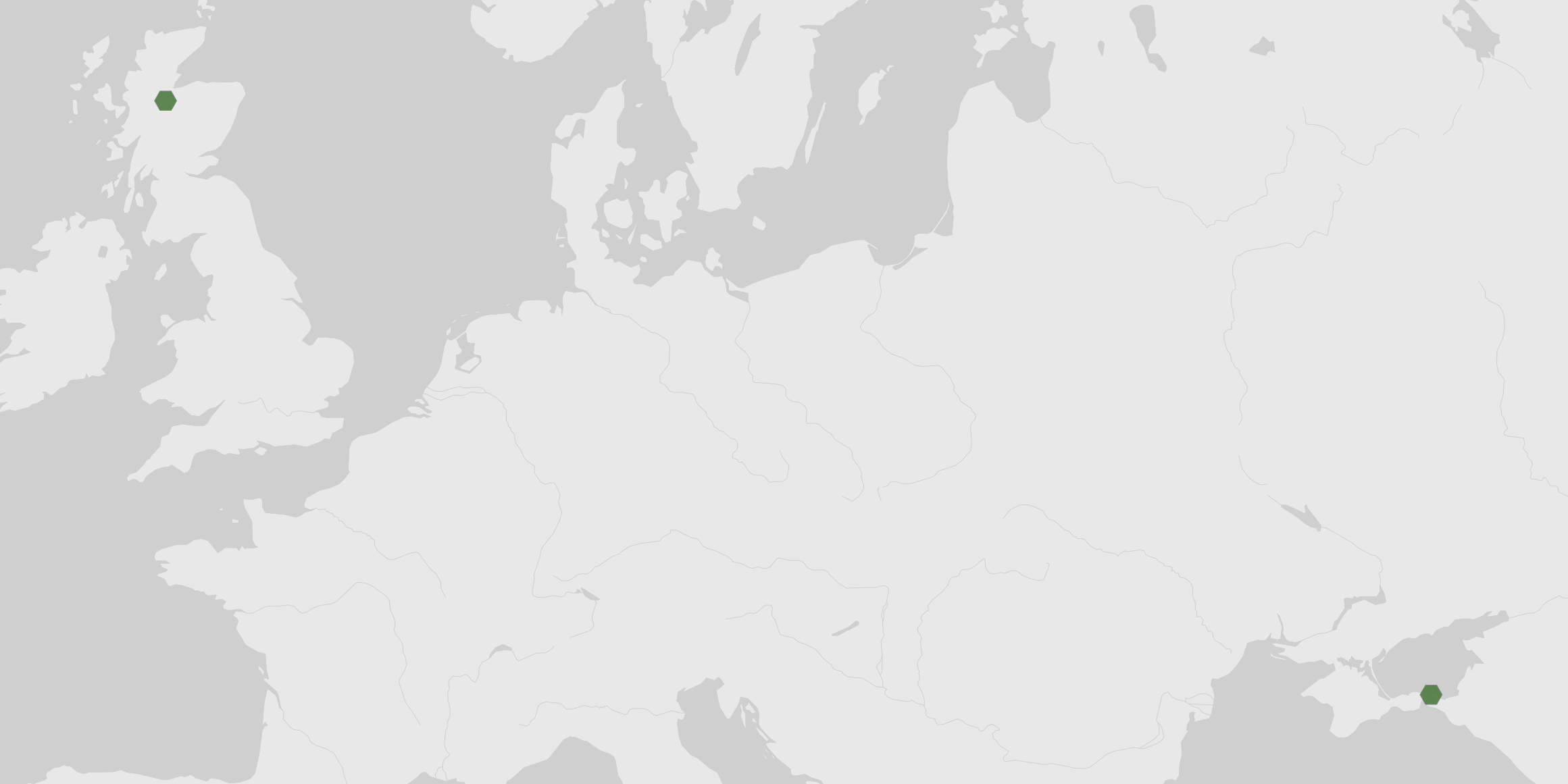
Records of Embata laticornis are extremely sparse. Available GBIF occurrence data show only a single observation across a full year, recorded in April, with no observations logged in any other month.
Because this reflects presence records rather than a survey of abundance or range, the single April sighting should not be read as evidence of a seasonal pattern or of where the species is most common. It indicates only that the species has been documented at least once, and gives no reliable picture of its broader distribution or preferred habitats.
Cultural Significance
No documented cultural, symbolic, or culinary significance has been recorded specifically for Embata laticornis. As a microscopic rotifer known mainly from scattered taxonomic and occurrence records, it does not appear to feature in folklore, art, or human use in the material available.