Embata parasitica (Giglioli, 1863) is a microscopic invertebrate belonging to the phylum Rotifera, within the class Eurotatoria and the order Bdelloidea. It is placed in the family Philodinidae, a group of rotifers found in freshwater and moist habitats around the world.
Little detailed information about this particular species has been documented beyond its taxonomic placement, but its membership in Bdelloidea situates it among rotifers known for their resilience and their role in freshwater microecosystems. For readers interested in the diversity of microscopic animal life, Embata parasitica represents one small piece of a much larger, often overlooked group of organisms that shape aquatic environments from the inside out.
Distribution and Habitat
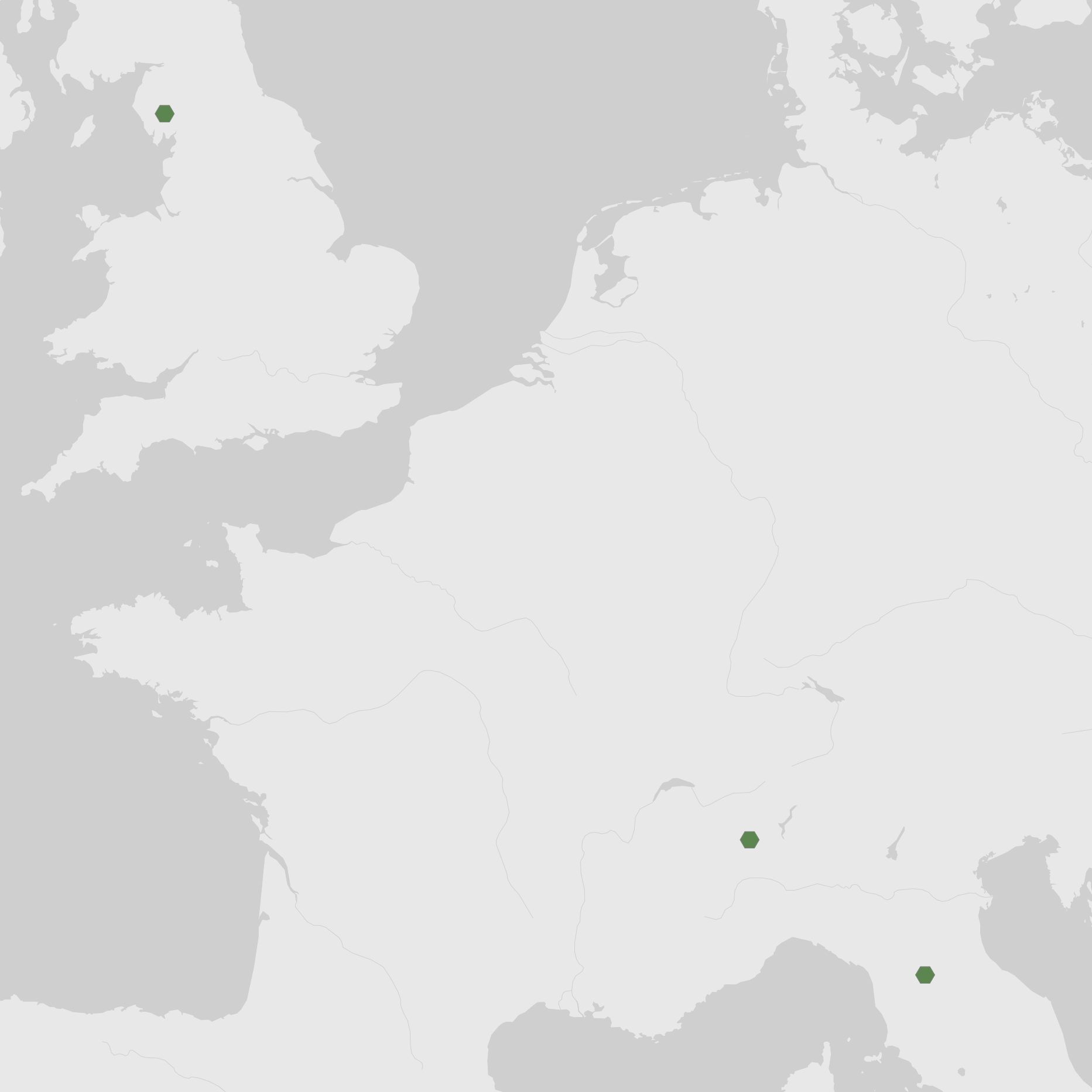
Records of Embata parasitica are sparse, with observation data showing a single documented occurrence in August across the monthly pattern tracked. This pattern reflects presence observations only, not a measure of abundance or a complete picture of the species' native range.
Because the data comes from opportunistic sightings rather than systematic surveys, the near-total absence of records in other months should not be read as seasonal absence. It more likely reflects how infrequently this species is recorded at all, a common issue for microscopic invertebrates that require specialized sampling and identification.
Cultural Significance
No verified folklore, mythology, or symbolic tradition is documented for Embata parasitica. As a microscopic bdelloid rotifer, it lacks the visibility that has historically inspired cultural narratives around larger or more conspicuous animals.
The species remains known chiefly within specialist circles of aquatic invertebrate biology rather than in broader human culture, art, or storytelling.