Entoloma sericellum belongs to Entolomataceae, a family of gilled mushrooms within the order Agaricales. Like other members of this order, it produces the classic cap-and-gill fruiting body associated with agaric fungi, and it is classified in the class Agaricomycetes within the phylum Basidiomycota, part of the kingdom Fungi.
Beyond this taxonomic placement, detailed accounts of this species remain limited, leaving room for further study of its biology and ecology.
Fruiting Body and Identification
As a member of the order Agaricales, Entoloma sericellum produces a fruiting body with the cap-and-gill structure typical of this large group of fungi. Specific details on its cap diameter, stem height, coloration, flesh texture, smell, or spore print are not documented in the available records for this species.
Because no distinguishing features or comparisons to similar species are recorded here, no identification guidance or safety claims can be made from the current information.
Distribution and Habitat
Observation records show a clear seasonal pattern in reported sightings of Entoloma sericellum, with counts rising sharply through the summer and peaking in September, when nearly 3,700 observations were logged. High numbers also appear in August and October, suggesting that fruiting bodies are most often encountered in late summer and early autumn.
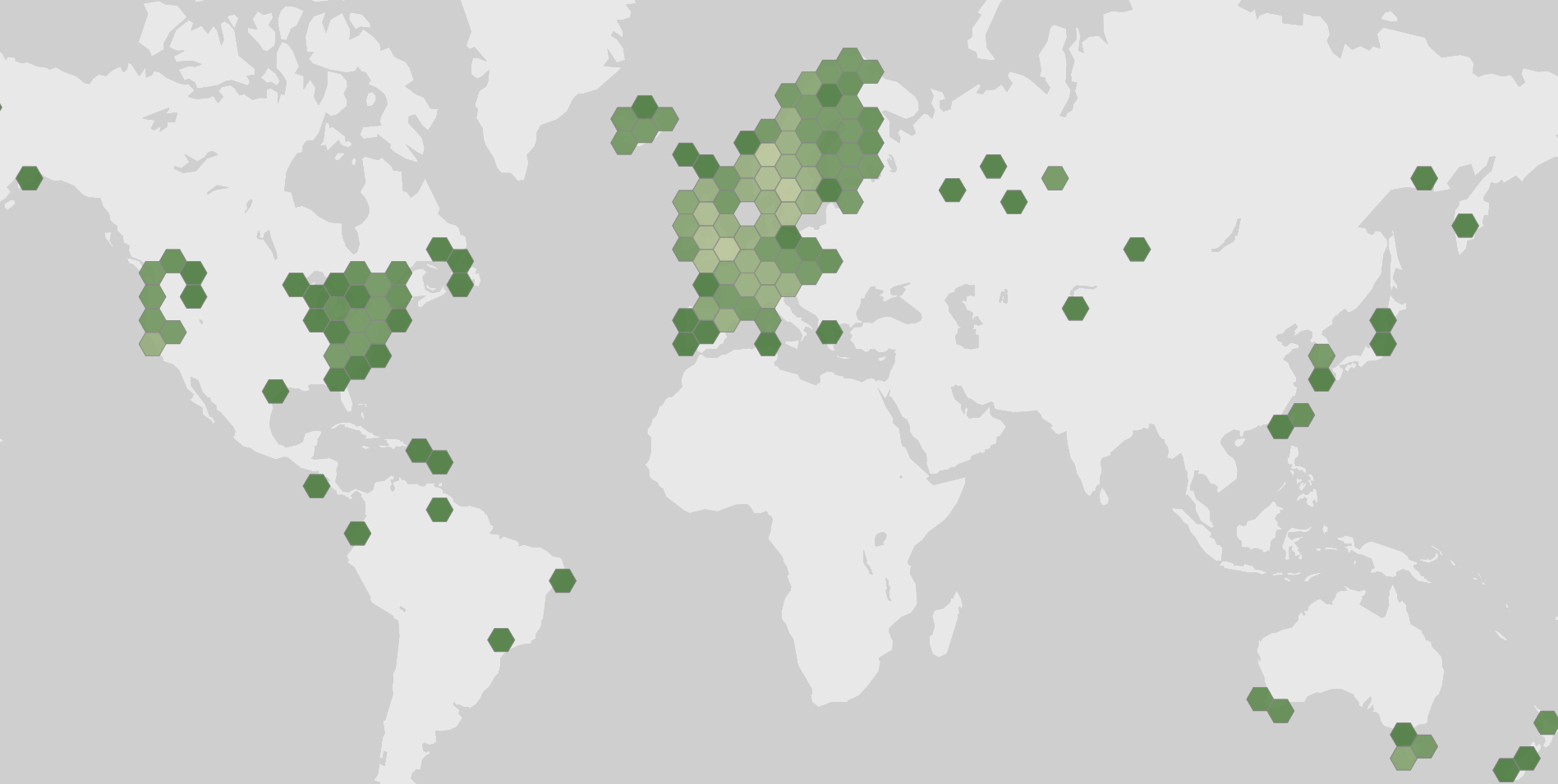
Sightings drop off substantially outside this window, falling to only a few dozen per month during winter and early spring. These figures come from GBIF occurrence data, which record where and when the species has been observed rather than how abundant it is or the full extent of its range, so they should be read only as a seasonal presence signal rather than a measure of population size or distribution.
Fun Facts
- The species' scientific name, Entoloma sericellum (Fr.) P.Kumm., shows a double authorship: it was first described by Elias Magnus Fries and later placed in its current classification by Paul Kummer.
- It sits within Entolomataceae, a family of gilled mushrooms in the order Agaricales, alongside many other Entoloma species.
- Observation records suggest this species is reported far more often in late summer and early autumn than at any other time of year, with September standing out as the peak month for sightings.