Flavoplaca marina carries a taxonomic history spanning nearly 150 years: first described in 1875 by Hugh Algernon Weddell as Lecanora marina, it was only in 2013 that Ulf Arup and colleagues moved it into the newly recognized genus Flavoplaca, following molecular phylogenetic work that restructured the family Teloschistaceae.
It is a saxicolous, crustose lichen, meaning it grows flush against rock surfaces rather than forming leafy or shrubby structures. It belongs to the class Lecanoromycetes, order Teloschistales, and family Teloschistaceae, within the kingdom Fungi. Its story is a useful reminder that even familiar organisms can be reclassified as science refines its understanding of relationships between species.
Fruiting Body and Identification
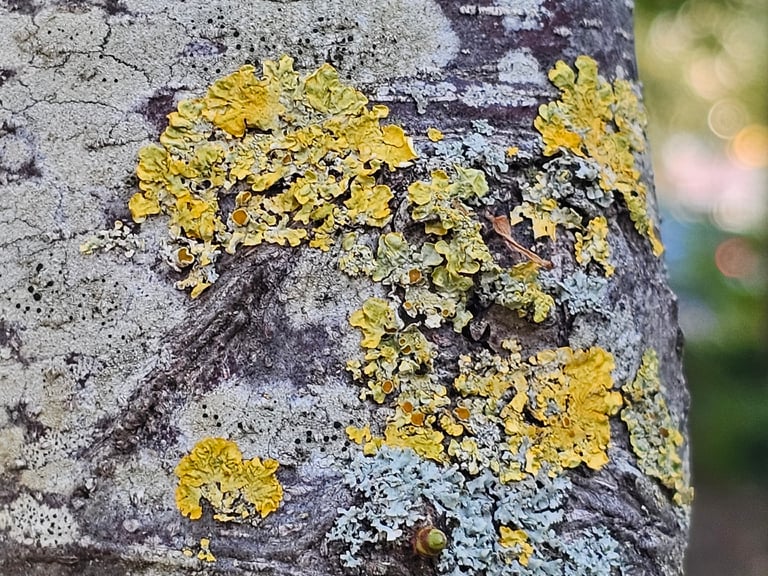
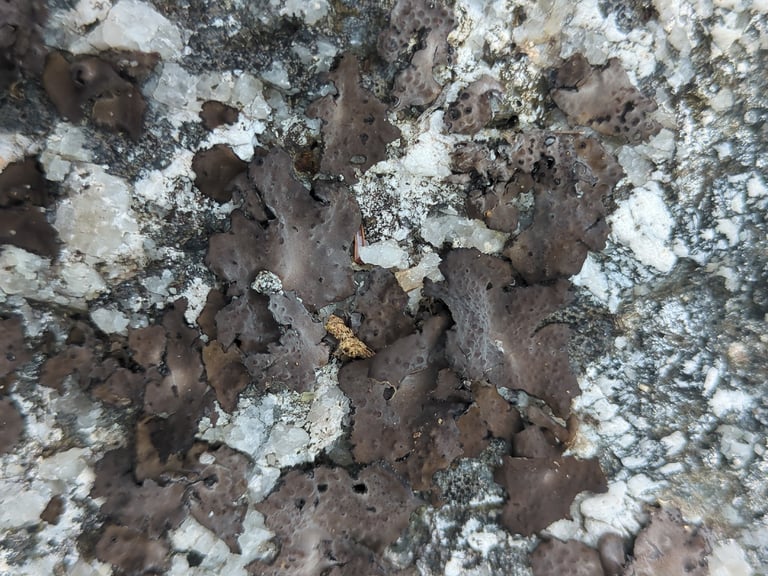
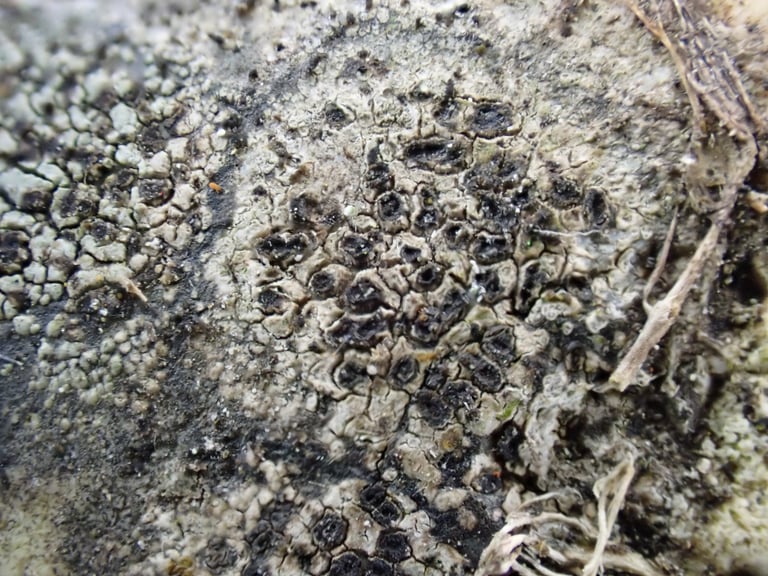
Flavoplaca marina is best identified by the overall form of its thallus, which sets it apart from related lichen species in the field.
Identification relies on close observation of its growth pattern and structure, features naturalists use to distinguish it from similar-looking lichens in its range.
Distribution and Habitat
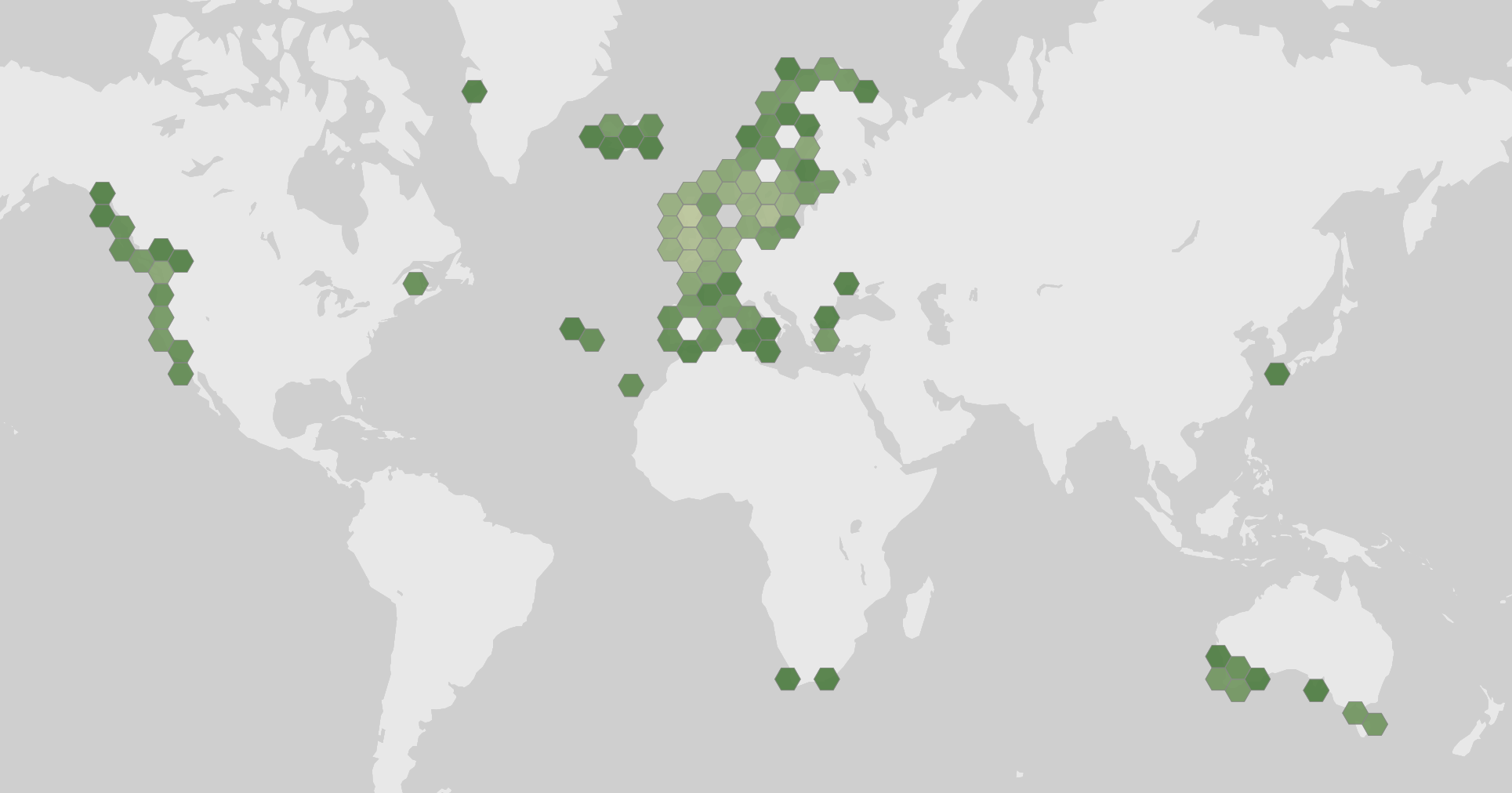
Flavoplaca marina is recorded along coastal environments, consistent with its saxicolous habit of growing directly on rock. Observation counts rise through the spring and summer months, peaking in August, before declining sharply into the autumn and winter, suggesting a period when the lichen is more frequently noticed or more visibly active along the coast. These figures reflect presence observations rather than a measure of abundance or a complete picture of its range, so the pattern should be read as an indication of seasonal detectability rather than a count of how common the species truly is.
Uses and Cultural History
Flavoplaca marina finds an indirect place in cultural history through its connection to the Carta Marina, a historic map on which coastal features were annotated with a blend of observed fact and inherited lore. The popular modern belief that old maps used phrases like "here be dragons" to mark uncharted territory is largely a myth; rather than admitting ignorance, mapmakers who included such imagery were making a proclamation of knowledge, however mixed with legend. This connection ties the lichen's coastal habitat to the broader history of how coastlines were depicted and understood before modern cartography.
Fun Facts
- The species was formally named Flavoplaca marina only in 2013, when Ulf Arup, Frödén, and Søchting placed it in the newly erected genus Flavoplaca.
- Before this reclassification, it was long known under the name Caloplaca marina, including a subspecies, Caloplaca marina subsp. americana, described by Arup in 1989.
Photos
Photographs from via iNaturalist, licensed under CC0 1.0., by Patrick Jackson via iNaturalist, licensed under CC BY 4.0., by Alexis Tinker-Tsavalas via iNaturalist, licensed under CC BY 4.0., by Alex Press via iNaturalist, licensed under CC BY 4.0., by Em Lamond via iNaturalist, licensed under CC BY 4.0., and by Barry Stewart via iNaturalist, licensed under CC BY 4.0., credited on each photo.
Ecology and classification
Habitat
Classification
- Phylum
- Ascomycota
- Class
- Lecanoromycetes
- Order
- Teloschistales
- Family
- Teloschistaceae
- Genus
- Flavoplaca
- Species
- Flavoplaca marina
Sources
- GBIF Species names and classification
- iNaturalist Photos
- Wikidata Common names and conservation status
- Wikipedia Summary extract