Frullania tamarisci is a leafy liverwort placed in the family Frullaniaceae, within the order Porellales and the class Jungermanniopsida. It belongs to the phylum Marchantiophyta, the lineage of plants known collectively as liverworts.
Beyond this basic classification, little else is documented about the species in the available material, but its taxonomic placement alone situates it among a distinctive and ancient group of non-vascular land plants worth a closer look.
Identification and Appearance
Frullania tamarisci is classified within the genus Frullania, family Frullaniaceae, a group of leafy liverworts. No detailed measurements, color descriptions, or diagnostic field marks are documented here beyond its taxonomic placement in the order Porellales and class Jungermanniopsida.
Distribution and Habitat
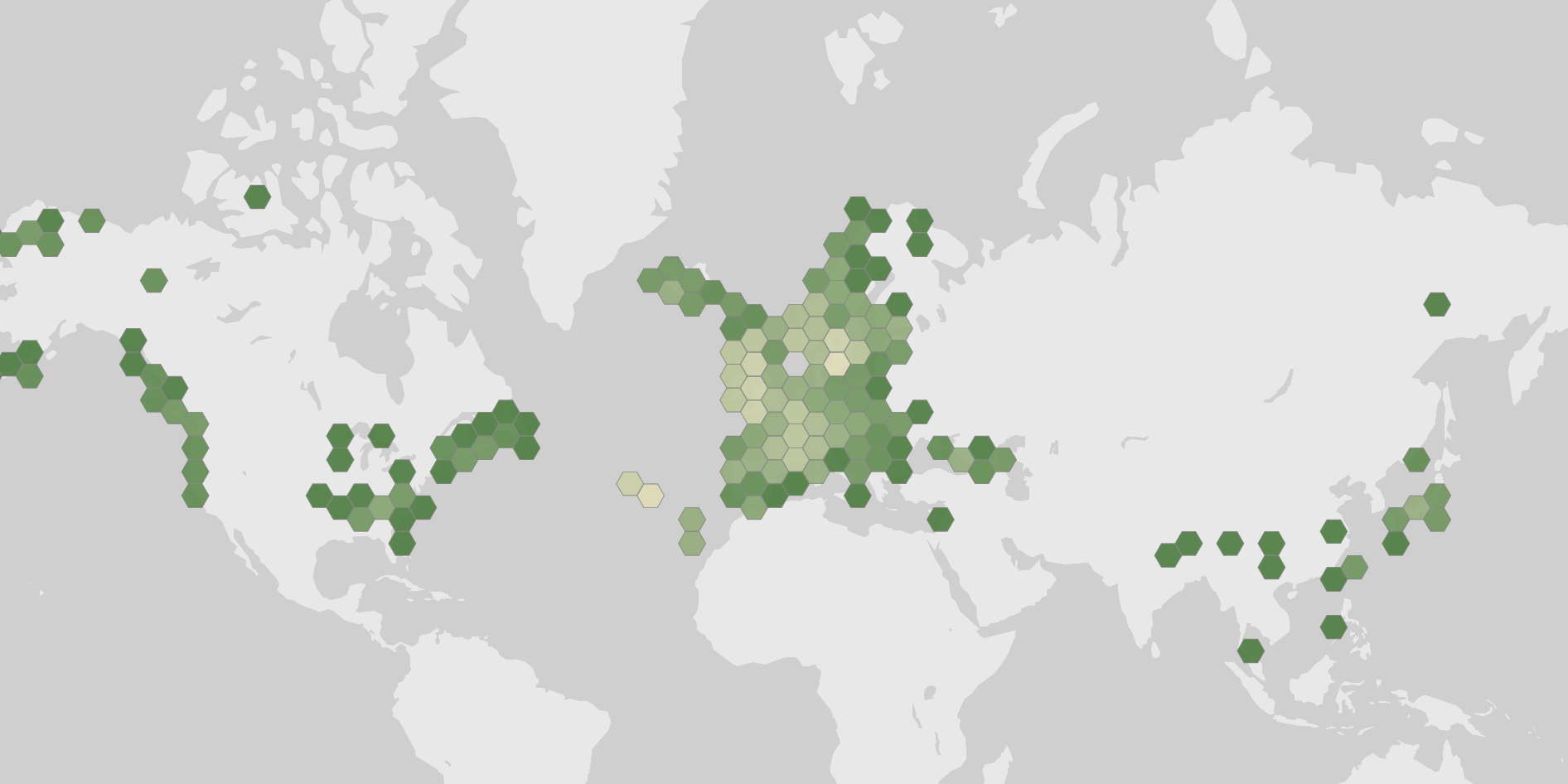
Monthly observation records for Frullania tamarisci show a clear seasonal pattern, with counts rising from a low of 1,085 in December to a peak of 4,128 in May. Numbers stay elevated through the following months, with July recording 4,120 observations, before tapering off again toward autumn and winter.
This pattern suggests the species is most often recorded in spring and mid-summer, roughly April through July, and least often detected in December. However, these figures come from GBIF occurrence data, which reflect presence observations rather than true abundance, population size, or a complete picture of the species' native range.
Fun Facts
- In open, exposed sites in the far west and near the sea, Frullania tamarisci can grow directly on boulders, sometimes reaching a size that approaches that of the scarcer Frullania teneriffae.
- Telling it apart from similar species can be tricky: a diagnostic line of pale cells, called the ocelli, is present in its leaves but is not always easy to see.
Ecology
Habitat
- Coastal