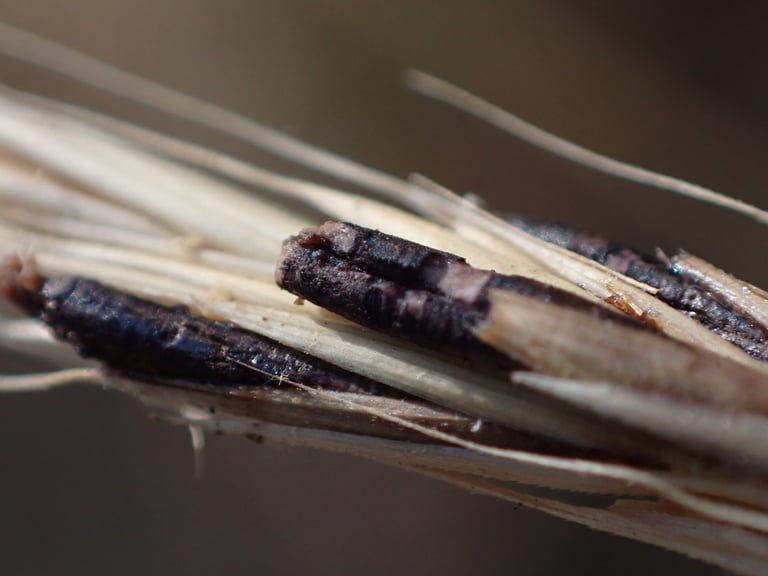
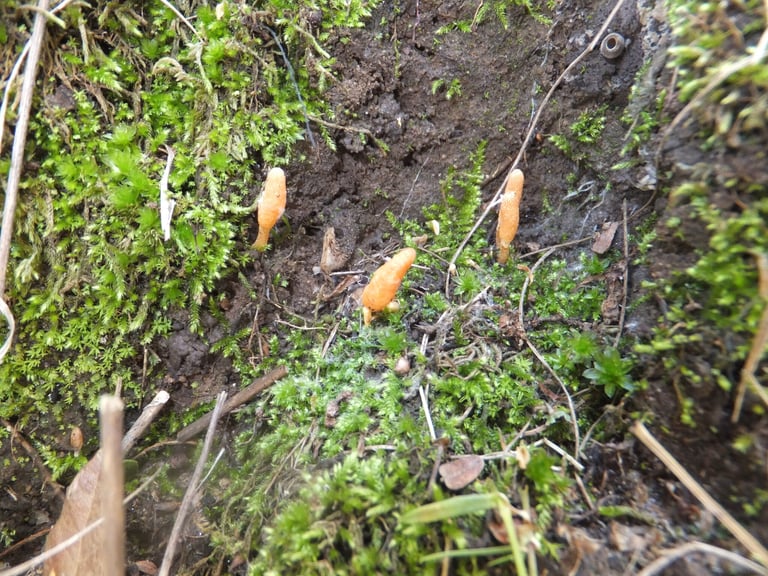
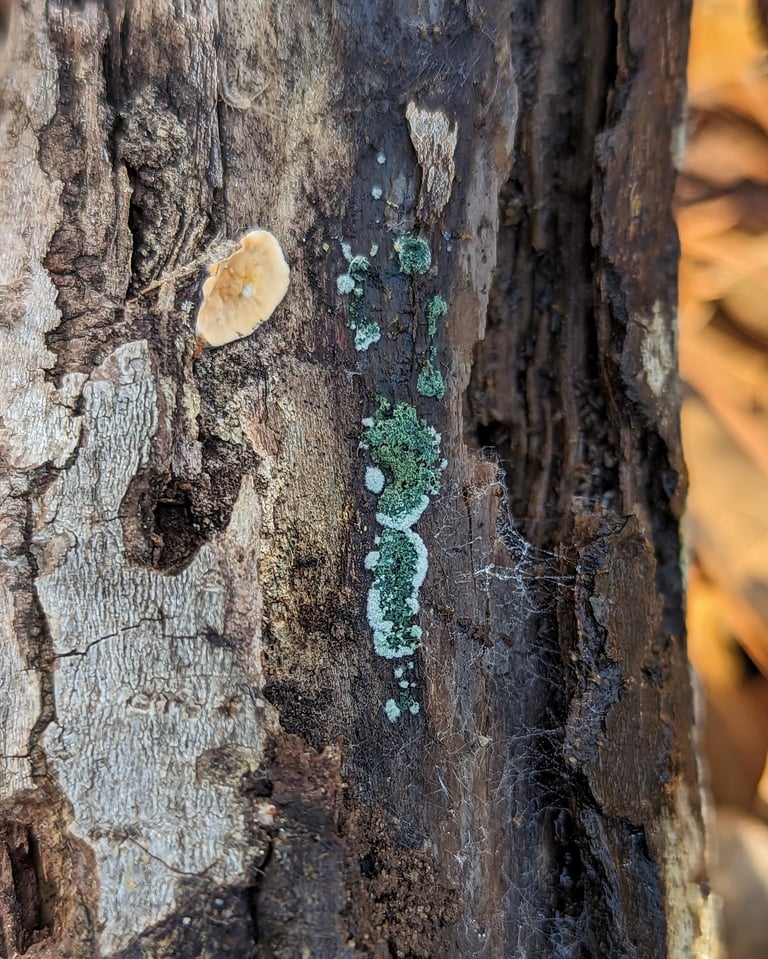
A single fungus can attack staple food crops and also infect people. Fusarium proliferatum is a plant pathogen that belongs to the class Sordariomycetes, the order Hypocreales and the family Nectriaceae, within the phylum Ascomycota.
Its damage to crops is what brings it to the attention of growers, and its ability to affect humans makes it relevant beyond farming.
Distribution and Habitat
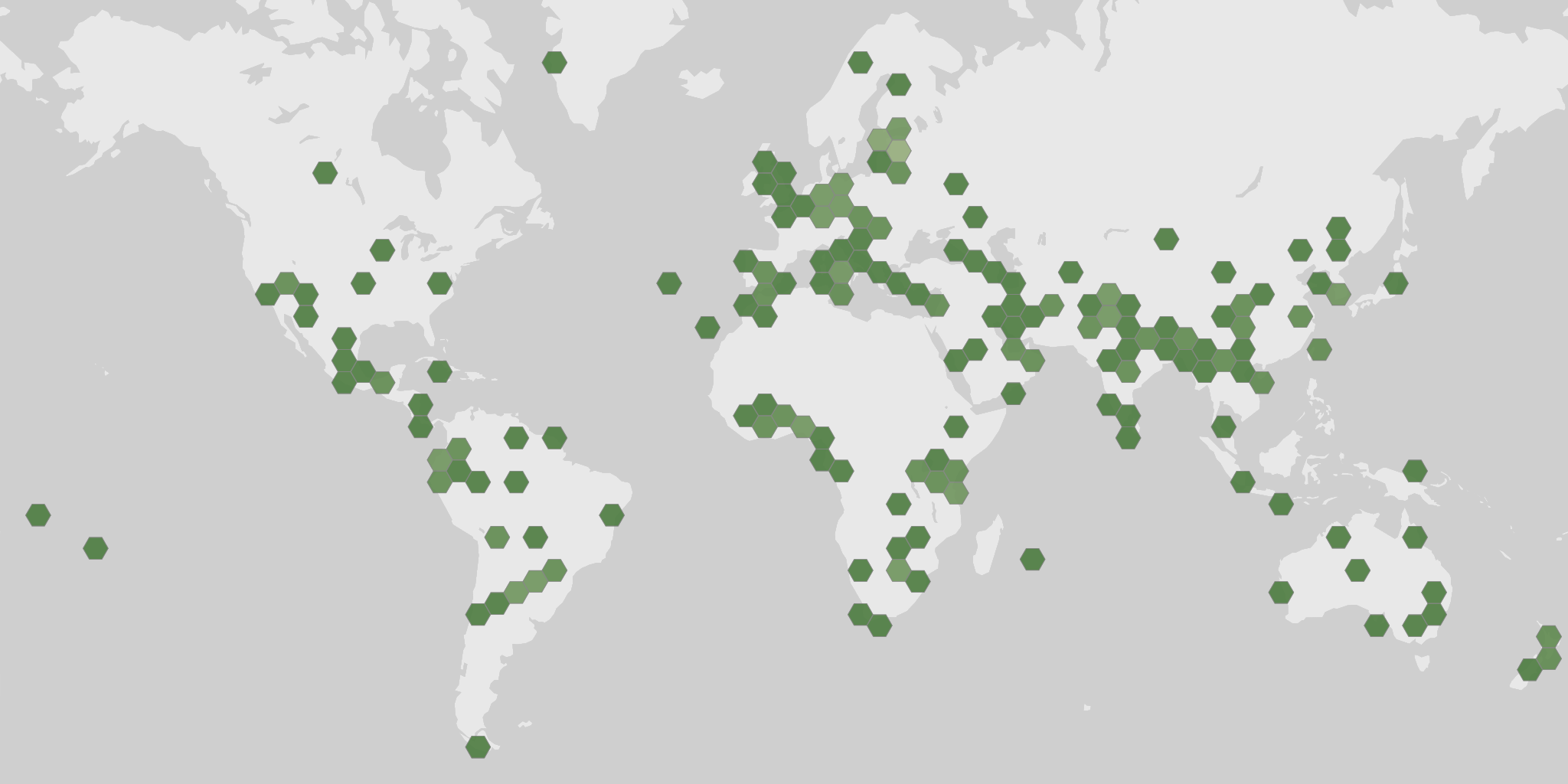
Presence observations of Fusarium proliferatum are most numerous in January, the highest month of the year. A second high comes in October, and the counts are lowest in February.
The seasonal pattern reflects where and when the fungus has been observed, not how many individuals live in each month.
Ecology and Relationships
Fusarium proliferatum is a plant pathogen that infects several major crops. Its main hosts are cereals such as rice and maize, along with onion-type plants including garlic, Welsh onion and common onion.
It also attacks vegetables such as asparagus and okra, a tropical fruit tree in the mango family, and the Easter lily. Humans are among its main partners as well, since the fungus can affect people.
Ecology and classification
Classification
- Phylum
- Ascomycota
- Class
- Sordariomycetes
- Order
- Hypocreales
- Family
- Nectriaceae
- Genus
- Fusarium
- Species
- Fusarium proliferatum
Sources
- GBIF Species names and classification
- Wikidata Common names and conservation status
- Wikipedia Summary extract
- GloBI What it eats, what eats it, parasites and pollinators
- Wardeh et al. 2015 (EID2)