Few garden plants carry a scent as instantly recognizable as Lavandula angustifolia, the herb known simply as lavender, true lavender, or English lavender. Native to the Mediterranean basin, it belongs to the mint family, Lamiaceae, and is classified by the IUCN as Least Concern, reflecting its widespread cultivation and stable wild populations.
Beyond its familiar fragrance, lavender's long history spanning ancient religious ceremonies, folk medicine, and modern aromatherapy makes it one of the most culturally layered herbs still grown in ordinary gardens today.
Identification and Appearance
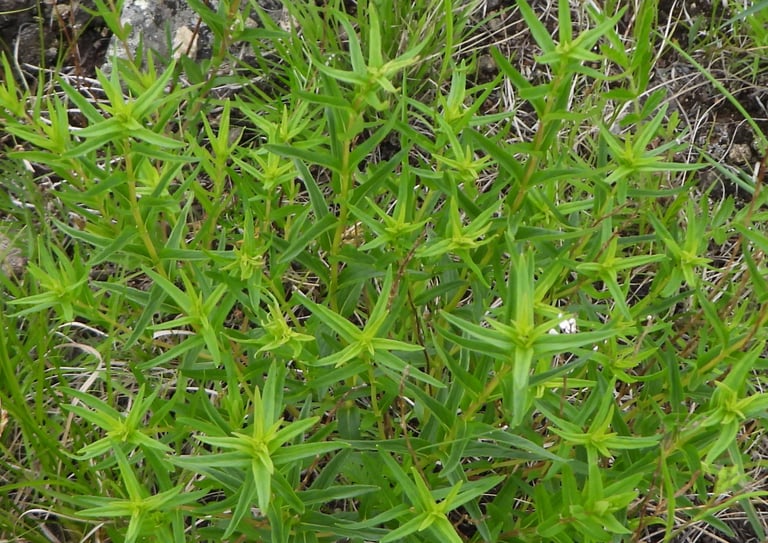
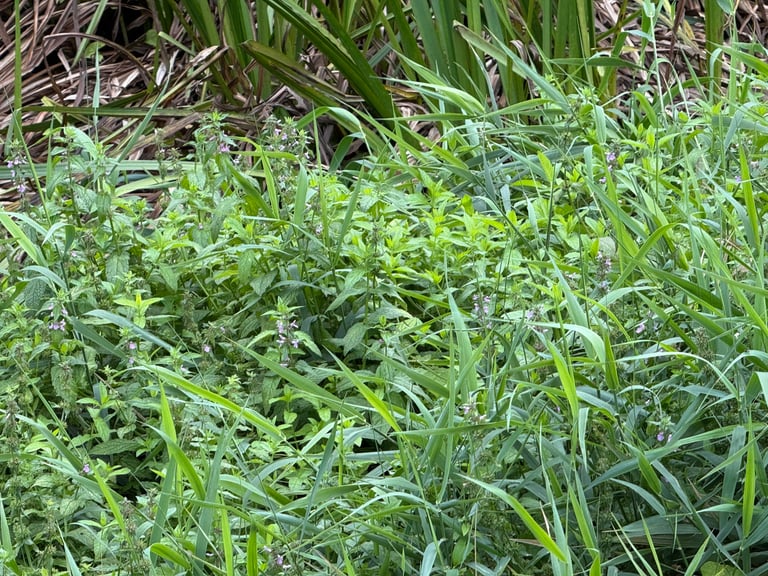
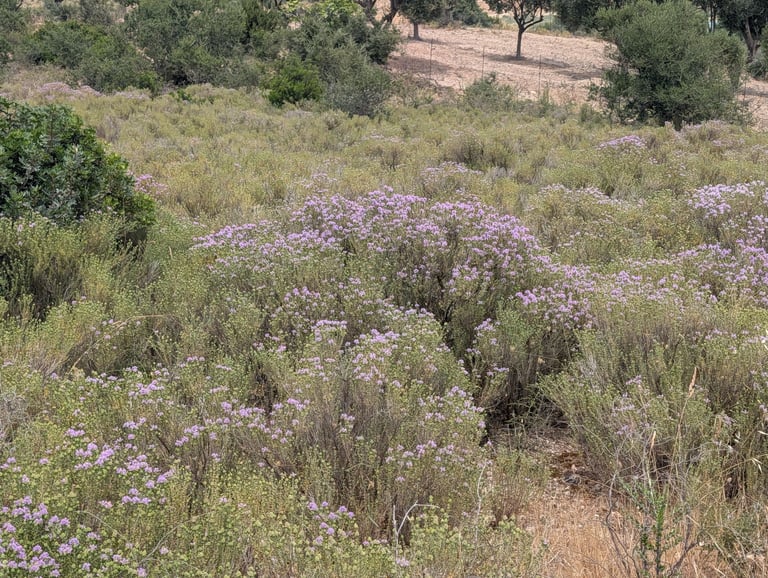
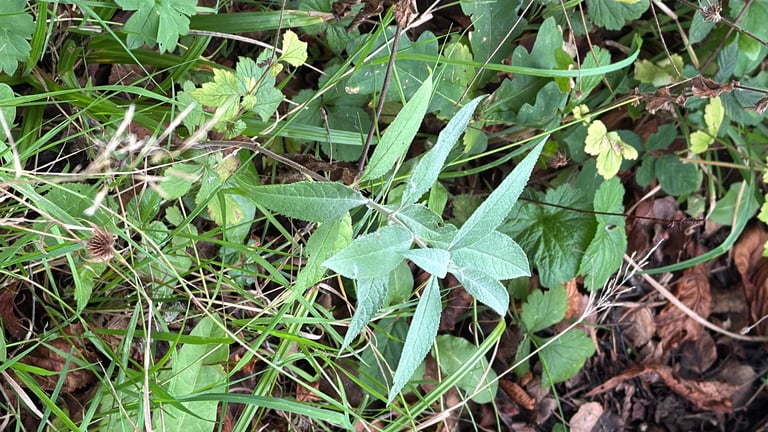
The most reliable field mark is the plant's narrow, aromatic, evergreen leaves paired with dense flower spikes held on bare, wiry stems well above the foliage. Mature plants form a compact shrub reaching 1 to 2 meters (3.5 to 6.5 feet) in height, though many cultivated forms stay smaller.
Leaves are linear, measuring 2 to 6 centimeters (1 to 2.5 inches) long and only 4 to 6 millimeters (roughly 0.2 inches) wide, giving the plant a fine, silvery-green texture. The flowers themselves are typically purple, the shade that gives the color "lavender" its name, and are packed onto spikes 2 to 8 centimeters (1 to 3 inches) long.
These flower spikes sit atop slender, leafless stems that rise 10 to 30 centimeters (4 to 12 inches) above the foliage, creating the airy, upright silhouette typical of lavender fields and garden borders alike.
Distribution and Habitat
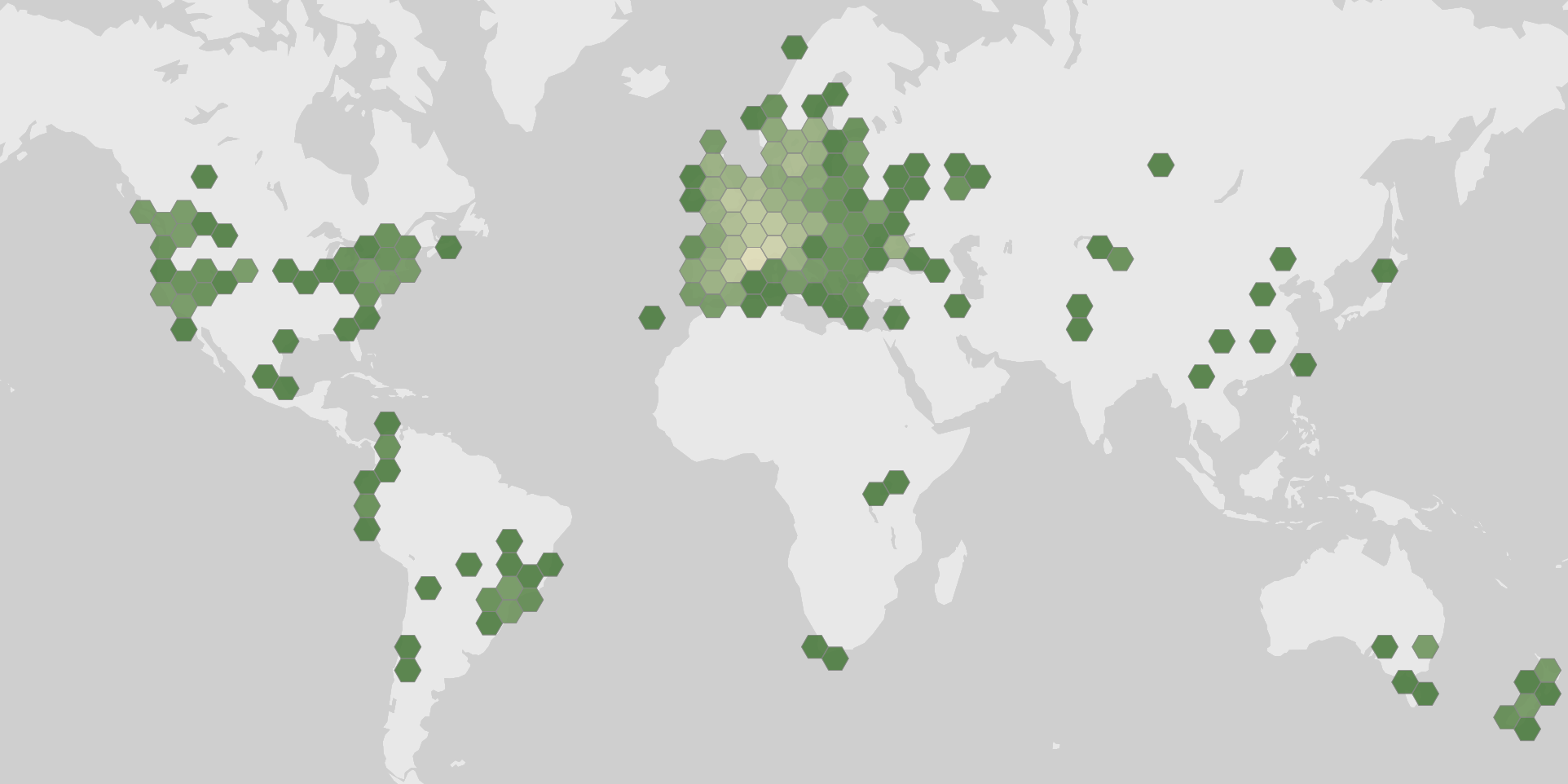
Lavandula angustifolia originates in the Mediterranean basin but is now cultivated far beyond its native range, including as an ornamental and aromatic crop in China, Africa, and Europe. Its spread today owes far more to gardeners and growers than to natural dispersal.
Monthly observation data show a pronounced rise in records from April through July, peaking in June with nearly 7,900 sightings, before tapering off through the autumn and winter months. This pattern likely reflects the plant's flowering season, when its purple spikes make it far easier for observers to notice and record, rather than any true change in population size.
As a presence-only dataset, these figures cannot be read as a measure of abundance or a complete map of where the species grows; they simply show when and where people have logged sightings.
Uses and Human Relationships
Lavender's most enduring human use is aromatic and cosmetic: growers distill its flowers and leaves into lavender essential oil, a staple ingredient in balms, salves, perfumes, and cosmetics. Diluted in a carrier oil, the essential oil is also widely used in massage therapy and aromatherapy practices.
In the kitchen, lavender flowers serve as a culinary herb, most notably as part of the North American version of herbes de Provence, the classic French herb blend. Beyond cooking and cosmetics, its low flammability has earned it a practical role too: the Tasmanian Fire Service lists Lavandula angustifolia among plants suitable for building protection zones, since it resists carrying fire compared to more flammable garden species.
The plant's cultural weight runs deeper than its practical uses. Historical and folkloric accounts describe lavender as a symbol of purity and virtue used in religious ceremonies, and one writer has called it "a queen of medicinal plants." Greek mythology even ties lavender to the story of Hades and Persephone, weaving the herb into one of antiquity's best-known tales.
Fun Facts
- Lavender was once classified under the name Lavandula officinalis, a name still encountered in older herbal medicine literature.
- In some historical and folk traditions, lavender was burned or displayed in religious ceremonies as a symbol of purity and virtue.
- The herb appears in a version of Greek mythology linking it to the story of Hades and Persephone.
- Hybrid crosses between L. angustifolia and spike lavender (L. latifolia) produce plants called lavandins, which flower later than standard English lavender.
Photos
Photographs from via iNaturalist, licensed under CC0 1.0., by Cajá-manga via iNaturalist, licensed under CC BY 4.0., by Tilgate Zoo via iNaturalist, licensed under CC BY 4.0., by Owen and Carol Fawcett. via iNaturalist, licensed under CC BY 4.0., by Sarah MacGregor via iNaturalist, licensed under CC BY 4.0., by jamie-aa via iNaturalist, licensed under CC BY 4.0., by beandonnn via iNaturalist, licensed under CC BY 4.0., by Viktor Strenada via iNaturalist, licensed under CC BY 4.0., and by Geoff Morgan via iNaturalist, licensed under CC BY 4.0., credited on each photo.
Ecology and classification
Growth habit
- Shrub
Classification
- Phylum
- Tracheophyta
- Class
- Magnoliopsida
- Order
- Lamiales
- Family
- Lamiaceae
- Genus
- Lavandula
- Species
- Lavandula angustifolia
Sources
- GBIF Species names and classification
- iNaturalist Photos
- Wikidata Common names and conservation status
- Wikipedia Summary extract
- Encyclopedia of Life Habitat, diet and behavior traits