Marsh woundwort earns its common name from a long history of use in healing wounds, a practice reflected in the old English word "wort," meaning herb. It is an edible perennial grassland herb growing to 80 centimeters tall, belonging to the mint family Lamiaceae.
Native to parts of Eurasia and introduced to North America, marsh woundwort carries a Least Concern conservation status. Its combination of medicinal history, striking flowers, and resilient spreading habit makes it a plant worth a closer look.
Identification and Appearance
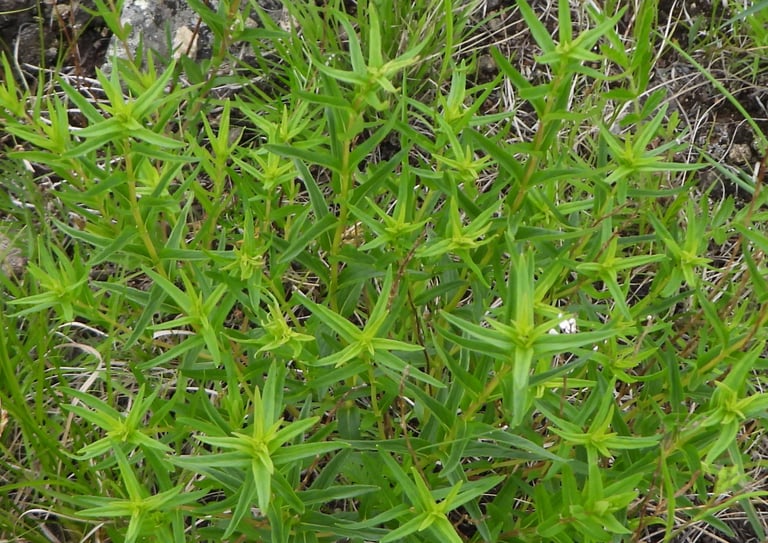
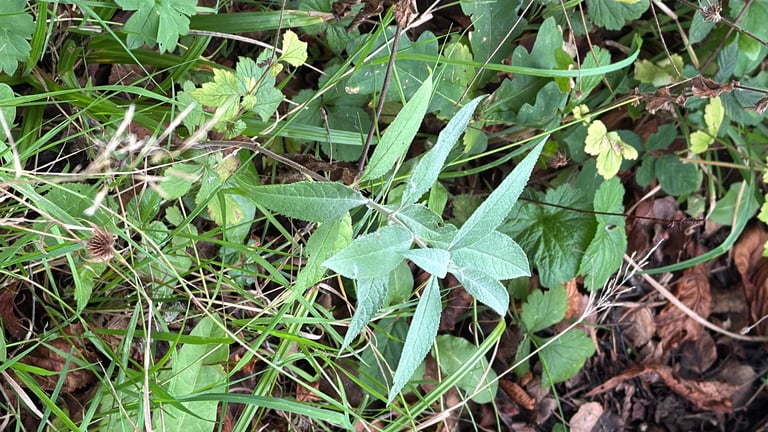
The most useful field mark is the square stem typical of the mint family, paired with almost stalkless, linearly lanceolate leaves that are slightly heart-shaped at the base and toothed along the edges. The plant grows from a horizontal tuberous runner and reaches up to 80 centimeters tall.
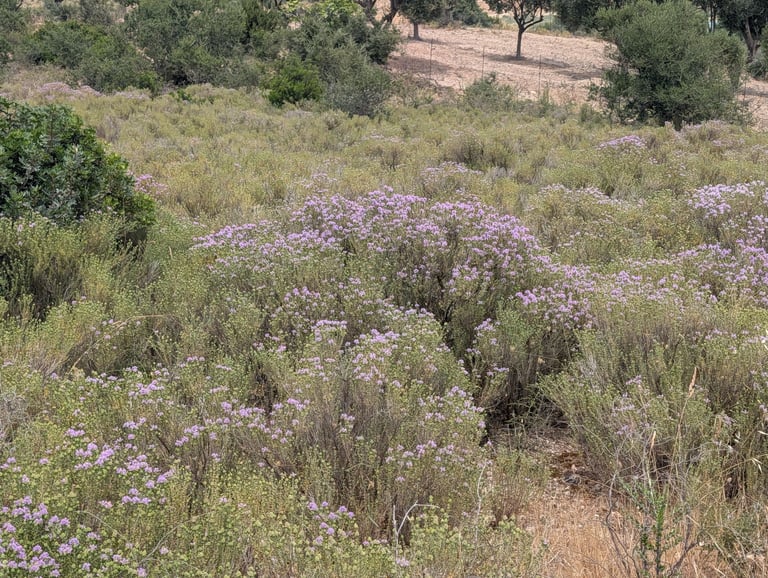
The flowers are purplish-red and arranged in terminal spikes with gaps in the lower portion, the blooms clustered in whorls. Each flower has five fused petals forming a two-lipped corolla: the upper lip gently hooded, the lower lip flat and three-lobed. The calyx bears five sharply pointed lobes, and four stamens sit inside, two long and two short.
After flowering, the plant produces a dry, four-chambered schizocarp fruit. Bumblebees are the main visitors to the flowers, drawn in despite the plant's faint fragrance.
Distribution and Habitat
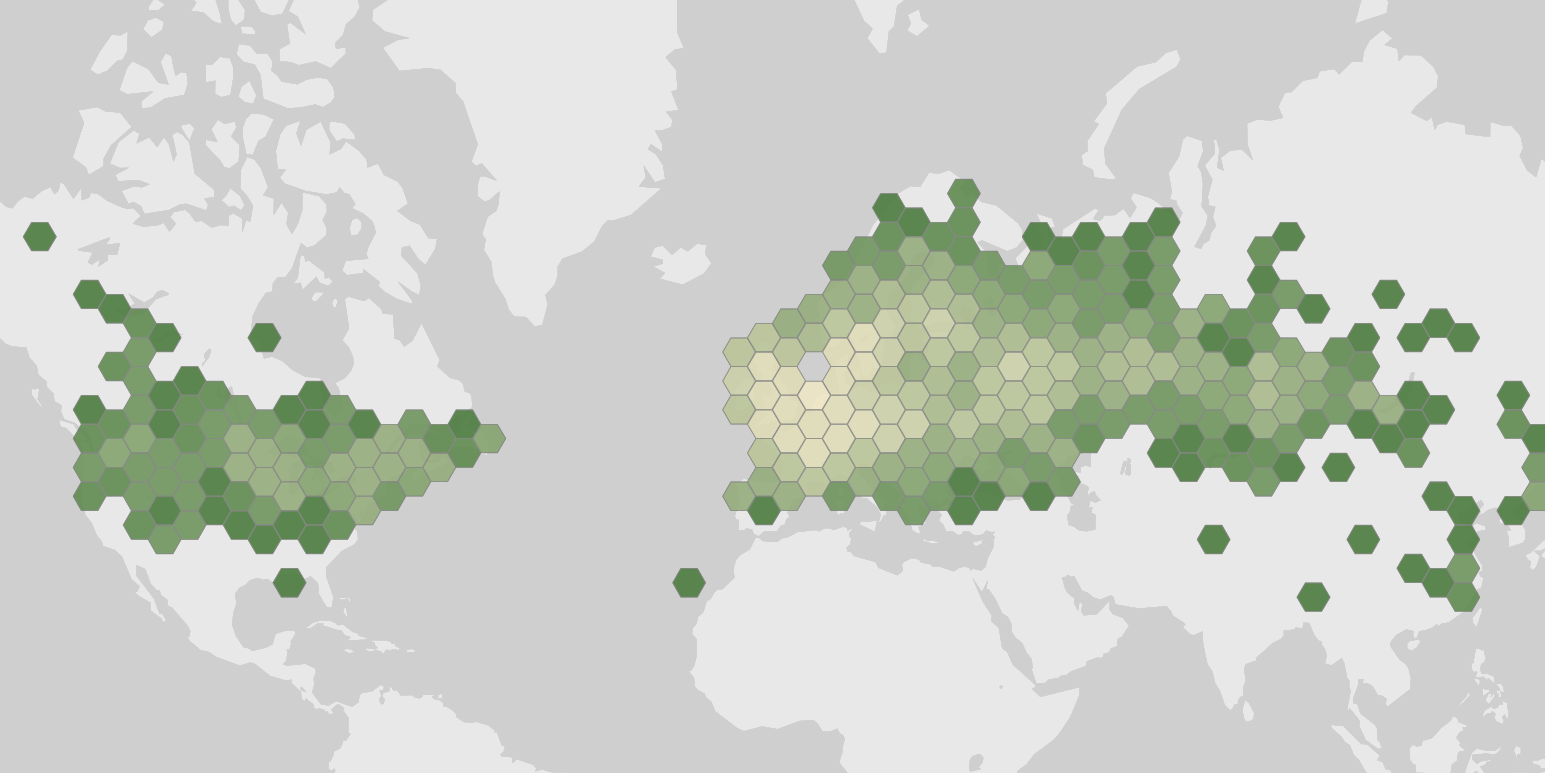
Marsh woundwort is native across a broad swath of Europe and Asia, from Britain and Iberia eastward through Central European Russia, Siberia, the Caucasus, and Kazakhstan to the West Himalaya and Mongolia. It has also been introduced well beyond this range, establishing in parts of Canada, the United States, New Zealand, and Tasmania.
Its typical habitat lies near the shores of lakes, in marshes among alder trees, along the banks of ditches and streams, in damp meadows, and in arable ground and waste places, generally at elevations up to about 500 meters. In cultivated fields, its persistent tuberous roots make it a difficult weed to eradicate.
Observation records through the year show a strong peak in the summer months, suggesting the plant is most commonly noticed and recorded while in flower during that season.
Growth and Form
Marsh woundwort is a perennial herb, persisting from year to year through a horizontal tuberous runner rather than regrowing solely from seed. It reaches a mature height of up to 80 centimeters.
Ecology and Relationships
Marsh woundwort's flowers, though nearly scentless, attract bumblebees in numbers, with Bombus pascuorum and Bombus hortorum among the most frequent visitors. Nectar guides direct the bees toward the center of each flower, positioning the anthers and pistils so that pollen transfers efficiently between blooms.
The plant disperses in two distinct ways: its dry fruit capsules float on water, which likely explains its frequent presence along lakeshores and stream banks, while its hollow tuberous roots send up new shoots at a distance from the parent plant, allowing vegetative spread even where seed dispersal fails.
A range of birds, including redpolls, skylarks, and greenfinches, along with certain weevils, have been recorded feeding on the plant, reflecting its place in the wider food web of marshes and damp grasslands.
Uses and Human Relationships
Marsh woundwort's common names across its range, including field woundwort and hedge woundwort among its relatives, point to a long tradition of use in promoting the healing of wounds. This use is reflected in the old English word "wort," applied to herbs valued for such purposes.
The plant holds broader cultural significance tied to this traditional medicinal role, a history shared with its closer relatives in the same genus.
Fun Facts
- The species epithet palustris is Latin for "of the marsh," a direct nod to its favored habitat.
- Marsh woundwort belongs to the Lamiaceae family, placing it within a long botanical tradition of aromatic, square-stemmed herbs.
Photos
Photographs from via iNaturalist, licensed under CC0 1.0., by guywallbanks via iNaturalist, licensed under CC BY 4.0., by Oleg Kosterin via iNaturalist, licensed under CC BY 4.0., by Евгений Маринкин via iNaturalist, licensed under CC BY 4.0., by Bobo-X via iNaturalist, licensed under CC BY 4.0., by Maciej Boenisch via iNaturalist, licensed under CC BY 4.0., by scallions via iNaturalist, licensed under CC BY 4.0., and by Мирослав Соболев via iNaturalist, licensed under CC BY 4.0., credited on each photo.
Ecology and classification
Growth habit
- Herb
Classification
- Phylum
- Tracheophyta
- Class
- Magnoliopsida
- Order
- Lamiales
- Family
- Lamiaceae
- Genus
- Stachys
- Species
- Stachys palustris
Sources
- GBIF Species names and classification
- iNaturalist Photos
- Wikidata Common names and conservation status
- Wikipedia Summary extract
- Encyclopedia of Life Habitat, diet and behavior traits
- Plants of the World Online Native range, life form and climate (WCVP)
- GloBI What it eats, what eats it, parasites and pollinators
- trophiCH
- DoPI
- GlobalAMFungi
- EuPPollNet