Conehead thyme packs its narrow, oil-dotted leaves with a pungent aromatic compound so distinctive that a parasitic dodder vine growing on it takes on the plant's own pungency, giving the vine a shared Arabic name with its host.
Thymbra capitata is a compact, woody perennial of the Lamiaceae family, native to Mediterranean Europe, North Africa, and Turkey. Known also as conehead thyme, Persian-hyssop, and Spanish oregano, it thrives across sunlit, rocky Mediterranean terrain. Beyond its culinary and medicinal reputation, the plant draws an unusually large and varied crowd of pollinators, making it a small but significant piece of Mediterranean ecology.
Identification and Appearance
The cone-shaped flower clusters at the branch tips are the surest way to recognize this plant, giving rise to its common name. These clusters form from overlapping, red-tinged bracts about 6 mm long, edged with tiny hairs, which enclose the pink flowers.
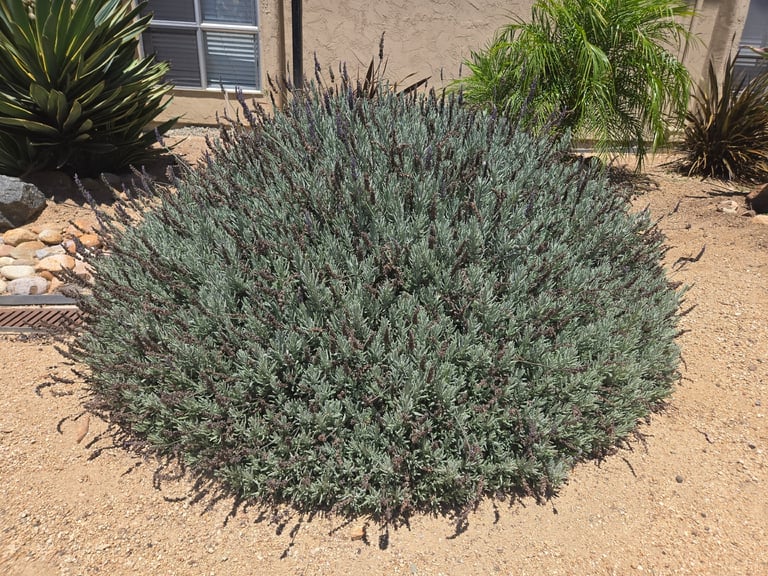
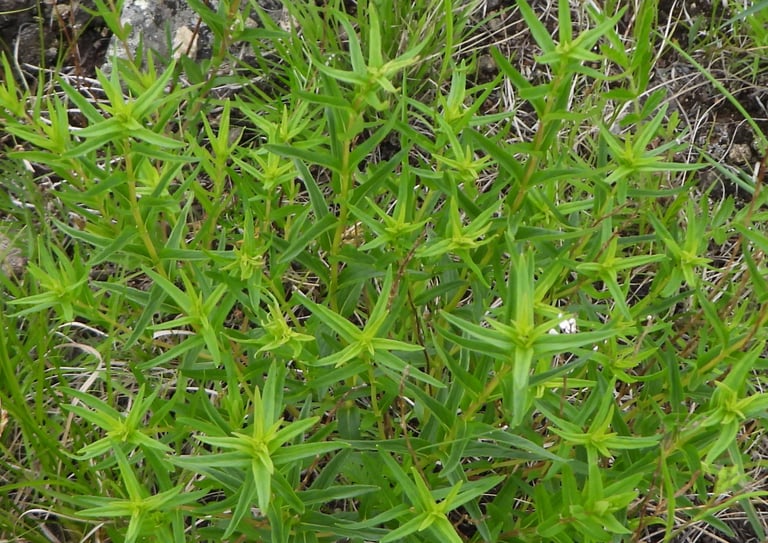
The plant grows as a low, woody subshrub with rising stems bearing narrow, fleshy, oil-gland-dotted green leaves up to 12 mm long. The pink flowers themselves reach about 10 mm in length and appear in mid to late summer, clustered densely at the stem tips rather than spaced along the branch.
In Israel, the species carries protected status, and harvesting it there is a criminal offense, a detail that underscores how recognizable and sought-after the plant has become.
Distribution and Habitat
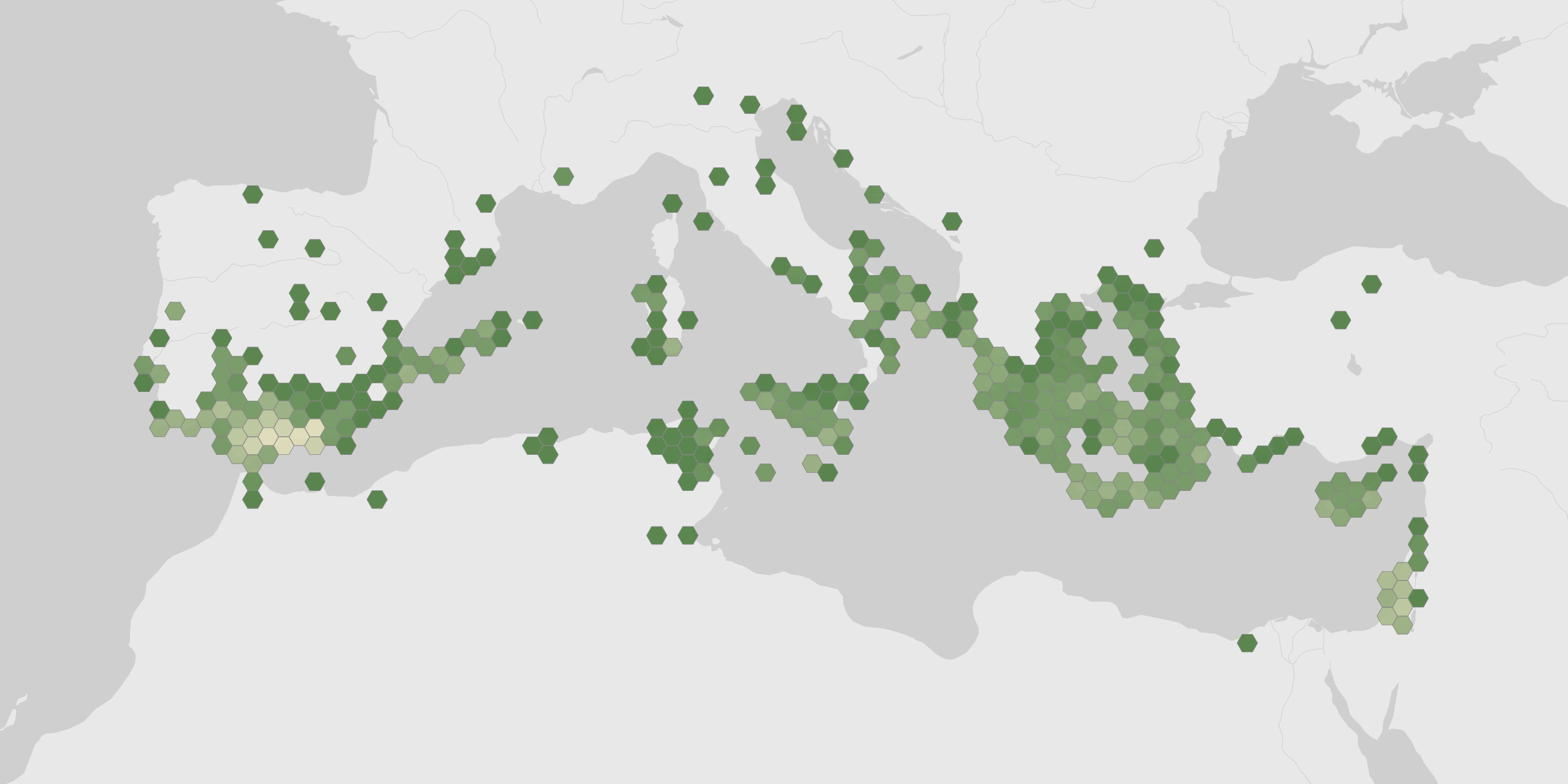
Conehead thyme occurs across a broad swath of the Mediterranean basin, with native populations recorded in Spain, Portugal, Italy, Sardinia, Sicily, Corsica, the Balearic Islands, Greece, Crete, Albania, the northwestern Balkan Peninsula, Cyprus, Turkey (including its European portion), and the eastern Aegean islands. Its range also extends along the southern Mediterranean shore, including Algeria, Tunisia, Libya, Morocco, and Egypt, as well as Lebanon-Syria and Palestine.
The species is tied to the Mediterranean's subtropical climate and characteristic shrubland habitats, where sun-baked, rocky ground suits its woody, drought-tolerant form.
Observation records peak sharply around June, suggesting the plant or its flowering stems are most conspicuous in early summer, though these counts reflect presence sightings rather than true population size or the plant's full range.
Growth and Form
Conehead thyme grows as a subshrub, a low, woody perennial that builds a compact, shrubby framework of rising stems rather than reaching tree size. Its persistent woody base supports seasonal growth of narrow, fleshy leaves adapted to hot, dry Mediterranean conditions.
Ecology and Relationships
Honeybees (Apis mellifera) visit conehead thyme's flower clusters far more often than any other recorded insect, making the plant a significant Mediterranean nectar source. Beyond honeybees, a wide range of smaller bees, including Nomioides minutissimus, Ceylalictus variegatus, and Hylaeus imparilis, along with beetles such as Anthaxia mundula and Oxythyrea cinctella, and the butterfly Maniola jurtina, regularly visit its blooms.
Wasps, flies, and true bugs round out the roster of visitors, reflecting the flower clusters' broad appeal across Mediterranean shrubland insect communities. A flower visit alone does not confirm pollination, but the sheer diversity and volume of recorded visits point to conehead thyme's importance as a nectar resource in its native habitat.
Uses and Human Relationships
Conehead thyme has a long-standing reputation in traditional food and medicine. Its leaves contain an essential oil valued for antiseptic, disinfectant, and deodorant properties, a trait rooted in the same aromatic compounds that give the plant its pungent character.
Fun Facts
- The genus name Thymbra comes from the Ancient Greek word "θύμβρα," of uncertain origin, possibly linked to "θύμον" (thymon).
- In Greek, the plant is known as Θρουμπί or Θύμβρα η κεφαλωτή.
- The species carries several common names across languages and regions, including conehead thyme, Persian-hyssop, and Spanish oregano, despite being a single species.
Photos
Photographs from via iNaturalist, licensed under CC0 1.0., by Cenaida via iNaturalist, licensed under CC BY 4.0., by Ole N. via iNaturalist, licensed under CC BY 4.0., by Filip Żuchowski via iNaturalist, licensed under CC BY 4.0., by Mario Garofano via iNaturalist, licensed under CC BY 4.0., by Duarte Frade via iNaturalist, licensed under CC BY 4.0., by Tania Walisch via iNaturalist, licensed under CC BY 4.0., by Florencia Grattarola via iNaturalist, licensed under CC BY 4.0., and by pavlaki1968 via iNaturalist, licensed under CC BY 4.0., credited on each photo.
Ecology and classification
Habitat
Growth habit
- Subshrub
Classification
- Phylum
- Tracheophyta
- Class
- Magnoliopsida
- Order
- Lamiales
- Family
- Lamiaceae
- Genus
- Thymbra
- Species
- Thymbra capitata
Sources
- GBIF Species names and classification
- iNaturalist Photos
- Wikidata Common names and conservation status
- Wikipedia Summary extract
- Plants of the World Online Native range, life form and climate (WCVP)
- GloBI What it eats, what eats it, parasites and pollinators
- EuPPollNet