A single vigorous martagon lily can carry as many as 50 nodding, turban-shaped flowers on one stem, turning an ordinary woodland clearing into something closer to a chandelier.
Lilium martagon, known as the martagon lily or Turk's cap lily, is a herbaceous perennial in the lily family, Liliaceae. Its native range is unusually wide for a European lily, stretching from Portugal in the west across the continent and into Asia as far as Mongolia.
That combination of an enormous native range and a flower shape striking enough to earn the nickname "Turk's cap" has made it a long-standing favorite of gardeners and a recognizable presence in wild woodland and meadow settings across two continents.
Identification and Appearance
The most reliable field mark is the flower itself: strongly reflexed, turban-like petals that curl back toward the stem, giving the bloom a turned-inside-out look unlike the open trumpet shape of many other lilies.
Plants grow between 1 and 2 meters tall from a stem-rooting bulb, with numerous flowers held on branching stalks above the foliage; vigorous specimens can produce up to 50 blooms. The flowers are scented and typically pink-purple with dark spots, though color varies considerably from near white to almost black.
Green stems are often flushed with purple or red, adding to the plant's variable appearance. Leaves are elliptic to inverse-lanceolate, up to 16 centimeters long, mostly arranged in whorls around the stem, and often lightly hairy on the underside.
Because both flower color and stem coloration vary so widely between individuals, no two populations of martagon lily look quite the same, even though the whorled leaves and reflexed, spotted flowers remain constant identifying features.
Distribution and Habitat
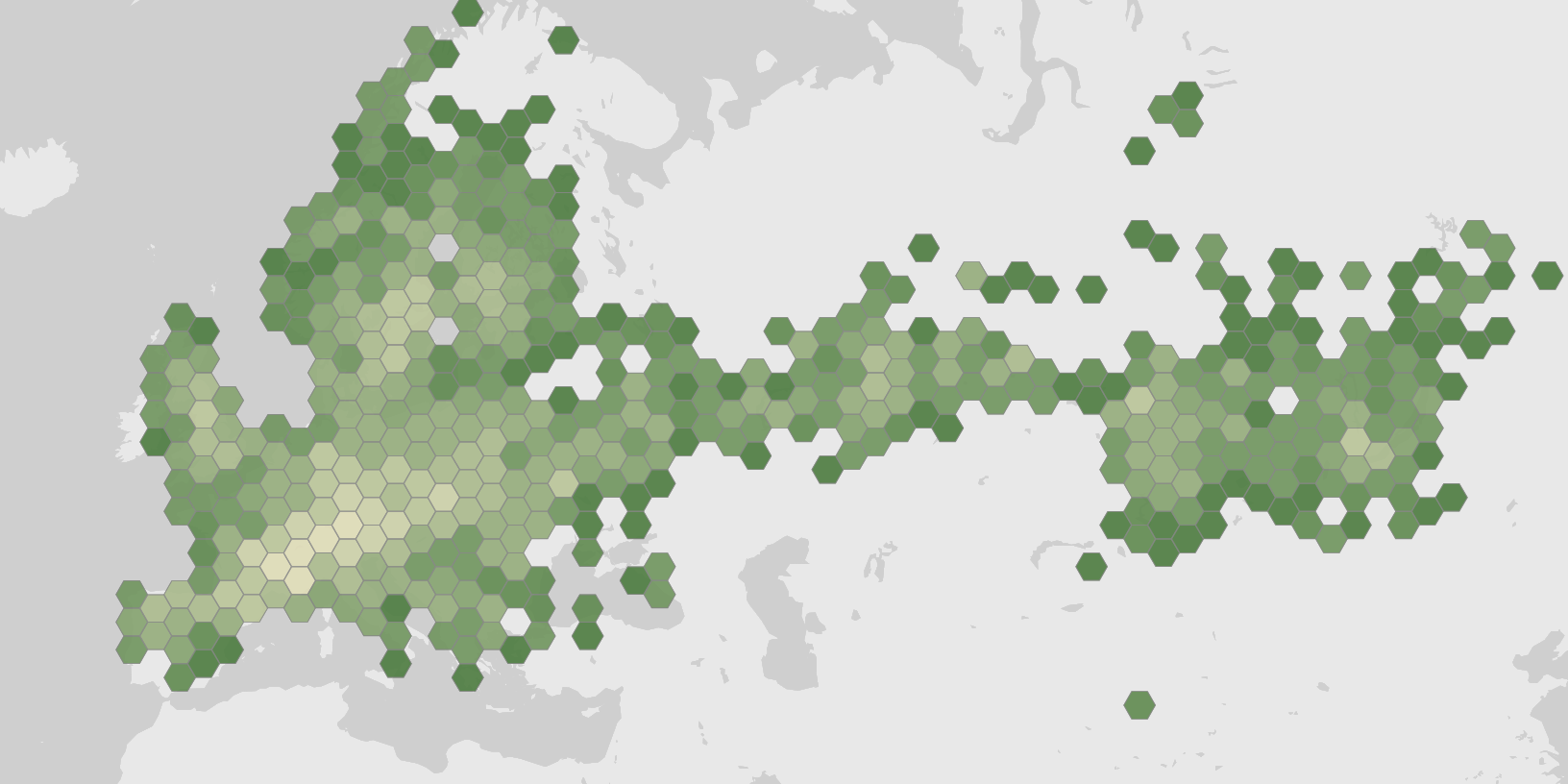
The martagon lily's native range runs from Portugal in the west, across continental Europe, and into Asia as far east as Mongolia, making it one of the more widely distributed native lilies on the Eurasian landmass.
Monthly observation data show a sharp seasonal pattern, with records climbing from a low in February and rising through spring to a strong peak in June and July, when counts reach into the tens of thousands, before falling off again by late summer and autumn. This pattern almost certainly reflects the plant's flowering season, when it becomes far more visible and identifiable to observers, rather than any change in where the species actually grows.
As with all such presence-based observation records, these counts should be read as evidence of when and where people have noticed and reported the species, not as a measure of its population size or the full extent of its range.
Uses and Human Relationships
Martagon lily holds a long-standing place in European garden tradition: it is classified in Division IX of the true lily species by horticulturists and has received the Royal Horticultural Society's Award of Garden Merit. In the late 19th century, Mrs R.O. Backhouse of Hereford, England, used it in hybridizing work with Lilium hansonii, contributing to garden lily breeding lines.
Beyond horticulture, the species carries deep cultural symbolism across Europe, where it has been associated with nobility, rebirth, and good fortune. In Greek and Roman mythology it was linked to the goddesses Hera and Juno, and was credited with initiatory and maternal associations.
Households with cats should be aware that martagon lily, like many members of the genus Lilium, is highly toxic to cats; ingestion, including of pollen groomed from fur, often leads to fatal kidney failure, and any suspected exposure requires urgent veterinary attention.
Fun Facts
- The specific epithet martagon has a disputed origin: one scholar, J.W. Redhouse, proposed in 1892 that it derives from an Ottoman Turkish word, mārtağān, referring to a special turban worn by Sultan Muhammed, though the word does not appear in modern Turkish.
- In Greek and Roman mythology, the flower was linked to the goddesses Hera and Juno and was thought to carry initiatory and maternal symbolism.
- Across Europe the martagon lily has long been associated with nobility, rebirth, and good fortune.
- The plant's horticultural classification places it in Division IX, the group reserved for true lily species rather than hybrids.
- It has been used directly in lily breeding: in the late 19th century it was crossed with Lilium hansonii by Mrs R.O. Backhouse of Hereford, England.
Photos
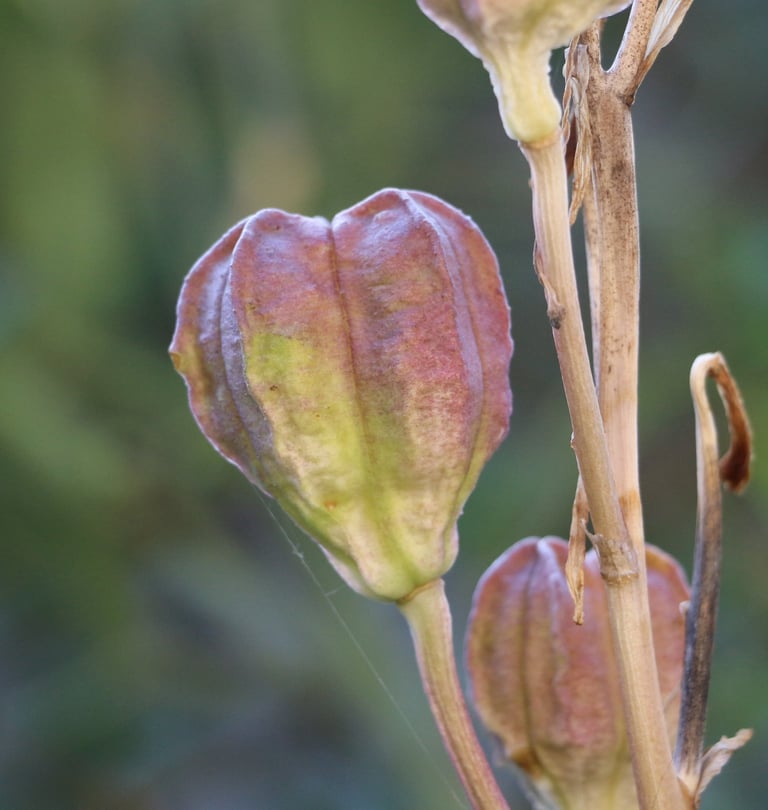
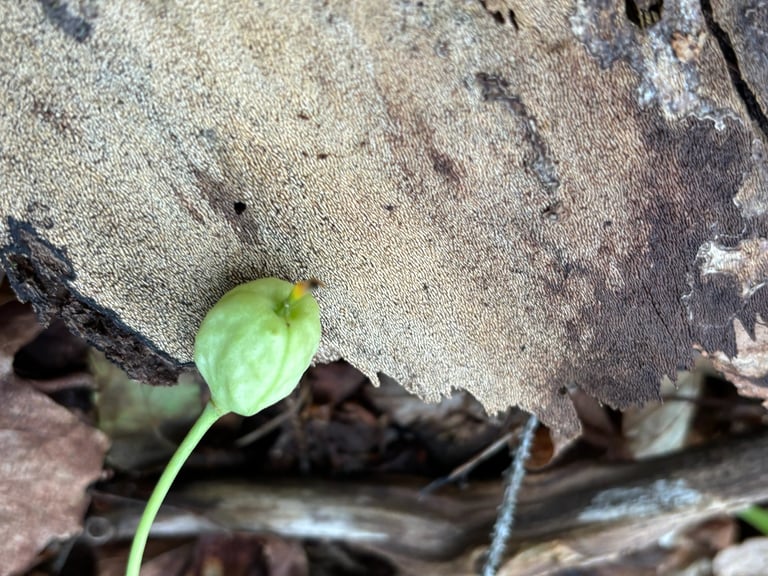
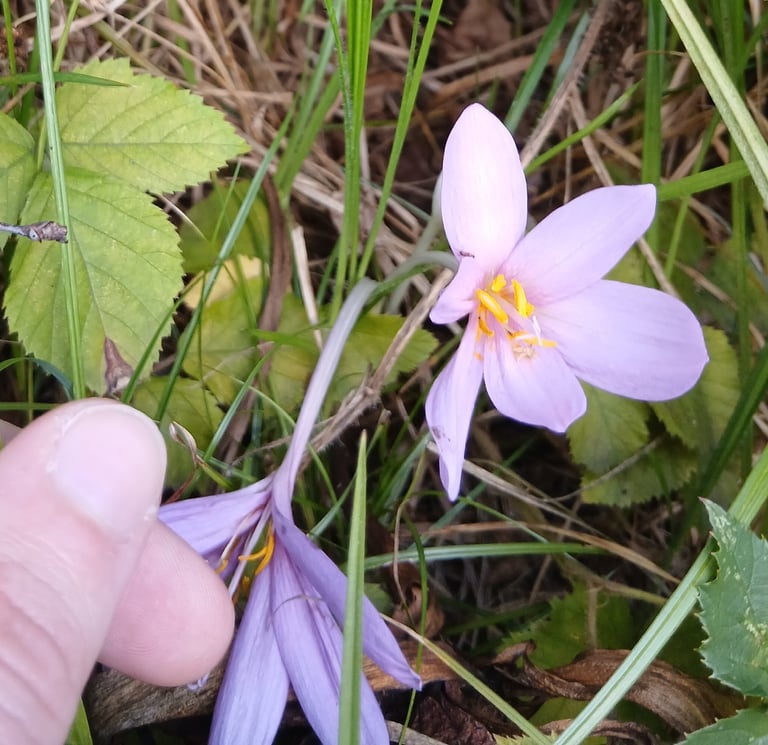
Photographs from by ivansemenkov via iNaturalist, licensed under CC BY 4.0., via iNaturalist, licensed under CC0 1.0., by Bobo-X via iNaturalist, licensed under CC BY 4.0., by Bartosz Czołczyński via iNaturalist, licensed under CC BY 4.0., by Евгений Маринкин via iNaturalist, licensed under CC BY 4.0., by Denys Vynokurov via iNaturalist, licensed under CC BY 4.0., by Ondřej Křivan via iNaturalist, licensed under CC BY 4.0., and by Анна Митрошенкова via iNaturalist, licensed under CC BY 4.0., credited on each photo.
Ecology and classification
Growth habit
- Herb
Classification
- Phylum
- Tracheophyta
- Class
- Liliopsida
- Order
- Liliales
- Family
- Liliaceae
- Genus
- Lilium
- Species
- Lilium martagon
Sources
- GBIF Species names and classification
- iNaturalist Photos
- Wikidata Common names and conservation status
- Wikipedia Summary extract