Nearly every tulip sold today traces its ancestry back to a single species: Tulipa gesneriana, the garden tulip or Didier's tulip. Its large, showy blooms made it the template from which countless modern cultivars were bred, so a plant most people picture as a garden staple is in fact the wild root of an entire horticultural industry.
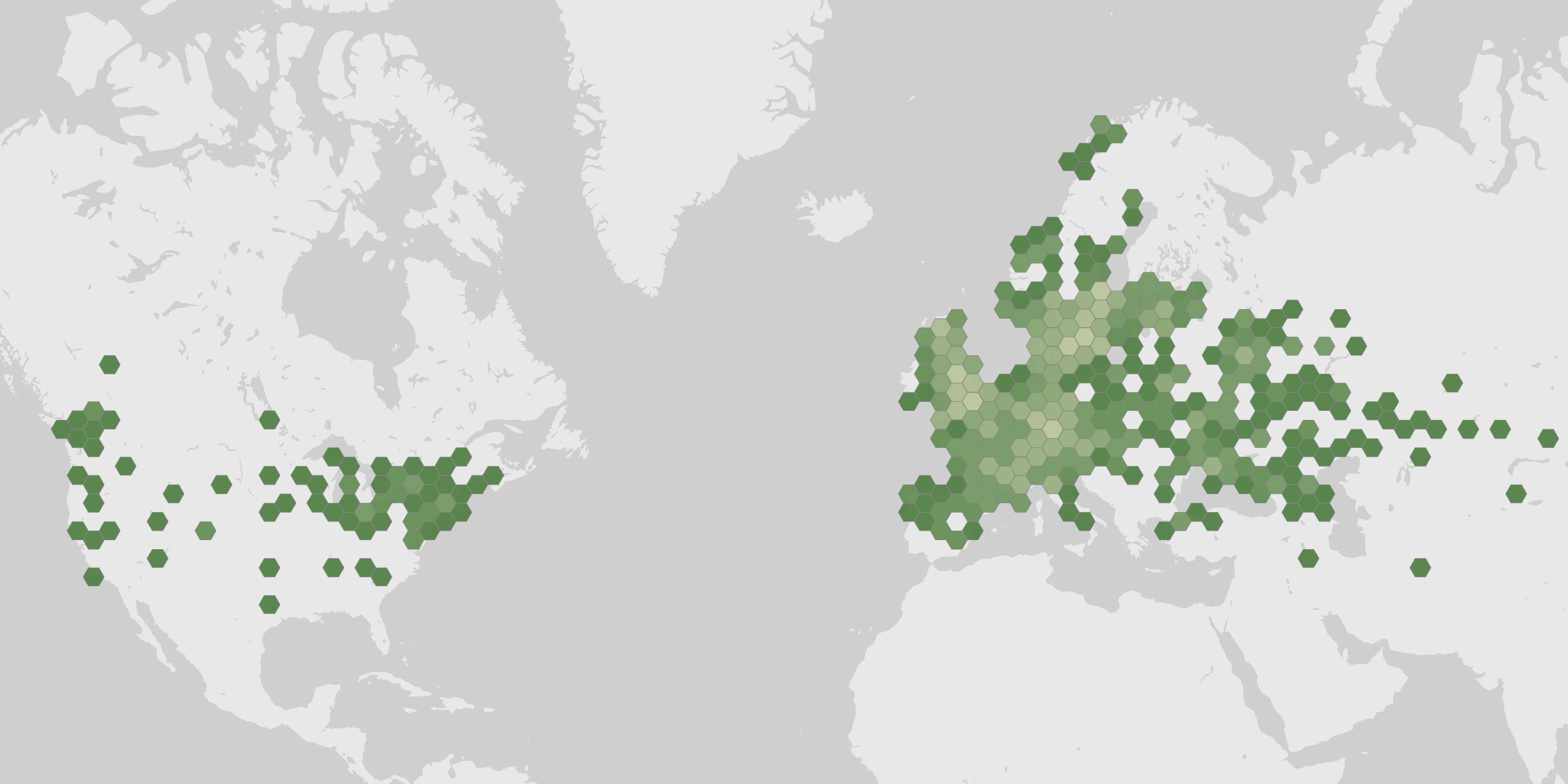
This bulbous herb belongs to the lily family and is native to parts of Eurasia, but centuries of cultivation have carried it well beyond its original range. It now grows wild in parts of central and southern Europe and in scattered locations across North America, having escaped gardens to naturalize on its own terms. Beyond its ornamental fame, the plant's tall stature, late bloom time, and single, striking flower per stem make it easy to appreciate even outside a formal garden bed.
Identification and Appearance
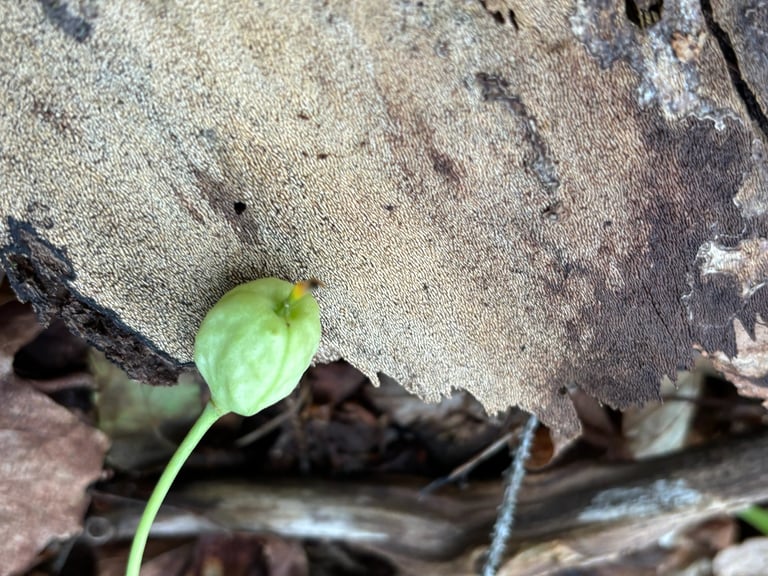
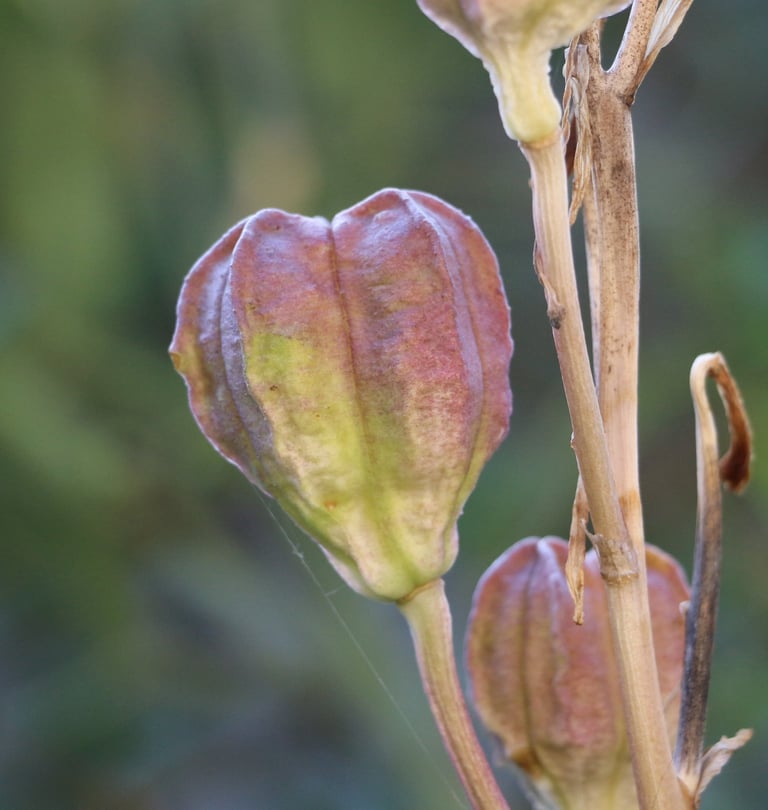
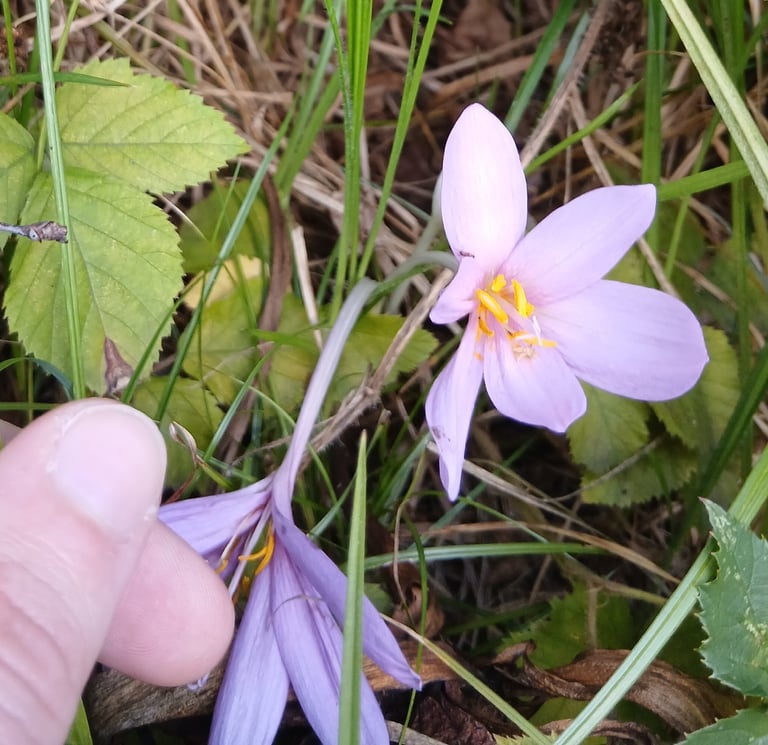
The single most useful field mark is the flower itself: an erect, broadly campanulate (bell-shaped) bloom borne alone at the top of each stem, with six stamens and three carpels inside smooth, obtuse tepals that come to a rounded rather than pointed tip. This solitary-flower habit, combined with the plant's height and late blooming period, distinguishes it from many earlier-flowering tulip relatives.
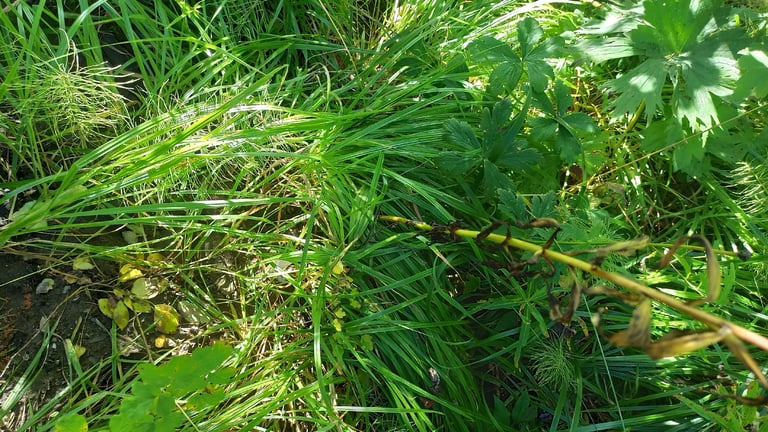
The leaves are ovate-lanceolate to broadly lanceolate or linear, arranged around the stem below the flower, and the plant grows from a bulb that produces offsets laterally — a trait that lets a single bulb give rise to a small cluster of new plants over time.
Because Tulipa gesneriana is the parent of most cultivated tulip varieties, individual garden specimens can vary enormously in petal color, size, and form; the wild-type description above reflects the species' baseline traits rather than the full range seen in cultivars.
Distribution and Habitat
Tulipa gesneriana has become naturalized in parts of central and southern Europe, alongside scattered populations in North America, well outside whatever native range it originally held before centuries of cultivation. Presence records compiled from observation data show a sharp seasonal pattern rather than an even year-round spread.
Observations climb steeply from a low base in January and February, jump dramatically in March, and peak in April before tapering through May and collapsing by midsummer. This pattern almost certainly reflects the plant's spring blooming period, when flowering stems are conspicuous and easiest for people to notice and record, rather than a true measure of population size or abundance.
By June and through the rest of the year, recorded observations drop to a small fraction of the spring peak, consistent with the plant's foliage dying back and the bulb entering dormancy underground until the following spring.
Ecology and Relationships
The flowers of Tulipa gesneriana are pollinated by Halictus bees, a genus of sweat bees that visit the blooms for nectar and pollen. This relationship ties the plant's reproductive success to the seasonal activity of these small native pollinators.
Beyond this documented pollinator link, the species' broader ecological interactions are not well detailed, but its reliance on bee visitation places it within the wider community of spring-flowering plants that depend on early-season insect activity.
Uses and Human Relationships
People have cultivated Tulipa gesneriana for its large, showy flowers, and the species stands as the source of most cultivated tulip varieties grown around the world today. Its sweet-scented, bisexual flowers open during April and May, a bloom window shaped by the bulb's need for a period of low temperature before flowering — the bulbs themselves tolerate hard frost and temperatures well below freezing.
The flower carries deep cultural symbolism as well. In the Victorian language of flowers, which drew on Near and Far Eastern mythology, the red tulip became a symbol of perfect and irresistible love, though not necessarily of an erotic kind.
Tulips reached a famous cultural peak in the 17th century, when the Dutch tulip mania sent bulb prices soaring to extraordinary levels — a well-documented episode in economic history. Today the species and its descendants are used mainly in landscaping, floral arrangements, and spring festivals worldwide, where they symbolize renewal and hope.
Fun Facts
- Most cultivated tulip varieties grown today are descended from Tulipa gesneriana, making it the horticultural ancestor of the modern tulip trade.
- The species is sometimes labeled Tulipa × gesneriana because its garden lineage is a complex hybrid rather than a single clean wild species.
- Tulip bulbs need a period of cold before they will flower properly, a chilling requirement tied to increased sensitivity to the plant hormone auxin.
- In the 17th century, Dutch tulip mania drove bulb prices to astronomical levels, one of history's best-known speculative bubbles.
- In Victorian flower symbolism borrowed from Near and Far Eastern mythology, red tulips represented perfect and irresistible love.
Photos
Photographs from via iNaturalist, licensed under CC0 1.0., by Philip K. via iNaturalist, licensed under CC BY 4.0., by Bob via iNaturalist, licensed under CC BY 4.0., by Jose Gutierrez Higa via iNaturalist, licensed under CC BY 4.0., by Kaden Slone via iNaturalist, licensed under CC BY 4.0., by Christian Back via iNaturalist, licensed under CC BY 4.0., by Lisa Swan via iNaturalist, licensed under CC BY 4.0., by H. v.d. B. via iNaturalist, licensed under CC BY 4.0., by John Q via iNaturalist, licensed under CC BY 4.0., by Tatyana Davidova via iNaturalist, licensed under CC BY 4.0., by J Castillo via iNaturalist, licensed under CC BY 4.0., and by Sergey Basalaev via iNaturalist, licensed under CC BY 4.0., credited on each photo.
Ecology and classification
Growth habit
- Herb
Classification
- Phylum
- Tracheophyta
- Class
- Liliopsida
- Order
- Liliales
- Family
- Liliaceae
- Genus
- Tulipa
- Species
- Tulipa gesneriana
Sources
- GBIF Species names and classification
- iNaturalist Photos
- Wikidata Common names and conservation status
- Wikipedia Summary extract