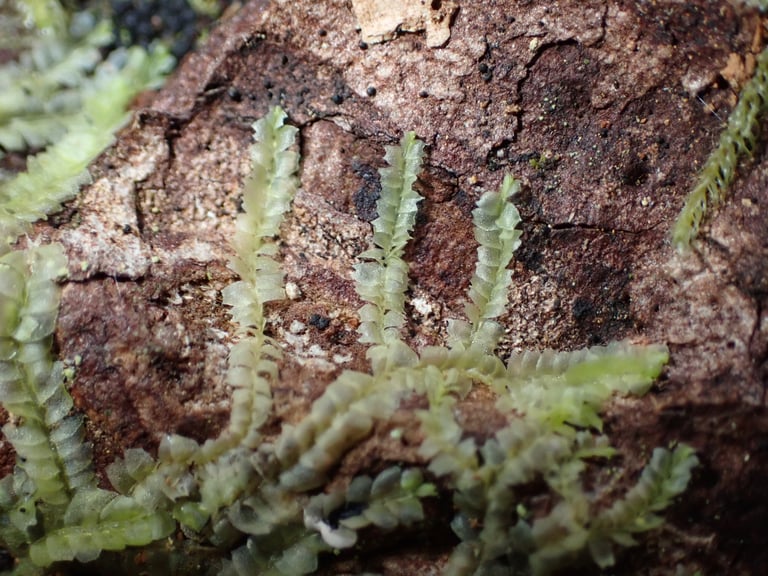
Lophocolea bidentata is a liverwort, a small green plant that belongs to the family Lophocoleaceae. It is classified in the class Jungermanniopsida, within the phylum Marchantiophyta, which groups the liverworts.
Like all liverworts, it is a nonvascular plant. It has no true roots, stems or leaves, and it lacks the internal water-conducting tissue found in ferns and flowering plants.
The species is a member of the order Jungermanniales, a large group of leafy liverworts. Its classification places it among the plants that first colonized land.
Distribution and Habitat
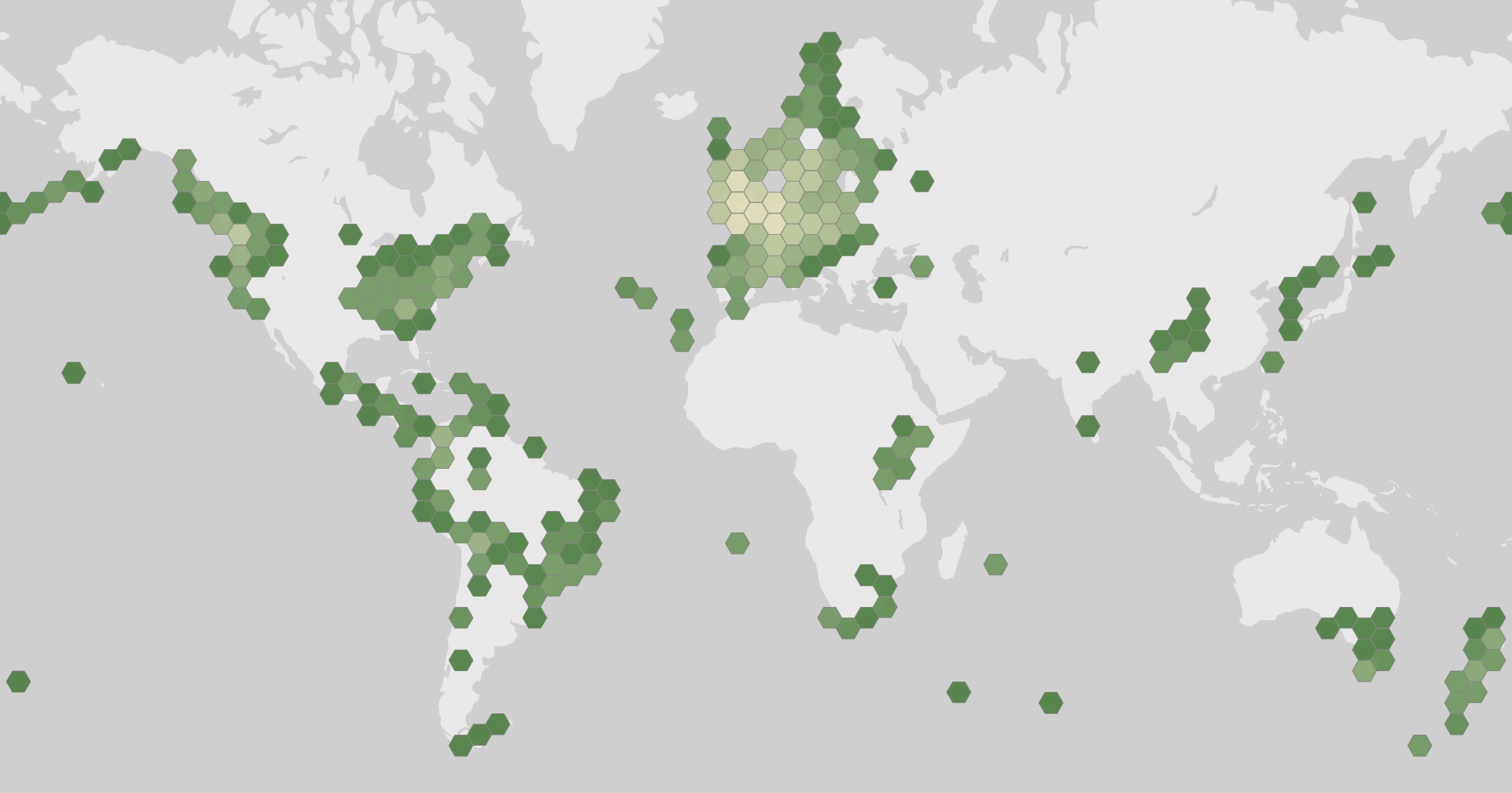
Lophocolea bidentata has a broad presence in the observation records held by GBIF, a global biodiversity database. Observations are spread across every month of the year, with the highest counts falling from late spring through early autumn.
The most frequent months of observation are July and August, followed closely by May, June and September. Counts drop in late autumn and are lowest in December.
These records show where the species has been seen and when, but they do not measure how many plants exist. Its habitat details are not described in the available context.
Growth and Form
Lophocolea bidentata is a nonvascular plant, so it grows without the vascular tissue that supports tall growth in other plants. Its body stays small and low to the ground.
As a liverwort, it spreads and persists through the moist conditions that its nonvascular structure requires.
Photos
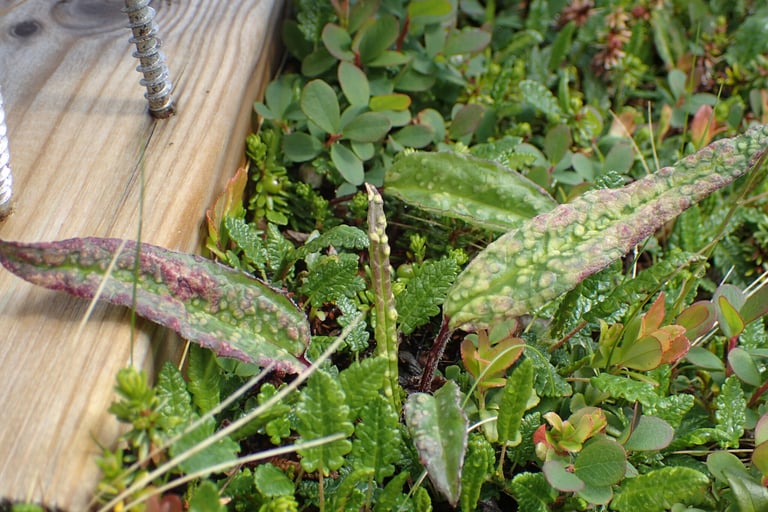
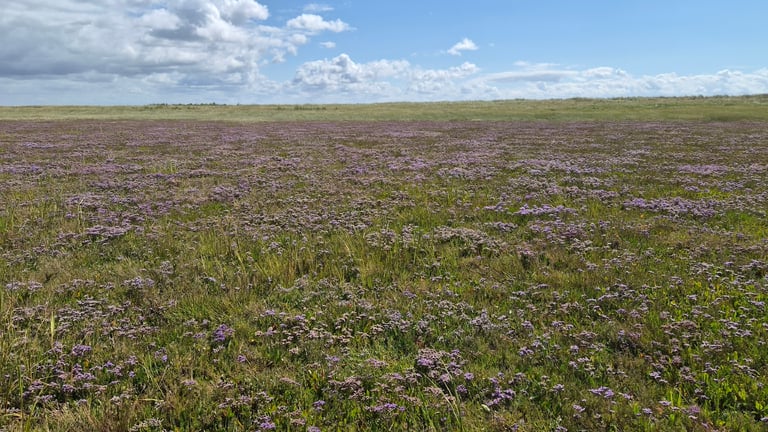
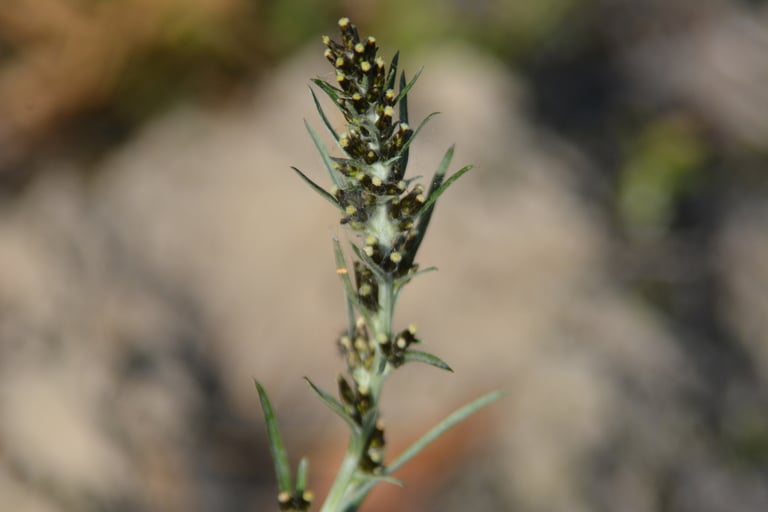
Photographs from via iNaturalist, licensed under CC0 1.0., by Daniel Buczkiewicz via iNaturalist, licensed under CC BY 4.0., and by considerthelilies via iNaturalist, licensed under CC BY 4.0., credited on each photo.
Ecology and classification
Classification
- Phylum
- Marchantiophyta
- Class
- Jungermanniopsida
- Order
- Jungermanniales
- Family
- Lophocoleaceae
- Genus
- Lophocolea
- Species
- Lophocolea bidentata
Sources
- GBIF Species names and classification
- iNaturalist Photos
- Wikidata Common names and conservation status
- Wikipedia Summary extract
- USDA Plants US plants: growth habit and growing conditions