Rare among puffballs, Lycoperdon mammiforme grows only in deciduous forest on chalk soil across Europe, making it a notable find for foragers of fungi even though it is inedible.
It belongs to the genus Lycoperdon within the family Lycoperdaceae, part of the order Agaricales in the phylum Basidiomycota. The species is best known by its scientific name, though it has also carried older common names tied to its distinctive shape.
Its scarcity and its striking transformation from pure white to chocolate-brown as it ages make it a distinctive subject for anyone studying European puffballs.
Fruiting Body and Identification
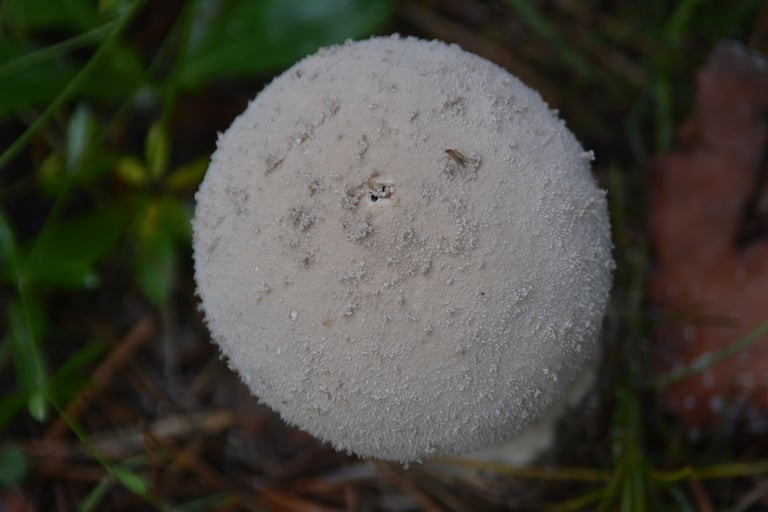
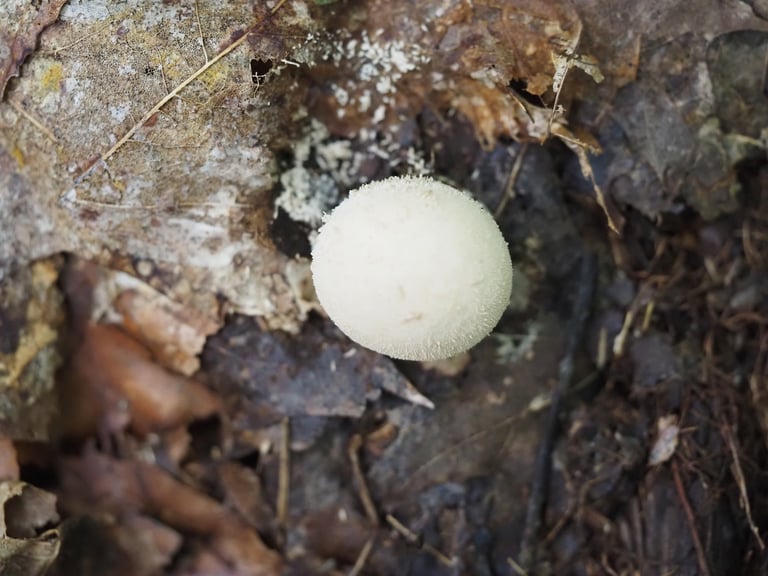
The fruiting body of Lycoperdon mammiforme is spherical to pear-shaped and grows up to 7 cm (2.8 in) in diameter, making size and shape useful starting points for identification.
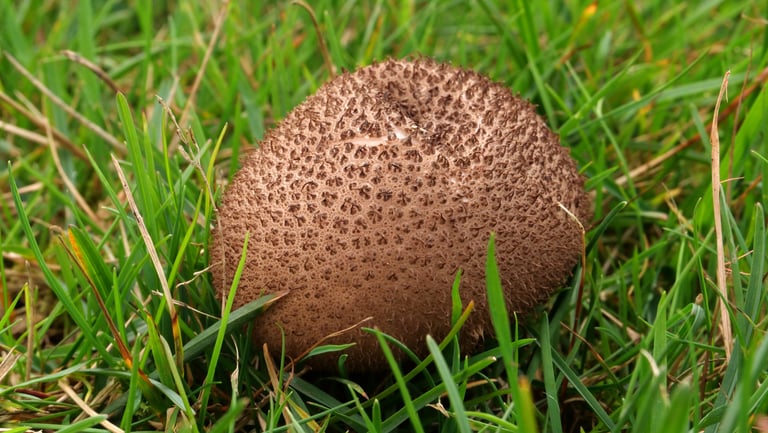
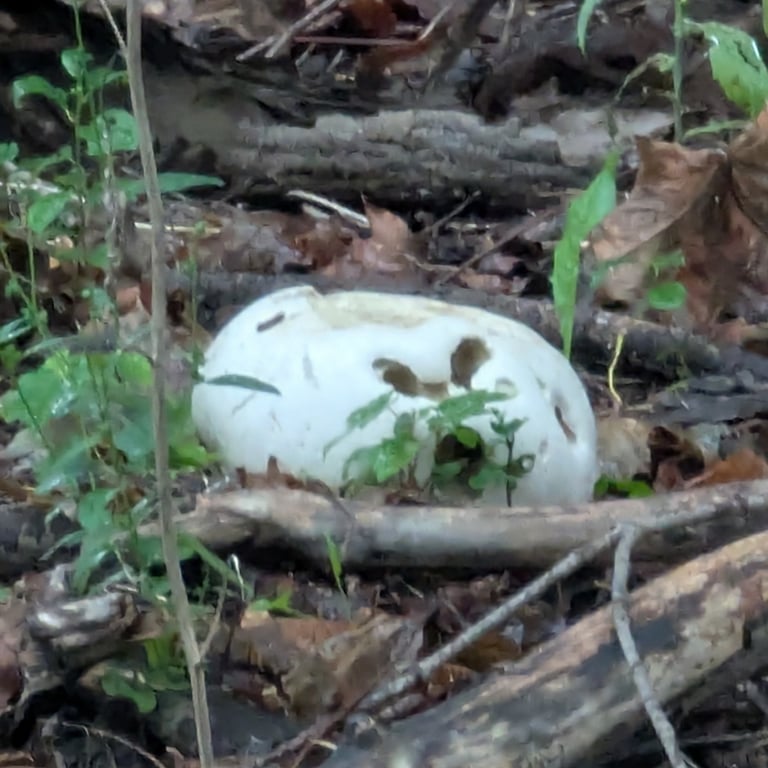
When young, the fruit body is pure white with a slightly grainy inner skin. The outer skin disintegrates into flakes that are shed as the mushroom matures, exposing the surface beneath. This flaking pattern, combined with the pear-like form, is one of the species' most recognizable traits.
As the puffball ages, its coloring shifts dramatically: from white, it turns ochre, and eventually becomes chocolate-brown when fully mature. This color progression tracks the internal development of the spore mass as the fruiting body matures and prepares to release spores.
Distribution and Habitat
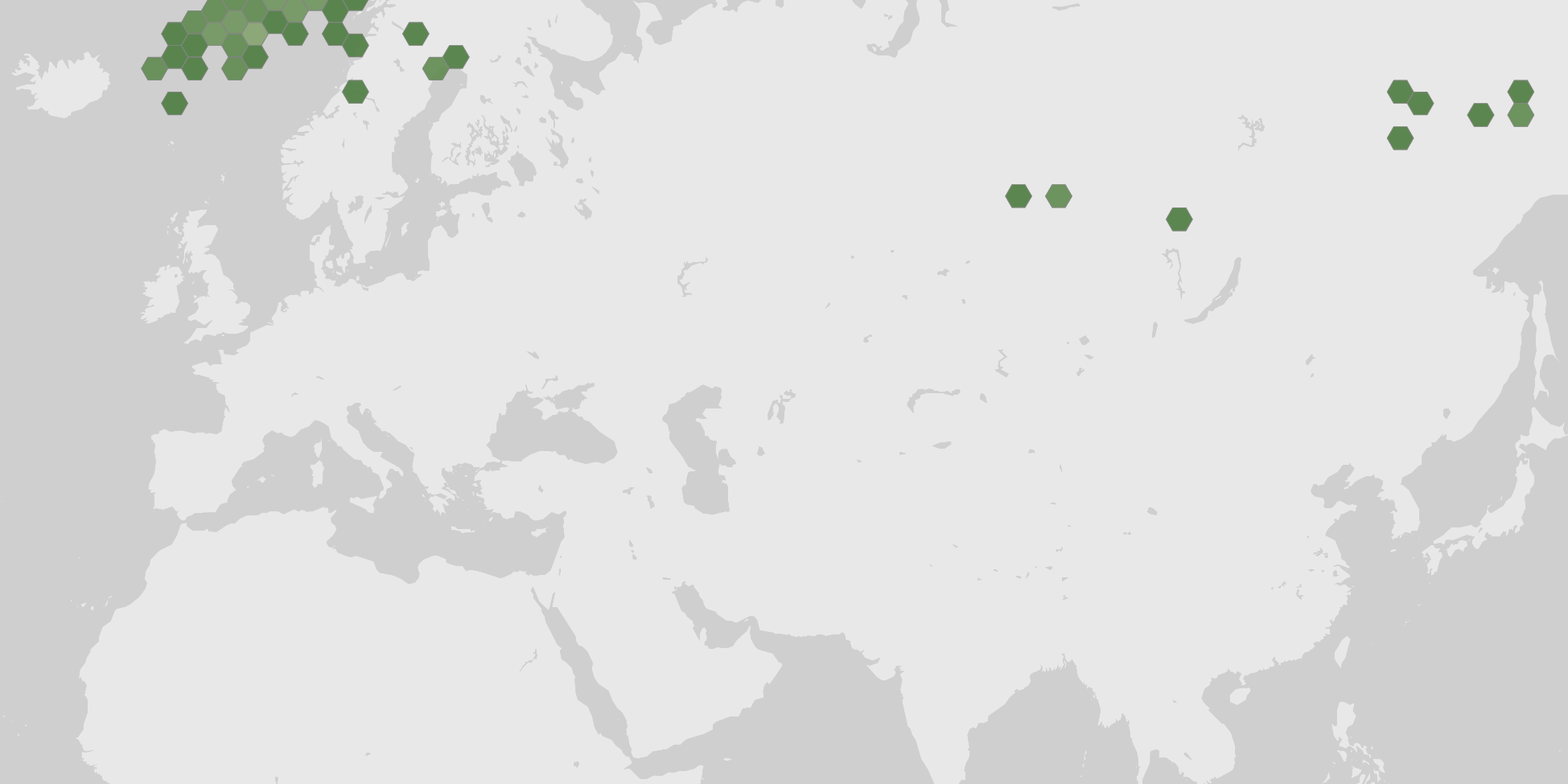
Lycoperdon mammiforme is found across Europe, where it grows in deciduous forest specifically on chalk soil. This substrate preference ties the species to areas with calcium-rich ground beneath broadleaf woodland cover.
Observation records show a pronounced seasonal pattern, with sightings rising sharply through the summer months and peaking heavily in late summer before tapering off through autumn and into winter. This pattern suggests the species fruits mainly in the warmer months, though these records reflect presence rather than actual abundance or a complete picture of its range.
Uses and Cultural History
Lycoperdon mammiforme does not appear prominently in cultural folklore or ethnomycological literature. Unlike mushrooms such as Fly Agaric or Reishi, it lacks a background in religious, spiritual, or traditional medicinal use.
Fun Facts
- The specific epithet mammiforme means 'shaped like a breast,' which is why the species was formerly known by the common name Venus Puffball.
- The genus name Lycoperdon translates to 'wolf's flatulence,' an odd etymological choice that raises the question of who got close enough to a wolf to draw such a comparison.
Photos
Photographs from by Daniel Franco via iNaturalist, licensed under CC BY 4.0., by Patrick Bayan via iNaturalist, licensed under CC BY 4.0., by Samuele Papeschi via iNaturalist, licensed under CC BY 4.0., by Татьяна Максимова via iNaturalist, licensed under CC BY 4.0., by Karelj via Wikimedia Commons, licensed under Public Domain., by This image was created by user Irene Andersson (irenea) at Mushroom Observer, a source for mycological images. You can contact this user here. via Wikimedia Commons, licensed under CC BY-SA 4.0., by This image was created by user Gerhard Koller (Gerhard) at Mushroom Observer, a source for mycological images. You can contact this user here. via Wikimedia Commons, licensed under CC BY-SA 4.0., by This image was created by user gillow2e at Mushroom Observer, a source for mycological images. You can contact this user here. via Wikimedia Commons, licensed under CC BY-SA 4.0., by Svencapoeira via Wikimedia Commons, licensed under CC BY-SA 4.0., and by Fornax via Wikimedia Commons, licensed under CC BY-SA 4.0., credited on each photo.
Ecology and classification
Habitat
Classification
- Phylum
- Basidiomycota
- Class
- Agaricomycetes
- Order
- Agaricales
- Family
- Lycoperdaceae
- Genus
- Lycoperdon
- Species
- Lycoperdon mammiforme
Sources
- GBIF Species names and classification
- iNaturalist Photos
- Wikidata Common names and conservation status
- Wikipedia Summary extract
- Wikimedia Commons Photos