The dusky puffball, Lycoperdon nigrescens, has carried two scientific identities: it was first described in 1794 by the Swedish naturalist Göran Wahlenberg, and it is also known under the synonym Lycoperdon foetidum.
It belongs to the genus Lycoperdon, in the family Lycoperdaceae, order Agaricales, class Agaricomycetes, within the kingdom Fungi. Puffballs of this genus produce rounded fruiting bodies that release their spores as a fine dust rather than through gills, a strategy that sets them apart from the classic cap-and-stem mushrooms most people picture when they think of fungi.
Beyond its naming history, the dusky puffball is worth knowing simply as a representative of one of fungi's more unusual body plans: a sealed spore case that waits, then bursts.
Fruiting Body and Identification
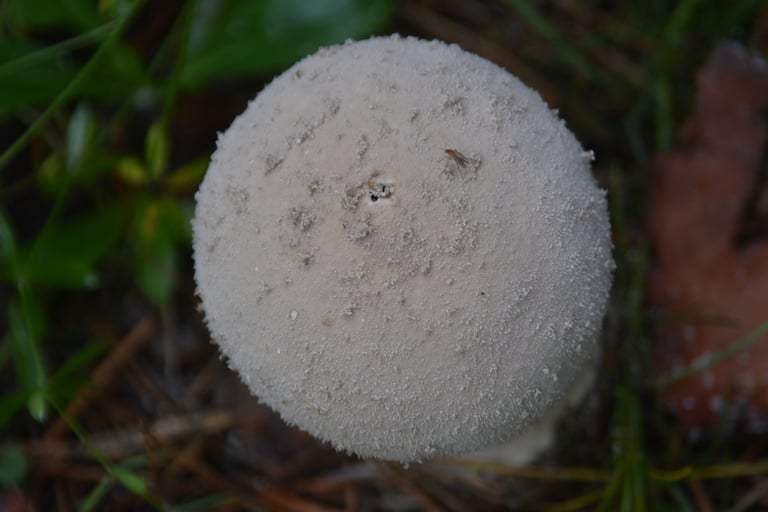
The most telling clue to this species' identity is built into its common name: the dusky puffball develops a dark, roughened surface as it matures, a trait reflected in its historical synonym Lycoperdon foetidum.
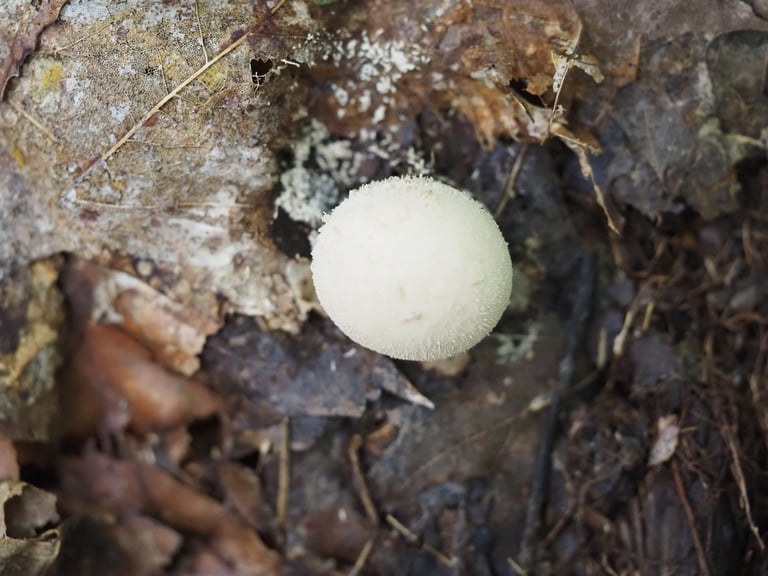
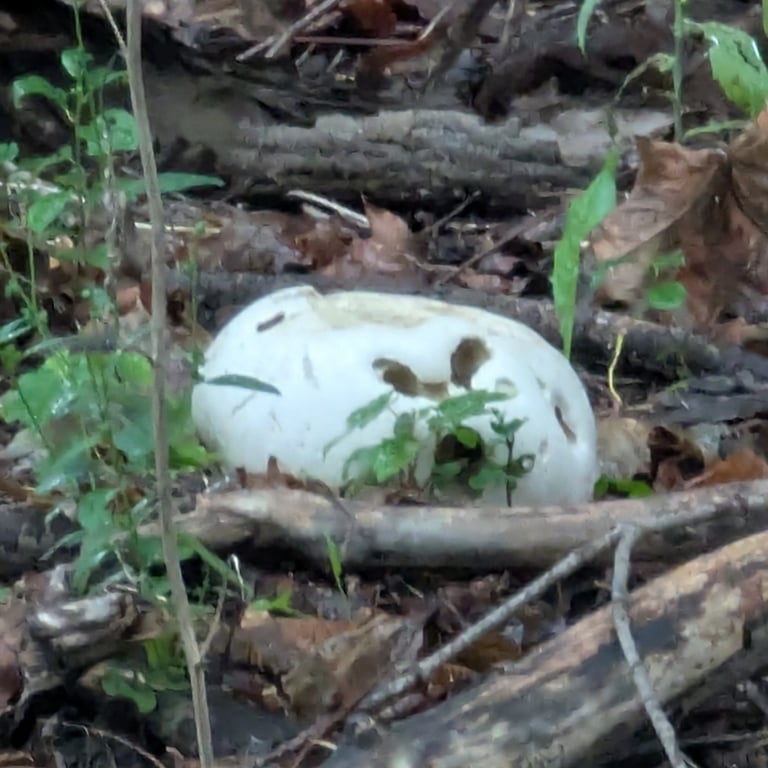
As a member of the genus Lycoperdon, it produces a rounded fruiting body without a differentiated cap, gills, or true stem. Spores form inside the ball-shaped structure and are released through an opening that develops in the outer skin as the fungus ages, rather than being shed from gill surfaces the way agaric mushrooms disperse them.
Distribution and Habitat
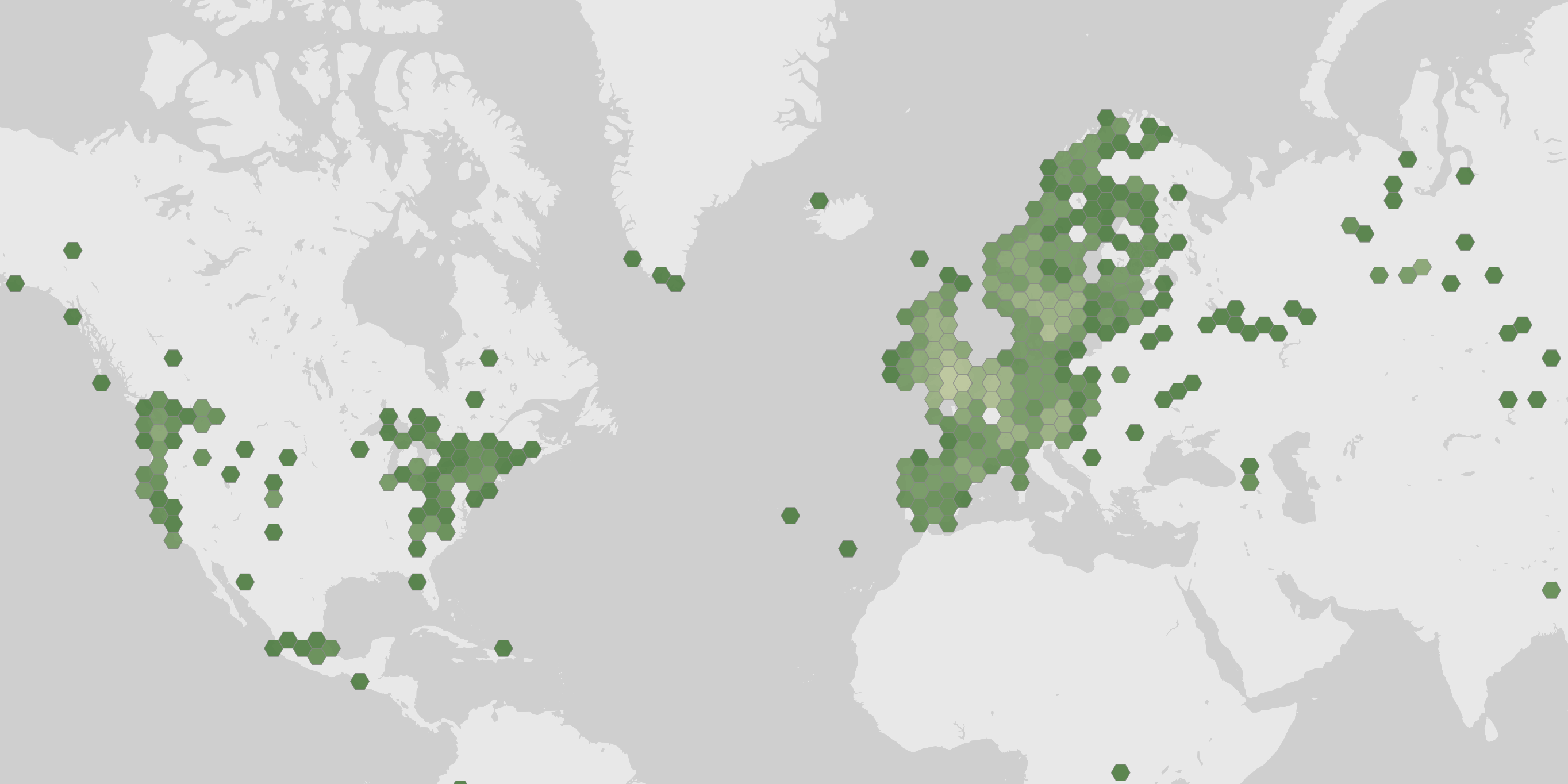
Observation records for the dusky puffball show a strongly seasonal pattern, with sightings climbing through summer and peaking sharply in autumn. Reported observations rise from a few dozen in the winter and spring months to hundreds in July, then surge into the thousands during August, September, and October, before falling off again by November and December.
This pattern points to autumn as the main period when the species' fruiting bodies are visible and being recorded, consistent with the fruiting season typical of many puffball species. However, these figures come from GBIF occurrence data, which record presence only. They do not measure abundance, population size, or the full extent of the species' native range, so the pattern should be read as a seasonal visibility trend rather than a complete picture of where or how commonly the fungus grows.
Uses and Cultural History
The dusky puffball belongs to a genus with a documented place in traditional healing practices. In some Native American cultures, mushrooms were regarded as powerful medicine or as spiritual tools, and certain tribes specifically used puffball mushrooms of the genus Lycoperdon in healing rituals.
This use situates the dusky puffball within a broader cultural pattern in which puffballs were valued for purposes beyond food, tied to ritual and medicinal practice rather than documented culinary tradition.
Fun Facts
- The dusky puffball was first scientifically described in 1794 by the Swedish naturalist Göran Wahlenberg.
- It carries a second scientific name, Lycoperdon foetidum, treated as a synonym of Lycoperdon nigrescens.
- Puffballs in the genus Lycoperdon, including this species, were used by some Native American tribes in healing rituals, reflecting a view of mushrooms as spiritual as well as medicinal objects.