Ophiostoma novo-ulmi is one of the key causative agents of Dutch Elm Disease (DED), a condition that has devastated elm populations across Europe and North America. It shares this role with two related fungi, Ophiostoma ulmi and Ophiostoma himal-ulmi.
This fungus belongs to the family Ceratocystidaceae, within the order Microascales and the class Sordariomycetes, in the kingdom Fungi. It became notorious after emerging in the late 1940s as a more aggressive successor to earlier elm pathogens, driving widespread and continuing losses of elm trees.
Understanding this fungus matters because of the scale of tree loss it has caused and its continuing impact on elm populations wherever it spreads.
Fruiting Body and Identification
Ophiostoma novo-ulmi is not identified by a conventional mushroom-like fruiting body in the way many fungi are, since it lives mostly as a microscopic presence within the wood and vascular tissue of its host tree.
Its most reliable sign of identification comes from the effect it has on infected elm wood rather than from a visible cap, gill, or stem structure. The fungus produces spores that travel through the water-conducting vessels of the tree, and staining or discoloration in the sapwood is often the clue that points toward its presence.
Because its identifying features are tied to microscopic spore structures and its interaction with elm tissue, confirming Ophiostoma novo-ulmi typically depends on laboratory examination rather than what can be seen with the naked eye in the field.
Distribution and Habitat
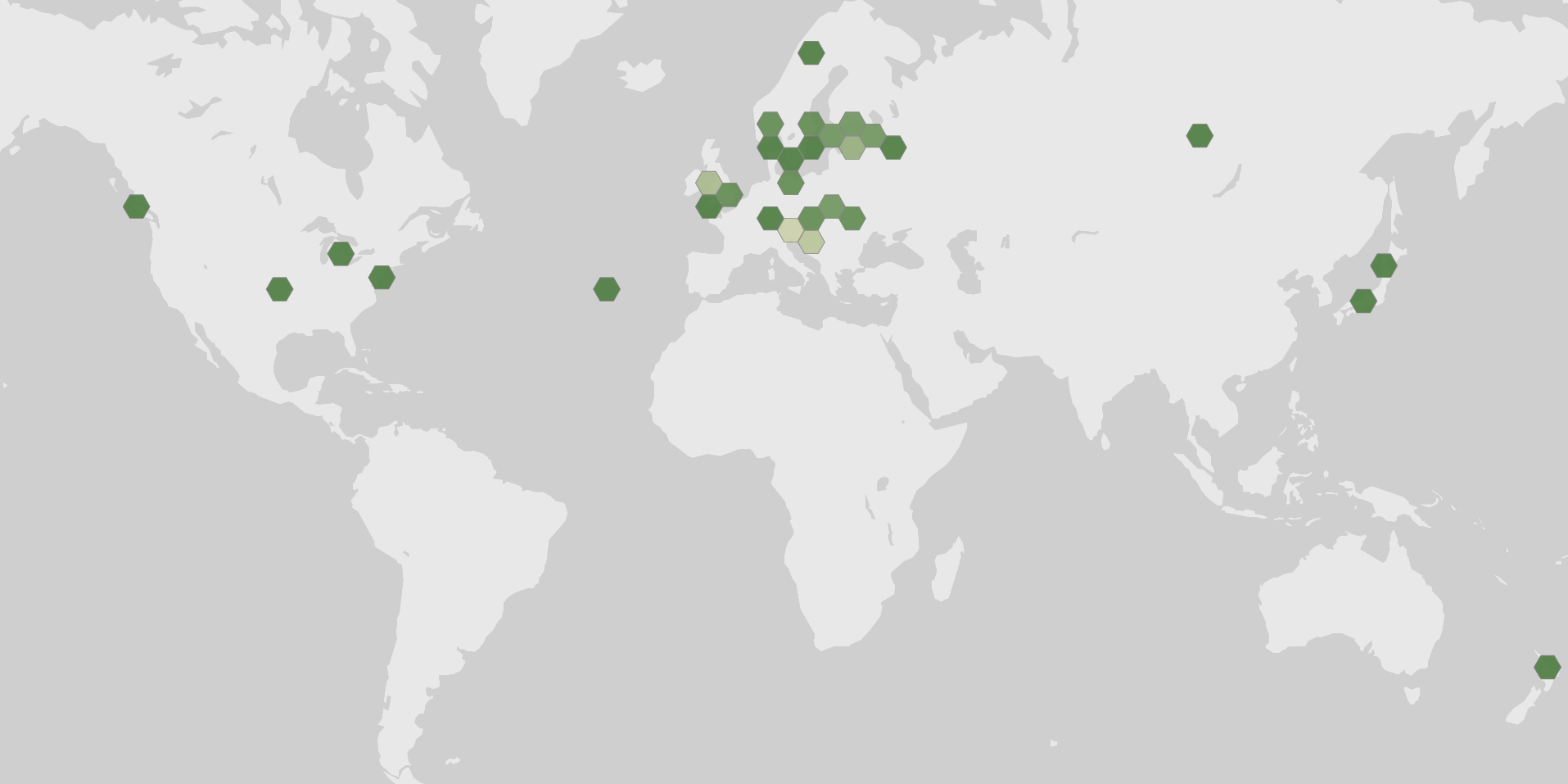
Ophiostoma novo-ulmi has been recorded through presence observations across its range, though these records reflect where the fungus has been detected rather than its full native distribution or how abundant it is in any given place. The available observation data comes from occurrence reports rather than population surveys.
Monthly observation counts show activity recorded in every month of the year, with somewhat higher numbers appearing from spring through late summer and a dip toward the end of the year. This pattern should be read cautiously, as it reflects when observers detected and reported the fungus rather than a confirmed seasonal cycle of fruiting or spread.
Fun Facts
- Communities affected by Dutch Elm Disease have adopted cultural practices to slow its spread, including sanitation measures, avoiding elm monocultures, and breaking root grafts that connect neighboring elm trees.
- Ophiostoma novo-ulmi was described as a distinct, more virulent species in the late 1940s in both Europe and the United States, marking a second and more damaging wave of Dutch Elm Disease beyond the original outbreak.
Photos
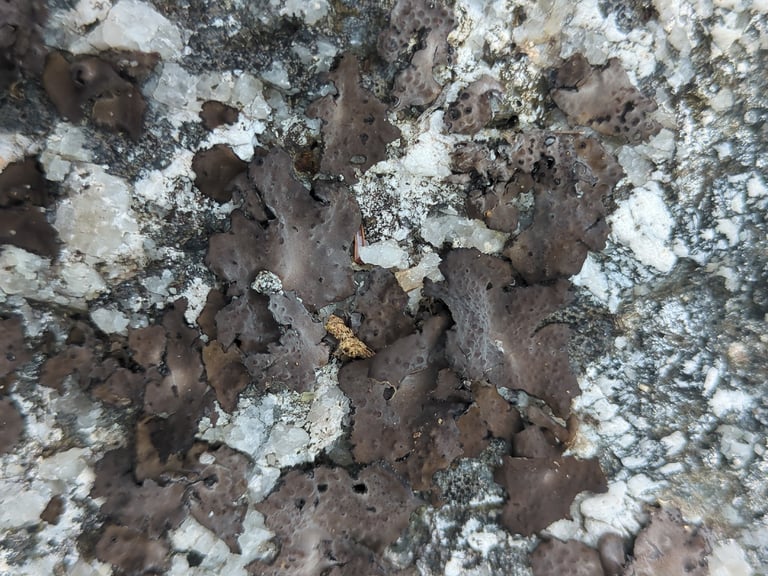
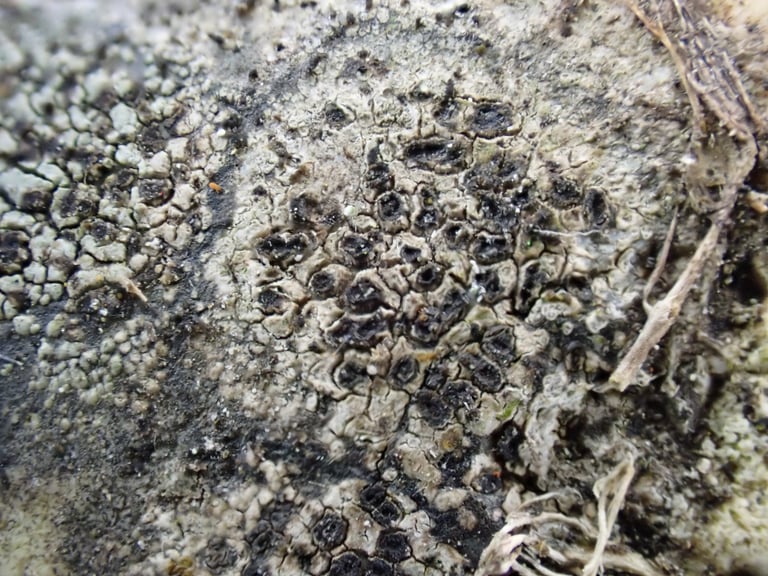
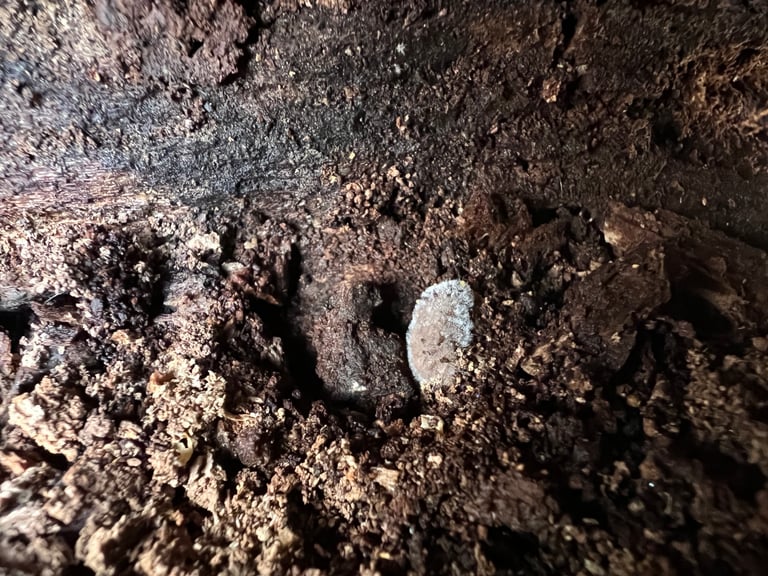
Photographs from by Johan Adler via iNaturalist, licensed under CC BY 4.0., credited on each photo.
Ecology and classification
Classification
- Phylum
- Ascomycota
- Class
- Sordariomycetes
- Order
- Microascales
- Family
- Ceratocystidaceae
- Genus
- Ophiostoma
- Species
- Ophiostoma novo-ulmi
Sources
- GBIF Species names and classification
- iNaturalist Photos
- Wikidata Common names and conservation status
- Wikipedia Summary extract