Penicillium chrysogenum is best known as a source of several β-lactam antibiotics, most significantly penicillin, though the strain Alexander Fleming first isolated has since been reclassified as a distinct species, P. rubens, rather than this one. This correction, established through molecular phylogeny, reshapes a piece of scientific history many people assume is settled.
This fungus belongs to the kingdom Fungi, phylum Ascomycota, class Eurotiomycetes, order Eurotiales, and family Aspergillaceae. It thrives in temperate and subtropical regions worldwide, most often turning up indoors, especially in damp or water-damaged buildings, and occasionally on salted food products. It has also been recognized as part of a species complex that includes P. notatum, P. meleagrinum, and P. cyaneofulvum, which complicates efforts to pin down exactly which strains are responsible for which historical discoveries.
Beyond its role in antibiotic history, P. chrysogenum produces a wide array of secondary metabolites, including roquefortine C, meleagrin, chrysogine, and PR-toxin, making it a subject of ongoing interest for both medicine and industrial microbiology.
Fruiting Body and Identification
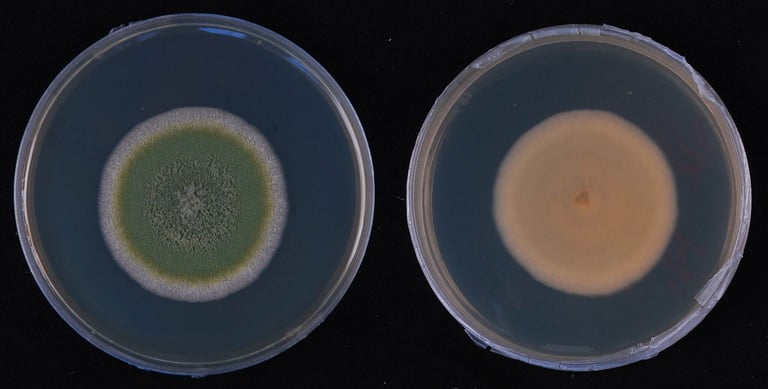
Penicillium chrysogenum forms colonies rather than a conventional mushroom fruiting body, and its identifying features are colony texture and color rather than a cap or stem. The genus name Penicillium comes from the Latin for "painter's brush," a reference to the fluffy, brush-like structure of its conidial spores, which give colonies a soft, velvety appearance.
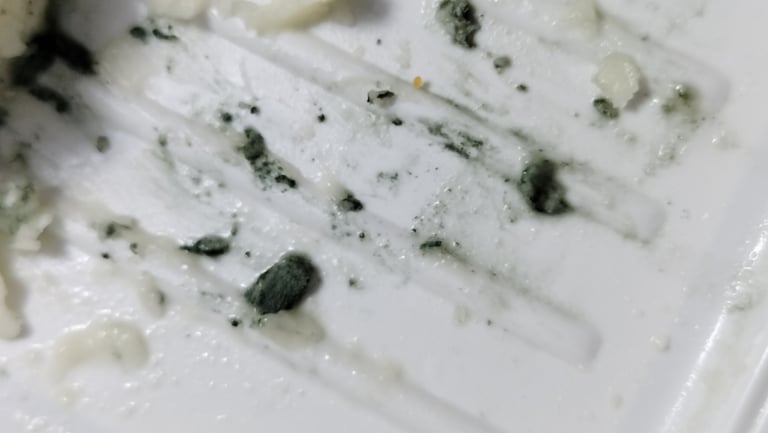
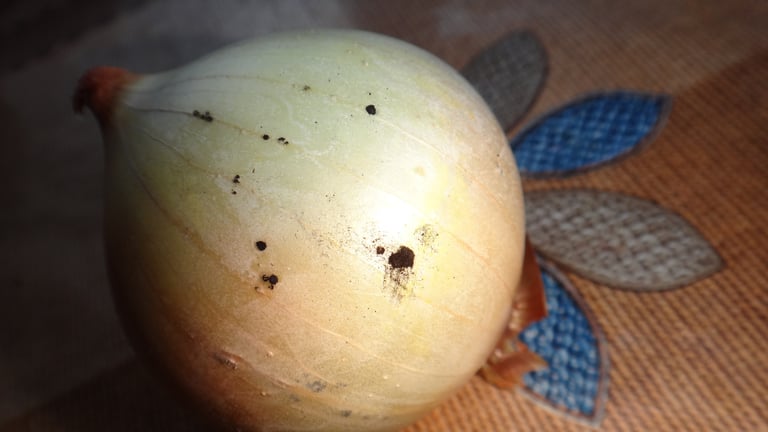
Colonies are typically found growing on indoor surfaces in damp or water-damaged buildings, or on salted food products, where they spread across the substrate in dense mats of blue-green to gray-green growth. The species has rarely been reported as a cause of human disease, though opportunistic infections have occurred in immune-compromised individuals with underlying health conditions.
Distribution and Habitat
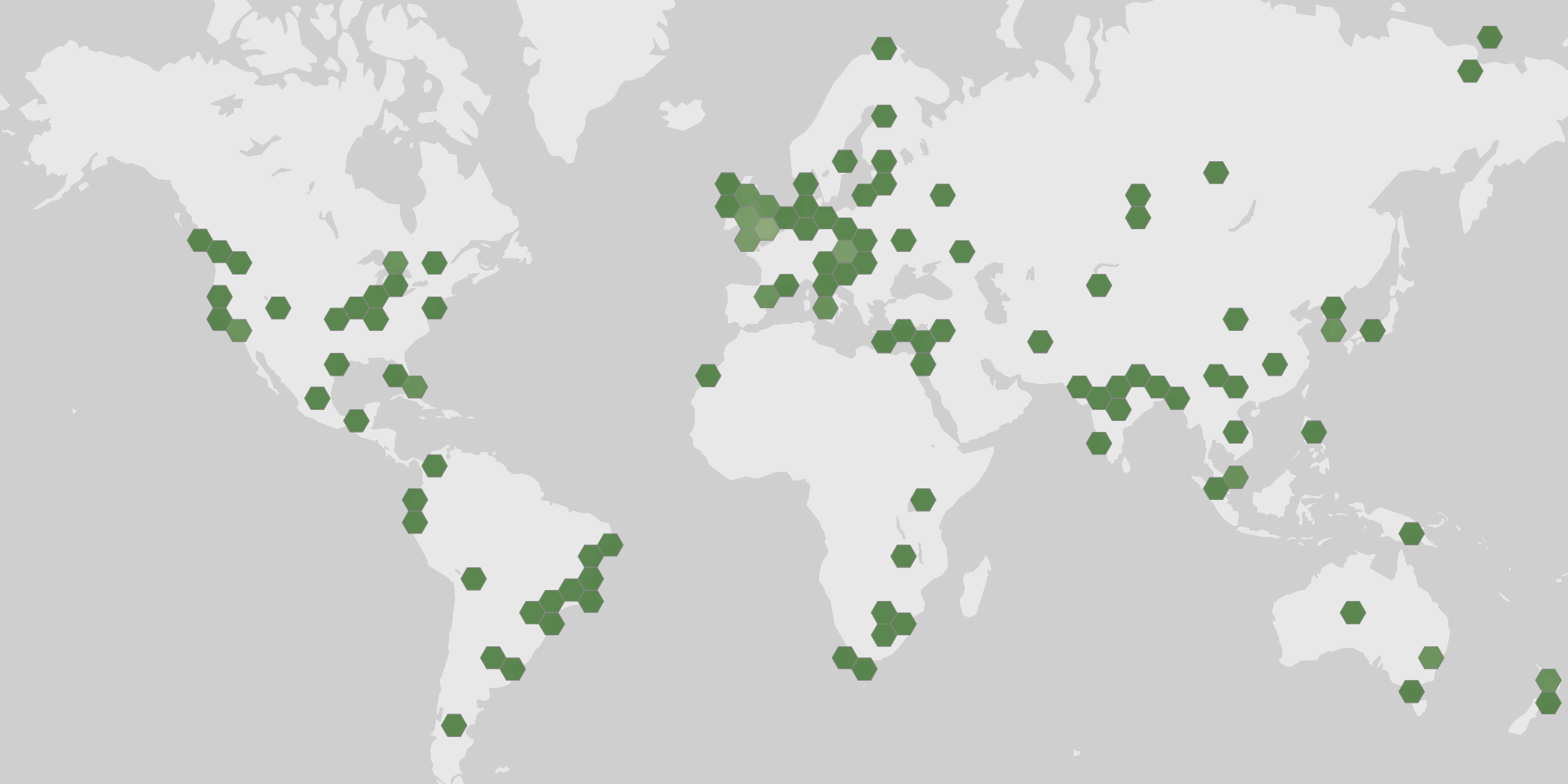
Penicillium chrysogenum is common across temperate and subtropical regions, with a strong tendency to colonize indoor environments rather than remain confined to outdoor habitats. It is especially associated with damp or water-damaged buildings, where consistent moisture supports its growth, and it has also been recorded on salted food products.
Monthly observation data show counts ranging from a low of 84 to a high of 431, with a pronounced peak early in the year and a secondary rise later on. Because these figures represent presence observations rather than abundance or a complete range, they should be read cautiously as an indication of when the species is most frequently recorded rather than a measure of its population size or full geographic extent.
Fun Facts
- The genus name Penicillium derives from the Latin word for "painter's brush," describing the fluffy appearance of its conidial spores.
- Penicillium chrysogenum has been used industrially not only to produce penicillin but also the compound xanthocillin X, and to treat pulp mill waste.
- Industrial applications extend to enzyme production, including polyamine oxidase, phosphogluconate dehydrogenase, and glucose oxidase.
- Penicillin itself is isolated from Penicillium mold grown in liquid culture within large fermenters, a process that scaled up dramatically after its discovery.
- Despite its industrial importance, the species has occasionally caused opportunistic infections in immune-compromised individuals.
Photos
Photographs from by Convallaria majalis via Wikimedia Commons, licensed under CC BY-SA 4.0., by Matthias Blume via iNaturalist, licensed under CC BY 4.0., by Jared Shorma via iNaturalist, licensed under CC BY 4.0., and by Dr Mary Gillham Archive Project via Wikimedia Commons, licensed under CC BY 4.0., credited on each photo.
Ecology and classification
Habitat
Classification
- Phylum
- Ascomycota
- Class
- Eurotiomycetes
- Order
- Eurotiales
- Family
- Aspergillaceae
- Genus
- Penicillium
- Species
- Penicillium chrysogenum
Sources
- GBIF Species names and classification
- iNaturalist Photos
- Wikidata Common names and conservation status
- Wikipedia Summary extract
- Wikimedia Commons Photos