Russula graveolens is an edible species of fungus first described by the Swedish mycologist Lars Romell in 1893. It belongs to the genus Russula, within the family Russulaceae, part of the order Russulales in the class Agaricomycetes.
Like other members of its genus, it grows in association with forest environments. Its long taxonomic history, stretching back more than a century, reflects its established place among the documented fungi of the Russulaceae.
Fruiting Body and Identification
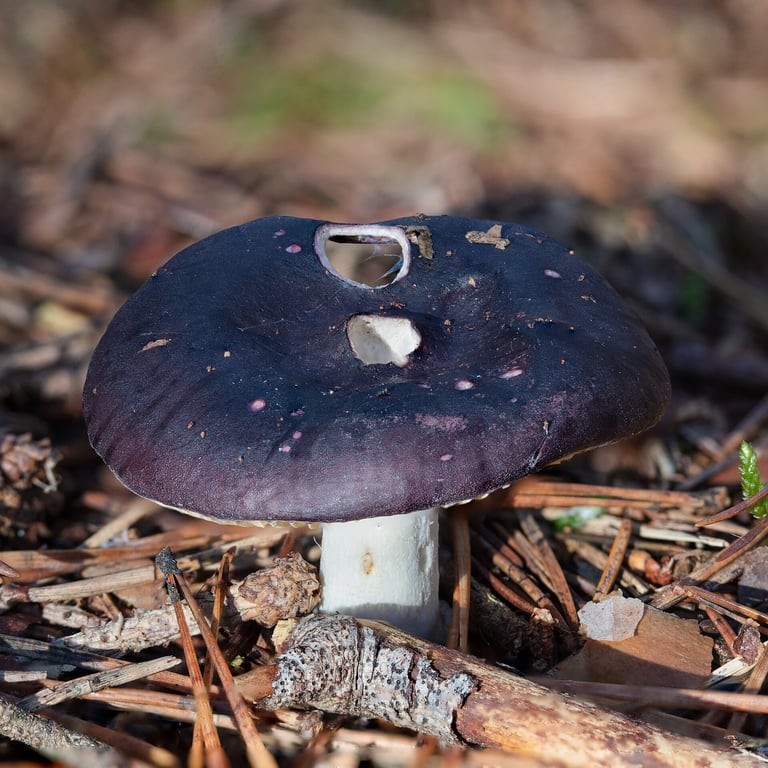
Russula graveolens is identified through the features of its fruiting body, which include a distinct cap, gill structure, and stem.
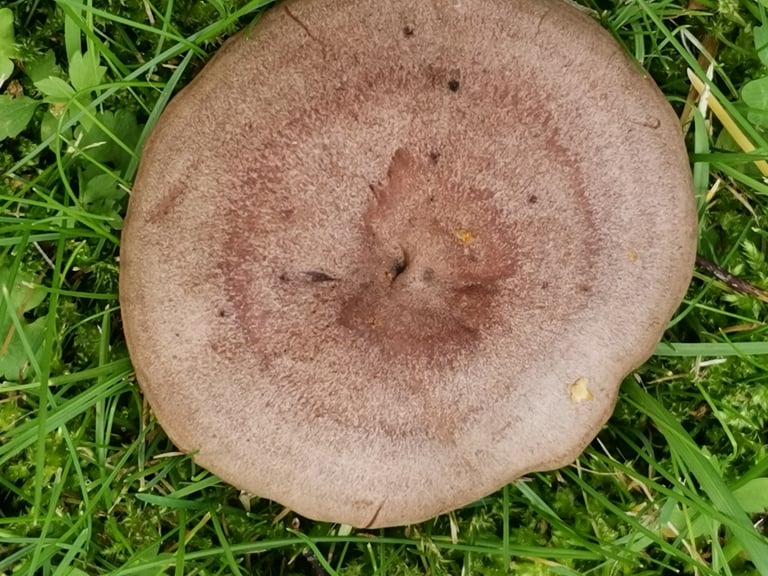
The cap forms the most visible identifying part of this species, showing the coloration and texture typical of the Russula genus. As the fruiting body matures, its appearance changes, which is an important consideration when trying to identify a specimen at different stages of growth.
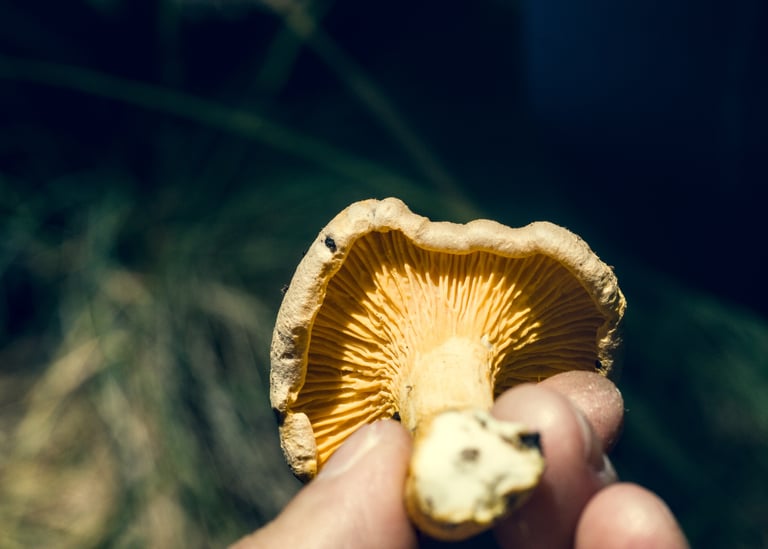
Beneath the cap, the gill arrangement and attachment provide further identifying detail, while the stem's shape, texture, and coloration complete the picture used for field identification.
Distribution and Habitat
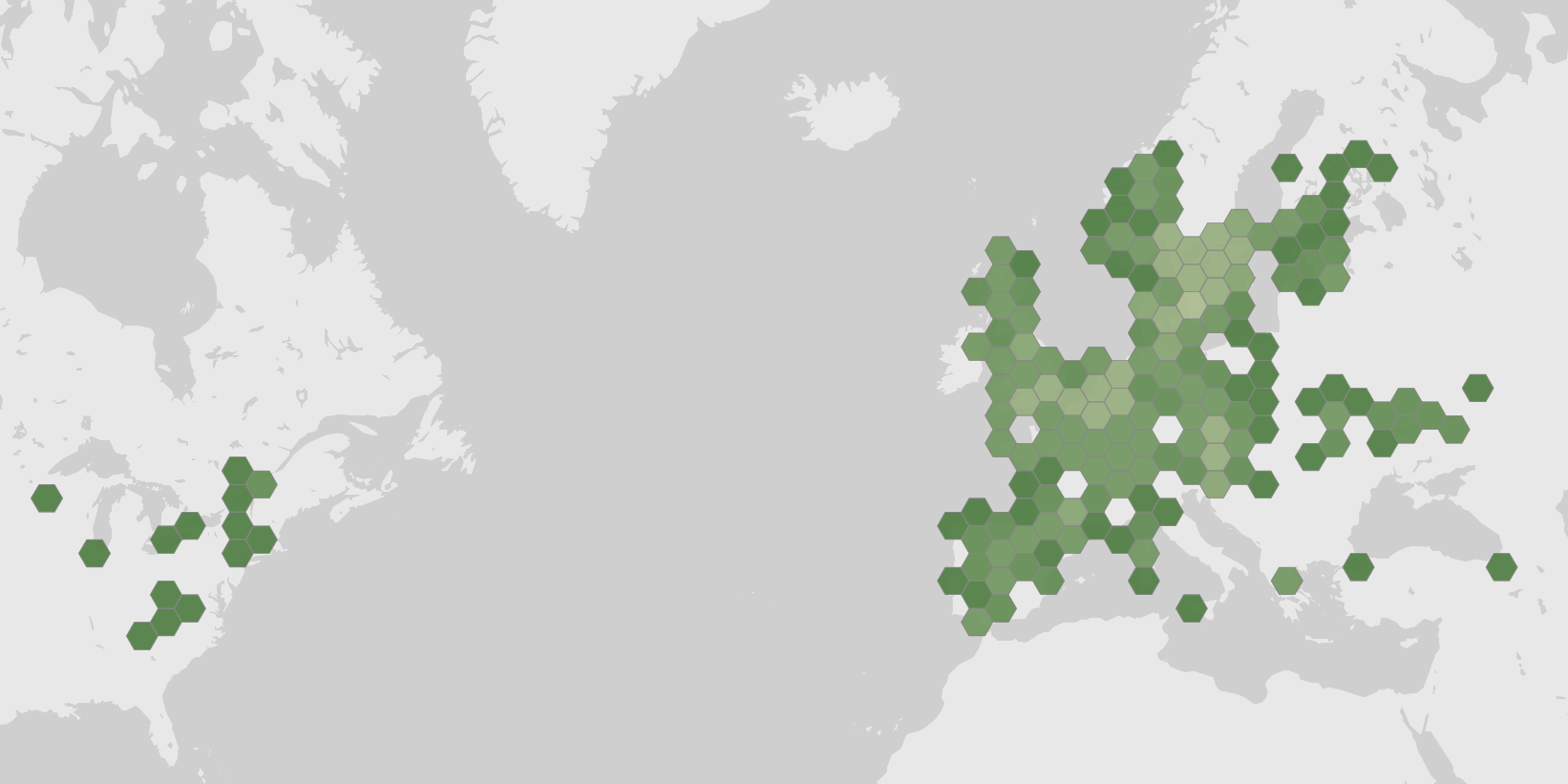
Russula graveolens has been recorded across a range of forest habitats, based on presence observations rather than counts of abundance. These records show where the species has been found, not how common it is or the full extent of its range.
Observation records show a clear seasonal pattern, with numbers rising sharply through the summer and peaking in the late summer months before tapering off into autumn and winter. This pattern suggests the species fruits mainly in the warmer months, consistent with the typical fruiting season of many Russula species, though the records themselves only document presence rather than confirming this directly.
Uses and Cultural History
Russula graveolens has a history of both culinary and medicinal use. Medicinal preparations made from mushrooms of this kind have been used in forms such as teas, tinctures, and capsules.
Beyond practical uses, mushrooms like Russula graveolens have carried symbolic weight in various cultures, representing fertility and prosperity, and have served as inspiration for artistic expression.
Fun Facts
- Humans collect several species of Russula, including this one, for food.
- There is a cultural divide over how Russula edibility is interpreted: North American field guides tend to list most species in the genus as non-edible and urge caution before eating any of them.
Photos
Photographs from via iNaturalist, licensed under CC0 1.0., by Daniel Ghyselinck via iNaturalist, licensed under CC BY 4.0., by katifungi via iNaturalist, licensed under CC BY 4.0., by Oleksii Vasyliuk via iNaturalist, licensed under CC BY 4.0., by Enrico Tomschke via iNaturalist, licensed under CC BY 4.0., by ionafraser via iNaturalist, licensed under CC BY 4.0., by vuikaan via iNaturalist, licensed under CC BY 4.0., by Katrin Simon via iNaturalist, licensed under CC BY 4.0., by Andrew Skotnicki via iNaturalist, licensed under CC BY 4.0., by Michel Langeveld via iNaturalist, licensed under CC BY 4.0., by Davide Puddu via iNaturalist, licensed under CC BY 4.0., by Eleftherios Katsillis via iNaturalist, licensed under CC BY 4.0., by Alan Rockefeller via iNaturalist, licensed under CC BY 4.0., and by Björn Sothmann via iNaturalist, licensed under CC BY-SA 4.0., credited on each photo.
Ecology and classification
Habitat
Classification
- Phylum
- Basidiomycota
- Class
- Agaricomycetes
- Order
- Russulales
- Family
- Russulaceae
- Genus
- Russula
- Species
- Russula graveolens
Sources
- GBIF Species names and classification
- iNaturalist Photos
- Wikidata Common names and conservation status
- Wikipedia Summary extract