Sambucus racemosa, widely known as red-berried elder or red elderberry, is best recognized for the clusters of bright red drupes that give it both its common name and much of its ecological importance as a bird food source.
This flowering shrub belongs to the class Magnoliopsida and the order Dipsacales, and it is assessed as Least Concern by the IUCN, reflecting its broad and largely secure distribution. Its combination of ornamental flowers, striking fruit, and long history of human use makes it a plant worth a closer look.
Identification and Appearance
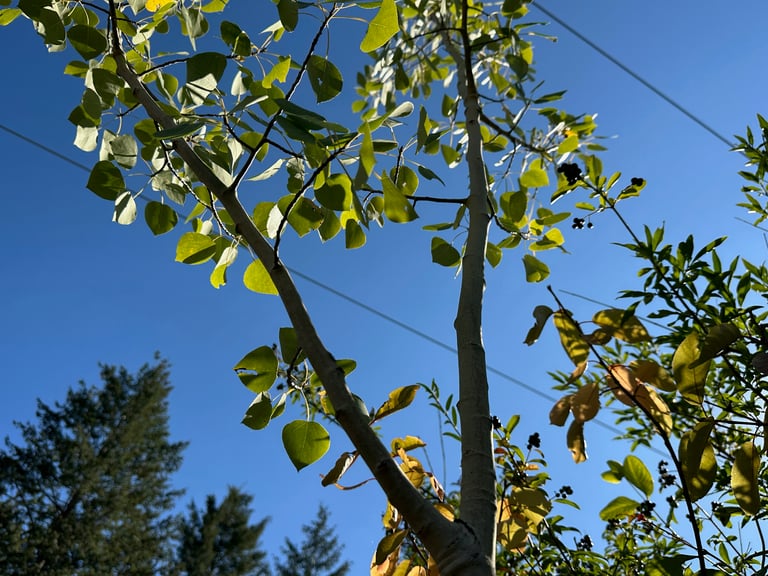
The clearest field mark is the fruit: a cluster of small, bright red drupes (shifting to purple-black in variety melanocarpa), each containing three to five seeds and ripening from a cone-shaped cluster of white to yellowish flowers.
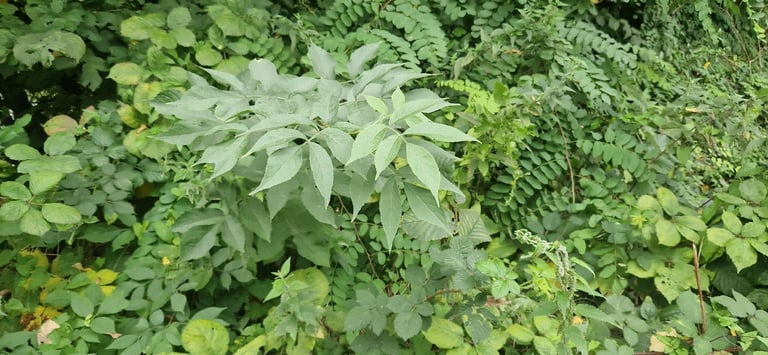
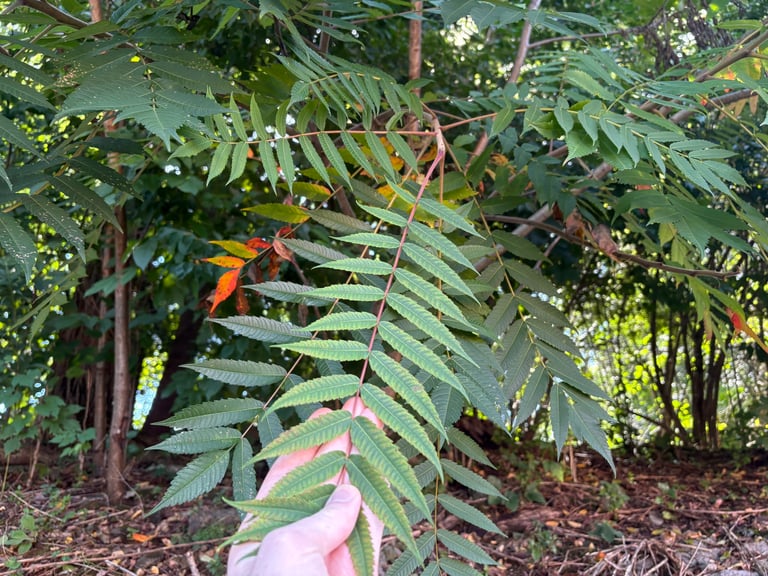
Sambucus racemosa is a medium-sized shrub, typically growing 2 to 4 meters tall, occasionally reaching 6 meters, with soft stems built around a broad, spongy pith. Each leaf is compound, made up of five to seven leaflet-like segments, 4 to 8 centimeters long (rarely up to 16 centimeters), lance-shaped to narrowly oval with irregularly serrated edges. Crushing the leaflets releases a strong, disagreeable odor, a useful confirming trait in the field.
The inflorescence is a vaguely cone-shaped panicle 3 to 6 centimeters across, made of several flower clusters at the branch tips. Buds emerge pink before opening to white, cream, or yellowish flowers with small recurved petals and a star-shaped arrangement of five stamens tipped in yellow anthers. The blooms are fragrant and draw hoverflies, hummingbirds, and butterflies.
Regional varieties differ mainly in berry color and leaflet number; some coastal forms are distinguished from similar elders by having five to nine leaflets rather than the more typical five to seven, alongside their characteristic red fruit.
Distribution and Habitat
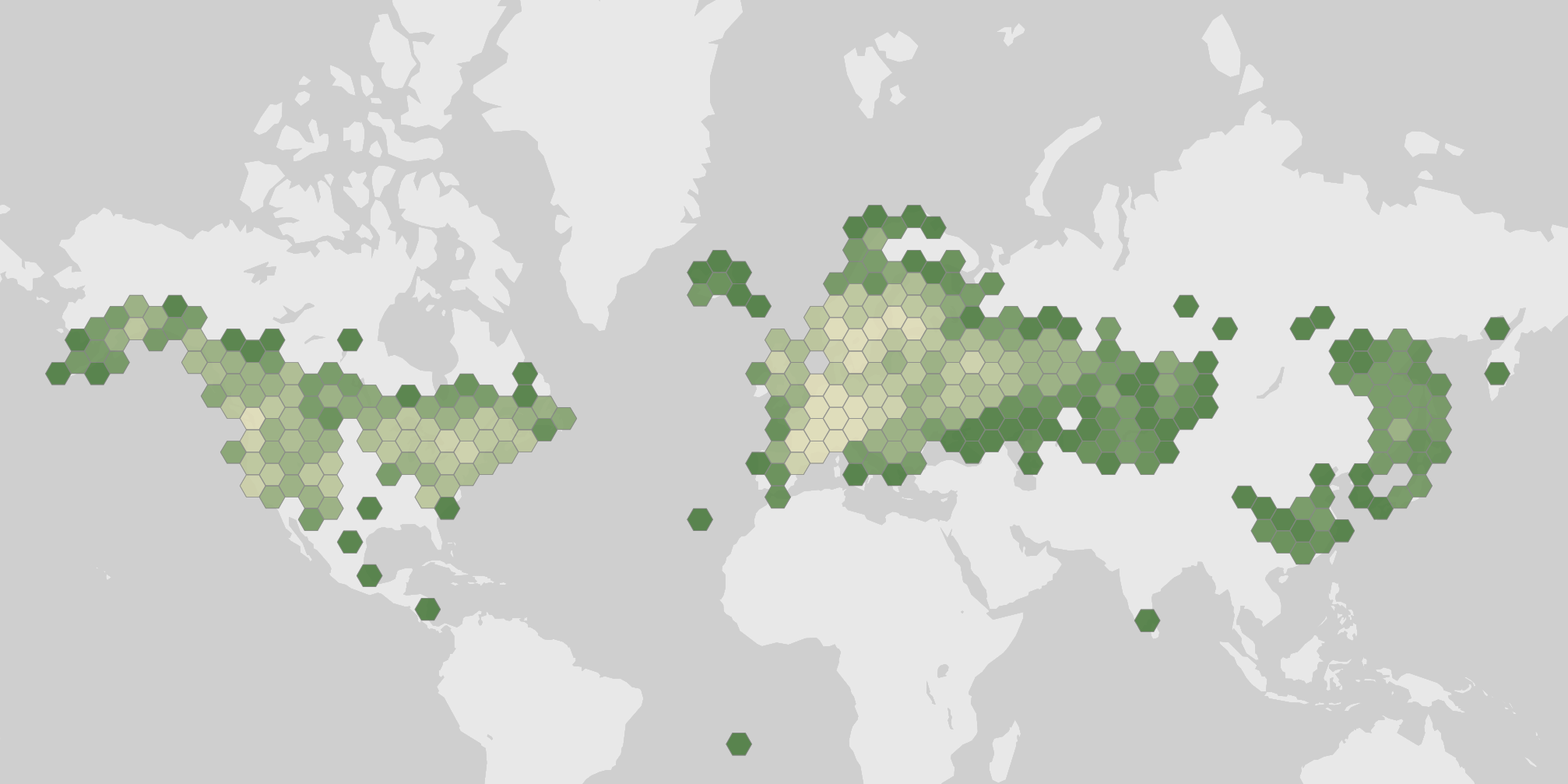
Sambucus racemosa is native across Europe, northern temperate Asia, and North America, where it ranges through Canada and the United States. It favors riparian corridors, woodlands, forests, and subalpine meadows, generally in moist, nutrient-rich ground, though it tolerates drier sites on occasion.
Across western North America it is a frequent, if rarely dominant, component of fir-spruce and other mesic conifer forests, and it associates with red alder along the Pacific coast and with Sitka alder-willow communities in south-central Alaska. In the Great Lakes region and the East, it grows in hardwood, mixed, and spruce-fir forests, sometimes persisting as one of the few woody understory plants in closed-canopy, old-growth stands. Elevational range varies widely by region, from near sea level in the Adirondack Mountains to above 3,000 meters in parts of the Intermountain West.
The shrub prefers deep, well-drained loamy soils and is considered moderately flood tolerant, capable of sprouting back from the root crown after major flood events. Soil pH tolerance spans acidic to basic conditions, though neutral soils are preferred.
Monthly observation counts show a strong seasonal pattern, rising sharply from April, peaking in July at roughly 69,500 records, and falling off by autumn. This pattern likely reflects the plant's flowering and fruiting period and greater visibility to observers rather than a true measure of abundance, since these are presence records only.
Uses and Human Relationships
Sambucus racemosa has a long history as both an ornamental and a medicinal plant. Indigenous peoples have used the berries and other parts of the plant for medicinal purposes, and the timing of its bloom served a practical role for some coastal communities: the Ahousaht used red elderberry flowering as a seasonal signal to begin halibut fishing and the hunting of gray whales and harbor seals.
In gardens, the species is grown as an ornamental shrub or small tree in wildlife gardens and naturalistic landscape designs. Cultivars such as 'Plumosa Aurea' and 'Sutherland Gold', both prized for golden foliage with bronze new growth, are widely planted in Britain, and 'Sutherland Gold' has received the Royal Horticultural Society's Award of Garden Merit.
Fun Facts
- The species epithet racemosa refers to its raceme, the unbranched flower cluster with several short-stalked blooms that gives the plant its cone-shaped inflorescence.
- According to Wiccan lore, the plant was used to summon spirits, adding a folkloric dimension to its long history of human association.
- Coastal populations of red elderberry are sometimes distinguished from other elders by having five to nine leaflets rather than the more typical five to seven, alongside their bright red fruit.
Conservation status
- LC
- NT
- VU
- EN
- CR
Least Concern
Ecology
Habitat
- Wetland
- Forest
- Woodland
- Mountain
Growth habit
- Shrub