Sphagnum capillifolium can hold up to 20 times its own weight in water. It stores that water in dead, empty cells called hyaline cells, which fill up and act like a sponge.
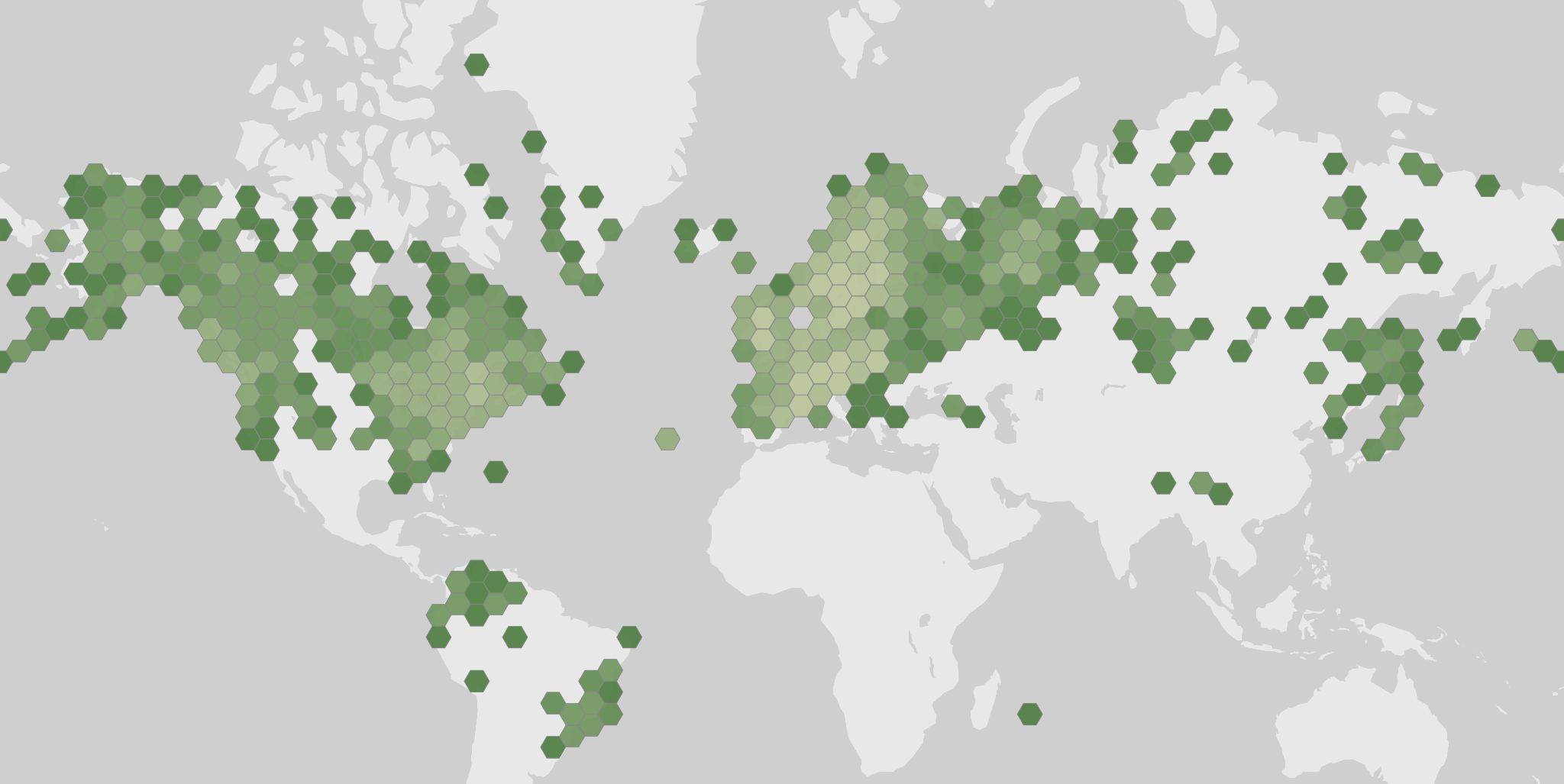
This moss is a peat moss, a nonvascular plant that belongs to the family Sphagnaceae. It goes by several common names, including red bogmoss, northern peat moss, acute-leaved bog-moss and small red peat moss. It is native to Canada, the northern United States, Greenland and Europe.
The moss grows in wet, boggy places around rivers and lakes. Its water-holding ability lets it survive where few other plants can take root, and it plays a central part in how peatlands form.
Identification and Appearance
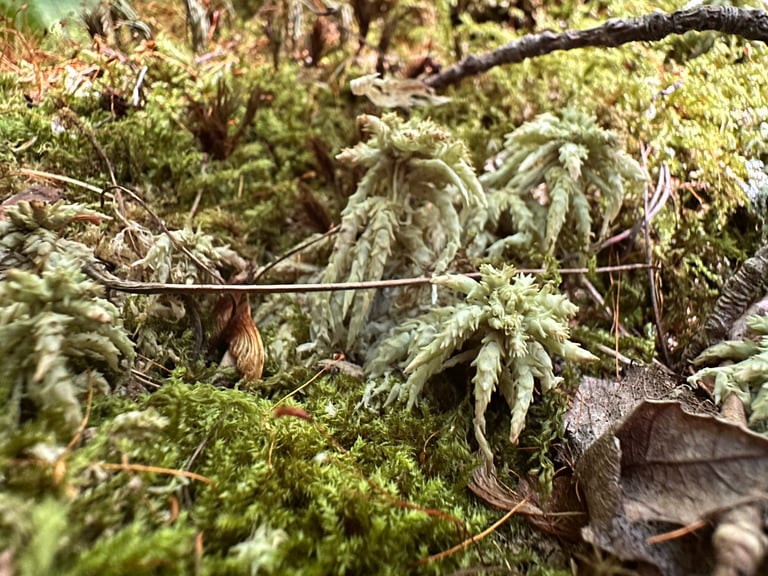
The most useful field mark is the branch arrangement. The branches sweep outward and curve, giving the moss a look that resembles tresses.
The moss is brownish-green to pinkish-red in color. Its color depends on light and conditions, so the same colony can look green in shade and red in open sun.
It forms tight, carpet-like mounds. The leaves have no midrib, are tongue-shaped, and end in a bluntly pointed tip.
Distribution and Habitat
Sphagnum capillifolium is native to Canada, the northern United States, Greenland and Europe. It is one of the peat mosses of the northern cool zone.
The moss grows in peatland, usually under conifers or among Rhododendron brush. It favors wet humus and the sides of hummocks, where the ground stays moist.
Its habitat ranges from the edges of rivers and lakes to open bogs. Sightings of the moss are most common in July and August.
Growth and Form
As a nonvascular plant, Sphagnum capillifolium has no true roots, stems with vascular tissue, or leaves that carry water from the ground. Instead, it takes up and holds water directly through its cells.
The moss grows in dense clusters that build up into tight, rounded mounds. Its mounds hold moisture well, which keeps the surface wet even in dry spells.
The dead hyaline cells fill with water as the moss grows, and the living tissue below keeps extending the colony upward and outward.
Photos
Photographs from via iNaturalist, licensed under CC0 1.0., by Andrejus Gaidamavičius via iNaturalist, licensed under CC BY 4.0., by Norma Malinowski via iNaturalist, licensed under CC BY 4.0., by Jeff Clark via iNaturalist, licensed under CC BY 4.0., by Sarah Courchesne via iNaturalist, licensed under CC BY 4.0., and by Charlie Pavlisich via iNaturalist, licensed under CC BY 4.0., credited on each photo.
Ecology and classification
Habitat
Growth habit
- Moss
Classification
- Phylum
- Bryophyta
- Class
- Sphagnopsida
- Order
- Sphagnales
- Family
- Sphagnaceae
- Genus
- Sphagnum
- Species
- Sphagnum capillifolium
Sources
- GBIF Species names and classification
- iNaturalist Photos
- Wikidata Common names and conservation status
- Wikipedia Summary extract
- Encyclopedia of Life Habitat, diet and behavior traits
- USDA Plants US plants: growth habit and growing conditions