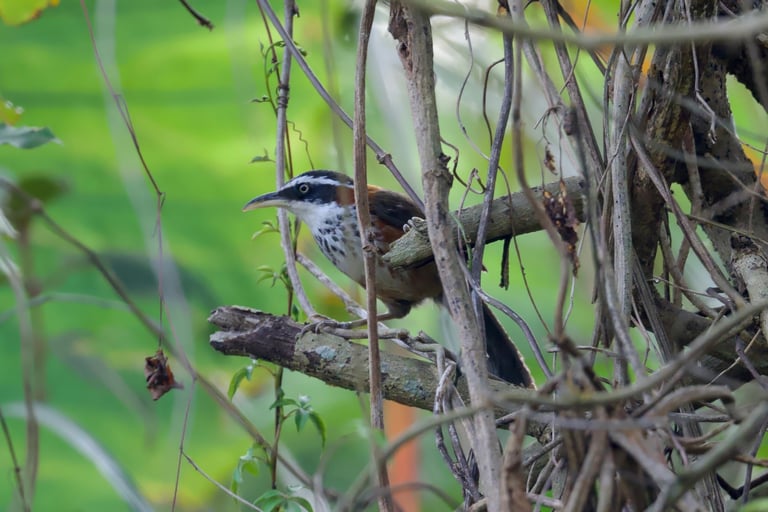
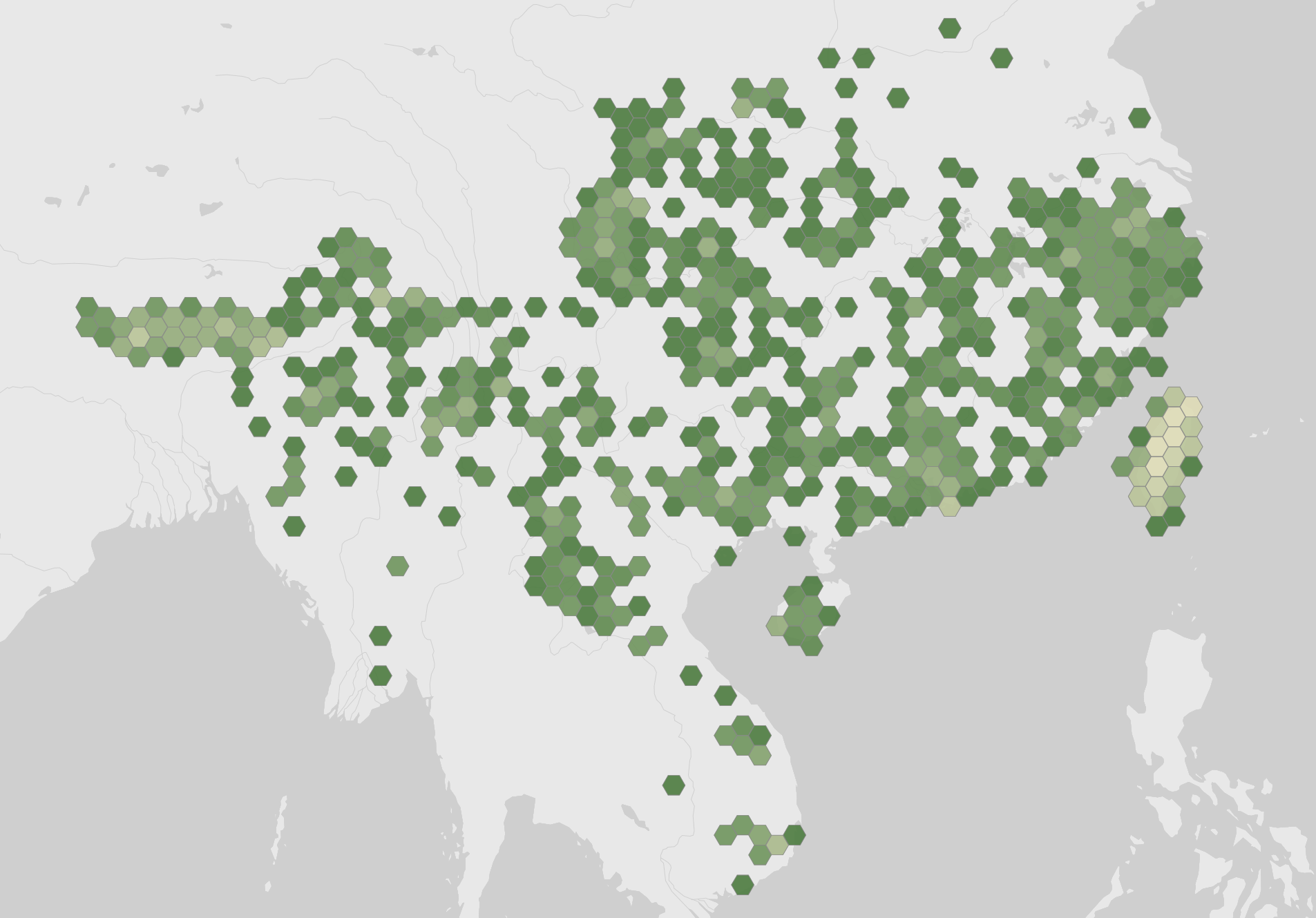
The rufous-capped babbler ranges across a vast stretch of Asia, from the Eastern Himalayas through northern Thailand, Laos, eastern China, Vietnam, and Taiwan. It is a small bird in the family Timaliidae, order Passeriformes, and it makes its home in temperate forest with dense bushes or bamboo.
Listed as Least Concern by the IUCN Red List, the species is not considered at risk. Its preference for thick cover makes it a rewarding find for birdwatchers exploring the bamboo thickets and dense understory of its range.
Identification and Appearance
The rufous-capped babbler is identified chiefly by its small size, weighing only about 0.0103 kilograms, or roughly 10 grams, placing it among the smallest birds in its family.
Its compact body and diminutive weight suit its life within dense bushes and bamboo stands, where maneuvering through thick vegetation favors a small frame over a larger one.
Distribution and Habitat
The rufous-capped babbler occupies an extensive range covering about 2,210,000 square kilometers, stretching from the Eastern Himalayas across northern Thailand, Laos, eastern China, Vietnam, and Taiwan. Within this range, it favors shrubland and forest habitats with dense cover.
It shows a strong preference for dense vegetation, typically inhabiting thickets of bushes or bamboo rather than open or sparsely vegetated ground.
Presence observations recorded across the months show a pronounced peak in March and April, with counts also elevated from January through June, before tapering through the middle and later months of the year. This pattern may reflect seasonal differences in detectability or observer activity rather than changes in the bird's actual abundance, so it should be read cautiously as a signal of when the species is more often recorded rather than a measure of its population.
Fun Facts
- The species was first described by Edward Blyth in 1847.
- It has also been classified under the genus Stachyris, appearing in older records as Stachyris ruficeps.
- A recognized subspecies, Stachyridopsis ruficeps bangsi, occurs in China.
Photos
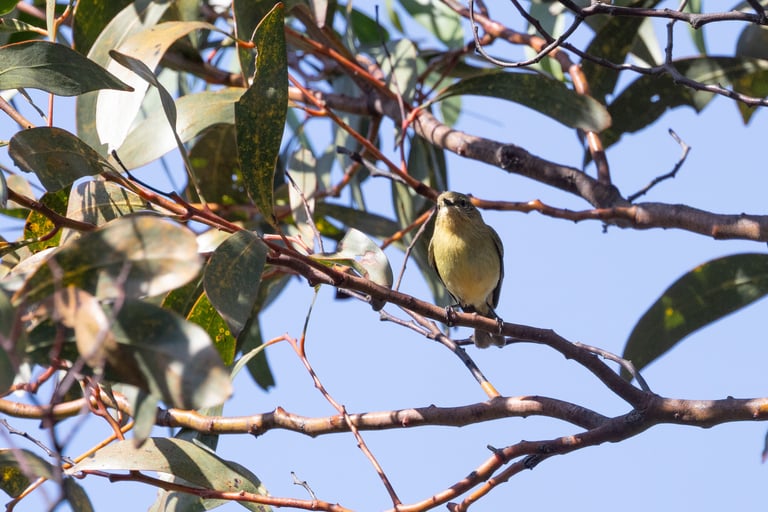
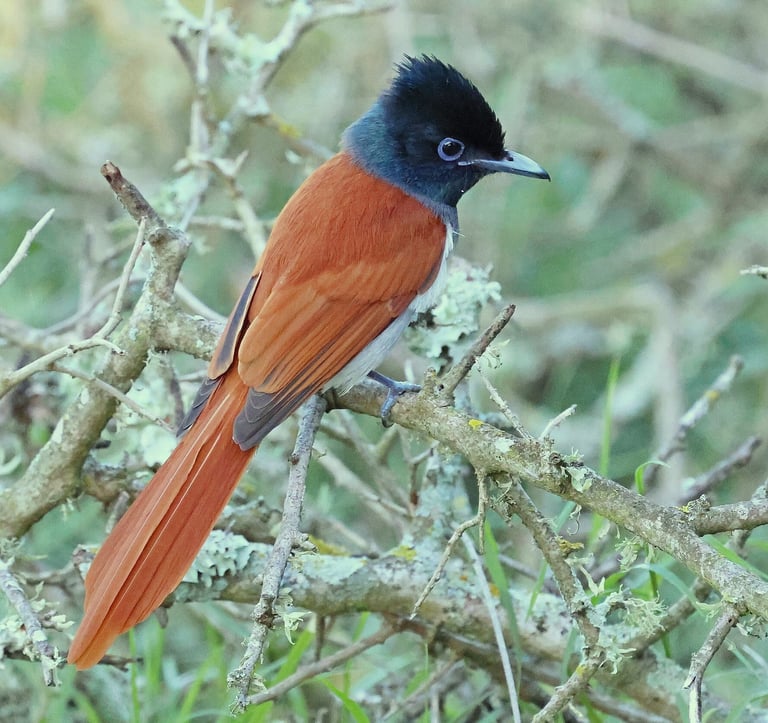
Photographs from via iNaturalist, licensed under CC0 1.0., by Tandin Wangdi via iNaturalist, licensed under CC BY 4.0., by Nathan Ruser via iNaturalist, licensed under CC BY 4.0., by Ben Costamagna via iNaturalist, licensed under CC BY 4.0., by 雲一百香果 via iNaturalist, licensed under CC BY 4.0., by 祐 via iNaturalist, licensed under CC BY 4.0., by Brodie Cass Talbott via iNaturalist, licensed under CC BY 4.0., by Karim Haddad via iNaturalist, licensed under CC BY 4.0., by Jiao Sun (孙娇) via iNaturalist, licensed under CC BY 4.0., by Vladislav Isaev via iNaturalist, licensed under CC BY 4.0., and by Scott Harris via iNaturalist, licensed under CC BY 4.0., credited on each photo.
Ecology and classification
Classification
- Phylum
- Chordata
- Class
- Aves
- Order
- Passeriformes
- Family
- Timaliidae
- Genus
- Stachyridopsis
- Species
- Stachyridopsis ruficeps
Sources
- GBIF Species names and classification
- iNaturalist Photos
- Wikidata Common names and conservation status
- Wikipedia Summary extract
- AVONET Bird mass, habitat, migration, diet and range size
- GloBI What it eats, what eats it, parasites and pollinators
- HWML Parasite Collection