
Salmoniformes
Atlantic Salmon
Salmo salar
Near ThreatenedAlso known as: (Atlantic) Salmon, Bay Salmon, Black Salmon
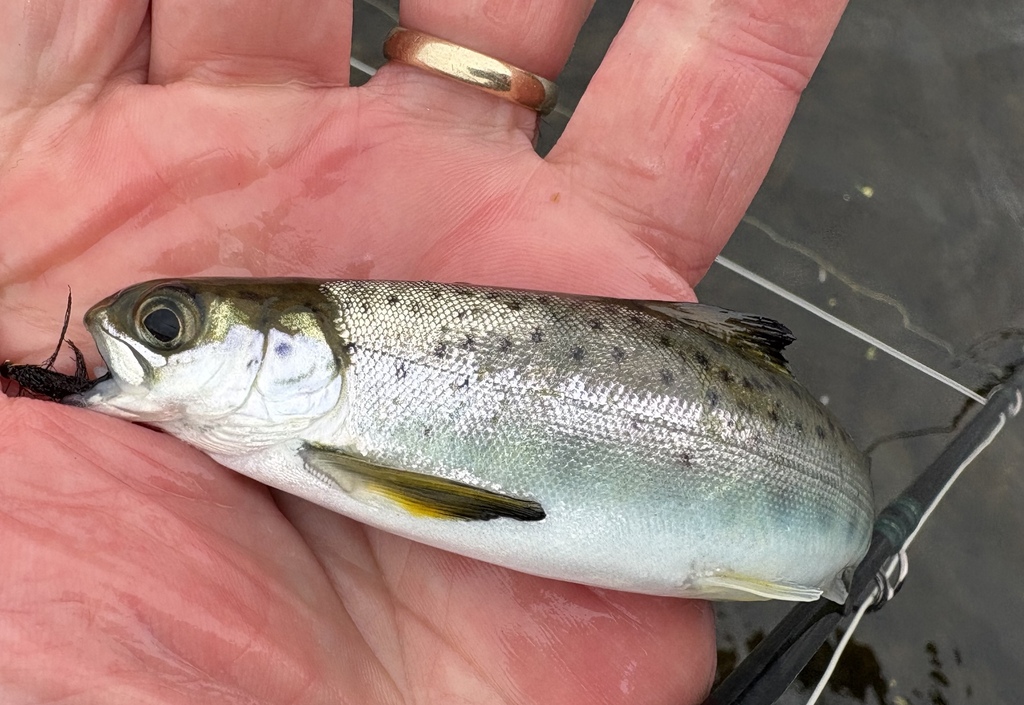
© guybroome · iNaturalist · CC BY-NC 4.0
Scientific Classification & Quick Facts
Classification
At a Glance
Salmo salar, the Atlantic salmon, is one of the most celebrated fish in the Northern Hemisphere—a powerful swimmer that undertakes one of nature’s most demanding journeys. These sleek predators are born in cold, rushing rivers, migrate thousands of kilometres across the Atlantic Ocean to feed and grow, then return to their natal streams to spawn and die. Their anadromous life cycle, combined with their cultural significance and economic value, has made them the focus of intensive research and conservation effort for centuries.
Currently classified as Near Threatened by the IUCN, Atlantic salmon occur across at least 9 countries, including Iceland, Norway, Canada, and the United Kingdom. However, populations have declined dramatically over recent decades due to habitat loss, dam construction, overfishing, and disease from farmed salmon escapees. Their presence or absence in a river system often indicates overall aquatic health, making them a flagship species for freshwater conservation across the North Atlantic.
Identification and Appearance
Salmo salar is the largest species in its genus, with adult size varying dramatically depending on time spent at sea. After two years of ocean feeding, Atlantic salmon typically reach 71–76 centimetres in length and weigh 3.6–5.4 kilograms. Fish that remain in the ocean for four or more winters, or return to spawn multiple times, grow substantially larger—specimens exceeding 49 kilograms have been recorded, though such individuals are now rare.
The species exhibits a distinctive silvery appearance in the ocean phase, with a dark back and silvery flanks that help camouflage them in pelagic waters. Upon return to freshwater to spawn, their coloration shifts dramatically: the body darkens, spots become more prominent, and males develop a pronounced hooked lower jaw called a kype, along with a humped back. Females retain a more streamlined profile during spawning season but still show darker pigmentation and the characteristic red or pink colouration along their flanks that intensifies as spawning approaches.
Sexual Dimorphism
Male Atlantic salmon undergoing spawning transformation become notably more aggressive in appearance, with the kype developing to such an extent that their mouths cannot fully close. This jaw deformation, combined with their darker coloration and pronounced hump, makes breeding males unmistakable. Females remain comparatively slender but still show the dramatic colour change from their silver ocean phase, developing reddish bands and spots as they prepare to spawn in gravel beds. Both sexes experience teeth elongation during the spawning phase.
Distribution and Habitat
Salmo salar, the Atlantic salmon, is found across the North Atlantic and into freshwater river systems on both sides of the ocean. Records span nine countries, with France recording the highest occurrence frequency at 249 observations. Canada and the United States follow with 23 and 10 records respectively, while the United Kingdom, Sweden, Norway, and the Netherlands each document smaller populations. Notably, isolated records from South Africa and Chile suggest either historical introductions or occasional escapees from aquaculture facilities far outside the species’ native range.
The species occupies low-elevation freshwater habitats, with observations concentrated between 3.8 and 21.6 metres above sea level, averaging 14.7 metres. These elevations correspond to river valleys and coastal drainage systems typical of Atlantic salmon spawning and nursery grounds. The preference for such modest elevations reflects the species’ lifecycle: adults migrate from the ocean into cool, flowing rivers to reproduce, while juveniles remain in freshwater for several years before returning to sea.
Seasonal presence patterns show a strong concentration in winter months. January accounts for 187 of 299 total records, with February comprising 71 observations. Activity drops sharply thereafter, with only 42 records across March through May and none documented from June through December. This peak winter presence aligns with the salmon’s spawning migration period in the Northern Hemisphere, when sexually mature fish return to natal rivers to breed.
Biology and Behaviour
Behavior
Atlantic salmon are highly migratory fish that undertake one of nature’s most demanding journeys. Spawning populations exhibit a dramatic lifecycle split between freshwater and ocean environments, migrating hundreds of kilometres upstream from coastal waters to reach natal rivers. Once in rivers, salmon stop feeding entirely and rely solely on stored body reserves to power their upstream migration, jumping waterfalls and navigating obstacles with remarkable persistence. This spawning migration is triggered by seasonal changes and river conditions, typically beginning in spring or summer depending on the population.
In ocean environments, Atlantic salmon form schools and occupy coastal and open-water habitats where they feed actively and grow rapidly. Their behaviour changes markedly upon river entry: they become territorial and aggressive, establishing dominance hierarchies. Males develop a distinctive hooked jaw called a kype and darker coloration as they mature sexually, visual signals used in competition for spawning partners. Salmon are capable of detecting their natal river’s chemical signature and navigating vast ocean distances to return to it with extraordinary precision.
Diet
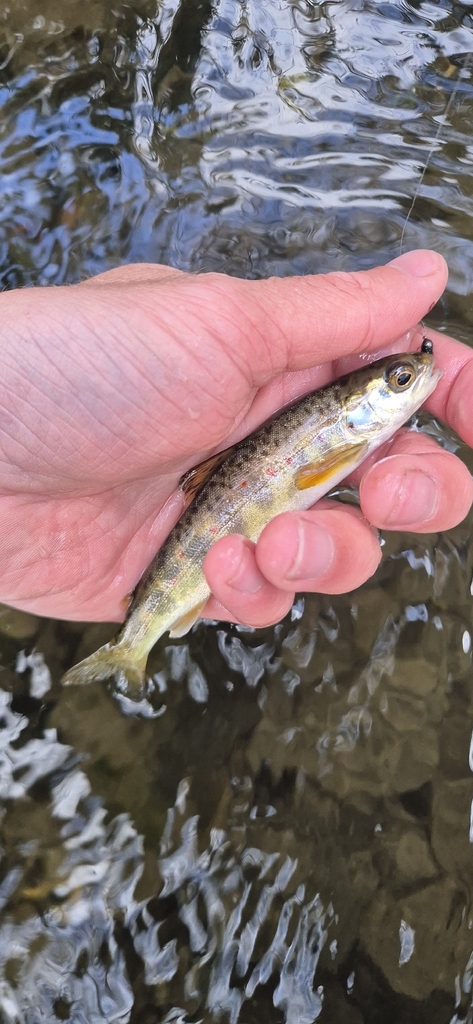
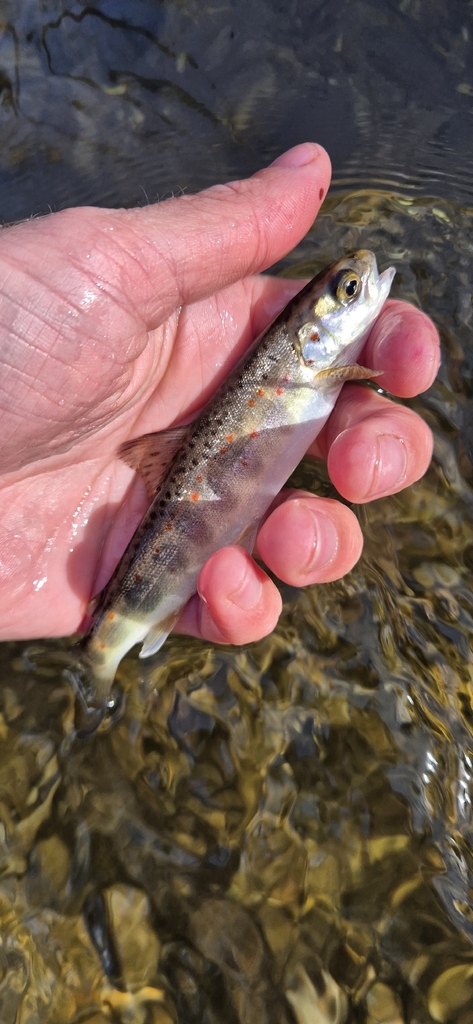
Young Atlantic salmon in freshwater streams, called parr, feed on aquatic invertebrates including small crustaceans, insect larvae, and other benthic organisms. As they mature and move to estuaries and open ocean, their diet shifts to fish, with sand eels, capelin, and herring becoming primary prey. Salmon are opportunistic feeders in marine environments, consuming whatever small fish are abundant in their feeding grounds. Their growth in the ocean is dramatically faster than in freshwater, driven by this rich diet of fish prey.
Upon entering freshwater for spawning migration, salmon cease feeding entirely despite living in environments with abundant food. This complete fast during the spawning migration can last several months, sustained entirely by muscle protein and stored fat reserves. This unusual behaviour distinguishes salmon from many other fish and is a key factor in their rapid physical deterioration during the upstream journey.
Reproduction
Atlantic salmon reach sexual maturity after spending one to four years in the ocean, with most returning to freshwater to spawn at ages two to four. The breeding season occurs in autumn and early winter, typically from September through December, when water temperatures decline. Males and females construct spawning nests called redds in clean gravel substrates of fast-flowing streams, with females using their tails to excavate depressions and deposit eggs.
A single female may produce thousands of eggs depending on her body size, with larger females spawning up to 20,000 eggs across multiple redds. Males engage in intense competition, using their hooked jaws and aggressive displays to defend access to females. After spawning, most Atlantic salmon die from exhaustion and starvation, though a small percentage of individuals—particularly smaller males and some females—survive to return to the ocean and spawn again in subsequent years. Eggs incubate in gravel for three to four months, with fry emerging in spring to begin their freshwater rearing phase.
Conservation and Threats
Salmo salar is classified as Near Threatened on the IUCN Red List, reflecting ongoing pressures on populations across its range in the North Atlantic. Despite this designation, population trends are increasing in some regions, suggesting that conservation efforts are beginning to show results. However, the species remains vulnerable to multiple stressors that continue to affect its long-term viability.
Threats
Overfishing remains the primary threat to Atlantic salmon stocks. Commercial fishing at sea has historically removed significant numbers of both spawning adults and juveniles, prompting international concern and the creation of initiatives such as the North Atlantic Salmon Fund, established by sport fishing organizations in Iceland and Scandinavia to purchase commercial fishing quotas and reduce harvesting pressure on wild populations.
Habitat degradation ranks as the second major threat. River modification, dam construction, and water pollution degrade spawning and nursery grounds, fragmenting populations and limiting migration pathways. Invasive species also disrupt aquatic ecosystems, competing with native salmon and altering river dynamics. Climate change compounds these problems by affecting water temperatures, oxygen levels, and food availability during critical life stages.
Recreational angling, including catch-and-release fishing, adds additional physiological stress to Atlantic salmon populations. While regulated catch limits and mandatory fly fishing in some areas help reduce mortality, the cumulative impact of handling stress combined with overfishing, climate pressures, and predation can still impair population recovery.
Conservation Efforts
Multiple regulatory frameworks protect Atlantic salmon across its range. Strict catch limits, catch-and-release practices, and controlled fishing seasons are implemented in jurisdictions from North America to Scandinavia to ensure sustainable harvest levels. The Atlantic Salmon Federation leads large-scale restoration initiatives focused on removing barriers to fish passage—such as dams—and eradicating invasive species that threaten salmon habitat.
Reintroduction projects have achieved documented successes. In 2007, Atlantic salmon were recorded spawning in Toronto’s Humber River, marking a significant milestone in restoring populations to rivers where they had been extirpated. These gains demonstrate that coordinated habitat restoration and fishing restrictions can reverse local declines and rebuild self-sustaining populations.
Cultural Significance
Aquaculture and Economic Importance
Atlantic salmon has become one of the most economically significant farmed fish species globally. Since the 1970s, aquaculture production has grown dramatically, with the Food and Agriculture Organization documenting a sharp rise in farm-raised output compared to wild capture. Modern hatchery techniques dominate the industry: adult fish are anaesthetized, their eggs and sperm collected and “stripped,” then mixed and placed into freshwater systems. Fry are reared in large freshwater tanks for 12 to 20 months before being transferred to marine cages, such as those visible in the Faroe Islands and other coastal regions.
Farming Challenges and Conservation
Intensive aquaculture has introduced significant ecological challenges. Sea lice infestations on farmed salmon represent a major concern for both industry and wild populations, as escapees and parasites can impact native stocks. Atlantic salmon face federal protection in many regions due to migration disruption, habitat degradation, and declining marine survival rates. Recovery efforts now involve extensive habitat restoration, dam removal, and conservation hatchery programs designed to bolster wild populations and restore migratory routes.
Fun Facts
Atlantic salmon are among the ocean’s most travelled fish, undertaking epic migrations between salt and freshwater. These remarkable athletes of the Salmonidae family pack extraordinary biology into their muscular frames, making them one of nature’s most successful—and now most threatened—fish.
- Atlantic salmon rank as the third largest member of the salmon family, surpassed only by the Siberian taimen and Pacific Chinook salmon. Despite this, they can still reach lengths of up to 1 metre, making them formidable predators in both river and ocean environments.
- Most Atlantic salmon are anadromous, meaning they execute a remarkable life cycle: hatching in cold streams and rivers, migrating to the open ocean to feed and mature, then returning to freshwater to spawn. This cycle can repeat multiple times in a single fish’s lifetime.
- Atlantic salmon possess an extraordinary homing ability called philopatry—they return to spawn in the exact rivers where they were born, sometimes travelling hundreds of kilometres upstream through waterfalls and rapids. This fidelity to birthplace shapes distinct regional populations across the North Atlantic.
- These fish undergo a dramatic physical transformation between their ocean and river phases. Ocean-dwelling Atlantic salmon develop silvery scales and robust bodies optimized for hunting, then lose their appetite and develop hooked jaws and darker coloration as they enter freshwater to spawn.
- Atlantic salmon are found exclusively in rivers and coastal waters of the northern Atlantic Ocean, with populations spanning from North America to Europe and western Russia. This restricted range makes them particularly vulnerable to localized environmental changes.
- After spawning, some Atlantic salmon survive the experience and return to the ocean to feed and recover—a behaviour called iteroparity. These resilient fish can spawn multiple times over their lifetime, though most populations have experienced catastrophic declines in repeat spawners.
- Young Atlantic salmon, called parr, spend 2–3 years in their natal streams before undergoing a transformation into silvery smolts that migrate seaward. This extended juvenile period in freshwater is much longer than in most other salmon species.
Ecology
Habitats
Diet
Behavior
Conservation Status
LC · NT (Near Threatened) · VU · EN · CR · EW · EX
Photo Gallery
guybroome · CC BY-NC 4.0
Related Species


Was this profile helpful?