
Magnoliopsida · Apiales
Fennel
Foeniculum vulgare
Also known as: aniseed-weed
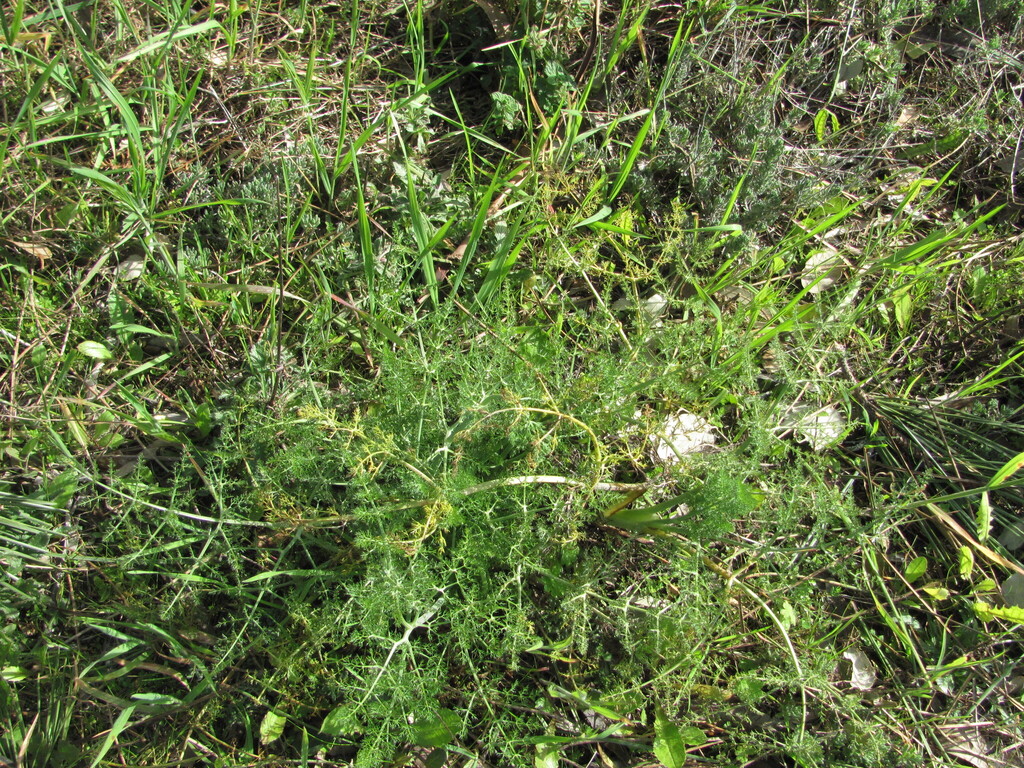
© zebedeugalinha · iNaturalist · CC BY 4.0
Scientific Classification & Quick Facts
Classification
Known For
Detailed measurements for this species are still being verified.
Foeniculum vulgare, commonly known as fennel, is a flowering herbaceous plant in the carrot family (Apiaceae) that has earned its place in human culture for thousands of years. With its distinctive feathery foliage and delicate yellow flowers, fennel appears deceptively delicate—yet it thrives across diverse climates and has naturalized in at least 20 countries worldwide. From Mediterranean herb gardens to Asian culinary traditions, this versatile plant bridges culinary, medicinal, and ecological roles with remarkable ease.
The conservation status of fennel remains unknown, reflecting both its widespread cultivation and its ability to persist without formal protection measures. Its hardiness and adaptability have allowed it to establish itself in a vast array of habitats, from coastal regions to inland valleys. What makes fennel particularly noteworthy is not a single extreme trait, but rather its integration into multiple human systems—food production, herbal medicine, and ornamental gardening—alongside its ecological impact as a naturalized species in many regions.
Identification and Appearance
Foeniculum vulgare, commonly known as fennel, is a striking perennial herb distinguished by its tall, hollow stems and feathery foliage. The plant grows upright to approximately 2.1 metres in height, with stems that are smooth, erect, and covered in a waxy glaucous (whitish or grey-green) coating that gives them a characteristic pale green appearance.
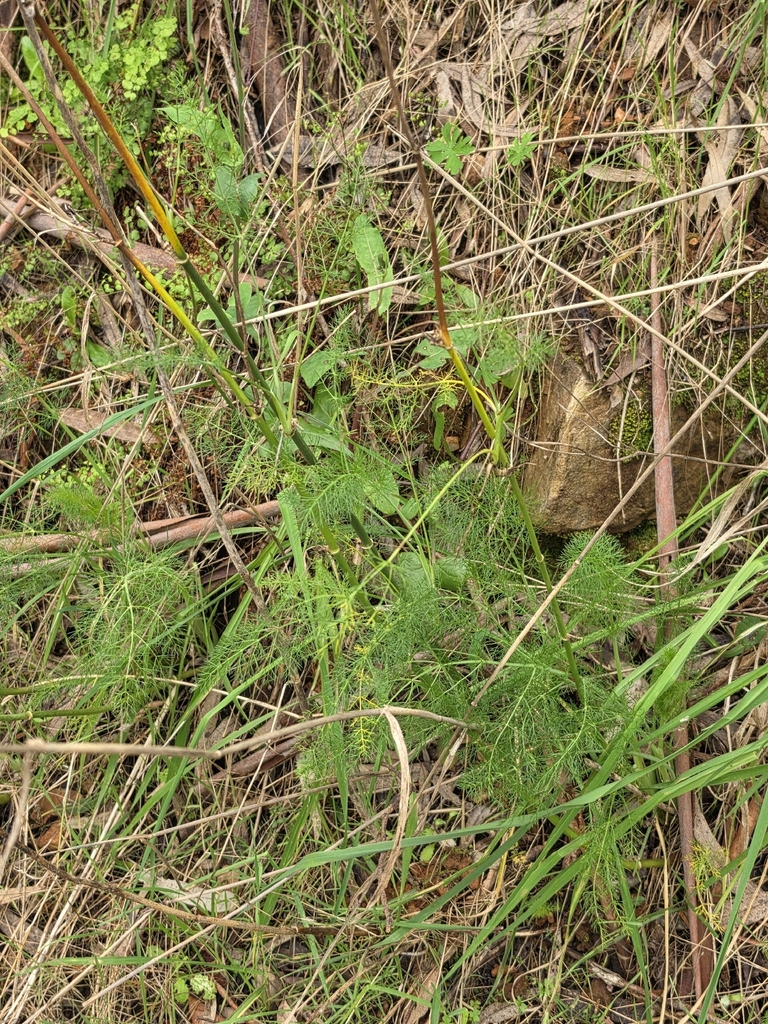
The most recognizable feature of fennel is its finely dissected leaves, which grow up to 40 centimetres long. These leaves are cut into extremely fine, threadlike (filiform) segments that create a delicate, almost lacy texture throughout the plant. This feathery foliage is soft to the touch and fades into the upper portions of the stem as the plant matures, creating a distinctive silhouette in the garden or wild landscape. The overall effect is one of airy, elegant fronds rather than robust foliage.
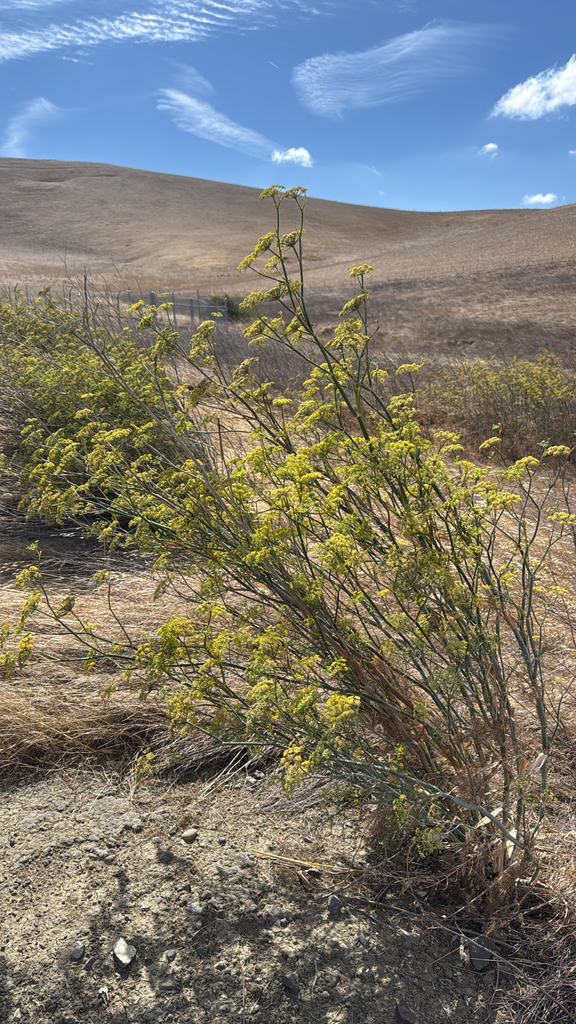
The plant produces small yellow flowers arranged in flat-topped clusters called umbels, which are characteristic of the carrot family (Apiaceae). These flowering structures appear in mid to late summer and are followed by the development of the ribbed, oval seeds that fennel is renowned for. The entire plant—leaves, stems, and seeds—carries a distinctive anise-like aroma when crushed or brushed against.
Distribution and Habitat
Foeniculum vulgare (fennel) is widely cultivated and naturalized across at least 20 countries, with the highest concentration of recorded observations in the United States (124 records), followed by New Zealand (32), Spain (31), Australia (25), and Portugal (21). The species has also established populations in Chile, South Africa, France, Israel, Belgium, and other temperate and Mediterranean regions. This global distribution reflects fennel’s role as both a commercial herb crop and an escaped ornamental that thrives in diverse climates.
Fennel exhibits a strong seasonal presence pattern, with recorded observations concentrated in January, suggesting peak activity or harvest periods in early calendar year depending on regional growing conditions. The species is highly adaptable to various environmental contexts, from cultivated gardens and agricultural settings to disturbed roadsides and semi-naturalized habitats. Its ability to persist across multiple continents and climatic zones demonstrates considerable ecological flexibility, though specific elevation preferences and narrow habitat requirements are not formally documented in available records.
The predominance of observations from Mediterranean and temperate regions—particularly Spain, Portugal, and the Middle East alongside Anglophone countries—aligns with fennel’s historical cultivation in European and Near Eastern cuisine and medicine. In the Southern Hemisphere, established populations in New Zealand, Australia, and South Africa suggest successful naturalization in temperate climates, where fennel has adapted to local conditions and become part of regional flora.
Growth and Cultivation
Growth
Foeniculum vulgare is a herbaceous plant that grows as a perennial in mild climates and as an annual in cooler regions. It develops a distinctive upright, branching stem structure with feathery, finely dissected foliage that gives the plant an airy, delicate appearance. The plant typically reaches 1–2 metres in height, though under optimal conditions it can grow taller. Its growth pattern is vigorous once established, and it readily self-seeds in suitable environments.
Fennel produces a strong taproot system that anchors the plant and allows it to access deep soil moisture. This root structure makes transplanting mature plants challenging and unsuitable for most gardeners; direct sowing is the preferred establishment method. Young seedlings grow quickly and can reach flowering size within a single growing season in warm climates.
Flowering
The plant produces small, bright yellow flowers arranged in flat-topped umbels—characteristic of the carrot family (Apiaceae). Flowering typically occurs in summer, with individual flowers opening progressively across the inflorescence. After pollination, fennel develops small, elongated seeds (technically fruits) that mature to a light brown or tan colour and are prized for culinary and medicinal use. The seeds develop a distinctive anise-like aroma when mature and are the primary commercial product harvested from the plant.
Cultivation
Fennel thrives in full sun and requires at least six hours of direct light daily for optimal growth and seed production. It is adaptable to a range of soil types but prefers well-drained soil with moderate fertility. The plant tolerates poor soils better than many garden vegetables and is relatively undemanding once established. While specific soil pH requirements are not universally strict, fennel generally performs well in neutral to slightly alkaline soils.
Water requirements are moderate; the plant prefers consistent moisture during the growing season but is drought-tolerant once established due to its deep taproot. Supplementary watering during prolonged dry spells improves seed yield and plant vigour. Fennel has few pest or disease problems in most climates and requires minimal fertilizer if grown in reasonably fertile soil. It is cold-hardy enough to overwinter in temperate zones and will regrow from the root crown in spring, though it is often grown as an annual for seed production.
Conservation and Threats
Foeniculum vulgare, commonly known as fennel, has not been formally assessed by the IUCN Red List. This absence of a formal conservation status reflects the species’ widespread distribution and general lack of severe threats at the global level. The plant’s population trend is increasing, indicating that it remains abundant and is expanding its range in many regions where it has naturalized.
Threats and Conservation Challenges
Fennel faces no documented major conservation threats. The species is not at risk of extinction and does not appear on any major conservation watch lists. Unlike many plant species, fennel thrives across diverse climates and habitats, making it resilient to environmental fluctuations. Its ability to establish itself in disturbed areas, poor soils, and semi-arid regions gives it a competitive advantage in landscapes altered by human activity.
In certain contexts, fennel may be considered invasive where it outcompetes native vegetation or establishes dominance in rangelands. In parts of Australia, California, and South Africa, the species has naturalized extensively and can restrict the growth of native plants. However, this is not typically classified as a conservation threat to fennel itself, but rather a concern for the ecosystems where it becomes dominant. Management of fennel in these regions focuses on controlling its spread rather than preventing its extinction.
Conservation Status and Legal Protections
Fennel is not subject to international conservation agreements or trade restrictions. The species is cultivated widely for its culinary and medicinal properties, and this economic value has ensured its preservation and propagation across continents. No formal conservation programmes exist specifically for fennel protection, as the species requires no intervention to maintain its populations.
Cultural Significance
Fennel holds deep roots in ancient Greek culture, where it was known by the name marathon (μάραθον) or marathos (μάραθος). The word itself appears in some of the oldest written Greek records, attested in Mycenaean Linear B form as ma-ra-tu-wo on tablets from Mycenae, demonstrating the plant’s significance dating back to the Bronze Age.
The cultural importance of fennel is immortalised in geography and history. The plain where the famous Battle of Marathon took place in 490 BCE literally means “a plain with fennel”—the landscape itself was named after this ubiquitous plant. This connection between the herb and one of antiquity’s most pivotal military encounters means that fennel became woven into the collective memory of classical civilisation, a botanical anchor for one of history’s defining moments.
Fun Facts
Foeniculum vulgare is a Mediterranean native that has become a global traveller, now thriving on every inhabited continent except Antarctica. Despite its Mediterranean origins, fennel’s remarkable adaptability has made it a successful invasive species in many regions, transforming from a coastal herb into a widespread plant found in disturbed lands, gardens, and wild spaces worldwide.
Ten Things You May Not Know
- Fennel is a hardy perennial, meaning it survives multiple growing seasons and winter conditions without needing to be replanted each year, unlike many culinary herbs that are annuals.
- The plant’s distinctive feathery leaves are not just decorative—they are a water-conservation adaptation that reduces moisture loss, allowing fennel to thrive on the dry soils near Mediterranean coastlines and riverbanks.
- Bright yellow flowers distinguish fennel within its native Mediterranean habitat and serve a crucial ecological role by attracting pollinators to ensure reproduction and seed production.
- Although fennel originated exclusively on Mediterranean shores, it has naturalized across temperate and subtropical regions worldwide, demonstrating exceptional invasive potential that often surprises horticulturists and ecologists alike.
- The plant’s entire structure—from leaves to seeds to bulbous base—is edible and has been valued in Mediterranean cuisines for thousands of years, making it one of the few culinary plants where virtually nothing goes to waste.
- Fennel produces volatile oils in its seeds and foliage that give it a distinctive anise-like aroma; these same compounds have been used medicinally across cultures for digestive support and flavouring applications.
- In some regions, fennel has become so successful at colonizing disturbed soils and abandoned agricultural land that it now ranks among the most widespread naturalized members of the carrot family globally.
Ecology
Habitats
Growing Conditions
Edibility
Photo Gallery
zebedeugalinha · CC BY 4.0
Related Species
Was this profile helpful?