
Magnoliopsida · Apiales
Common Ivy
Hedera helix
Also known as: English Ivy, English Ivy, Common Ivy, European Ivy, Ivy, Needlepoint Ivy, Ripple Ivy, English ivy, Common ivy, European ivy, Ivy, Needlepoint ivy, Ripple ivy, Ivy
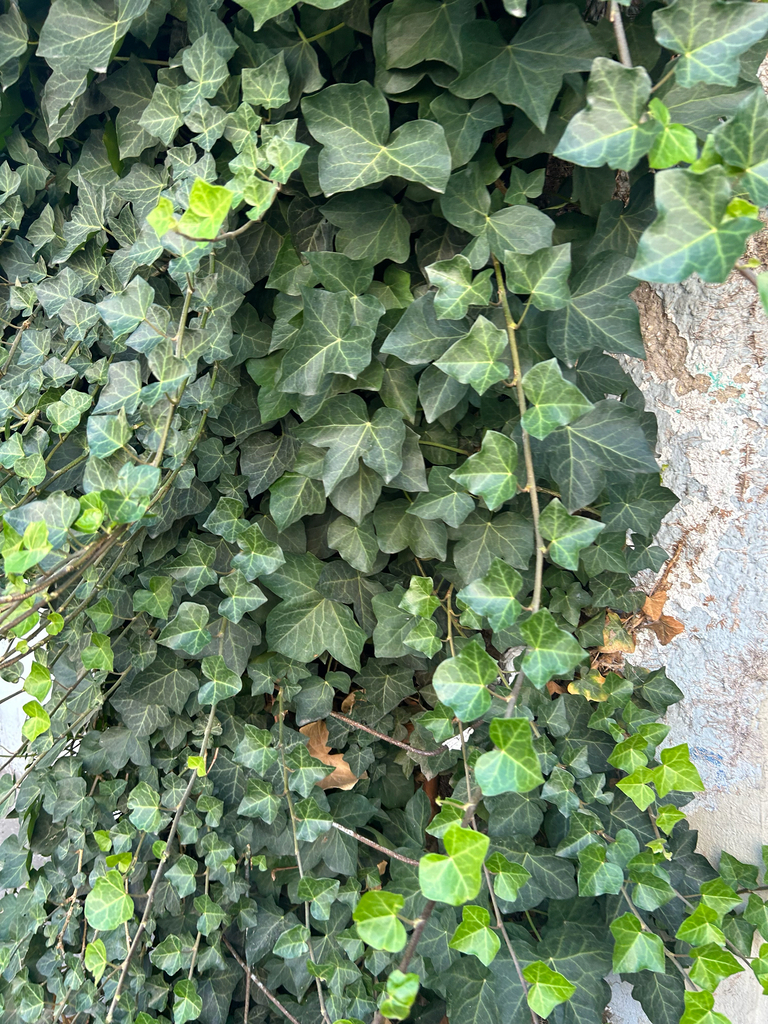
© ni_ki · iNaturalist · CC BY 4.0
Scientific Classification & Quick Facts
Classification
Known For
Detailed measurements for this species are still being verified.
Hedera helix, commonly known as Common Ivy, is a woody climbing plant that clings to trees, walls, and rocky outcrops across temperate Europe and beyond. With its glossy, lobed leaves and persistent evergreen foliage, this species has become a familiar sight in gardens, countryside, and urban landscapes alike. Its ability to transform bare structures into living walls of green has made it both celebrated and controversial—prized by gardeners and wildlife enthusiasts, yet viewed with suspicion by those who fear it will damage masonry or smother native plants.
Common Ivy is distributed across at least 24 countries, making it one of Europe’s most widespread climbing plants. Its conservation status remains unknown, reflecting the lack of immediate threats to this adaptable species. What makes Hedera helix especially noteworthy is its ecological significance: it provides food and shelter for countless insects, birds, and small mammals, while its dark berries feed winter birds when other food sources are scarce.
Identification and Appearance
Hedera helix is an evergreen climbing plant capable of reaching 20–30 metres in height when suitable vertical surfaces such as trees, cliffs, or walls are available. Where no climbing substrate exists, it spreads as groundcover across the forest floor. The plant attaches itself via specialized aerial rootlets topped with matted adhesive pads that cling firmly to rock, bark, and masonry. Climbing ability varies with cultivar and environmental conditions; the species prefers non-reflective, rough, darker surfaces with near-neutral pH, and typically thrives at soil pH around 6.5.
Foliage and Structure
Common ivy displays glossy, dark green leaves that remain on the plant year-round. Juvenile foliage is typically three- to five-lobed with pale veining, while mature foliage becomes unlobed and more rounded. The plant’s stems are woody and flexible, allowing it to bend and conform to the contours of its climbing surface. Its versatility in growth habit—ascending vertical substrates or spreading horizontally as groundcover—makes it highly adaptable to varied habitats and microclimates across temperate regions.
H. helix prefers moist, shady locations and performs poorly under direct sunlight, which can cause winter drying stress and leaf damage. The species establishes readily in a wide range of soil conditions, though it shows optimal growth in acidic to neutral substrates with consistent moisture. Despite its vigorous growth habit, it requires shade to maintain healthy foliage and avoid physiological stress from excessive exposure.
Distribution and Habitat
Hedera helix is widely distributed across Europe and has naturalized in North America and other temperate regions. GBIF records document the species across 24 countries, with the strongest concentrations in central and northern Europe. Germany leads observations with 69 records, followed by the United Kingdom (43), Switzerland (38), and Sweden (27). Significant populations also occur in Denmark, France, Italy, Austria, and Norway, reflecting the ivy’s adaptation to temperate maritime and continental climates.
Elevation Range
The species occupies a broad elevational range from 17.5 metres to 962.5 metres above sea level, with an average elevation of 473.5 metres. This wide vertical distribution reflects its versatility in colonizing diverse microhabitats—from lowland hedgerows and coastal cliffs to deciduous and mixed woodlands at mid-elevation. The ivy’s ability to grow on vertical surfaces, stone walls, and tree bark allows it to establish populations across varied topography and substrate types within this range.
Seasonal Patterns
Observation data peaks sharply in January, the species’ primary flowering and fruiting season in the Northern Hemisphere. The timing aligns with the production of dark berries that attract birds, particularly during winter months when other food sources are scarce. Outside this peak period, the evergreen foliage and climbing growth habit make the species visibly present year-round, though systematic recording effort concentrates during its reproductive season.
Growth and Cultivation
Growth
Hedera helix is a vigorous evergreen climbing vine that can reach heights of 20–30 metres when given vertical support, though it typically spreads horizontally across the ground as a trailing groundcover if no structure is available. The plant produces aerial rootlets that allow it to cling to tree bark, stone, and other rough surfaces without requiring additional support. Its dark green, lobed leaves remain on the plant year-round, providing persistent visual interest even in winter months.
Growth is generally rapid once established, particularly in shaded woodland conditions where it naturally occurs. The vine becomes woody and substantial with age, developing thick stems that can achieve considerable girth over decades. Its dense canopy creates a mat of foliage that effectively suppresses competing vegetation beneath it.
Flowering
Common ivy produces small, greenish-yellow flowers in clusters during autumn months, typically September to November depending on climate and growing conditions. These flowers are inconspicuous compared to the foliage but attract insects and provide valuable late-season nectar when few other sources are available. The flowers are followed by dark blue or black berries that mature through winter and persist into spring, offering food for birds and other wildlife.
Cultivation
Hedera helix is remarkably adaptable and tolerates a wide range of soil conditions, though it prefers well-draining soil with moderate moisture. The plant grows successfully in full shade to partial sunlight; indeed, it thrives in shade conditions that would inhibit many other plants. In cultivation, ivy requires minimal maintenance once established and benefits from occasional pruning to manage its vigorous spread and prevent it from overwhelming neighbouring plants.
The species is extremely hardy and tolerates temperatures well below freezing. Water requirement is moderate; while the plant performs best with consistent moisture during the growing season, established plants tolerate drought reasonably well. In dry conditions or full sun exposure, ivy may suffer from spider mite infestations or leaf scorch, but these issues typically resolve once moisture increases or shade is provided.
Conservation and Threats
Hedera helix has not been formally assessed by the IUCN Red List, meaning there is no official conservation status designation. The species shows an increasing population trend across much of its range, reflecting its resilience and adaptability in both native and introduced regions. This lack of formal assessment reflects the plant’s abundance and wide distribution rather than conservation concern in its native European range.
Threats
The primary threat associated with Hedera helix is its invasive potential outside its native range. The species readily escapes cultivation and becomes naturalized in regions where it has been introduced, particularly in parts of North America, Australia, and other temperate zones. Once established, it can spread aggressively and displace native vegetation, climb trees and damage infrastructure, and alter local ecosystem dynamics. Its ability to spread via bird-dispersed berries and vegetative fragments makes control challenging once populations are established.
In its native European range, the species faces no significant conservation threats and remains widespread and common across suitable habitats. The absence of formal IUCN assessment underscores that population declines are not a concern for this widely distributed plant.
Conservation Efforts
No specific conservation programmes exist to protect Hedera helix in its native range, as the species is not threatened. However, in regions where it has become invasive, management efforts focus on containment and removal. Many jurisdictions classify it as a prohibited or controlled plant, restricting its sale and cultivation to prevent further spread.
Cultural Significance
The cultural notes for Hedera helix are not currently documented in the available dataset. Common Ivy has played a role in European culture, art, and architecture for centuries, yet specific information about its mythological, folkloric, medicinal, or symbolic significance is not present in the provided source materials.
To develop a comprehensive account of this species’ cultural history, additional primary sources, ethnobotanical records, or historical documentation would be needed. If you have access to such sources or observations about Common Ivy’s cultural uses and meanings, those details would enrich our understanding of how this plant has shaped and been shaped by human societies across its range.
Fun Facts
- Common ivy is actually a flowering plant. Despite its reputation as a non-flowering vine, Hedera helix belongs to the family Araliaceae and produces small flowers and berries, though many gardeners never see them because flowering typically occurs only on mature plants.
- It clings without roots or suckers. The plant’s aerial rootlets are not true roots but modified stems that secrete adhesive substances, allowing it to scale tree trunks, stone walls, and brick facades without any soil contact or structural damage to healthy surfaces.
- Ivy never loses its leaves. As an evergreen species, Hedera helix maintains full foliage throughout winter, providing year-round cover for wildlife and making it an excellent choice for winter garden structure in temperate climates.
- It has conquered the world from European origins. Native only to most of Europe and parts of western Asia, common ivy has naturalized successfully on multiple continents after escaping from cultivation, demonstrating remarkable adaptability to diverse climates and environments.
- Garden ivy becomes wild ivy. Originally prized as an ornamental plant, Hedera helix now establishes itself in waste spaces and wild habitats far from human gardens, displaying invasive potential in regions where it lacks natural competitors and predators.
- A single vine can live for centuries. Old ivy stems develop woody trunks and can persist for 400 years or more, with some specimens forming dense blankets that fundamentally reshape their host environments.
- Ivy’s appearance changes with age. Young ivy plants produce deeply lobed, pointed leaves and a trailing growth form, but mature stems develop oval, unlobed leaves and a bushy, upright growth habit—so dramatically different that botanists once classified them as separate species.
Ecology
Growing Conditions
Photo Gallery
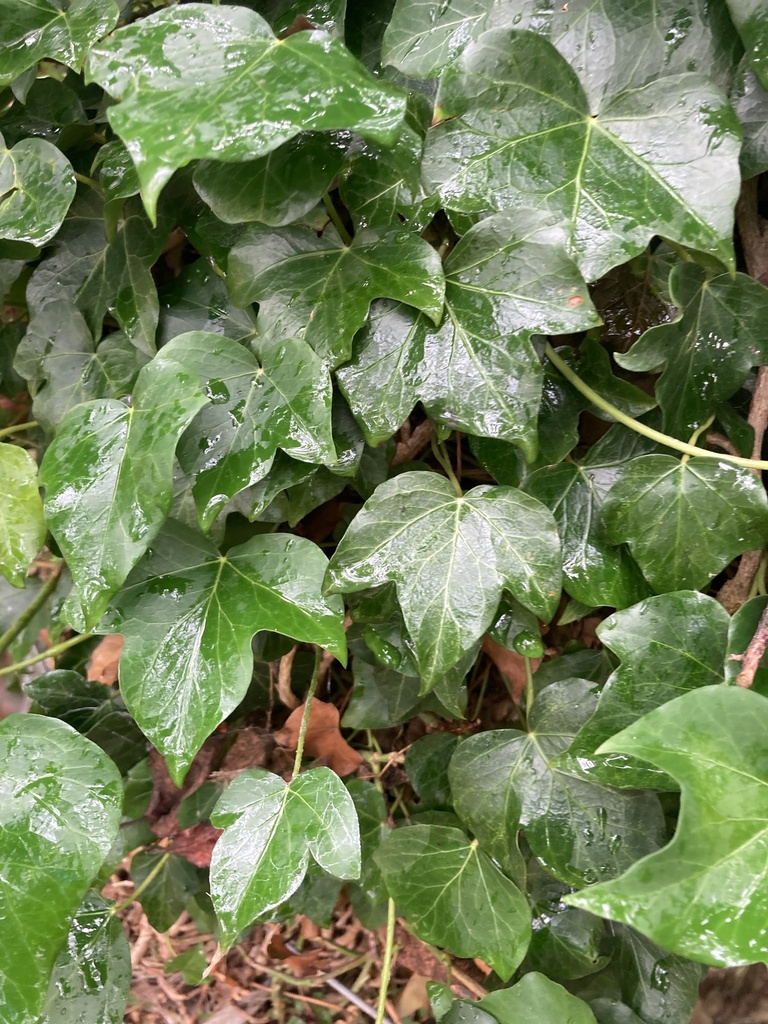
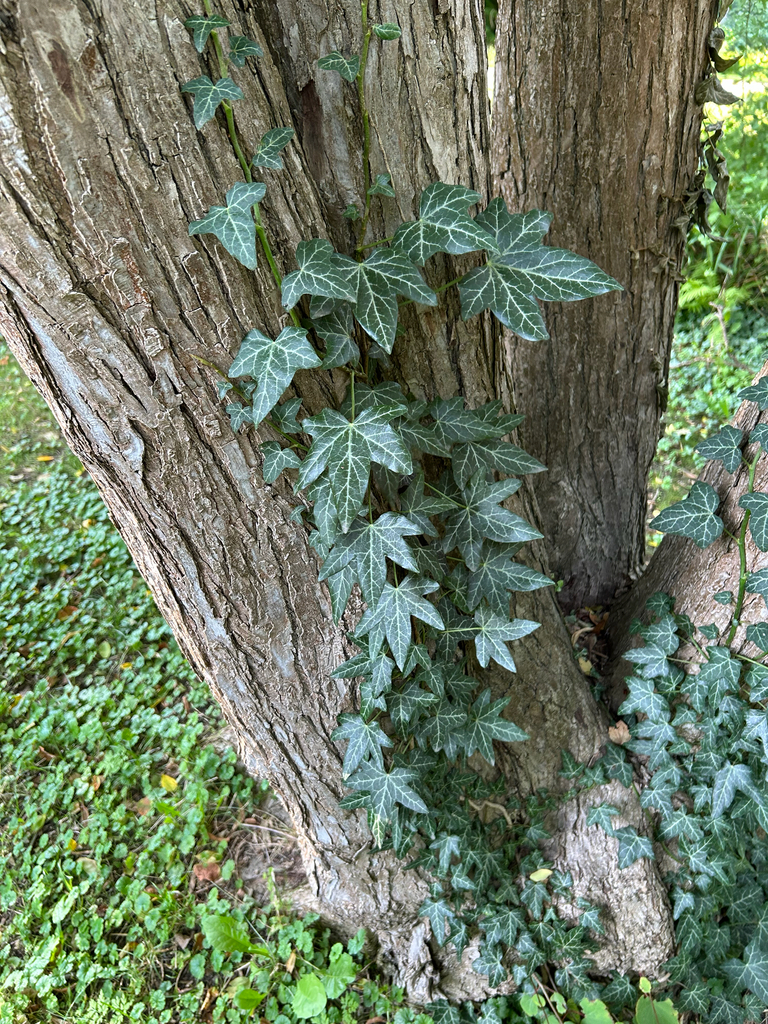
ni_ki · CC BY 4.0
Related Species
Was this profile helpful?