
Agaricomycetes · Polyporales
Hen Of The Woods
Grifola frondosa
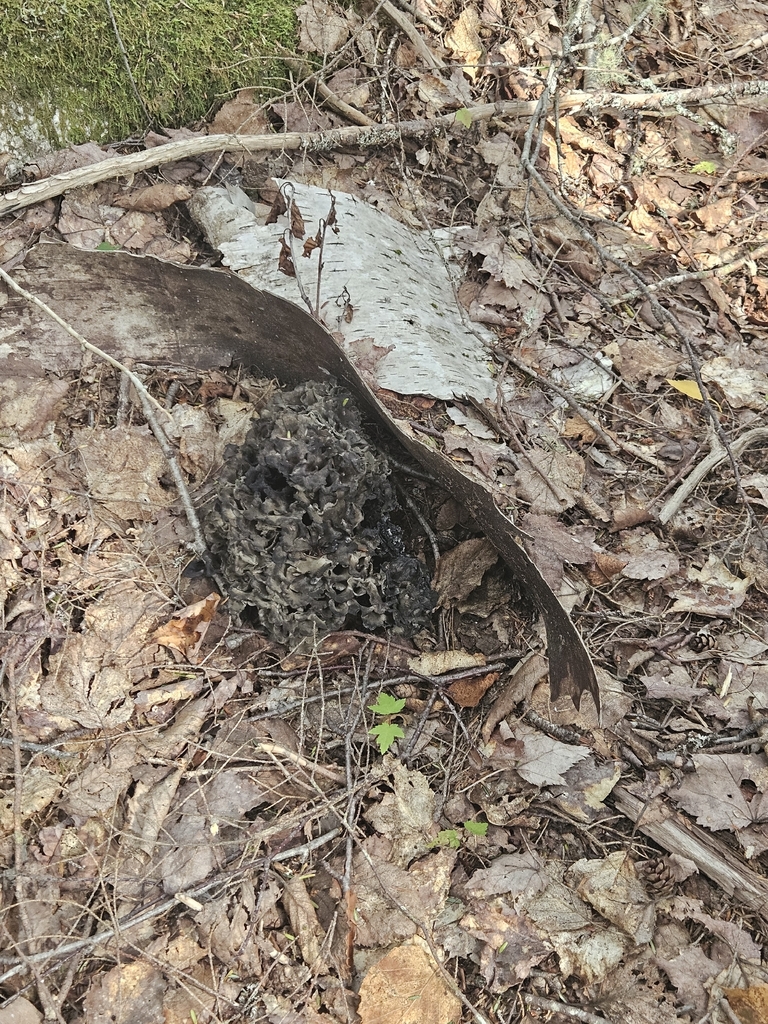
© Chad Simmons · iNaturalist
Scientific Classification & Quick Facts
Classification
Known For
Detailed measurements for this species are still being verified.
Grifola frondosa, commonly known as Hen Of The Woods, is a striking polypore fungus that forms massive, shelf-like fruiting bodies resembling the ruffled plumage of a brooding hen. Found across temperate forests in at least 15 countries worldwide, this wood-decay specialist emerges at the base of aging hardwoods—particularly oaks—in autumn, often returning to the same trees year after year. Its conservation status remains unknown, yet its widespread distribution and ecological role as a decomposer make it a fungus of genuine ecological and culinary significance.
What sets this species apart is the combination of its impressive size, reliable appearance in the same locations across seasons, and its status as a prized edible mushroom in both traditional Asian cuisine and Western foraging communities. The layered, frond-like structure of its fruiting body is not merely aesthetic—it represents an efficient surface area for spore dispersal across its wood-rotting habitat. Understanding this fungus illuminates how fungi drive nutrient cycling in forest ecosystems while simultaneously offering practical value to those who recognize and harvest it responsibly.
Identification and Appearance
Grifola frondosa is a polypore fungus that produces distinctive clustered fruiting bodies arising from a single underground structure. The fungus originates from a tuber-like sclerotium roughly the size of a potato, from which multiple mushroom caps emerge in a dense, interconnected formation. This clustering habit gives the species its common name, as the overlapping caps resemble the feathered plumage of a brooding hen.
The fruiting bodies form substantial clumps that can reach up to 50 centimetres in diameter, with exceptional specimens occasionally exceeding 150 centimetres. Individual caps are fan-shaped or spatulate, with a pale cream to grey-brown coloration on the upper surface. Underneath, the pores are small, round, and white to pale yellow, running down the stem-like structures that connect each cap to the central base. As the mushroom matures, the flesh becomes increasingly tough and woody, transitioning from a more pliable texture when young to a firm, almost cork-like consistency in older specimens.
Distinguishing Features
The compound, shelf-like arrangement of multiple caps fused at a common base makes G. frondosa highly recognizable. No sexual dimorphism occurs in this fungus. The pale pore surface, small uniform pores, and the distinctive clustered growth habit from a single basal point are key identification features that differentiate it from related polypores.
Distribution and Habitat
Grifola frondosa, commonly known as Hen of the Woods, has been recorded across 15 countries, with the strongest documented presence in North America and northern Europe. GBIF records show the United States dominates observations with 176 records, followed by Sweden (46), the Netherlands (39), Norway (7), and Finland (6). Additional sightings occur in the United Kingdom, Poland, Germany, Canada, and Costa Rica, indicating a distribution pattern centered on temperate and boreal zones.
The species exhibits a pronounced seasonal peak in late summer and early autumn. GBIF data demonstrates that September accounts for the vast majority of observations (178 records), with August also showing significant fruiting activity (30 records). Spring and early summer months yield minimal sightings, suggesting that fruiting occurs primarily from late August through September in most of its range. After September, records drop sharply to zero, indicating the fruiting season concludes rapidly as temperatures decline.
Elevation data for this species remains undocumented in current records, though Grifola frondosa typically colonizes deciduous and mixed forests across a wide altitudinal range. The fungus grows as a parasitic or saprotroph on the bases and roots of hardwood trees, particularly oak species, making woodland habitats its primary ecological niche. Its widespread occurrence across temperate forests of North America and Europe, combined with its autumn fruiting period, reflects adaptation to cool-season conditions in forested landscapes.
Ecology and Lifecycle
Lifecycle
Grifola frondosa begins its lifecycle as vegetative mycelium colonizing dead wood and tree stumps, particularly those of oak and other hardwoods. This network of fungal threads can persist for years within the substrate, drawing nutrients from decaying cellulose and lignin. When conditions favour fruiting—typically in autumn when soil moisture and temperatures align—the mycelium concentrates resources to produce the characteristic fruiting body.
The fruiting body emerges as a massive, compound polypore cluster that can weigh several kilograms and persist for weeks. Thousands of tiny individual fruiting units radiate outward from a central base, each bearing a thin hymenium (spore-bearing surface) underneath. Spores are produced continuously throughout the fruiting period and dispersed by air currents, traveling considerable distances before settling on suitable substrates where new mycelial colonies may establish.
Ecological Role
Grifola frondosa functions as a wood decomposer, breaking down the cellulose and hemicellulose in dead hardwood. This process is ecologically essential: it recycles nutrients locked in fallen trees back into the soil, enriching it for other plants. The fungus produces powerful enzymatic systems capable of penetrating the toughest plant tissues, making it highly effective at colonizing stumps and logs that might otherwise persist for decades.
As a saprotroph, it supports the forest food web by providing substrate for invertebrates and creating microhabitats within and around the fruiting body. Its presence indicates healthy, undisturbed forests with sufficient deadwood—a marker of ecological integrity that attracts foragers and naturalists.
Uses
Grifola frondosa has been cultivated and harvested in East Asia for centuries, particularly in Japan where it is called maitake (“dancing mushroom”). It is prized as an edible fungus with a firm, slightly nutty texture and is prepared in soups, stir-fries, and traditional dishes. The fruiting bodies are also dried and brewed as a medicinal tea in traditional Chinese and Japanese medicine.
Modern ethnobotanical and nutritional research has focused on bioactive polysaccharides extracted from G. frondosa, particularly beta-glucans, which have been investigated for potential immunomodulatory properties. Commercial cultivation of maitake has become established in North America, Europe, and Asia, with both fresh and dried products widely available in specialty markets and health food stores. The species is generally recognized as safe for consumption when properly identified and prepared.
Conservation and Threats
Grifola frondosa, commonly known as Hen Of The Woods, has not been formally assessed by the IUCN Red List. This absence of a formal conservation status reflects the limited systematic monitoring of fungal species globally, a gap that affects many economically and ecologically important fungi. Without a designated status, the conservation needs and population dynamics of this species remain largely undocumented at the international level.
The species faces indirect pressures from forest management practices and habitat alteration. As a wood-decay fungus that fruiting primarily on mature or dead hardwood trees—particularly oak—it depends on forests with sufficient deadwood and structural complexity. Intensive forestry that removes fallen logs, clears understory growth, or simplifies stand composition can reduce fruiting substrate availability. Additionally, urban expansion and forest fragmentation limit suitable habitat patches in regions where Grifola frondosa once fruited regularly.
Threats
The primary threat to Grifola frondosa populations is habitat loss through forest conversion and intensive woodland management. Overharvesting of wild fruiting bodies in regions where the species is commercially valued—particularly in Asia—poses a localized pressure on population sustainability. Climate change may further alter fruiting phenology and the moisture regimes that favour sporocarp development. Unlike species with formal Red List assessments, Grifola frondosa lacks quantified data on population decline, making it difficult to gauge severity or prioritise intervention.
Conservation Efforts
No globally coordinated conservation programme currently protects Grifola frondosa. Some jurisdictions include it within broader forest protection policies, and in parts of East Asia, where the species holds cultural and commercial significance, local communities practise selective harvesting to sustain wild populations. Cultivation of Grifola frondosa on hardwood substrate in controlled settings has become widespread, which reduces pressure on wild populations in regions with established cultivation industries.
Cultural Significance
Grifola frondosa, commonly known as Hen Of The Woods, lacks extensive documented cultural mythology or symbolic significance in Western traditions. However, its common name itself reflects a vernacular recognition rooted in its appearance—the clustered, layered fruiting bodies resemble the ruffled plumage of a hen, a metaphor that has persisted across English-speaking regions where the fungus occurs.
The species holds greater cultural importance in East Asian cuisines and traditional medicine systems. In Japan, where it is called maitake (舞茸, literally “dancing mushroom”), Grifola frondosa has been cultivated and valued for centuries both as a culinary ingredient and as a subject of medicinal preparation. This dual role—food and remedy—has integrated the fungus into household practices and folk knowledge across Japan, China, and Korea, though specific mythological narratives are not widely documented in accessible Western sources.
Outside these regions, the fungus remains primarily recognized by foragers and mycologists rather than through broader cultural narratives. Its edibility and nutritional profile have made it a target for both wild harvesting and commercial cultivation, particularly in North America and Europe, where it has gained traction among chefs and health-conscious consumers in recent decades.
Fun Facts
Grifola frondosa is one of the most culturally significant fungi in the world, with names that reveal its global reach and distinctive appearance. Known as hen-of-the-woods in English, maitake in Japanese, and sheep’s head or ram’s head in other regions, this mushroom has earned multiple identities across China, Europe, and North America, each name reflecting how different cultures perceive its ruffled, layered fruiting body.
- The mushroom’s affinity for old growth oak and maple trees is so specialized that foragers often return to the same tree year after year—sometimes for decades—because Grifola frondosa reliably fruits at the base of its preferred hosts.
- As a polypore, this mushroom produces spores through tiny pores on its underside rather than through gills like common shop mushrooms, making it structurally quite different from the fungi most people encounter in kitchens.
- A single fruiting body can weigh 5 to 10 kilograms (11 to 22 pounds) when fully mature, creating a sprawling, cauliflower-like cluster that can take up considerable space on the forest floor.
- In Japan, maitake literally means “dancing mushroom,” a name said to originate from the joy and dancing that erupted when foragers discovered this prized edible in the wild.
- The mushroom forms a mycorrhizal or parasitic relationship with its host trees, gradually weakening them while producing some of the finest edible fruiting bodies in temperate forests.
- Grifola frondosa has been used in traditional Asian medicine for centuries, and modern research has documented bioactive compounds in its fruiting bodies that may support immune function.
Ecology
Edibility
Photo Gallery
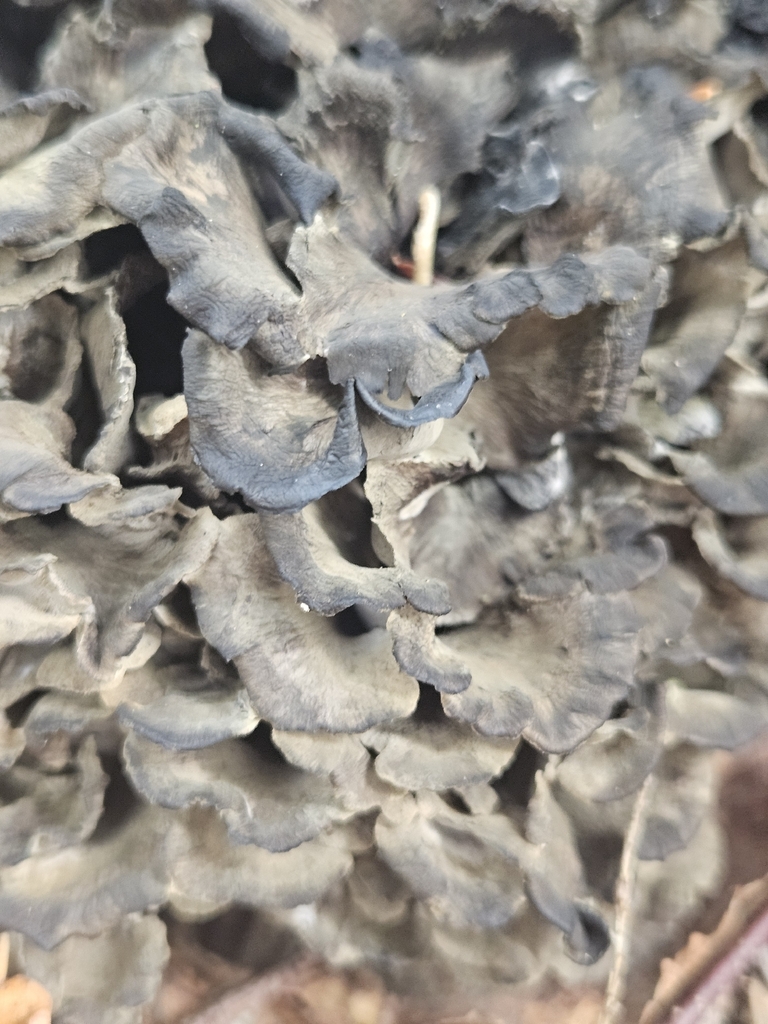
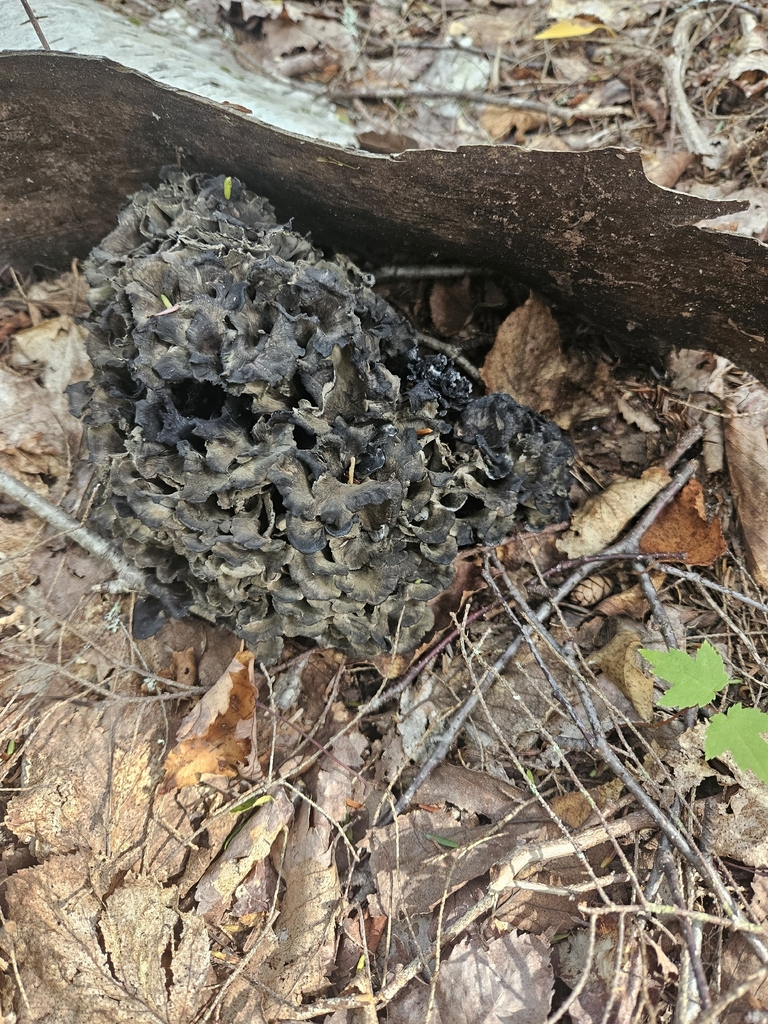
Chad Simmons ·
Related Species
Was this profile helpful?