
Agaricomycetes · Russulales
Saffron Milk Cap
Lactarius deliciosus
Also known as: Saffron Milk-Cap, Saffron Milkcap
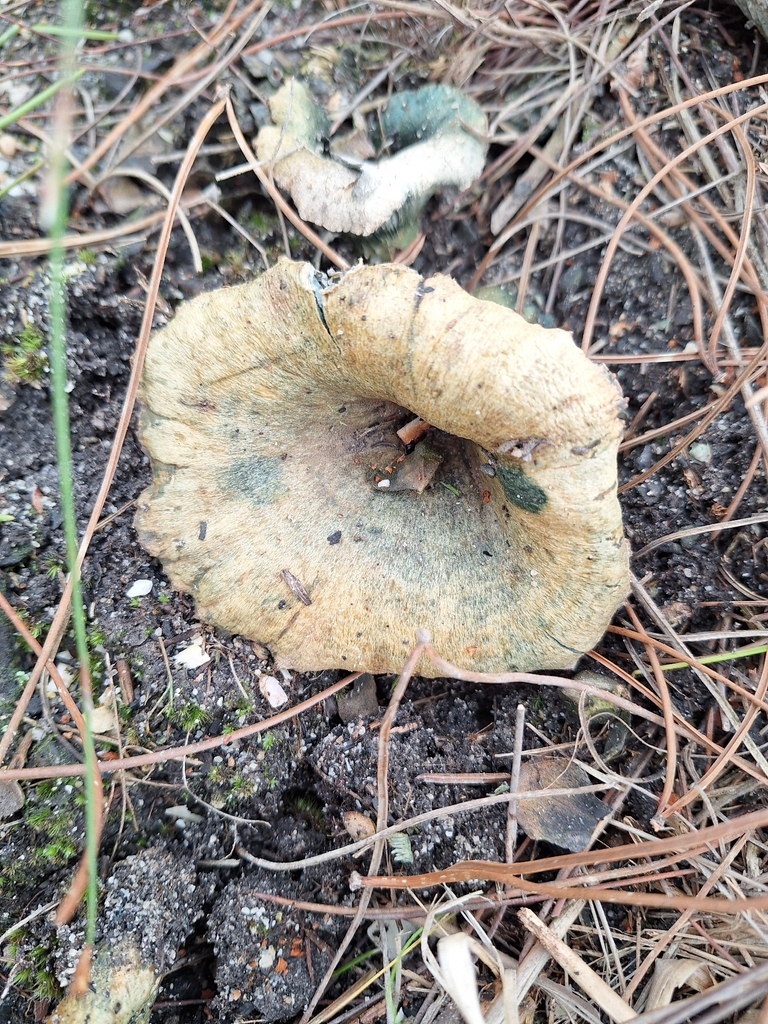
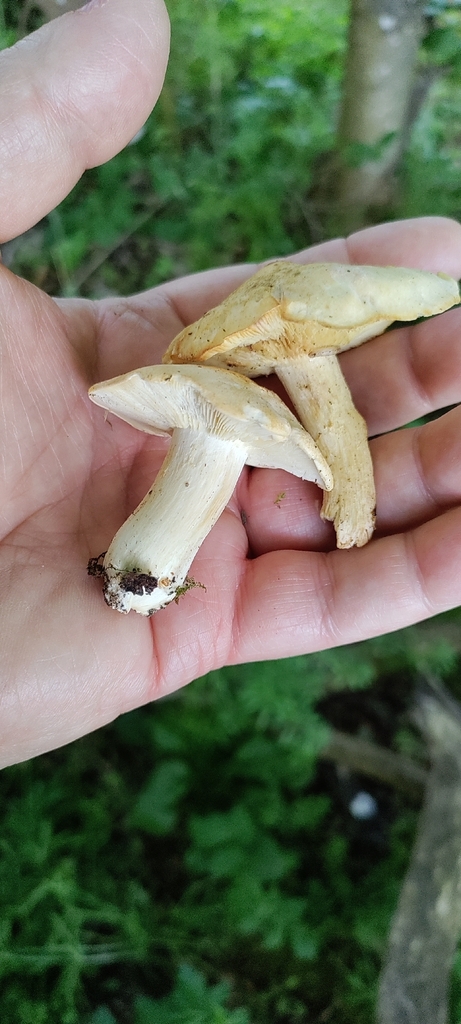
© Adele SL · iNaturalist · CC BY 4.0
Scientific Classification & Quick Facts
Classification
Known For
Detailed measurements for this species are still being verified.
Lactarius deliciosus, the Saffron Milk Cap, is one of Europe’s most prized wild mushrooms, instantly recognizable by its vivid orange cap and the distinctive orange or reddish latex it releases when cut. Unlike many fungi that remain cryptic and difficult to identify, this species announces itself boldly in pine and spruce forests, making it a favorite target for foragers across temperate regions. Found across at least 12 countries, it occupies a secure ecological niche and remains abundant in suitable habitats.
Conservation status data for L. deliciosus remains incomplete, classified as “Unknown” by current assessments, yet the species shows no sign of decline in regions where suitable pine-dominated habitats persist. Its culinary reputation—particularly strong in Scandinavia, Spain, and Central Europe—has made it economically significant to rural communities and a barometer of forest health. This combination of ecological prominence, gastronomic value, and striking appearance makes the Saffron Milk Cap a particularly compelling subject for naturalists and food enthusiasts alike.
Identification and Appearance
Lactarius deliciosus, the Saffron Milk Cap, is a medium-sized fungus immediately recognizable by its striking carrot-orange coloration. The cap measures 3 to 20 centimetres across and displays a convex to vase-like shape, inrolled and compact when young before expanding with age. The surface is sticky and viscid when wet, though it often appears dry in fair weather. Most distinctive are the concentric circles of darker orange that radiate across the cap surface, creating a visually arresting pattern.
Stem and Gills
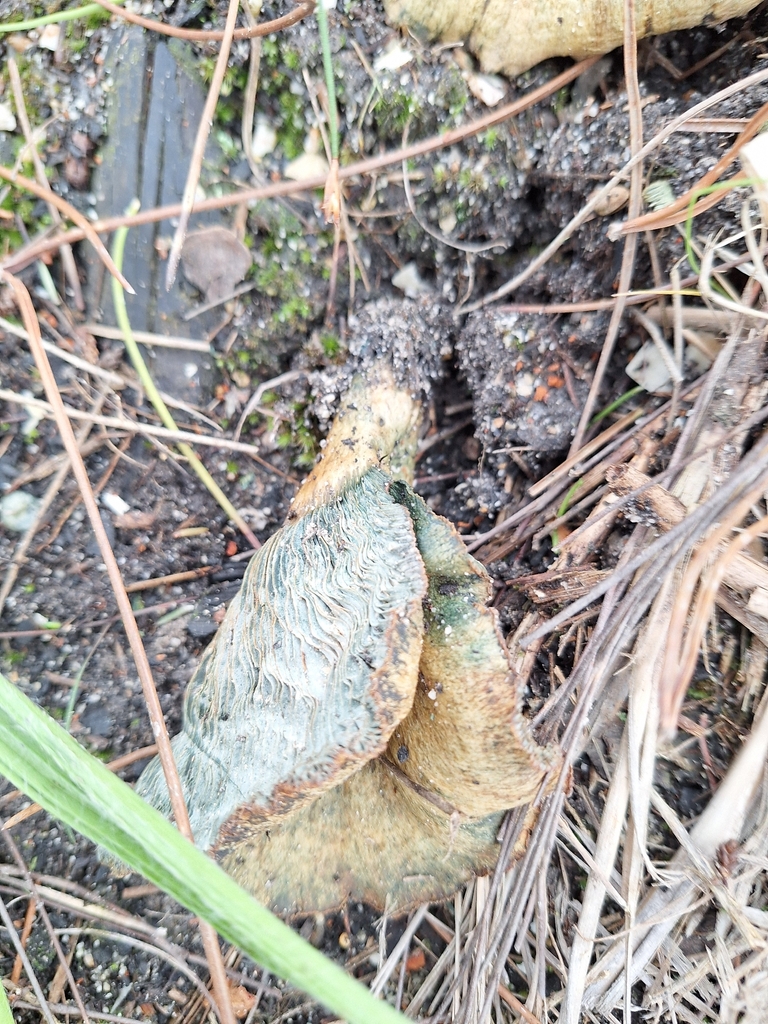
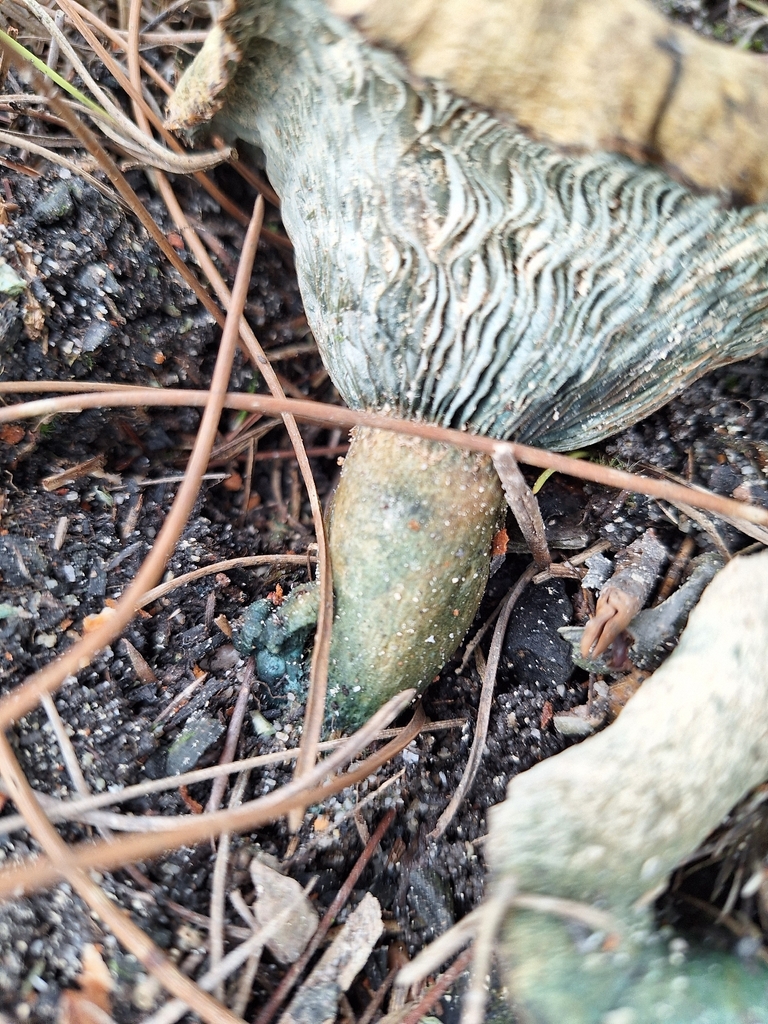
The squat, orange stipe (stem) reaches 2 to 8 centimetres in height and is frequently hollow. Gills are crowded and decurrent—running down the stem—displaying the same warm orange hue as the cap. When bruised or cut, the flesh releases a distinctive milk-like latex, a feature that defines the entire Lactarius genus. In this species, the latex is orange and does not significantly change colour upon exposure to air, a key diagnostic feature that separates it from similar species.
The overall appearance creates a cohesive, uniform orange impression that makes identification straightforward for foragers familiar with its distinctive morphology. No sexual dimorphism occurs in this fungus, as it is not an animal organism and lacks reproductive differentiation between individuals.
Distribution and Habitat
Lactarius deliciosus has a wide global distribution across temperate and Mediterranean regions, with recorded observations in 12 countries. Australia dominates the observation record with 256 documented sightings, making it the primary hotspot for this species. Secondary populations occur in Israel (10 records), Portugal (8), Spain (6), and scattered occurrences in the United States, South Africa, Argentina, Chile, Italy, and Uruguay. This pattern reflects both the species’ ability to establish in introduced pine plantations and active mycological documentation in certain regions.
The fungus shows a pronounced seasonal presence, with activity concentrated in the Southern Hemisphere autumn and Mediterranean spring. Peak fruiting occurs in April, with 157 recorded observations in that month alone. March and May also show significant activity (34 and 66 records respectively), while occurrences drop sharply from June onward through the end of the year. This seasonal window aligns with cool, moist conditions favorable for mushroom fruiting in pine-associated ecosystems.
Lactarius deliciosus is an ectomycorrhizal associate of pine trees, fruiting in coniferous and mixed forests where suitable host trees are present. The species adapts readily to both native pine woodlands and planted pine plantations, which explains its widespread occurrence across different continents wherever pines have been introduced.
Ecology and Lifecycle
Lifecycle
Lactarius deliciosus begins its lifecycle as mycelial threads that spread through soil and forest litter, typically in association with conifer trees such as pine and fir. The mycelium forms a mycorrhizal relationship with these host trees, exchanging nutrients with the tree roots while drawing carbohydrates in return. When environmental conditions align—adequate moisture, moderate temperatures, and sufficient organic matter—the mycelium produces fruiting bodies, the visible mushrooms we recognize.
The fruiting bodies emerge seasonally, typically from late summer through autumn in temperate regions. The mushroom’s characteristic orange or reddish cap and gills contain millions of microscopic spores. When mature, these spores are released into the air currents and dispersed across the forest floor. A single fruiting body can produce enormous quantities of spores, vastly increasing the chances that some will land in suitable conditions for new mycelial colonies to establish. Once spores settle in appropriate substrate with compatible tree hosts, the lifecycle begins anew.
Ecological Role
Lactarius deliciosus functions as a mycorrhizal symbiont, establishing mutually beneficial relationships with coniferous trees. The fungus colonizes the fine root tips of pine, fir, and spruce trees, expanding the tree’s ability to absorb water and mineral nutrients from the soil. In exchange, the tree provides the fungus with photosynthetically derived sugars. This partnership enhances the health and resilience of both organisms, particularly in nutrient-poor or stressed forest environments.
Beyond its mycorrhizal role, the saffron milk cap contributes to nutrient cycling within forest ecosystems. The fruiting bodies themselves provide food for various forest animals, including insects, small mammals, and fungi-feeding invertebrates. When these animals consume and disperse spores through their droppings, they further facilitate the spread of the fungus across the landscape. The decomposition of spent fruiting bodies returns organic matter to the soil, enriching it for the broader forest community.
Uses
Lactarius deliciosus is widely considered an edible and desirable mushroom across Europe and parts of Asia. Its firm flesh and mild, slightly fruity flavor make it a prized culinary ingredient. In Spanish and Portuguese cuisine, it is particularly valued and appears in traditional dishes. The mushroom is typically sautéed, roasted, or added to stews and pasta. It is often sold fresh in farmers’ markets during autumn and is also dried or preserved for year-round use.
Beyond culinary applications, some traditional medicine systems have attributed health-promoting properties to Lactarius deliciosus, though scientific validation of these claims remains limited. The mushroom contains various compounds including polysaccharides and antioxidants, which may contribute to its nutritional profile. Commercially, it is cultivated in some regions to meet growing culinary demand, though wild harvesting from natural forests remains the dominant source.
Conservation and Threats
Lactarius deliciosus, the Saffron Milk Cap, has not been formally assessed by the IUCN Red List. This absence of an official conservation status reflects the limited data available on global population trends for this fungal species. Without a designated Red List category, the species is not legally protected under international conservation frameworks, though local or regional regulations may apply in specific countries.
Threats and Conservation Challenges
The primary threat to Lactarius deliciosus populations is habitat loss and degradation. This species forms mycorrhizal associations with coniferous and mixed forests, particularly pine and fir trees. Forestry practices—including clear-cutting, monoculture planting, and conversion of natural forests to other land uses—directly reduce suitable fruiting habitat. Fragmentation of forest ecosystems further disrupts the fungal networks required for reproduction and spore dispersal.
Climate change poses an emerging threat through alterations to temperature and moisture regimes that fungi depend on for fruiting. Shifts in precipitation patterns and seasonal timing can disrupt the synchronization between fungal fruiting and environmental conditions. Additionally, overcollection for commercial sale in certain regions, particularly in Europe and parts of Asia, can reduce local fruiting populations if harvesting exceeds regeneration rates.
Conservation Efforts and Protections
No species-specific conservation programmes have been formally established for Lactarius deliciosus. However, protection occurs indirectly through broader forest conservation initiatives. Many regions that protect old-growth and native coniferous forests benefit this species by maintaining the mycorrhizal partnerships and microhabitats necessary for fruiting. In some European countries, wild mushroom harvesting is regulated through permits or seasonal restrictions that indirectly limit overharvesting pressure.
Cultural Significance
Lactarius deliciosus holds a place in human history that stretches back to antiquity. A fresco discovered in Herculaneum, the Roman town preserved by the eruption of Mount Vesuvius in 79 CE, appears to depict this species and ranks among the earliest artistic representations of a fungus known to exist. This image provides rare visual evidence that the Romans recognized and documented mushroom species in their daily lives.
The survival of this artistic record demonstrates that L. deliciosus was significant enough to the inhabitants of Herculaneum to warrant inclusion in domestic decoration, likely reflecting both its culinary value and cultural familiarity. The fresco offers a window into how fungal species were perceived and valued in the ancient Mediterranean world.
Fun Facts
- The saffron milk cap earned its name from the bright orange-red colour of its cap and the orange milk (latex) it releases when cut or bruised. This distinctive latex is one of the defining features of the entire Lactarius genus.
- Despite its European origin, Lactarius deliciosus has spread worldwide as a accidental hitchhiker with pine trees planted in new regions. It now fruits in pine plantations across North America, Australia, and other continents where Scots pine and other conifers were introduced.
- This fungus forms a mycorrhizal partnership exclusively with pine trees, meaning it cannot fruit without them. The mycelium exchanges nutrients with the pine’s roots, making the tree stronger while the fungus gains sugars it cannot produce alone.
- The orange milk produced by saffron milk caps contains compounds that stain green or blue-green when exposed to air over several hours—a colour change that can help confirm the species in the field.
- Young saffron milk caps have inrolled (curled inward) edges and a sunken central disc, but mature specimens flatten out and often develop darker orange zones or pits. This dramatic change in shape occurs as the mushroom ages over several days.
- Among the milk-cap genus, Lactarius deliciosus is one of the most widely foraged and commercially traded edible mushrooms in Europe, particularly in Spain, France, and Portugal where it commands premium prices at markets.
- The fungus produces spores in gills underneath its cap, and these gills are pale orange to salmon-coloured when young, darkening with age. A single mature fruiting body can release millions of spores to colonize new pine roots in the soil.
Ecology
Edibility
Photo Gallery
Adele SL · CC BY 4.0
Related Species
Was this profile helpful?