
Agaricomycetes · Auriculariales
Jelly Ear
Auricularia auricula-judae
Also known as: Jew's Ear, wood ear, Wood Ear
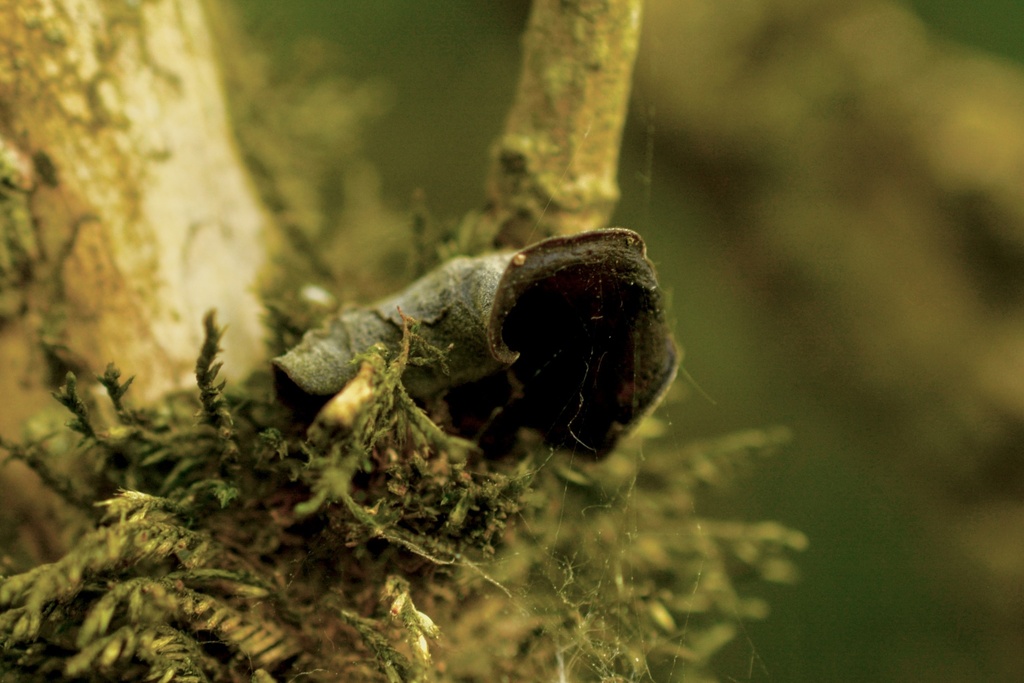
© Cara Ennis · iNaturalist · CC BY 4.0
Scientific Classification & Quick Facts
Classification
Known For
Detailed measurements for this species are still being verified.
Auricularia auricula-judae, known as Jelly Ear, is a gelatinous fungus that appears on dead wood like a translucent, fleshy ear sprouting from the bark. Its rubbery texture and ear-like shape make it instantly recognizable in forests across the Northern Hemisphere and beyond. Found in at least 19 countries worldwide, this basidiomycete fungus thrives on decaying hardwoods, particularly elder trees, where it feeds on the decomposing wood and plays a crucial ecological role in nutrient cycling.
Although its conservation status remains unknown, Jelly Ear’s widespread distribution and tolerance for varied environmental conditions suggest it faces no immediate threat. What makes this species truly distinctive is its dual role: simultaneously a decomposer essential to forest health and an edible fungus valued in traditional Asian cuisines for centuries. Its combination of ecological importance, culinary interest, and unusual morphology has made it a focal point for both mycologists and foragers.
Identification and Appearance
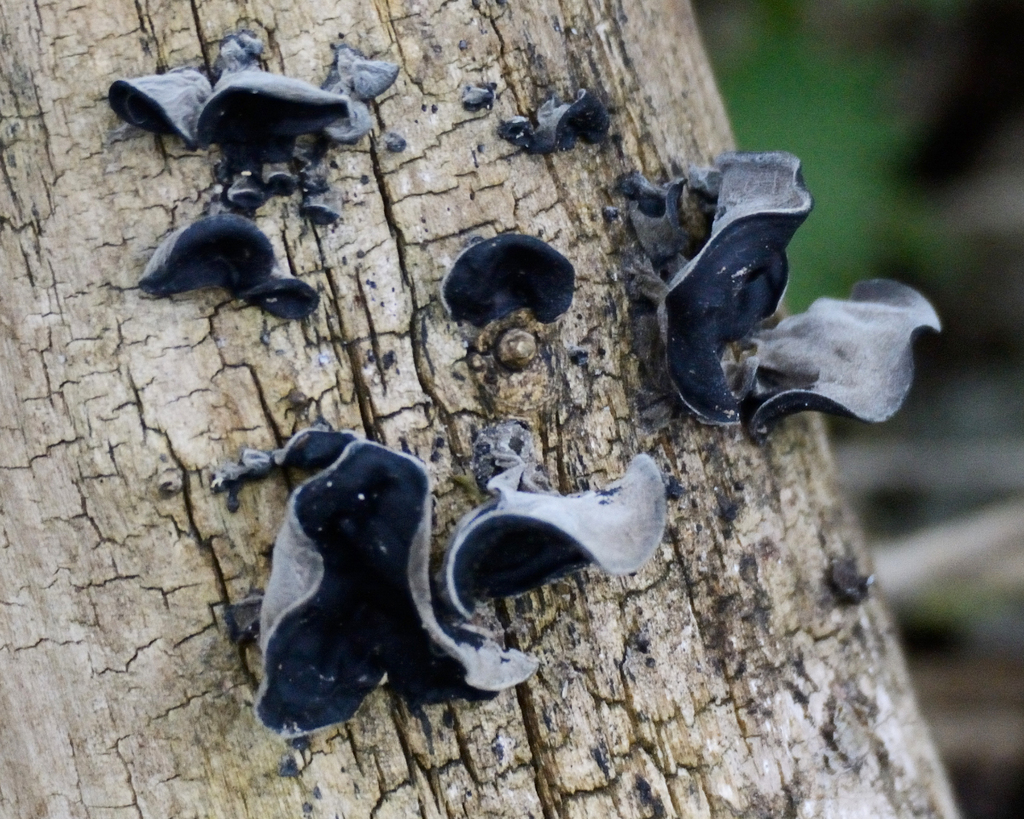
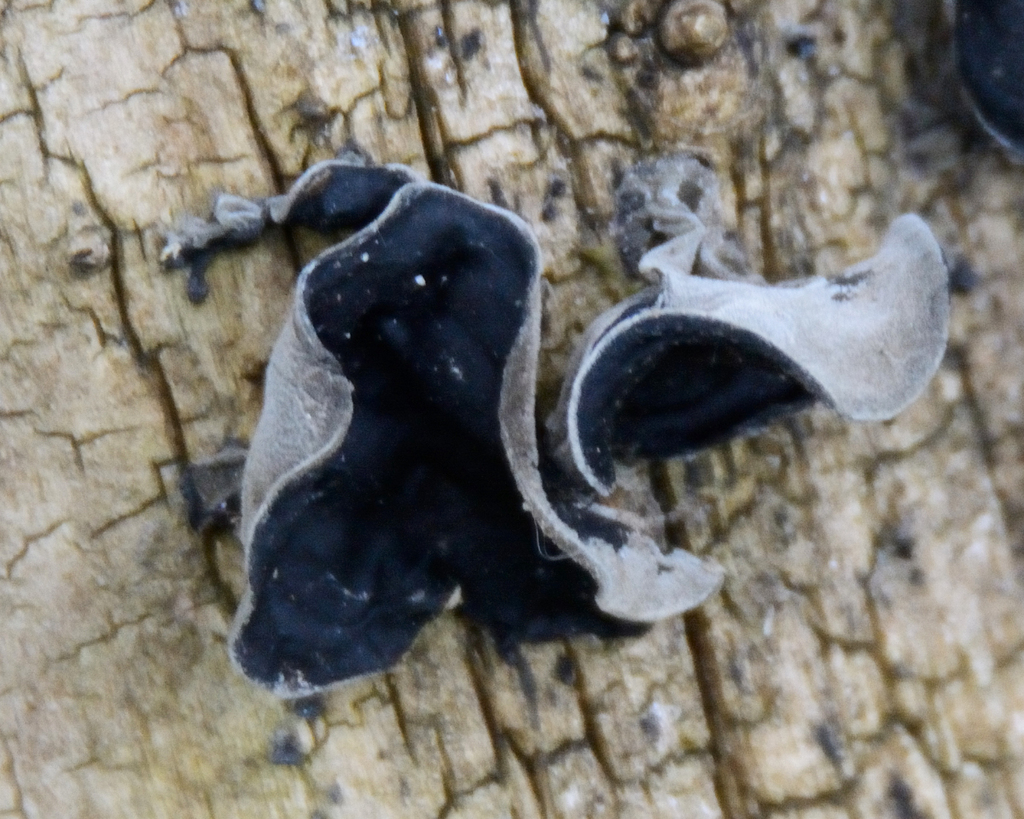
Auricularia auricula-judae, commonly known as Jelly Ear, is a gelatinous fungus with a distinctive morphology that gives it its vernacular name. The fruit body typically reaches up to 9 centimetres across and measures up to 3 millimetres thick. Its shape is highly variable—most commonly resembling a floppy ear, but sometimes appearing cup-shaped or folded. The fungus attaches to its substrate (usually dead wood) laterally, occasionally via a very short stalk.
Texture and Colour
Fresh fruit bodies possess a tough, gelatinous, elastic texture that is distinctly rubbery to the touch. This characteristic changes dramatically upon drying: the fungus becomes hard and brittle, shrinking considerably. The upper surface displays a reddish-tan-brown coloration and is covered in fine, downy hairs that give it a velvet-like appearance. This hairy coating can be folded and wrinkled, adding to the ear-like impression. As individual fruit bodies age, they gradually darken, eventually becoming nearly black in older specimens.
Distribution and Habitat
Auricularia auricula-judae, the Jelly Ear fungus, has been recorded across 19 countries, with a strong presence in temperate Europe. The United Kingdom dominates the occurrence record with 183 documented sightings, followed by Germany (31 sightings) and Denmark (27 sightings). Significant populations also occur in Sweden, the Netherlands, Switzerland, Italy, France, Poland, and Spain, indicating a broad geographic distribution across the continent.
The fungus typically fruits within a moderate elevation range, from 380 metres to 1,575 metres above sea level, with an average elevation of approximately 672 metres. This range encompasses lowland woodlands and mid-elevation forests across European temperate zones. The species shows a markedly seasonal fruiting pattern, with virtually all documented specimens appearing in January, suggesting a narrow and winter-restricted fruiting window when conditions favour reproduction and dispersal.
Given its prevalence across northern and central Europe and its consistent appearance at accessible elevations, Auricularia auricula-judae remains one of the most widely encountered gelatinous fungi in temperate woodlands, particularly during the winter months when observers actively seek fruiting bodies.
Ecology and Lifecycle
Lifecycle
Auricularia auricula-judae begins its lifecycle as mycelium colonizing dead or weakened wood of deciduous trees and shrubs. The fungus spreads through the substrate as fine, thread-like hyphae, breaking down the woody tissue over months or years. When environmental conditions favour fruiting—typically following sustained moisture and warm temperatures in spring through autumn—the mycelium produces fruit bodies: the distinctive gelatinous, ear-shaped structures that give the fungus its common name.
Spore dispersal in Auricularia auricula-judae is remarkably efficient. The underside of each fruit body releases hundreds of thousands of spores per hour through a specialized hymenium (spore-bearing layer). This high dispersal rate persists even as the fruit bodies lose water through dehydration; the fungus continues ejecting spores even after losing 90 percent of its weight. The dried bodies retain their reproductive capacity, allowing spore release across extended periods and across variable moisture conditions.
Ecological Role
Auricularia auricula-judae functions primarily as a saprotroph, decomposing dead wood on older branches of deciduous trees. It can also act as a weak parasite on living wood, invading stressed or damaged trees. The fungus causes white rot, a form of decay in which lignin and cellulose are broken down selectively, leaving a bleached, fibrous residue. This decomposition process recycles nutrients locked in woody debris and returns them to the forest ecosystem.
The fungus shows a marked preference for elder (Sambucus nigra) but also colonizes sycamore, beech, ash, and spindle. It very rarely appears on coniferous wood. Fruit bodies grow solitarily, in loose groups, or in dense clusters, sometimes forming impressive displays on fallen logs and dead branches. Its prolific spore production and broad substrate availability make it a common sight in deciduous and mixed woodlands across temperate regions.
Uses
Auricularia auricula-judae has long held culinary and medicinal value in Asian cuisines. In traditional Chinese medicine and contemporary cooking, it is valued for its gelatinous texture and is sometimes prepared as a dried ingredient added to soups and stir-fries. The fungus is not toxic and has been harvested and consumed for centuries, particularly in East Asian food traditions.
Beyond food use, Auricularia auricula-judae has been investigated in traditional medicine for anti-inflammatory and immunomodulatory properties, though these claims require further scientific validation. Its ability to thrive on common urban and woodland substrates, combined with its conspicuous appearance and proven edibility, has made it attractive for small-scale foraging and potential cultivation in sustainable food production systems.
Conservation and Threats
Auricularia auricula-judae, commonly known as Jelly Ear, has not been formally assessed by the International Union for Conservation of Nature (IUCN) and therefore lacks an official Red List classification. However, the species shows an increasing population trend globally, suggesting it is not currently under significant conservation pressure. Its widespread distribution and ability to colonize a variety of wood substrates have allowed it to thrive across temperate and subtropical regions worldwide.
Threats and Conservation Efforts
No major threats have been documented for Jelly Ear. The fungus is highly adaptable and occurs on dead wood in diverse habitats, from woodlands to urban parks and gardens. Its resilience to environmental change and broad ecological niche make it resistant to localized habitat loss. Unlike species dependent on rare or declining host plants, Auricularia auricula-judae benefits from the abundance of dead wood in managed and wild landscapes.
The increasing population trend reflects the species’ success as a cosmopolitan fungus. In some regions, it has become established as a cultivated crop due to its culinary and medicinal value in East Asian cuisines, particularly in China and Japan. This commercial interest has actually increased its visibility and may support population stability through deliberate cultivation on prepared substrates. No specific legal protections or international conservation programmes target this species, as none are needed at present.
Cultural Significance
Auricularia auricula-judae, commonly known as Jelly Ear, has secured its place in human culture primarily through its culinary and medicinal applications across East Asian traditions. The species represents one of the most commercially cultivated fungi globally, with multiple domesticated varieties developed and refined over centuries. Research into these domesticated strains reveals significant genetic and phenotypic diversity, indicating that human selection and cultivation practices have shaped distinct populations adapted to specific agricultural and consumer preferences.
The fungus holds particular importance in traditional Chinese and Asian cuisine, where it appears in soups, stir-fries, and medicinal preparations. Its gelatinous texture and mild flavor make it a versatile ingredient, while its perceived health properties have cemented its role in folk medicine systems. The existence of three major domesticated varieties, as documented in comparative transcriptome analyses, underscores how different cultures and agricultural regions have independently selected and maintained distinct strains, each valued for particular characteristics suited to local culinary traditions and climate conditions.
Fun Facts
- The basidiocarps of Auricularia auricula-judae are distinctly gelatinous and ear-shaped, an unusual texture and form for a fungus. This jelly-like consistency when fresh is rare among wood-decaying species, making it instantly recognizable in the field.
- Its common name derives from medieval folklore linking the fungus to Judas Iscariot, who, according to legend, hanged himself from an elder tree. The specific epithet auricula-judae translates directly to “Judas’s ear,” cementing this mythological association in its scientific nomenclature.
- The species shows a strong host preference for elder wood (Sambucus species), rarely fruiting on other woody substrates. This specificity makes elder trees a reliable place to search for this fungus in regions where both species coexist.
- Despite being a fungus, Auricularia auricula-judae belongs to the order Auriculariales, a group known for producing gelatinous basidiocarps. However, this species stands out as one of the most recognizable members of the order due to its distinctive ear-like morphology.
- The fungus is commercially cultivated and harvested for food in East Asia, particularly in China, where it has been valued for centuries in traditional cuisine. Its gelatinous texture and mild flavor make it a sought-after ingredient in soups and stir-fries.
- Fresh specimens are translucent and can appear glossy, but they shrink dramatically and become dark, brittle, and curled when dried. This dramatic change in appearance between fresh and desiccated states can make identification challenging for inexperienced foragers.
Ecology
Habitats
Diet
Behavior
Edibility
Photo Gallery
Cara Ennis · CC BY 4.0
Related Species
Was this profile helpful?