
Magnoliopsida · Fagales
Silver Birch
Betula pendula
Least ConcernAlso known as: Common Birch, East Asian White Birch, East Asian white birch, European White Birch, European weeping birch
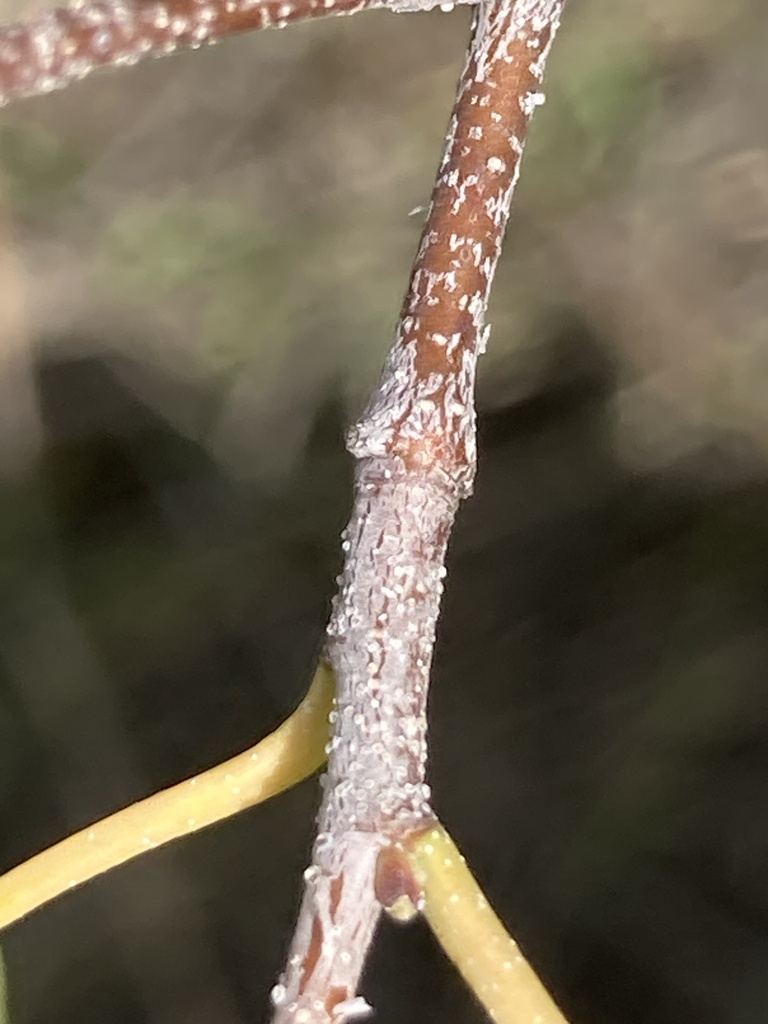
© Nick Butcher · iNaturalist · CC BY 4.0
Scientific Classification & Quick Facts
Classification
Known For
Detailed measurements for this species are still being verified.
The silver birch is one of northern Europe’s most recognisable trees, with its distinctive papery white bark and delicate, trembling foliage. Betula pendula thrives across a vast range spanning 25 countries, from the Atlantic seaboard to the Urals, and represents a model of ecological resilience in temperate and boreal regions. Listed as Least Concern by the IUCN, this species remains abundant and widespread, yet its ecological importance and cultural significance extend far beyond its conservation status.
In woodlands and heathlands, silver birch acts as both a primary coloniser and a nurturing nurse species, creating sheltered conditions for slower-growing trees and enriching impoverished soils through its leaf litter. Its catkins and seeds feed countless insects and birds, while its bark and wood have sustained human communities for millennia—used for everything from birch-bark containers to biofuel. The species is also increasingly valued in urban forestry and climate-adaptive planting schemes, where its rapid growth and tolerance of poor conditions make it a natural choice for green infrastructure.
Identification and Appearance
Betula pendula, the silver birch, is a medium-sized deciduous tree readily identified by its distinctive white bark and graceful, pendulous branching habit. The species typically reaches 15 to 25 metres tall, with exceptional specimens reaching up to 31 metres. The trunk remains relatively slender, usually under 40 centimetres in diameter, giving the tree an elegant, airy silhouette even when mature.
Bark and Colour
The most striking feature of silver birch is its bark. Young trees and branches display golden-brown bark that gradually transforms to brilliant white as the tree ages. This colour change results from papery tissue developing on the surface and naturally peeling away in thin flakes—a characteristic shared with its close relative, the paper birch (Betula papyrifera). The pristine white bark persists on younger branches and upper trunk, creating a striking visual contrast. In older, larger trees, the lower trunk often darkens and becomes fissured with age, losing the smooth white appearance but retaining patches of lighter colouration higher up.
Foliage and Branch Form
The tree’s scientific name pendula refers to its characteristically pendulous, or drooping, twigs and branches—a defining feature that distinguishes it from many other birch species. The leaves are small, roughly triangular, and doubly serrate (with two rows of fine teeth along the margins). The pendulous branch structure, combined with small foliage, allows light to filter through the crown, making silver birch valuable for creating dappled shade in landscapes. The overall form is pyramidal when young but becomes more spreading and rounded with age.
Distribution and Habitat
Betula pendula is native to northern and central Europe, with its range extending across a broad swath from Russia through Scandinavia and into western Europe. GBIF records show the species occurs in 25 countries, with the highest concentration in Russia (82 records), Poland (50), and Sweden (48). The tree is also well established in Germany, the United Kingdom, Austria, Norway, the Netherlands, and Czechia. Notably, the species has naturalized in New Zealand, where it appears in cultivation and has become locally abundant.
The species tolerates a wide elevation range, from 17 metres in lowland coastal and floodplain regions to 942 metres in upland areas, with an average elevation of 475 metres across its recorded range. Silver birch grows across diverse environments, from sea-level fens and river valleys to moorland and montane edges. Its early colonization of disturbed ground and frost-prone sites makes it a pioneer species across much of temperate Europe.
GBIF occurrence data show a marked seasonal peak in January, suggesting concentrated observation or sampling activity during the winter months when the tree’s distinctive white bark and bare branching architecture are most visible for field recording.
Growth and Cultivation
Growth
Betula pendula, the silver birch, is a deciduous tree that typically reaches 20–25 metres in height, though mature specimens can exceed 30 metres. The crown is pyramidal when young, becoming more open and airy with age. The distinctive white papery bark, which peels in thin horizontal strips to reveal darker wood beneath, is the species’ most recognizable feature and becomes increasingly prominent as the tree matures. Branches are slender and characteristically pendulous (drooping), lending the tree its scientific epithet pendula.
Silver birch establishes relatively quickly in suitable conditions, producing vigorous growth during its early years. The tree’s shallow, fibrous root system allows it to thrive on poor soils where other species struggle, though this also makes it susceptible to wind throw in exposed locations. Annual growth rings are typically visible and wide in young trees, gradually narrowing with age.
Flowering
Catkins appear in spring before the leaves unfurl, with male catkins (yellowish-brown) growing 3–4 centimetres long and female catkins (greenish) slightly shorter. The flowers are wind-pollinated and inconspicuous, arranged in pendulous catkins that release copious amounts of pollen in late April to May across much of its northern European range. After flowering, the female catkins develop into seed-bearing strobiles that mature in late summer and disintegrate to release large numbers of tiny, winged seeds in autumn.
Cultivation
Silver birch thrives in full sun to light shade and is remarkably tolerant of poor, acidic soils—including sandy, gravelly, and even boggy substrates. It naturally occurs across a wide range of soil pH conditions and requires no special soil preparation. The species is highly winter-hardy across much of northern Europe and established trees show good tolerance to drought once their root systems are mature, though young trees benefit from regular watering during the first growing season.
This tree is best suited to cool-temperate climates and performs poorly in hot, dry summers or regions with prolonged drought. Waterlogging, while tolerated better than many trees, can weaken the root system over time. Silver birch transplants most successfully as a young specimen (under 2 metres) in autumn or early spring. Minimal pruning is required; remove dead branches and crossing growth in winter. The species is not suitable for formal hedging or topiary and is best left to develop its natural spreading form. Pest and disease pressure remains low in well-sited trees, though birch leaf miner and sawfly can cause cosmetic damage in some seasons.
Conservation and Threats
Betula pendula, the silver birch, holds a secure position on the IUCN Red List, classified as Least Concern. This designation reflects the species’ wide geographic range across northern and central Europe, its ecological adaptability, and a population trend that is increasing rather than declining. The species thrives in diverse habitats—from boreal forests to temperate woodlands—and establishes readily in disturbed or recovering ecosystems, which has contributed to its stable and expanding presence across much of its native range.
Threats
Silver birch faces no imminent major threats in most of its range. However, localized pressures exist in specific regions. Habitat loss through intensive forestry and land-use conversion remains a concern in some areas, particularly where birch woodlands are cleared for agriculture or urban development. In certain European regions, invasive pests and diseases—notably birch leaf beetle (Locustinaria capreae) and various fungal pathogens—can cause significant damage to individual trees and reduce vigor in local populations. Climate change poses a longer-term consideration, as shifting temperature and precipitation patterns may alter suitable growing conditions at the species’ southern range limits, though the birch’s broad ecological tolerance suggests it will adapt relatively well to gradual climatic shifts.
Conservation Efforts
No formal international conservation programme is required for silver birch, given its Least Concern status and increasing population. However, the species benefits from its inclusion in forestry regulations and woodland management practices across Europe. Many national protected area systems incorporate birch woodlands as valuable habitats for biodiversity, particularly in northern regions where silver birch plays an important ecological role. In several European countries, including the United Kingdom and Scandinavia, silver birch is actively encouraged in woodland restoration and rewilding projects because of its pioneer characteristics and ability to improve soil conditions and create shelter for other species.
Cultural Significance
The provided data contains no documented cultural notes for Betula pendula. Without verified information on this species’ role in mythology, folklore, art, cuisine, medicine, or symbolic traditions, I cannot responsibly generate claims about its cultural significance.
To complete this section accurately, cultural documentation—such as ethnobotanical records, historical texts, or community knowledge—would be needed. If you have sources on Silver Birch’s use in traditional medicine, ritual practices, or regional symbolism, please provide them and this section can be expanded with confidence.
Fun Facts
Betula pendula, the silver birch, holds an extraordinary place among birch species for its vast geographic distribution and ecological flexibility. This tree stretches across three continents and spans climates from temperate Europe to the subarctic expanses of Siberia, making it one of nature’s most widely adapted hardwoods.
- Silver birch’s native range extends from Morocco and southern Europe all the way to Siberia, China, and Alaska, making it one of the most geographically dispersed birch species on Earth.
- In warmer regions like southern Europe and Morocco, silver birch survives only at higher elevations, revealing that even in its native range, this species demands cooler temperatures and cannot tolerate lowland warmth.
- The species thrives across diverse mountain ranges separated by thousands of kilometres—from northern Turkey and the Caucasus to northern Iran—proving its ability to colonize high-altitude terrain across multiple continents.
- Silver birch transitions seamlessly between temperate deciduous forests and subarctic boreal ecosystems, adapting to vastly different day-length cycles, precipitation patterns, and soil conditions across its range.
- The tree’s peeling white bark, which gives the species its common name, may serve as a solar reflector in high-altitude and high-latitude environments where intense radiation can stress plant tissues.
- Silver birch is a pioneer species that rapidly colonizes disturbed ground and open sites, often being among the first trees to establish in newly cleared or burned landscapes across its entire range.
- The species can hybridize with downy birch (Betula pubescens) where their ranges overlap, and the resulting hybrids can sometimes outcompete their parent species in intermediate habitats.
Ecology
Growing Conditions
Conservation Status
LC (Least Concern) · NT · VU · EN · CR · EW · EX
Photo Gallery
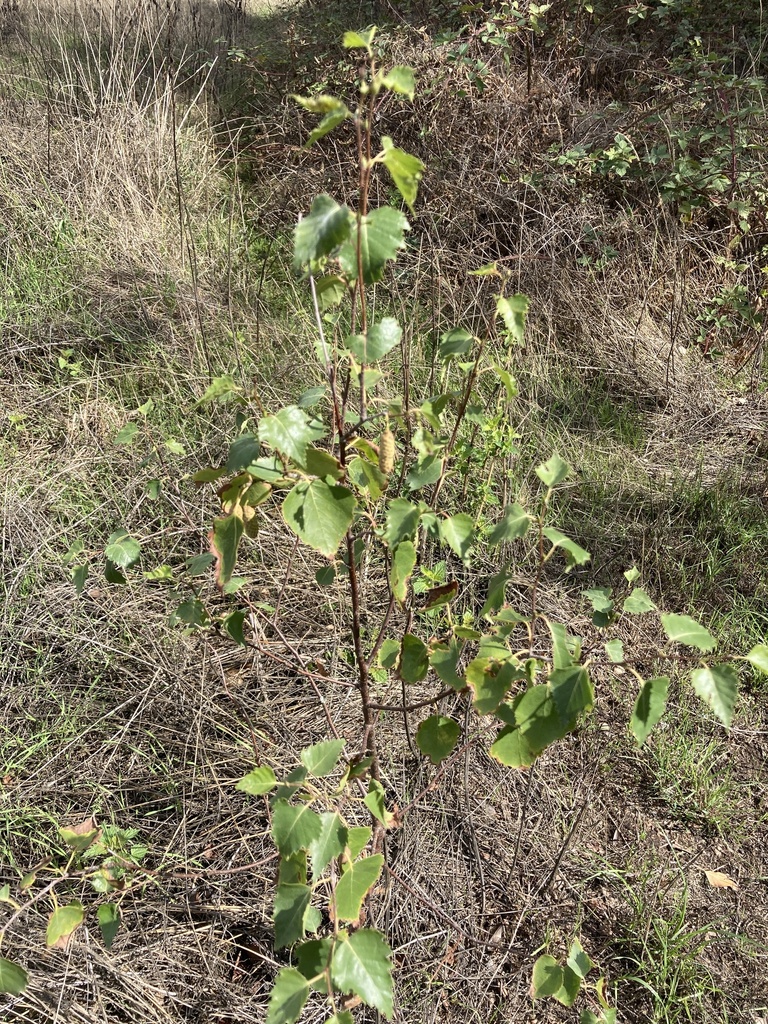
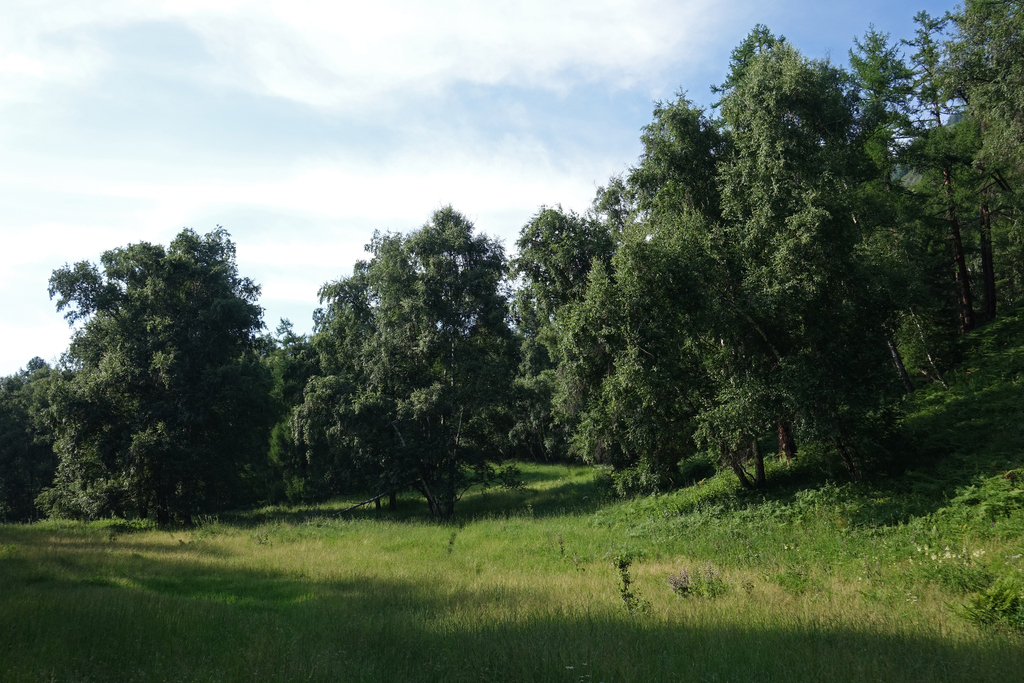
Nick Butcher · CC BY 4.0
Related Species
Was this profile helpful?