
Mammalia · Carnivora
Maned Wolf
Chrysocyon brachyurus
Least Concern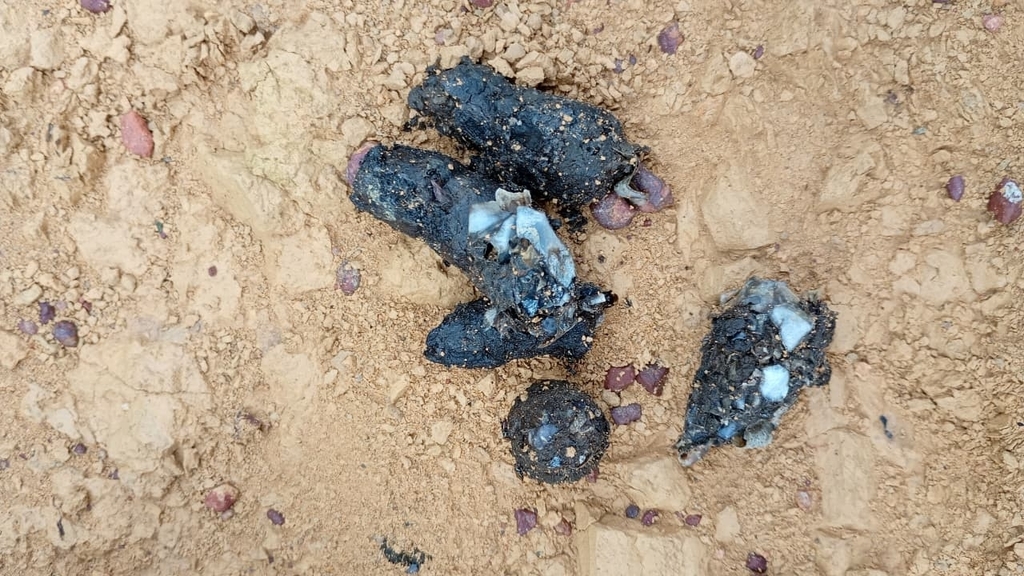
© Nelson Atencio · iNaturalist · CC BY 4.0
The maned wolf stands alone among the world’s canids—a lanky, fox-like predator with legs so long they seem almost comical, yet perfectly adapted to the grasslands and scrublands where it hunts. Despite its lupine appearance and carnivore classification, Chrysocyon brachyurus is the sole member of its genus, a living fossil of sorts that occupies a unique evolutionary niche across South America. Found in five countries across the continent, this solitary hunter moves through tall grass with an uncanny grace, its elevated stance allowing it to spot small prey across expanses that shorter carnivores cannot navigate as effectively.
Conservation data on this species remains uncertain, with its current status listed as unknown by major biodiversity frameworks. Its preference for grasslands and savannas, combined with expanding human settlement across its South American range, creates ongoing pressures on wild populations. What makes the maned wolf exceptional is not merely its appearance or solitary habits, but its ecological role as a specialized hunter of small rodents in ecosystems where few other predators can thrive.
Identification and Appearance
The maned wolf is a highly distinctive canid with an unmistakable silhouette. Its most striking feature is the long, dark mane that runs along the nape and spine, which the animal raises when threatened or alarmed. The body is slender and lean, built for navigating tall grasslands and scrubland. The coat is predominantly golden-tan to reddish-brown, with darker markings along the back and a white-tipped tail. The legs are exceptionally long and thin—a defining characteristic that gives the animal an almost stilt-like appearance and allows it to see above tall vegetation while hunting.
The head is relatively narrow with a pointed snout and large, erect ears positioned high on the skull. The face tends to be darker than the body, often with black markings around the eyes and muzzle. The ears are large and rounded, enhancing the animal’s ability to locate prey by sound. The tail is long and bushy, often held low when walking.
Taxonomic History
The species was formally described in 1815 by Johann Karl Wilhelm Illiger as Canis brachyurus. It was subsequently reclassified multiple times—Lorenz Oken placed it within Vulpes cancosa, and only in 1839 did Charles Hamilton Smith establish the genus Chrysocyon, under which it remains classified today. Some authors debated its placement within the Canis genus, but molecular evidence has since confirmed Chrysocyon as a distinct and monotypic genus. Fossil remains of Chrysocyon from the Late Pleistocene and Holocene have been recovered from Lagoa Santa, Minas Gerais, Brazil, and are preserved in the South American Collection at the Zoologisk Museum in Copenhagen.
Distribution and Habitat
Chrysocyon brachyurus occurs across five countries in South America, with a heavily skewed distribution toward Brazil. GBIF records show 236 occurrences from Brazil alone, representing the vast majority of documented sightings. Argentina follows with 48 records, while Paraguay, Bolivia, and Uruguay account for 10, 5, and 1 records respectively. The species is thus concentrated in the central and eastern portions of the continent, with Brazil serving as the primary range.
The maned wolf inhabits grasslands, scrublands, and savanna-like landscapes across its range. These open and semi-open habitats provide the sparse vegetation and exposed terrain the species requires for hunting small mammals and other prey. While the exact elevation limits remain undocumented in available records, the species typically occurs in lowland to montane regions where grassland and cerrado ecosystems predominate.
Sightings display a marked seasonal pattern, with peak activity in September (47 records) and sustained elevated numbers through October (40 records). Moderate activity continues from May through August, while January, April, and May also show notable observation rates. The lowest recording activity occurs in November and June, suggesting either genuine shifts in the species’ activity or variation in observer effort across seasons. This autumn peak in the Southern Hemisphere may reflect increased breeding activity or improved visibility as vegetation patterns shift.
Biology
Behavior
The maned wolf is a solitary animal, unlike most large canids such as gray wolves or African hunting dogs. It does not form packs and typically hunts alone, usually between sundown and midnight. Activity patterns are linked more to relative humidity and temperature than to a strict dawn-dusk schedule. Peak activity occurs between 8 and 10 am and again between 8 and 10 pm, though on cold or cloudy days the animal may remain active throughout daylight hours.
When hunting, the maned wolf uses its exceptionally large ears to listen for prey moving in grass. It employs a distinctive hunting technique: tapping the ground with a front foot to flush out concealed prey before pouncing. The species prefers open fields for foraging but retreats to more densely vegetated areas, particularly riparian forests, for resting—especially during warmer parts of the day. This pattern reflects a preference for cooler, sheltered microhabitats when not actively hunting.
Diet
The maned wolf is an omnivore with a diet that shifts seasonally depending on prey and plant availability. Small rodents, particularly rodents in grassland habitats, form a substantial portion of its diet, along with other small mammals and ground-nesting birds. The species also consumes fruits, vegetables, and plant matter opportunistically, contributing to its dietary flexibility in South American savannas and grasslands.
Reproduction
Little detailed reproductive data is available in published sources, but maned wolves are known to form monogamous pair bonds during breeding season, with both parents participating in raising young. Litters are typically small, consistent with the solitary nature of the species. Pups remain with parents for several months before dispersing to establish their own territories, a pattern common in canids that do not cooperate in packs.
Conservation and Threats
The maned wolf’s conservation status remains relatively stable, with population trends showing signs of recovery in some regions. However, the species faces mounting pressures from habitat loss and human-wildlife conflict across its range in central and eastern South America. Monitoring efforts continue to track population dynamics, though comprehensive census data remains limited across many parts of its distribution.
Threats
Deforestation represents the most significant long-term threat to maned wolf populations. As grasslands and scrublands are converted to agricultural land and urban development, the species loses access to the open habitats it requires for hunting and movement. According to Vergara-Wilson et al. (2021), habitat destruction combines with increasing highway traffic to create a deadly combination—roadkill now accounts for substantial mortality in populations near human settlements.
Beyond habitat loss, contact with human infrastructure exposes maned wolves to disease and parasitic infections. As urban growth expands into their range, wolves increasingly encounter domestic animals and livestock, facilitating the transmission of pathogens and parasites that can prove fatal. Garcia et al. (2020) documented how this increased interaction heightens disease risk among wild populations, creating a cascading threat that extends beyond direct habitat destruction.
Conservation Efforts
Several South American countries provide legal protection for maned wolves within national parks and protected areas. Brazil, Paraguay, and Argentina have established reserves that shelter populations, though enforcement and corridor connectivity between reserves remain inconsistent. The species’ increasing population trend in some regions reflects the combined impact of these protections and growing public awareness of its ecological importance.
Cultural Significance
Human attitudes toward the maned wolf vary considerably across South America, ranging from fear and tolerance to outright aversion. In several regions of Brazil, parts of the animal’s body—including teeth, heart, ears, and dried feces—are believed to possess medicinal properties and are used to treat bronchitis, kidney disease, and snake bites. Beyond healing applications, the maned wolf is also regarded as a symbol of good fortune in local belief systems.
In Bolivia, cultural practices reflect a different but equally significant role for the species. A saddle crafted from maned wolf leather is believed to protect the wearer from bad luck, embedding the animal within protective folk traditions. These beliefs underscore the maned wolf’s deep integration into the cultural landscape of its native range, where it functions simultaneously as a source of both practical remedies and spiritual safeguarding.
Fun Facts
- 1.Stilt-legged sprinters: Maned wolves have exceptionally long, slender legs that make up nearly half their body length, allowing them to spot prey over tall grassland vegetation and move with surprising speed across marshy terrain.
- 2.Fruit-loving canids: Up to 50% of their diet consists of fruits and vegetables, particularly Solanum plants and wild fruits—a highly unusual diet for a member of the dog family that challenges the common perception of canids as strict carnivores.
- 3.Scent-marking artists: Maned wolves have a distinctive smell often compared to burning rubber, which they use intensively to mark territory; their urine is so pungent that it has historically been described as resembling cannabis.
- 4.Monogamous night hunters: Unlike most canids, maned wolves form long-term monogamous pairs and hunt primarily at night, often foraging alone but remaining bonded to a single partner for multiple breeding seasons.
- 5.Grassland specialists: They are perfectly adapted to South American grasslands, savannas, and wetlands where they use their large ears and elevated posture to detect small rodents, armadillos, and other prey in dense vegetation.
- 6.Silent stalkers: Maned wolves rarely vocalize compared to other canids and instead rely on chemical communication and body language to interact with their mates and establish territorial boundaries.
Sources and References
- Global Biodiversity Information Facility (GBIF)View source
- iNaturalistView source
- WikidataView source
- WikipediaView source
- Encyclopedia of Life (EOL)View source
Conservation Status
LC (Least Concern) · NT · VU · EN · CR · EW · EX
Photo Gallery


Nelson Atencio · CC BY 4.0
Related Species

Was this profile helpful?