
Eurotiomycetes · Eurotiales
Black Mold
Aspergillus niger
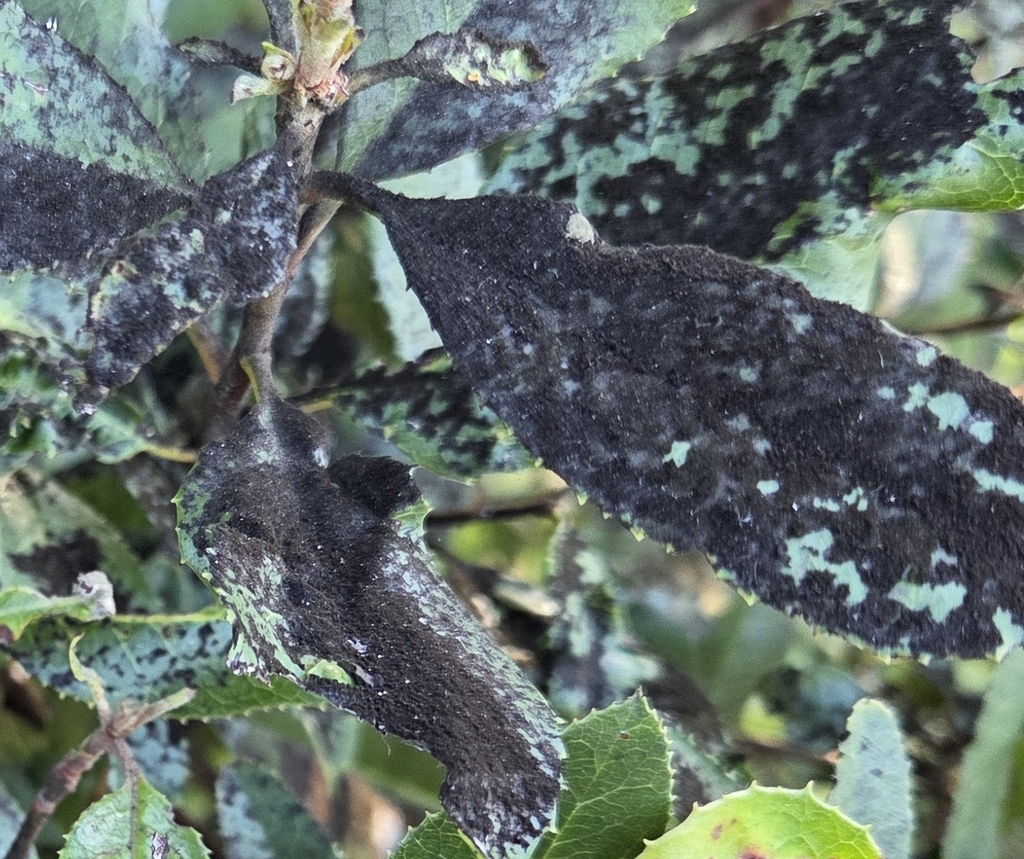
© no rights reserved · iNaturalist · CC0 1.0
Scientific Classification & Quick Facts
Classification
Known For
Detailed measurements for this species are still being verified.
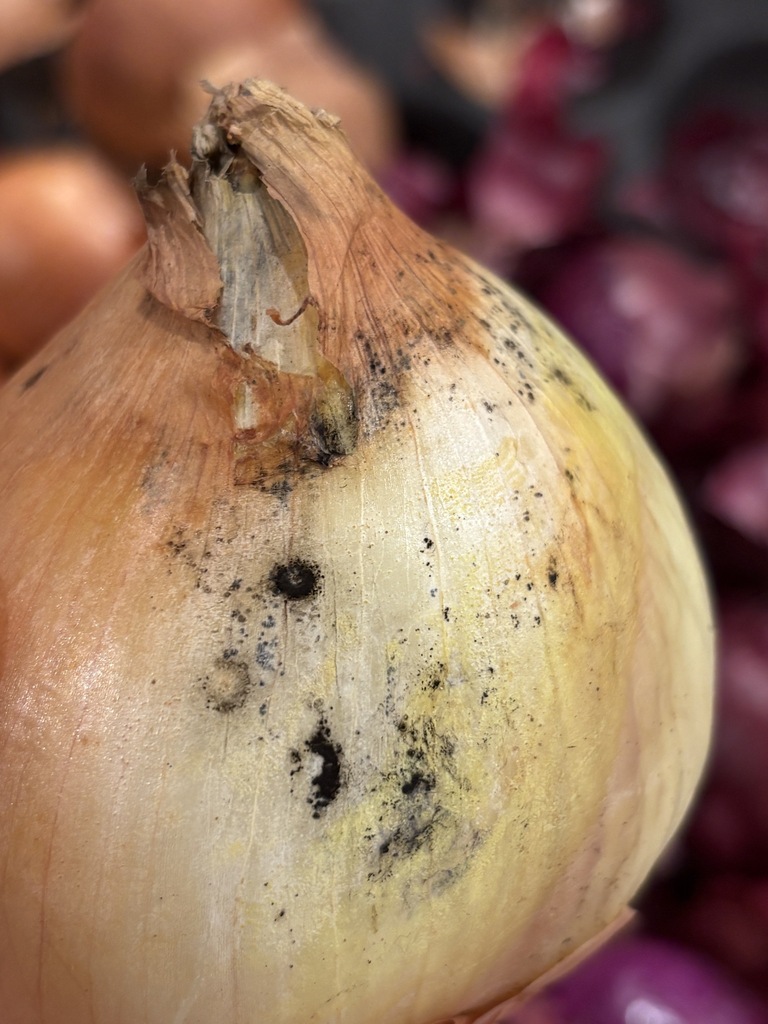
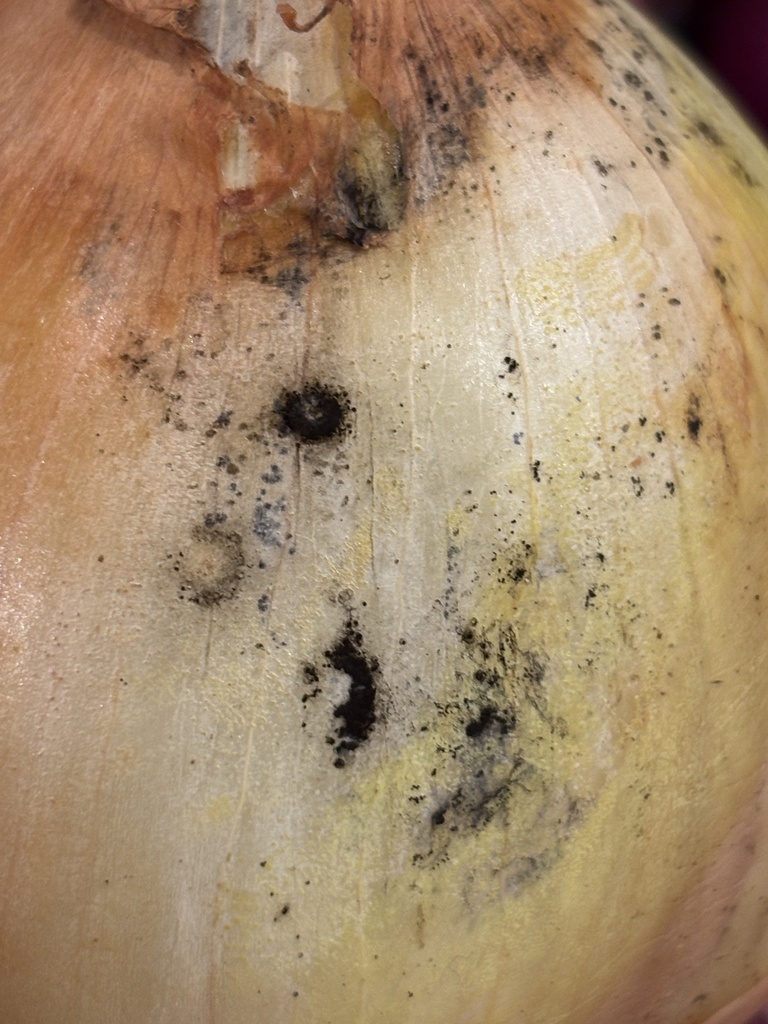
Aspergillus niger, commonly known as black mold, is a fungus found across the globe in at least 32 countries, thriving wherever moisture and organic matter converge. Its dark, powdery colonies are unmistakable—appearing as black or dark brown growth on surfaces ranging from food stores to building materials. Despite its widespread presence and the alarm it often triggers in human environments, this fungus plays a surprisingly complex role in both industrial applications and ecological processes.
With a conservation status currently unknown, Aspergillus niger remains neither protected nor threatened in any formal framework. Its ability to colonize diverse substrates and survive in challenging conditions has made it a model organism for mycological research and a persistent challenge for food preservation and building maintenance. Understanding this species reveals much about fungal adaptability and the fine line between beneficial microorganism and household concern.
Identification and Appearance
Aspergillus niger is a filamentous fungus belonging to the family Aspergillaceae. It appears as a dark, powdery growth on contaminated surfaces, earning its common name “Black Mold.” The organism is microscopic in individual structure but forms visible colonies that can expand to cover large areas over time.
Microscopic Structure
Individual hyphae (fungal filaments) are hyaline to pale, measuring approximately 3–5 micrometres in diameter. The fungus reproduces via conidiospores—asexual spores produced on specialized branching structures called conidiophores. These spores are characteristically pigmented dark brown to black, giving colonies their distinctive appearance. A single conidiophore can generate thousands of spores, which are readily dispersed through air and water.
Colony Appearance
Mature colonies typically display a black or very dark grey surface with a white or yellow mycelial base. Colony texture varies with growth conditions, ranging from velvety to powdery. The organism forms sclerotia—hard, resting structures—under certain environmental stress, adding to the colony’s robustness. Growth rate and pigmentation intensity depend on substrate composition, humidity, and temperature, though the characteristic dark coloration remains diagnostic across most cultivation conditions.
Distribution and Habitat
Aspergillus niger has a cosmopolitan distribution across at least 32 countries, with the highest concentration of records in North America. The United States dominates occurrence data with 167 documented records, followed by Puerto Rico (35 records), making the Caribbean and continental North America key regions for this fungus. Additional significant populations appear in Iraq (17 records), Mexico (16 records), and Italy (12 records). Smaller populations extend across Asia, Africa, and northern Europe, including observations in China, the Philippines, India, Kenya, and Sweden.
The species occurs across a broad elevation range, from 11 metres to 1,214 metres above sea level, with an average elevation of 974 metres. This wide vertical distribution reflects A. niger‘s adaptability to diverse microhabitats rather than any preference for particular altitude zones. The fungus thrives in warm, humid indoor environments—particularly in buildings, stored grain, and other organic substrates—though it is also found on decaying vegetation and soil in outdoor settings.
Seasonal activity shows a marked peak in April, when observations reach 146 records across the dataset. A secondary surge occurs in February and March (24 and 28 records respectively), suggesting heightened presence during late winter and early spring in many regions. Activity declines sharply from May through August, with only 6–9 records per month, before rising again in September and autumn months. This pattern likely reflects seasonal variation in humidity, temperature, and substrate availability rather than strict dormancy.
Ecology and Lifecycle
Lifecycle
Aspergillus niger begins as vegetative mycelium—thin, branching filaments that colonize organic substrates. These hyphae extend through their food source, secreting enzymes that break down complex compounds into absorbable nutrients. The fungus grows rapidly under warm, humid conditions with adequate organic material.
When environmental conditions favor reproduction, specialized fruiting structures form called conidiophores. These stalks bear chains of conidia (asexual spores) that accumulate into visible dark masses—the characteristic black powder that gives the species its common name. A single conidiophore can produce thousands of spores. These conidia disperse readily through air currents, water droplets, or contact with surfaces, allowing the fungus to colonize new substrates across distances. Under favorable conditions, A. niger completes its reproductive cycle in as little as 5–7 days.
Ecological Role
Aspergillus niger functions as a saprotroph, breaking down dead plant material, grain, and organic waste in soil and on stored foods. This decomposer role recycles nutrients, returning carbon and nitrogen to the environment. The fungus tolerates diverse conditions—from soil to stored grain to building materials—and often dominates substrates with high sugar or starch content.
In agricultural and domestic settings, A. niger acts as an opportunistic colonizer. It establishes on fruits during storage, in grain silos, and on damp building surfaces. While primarily a decomposer, it can cause minor plant infections on stressed or damaged tissues. Its ability to thrive in dry, nutrient-poor environments makes it a successful competitor across varied ecosystems.
Uses
Aspergillus niger has significant industrial applications. Biotechnology relies on the fungus to produce citric acid, gluconic acid, and amylase enzymes at commercial scale. These compounds are used in food processing, pharmaceuticals, and manufacturing. The fungus also plays a role in fermenting certain traditional foods and beverages, though rarely as a primary starter culture.
Contamination of stored foods—especially grains, nuts, and dried fruits—remains a major concern. The fungus degrades food quality and can render products unsuitable for consumption. Prevention relies on controlling moisture and temperature during storage, as A. niger thrives in warm, humid conditions above 70% relative humidity. Proper ventilation, drying, and fungicide application reduce contamination in agricultural and food-handling contexts.
Conservation and Threats
Aspergillus niger, commonly known as black mold, does not currently appear on the IUCN Red List. As a fungus with a global distribution and the ability to thrive in diverse environments, it is not assessed as a species requiring formal conservation intervention. The absence of a Red List status reflects the species’ ecological success and resilience rather than a lack of concern from a human health perspective.
Threats
Black mold faces no meaningful conservation threats in the traditional sense. The species is neither harvested, hunted, nor subject to habitat destruction. Instead, the primary concern surrounding Aspergillus niger is its role as a human health hazard and agricultural contaminant. The fungus produces aflatoxins and other mycotoxins that threaten food safety and pose respiratory risks to immunocompromised individuals. Climate change may alter indoor humidity and temperature regimes, potentially shifting where the species thrives indoors.
Conservation Efforts
There are no species-specific conservation programmes for Aspergillus niger because the focus is on controlling rather than protecting it. Instead, efforts centre on preventing contamination in food production, grain storage, and built environments. Public health agencies and food safety standards target the fungus through hygiene protocols, proper ventilation, and moisture control in warehouses and homes. Research into mycotoxin detection and aflatoxin reduction in agricultural commodities continues to receive funding.
Fun Facts
Aspergillus niger is one of the most industrially valuable fungi on Earth, yet most people know it only as a household contaminant. This microscopic organism has shaped modern biotechnology and chemistry in ways that directly affect your food, medicine, and even the acidity of the beverages you drink.
- It can produce spores and begin reproducing within days of germinating, allowing populations to explode rapidly in ideal conditions like damp walls or stored grains.
- The fungus is a biochemical factory, capable of synthesizing dozens of different organic acids, enzymes, and other compounds—a metabolic flexibility that few other microorganisms match.
- Its cells possess an exceptional ability to secrete proteins and modify them after synthesis, a trait that makes it invaluable for producing pharmaceutical compounds and industrial enzymes at commercial scale.
- It thrives in an astonishing range of environments: soil, freshwater, decaying vegetation, and even in fecal matter, making it nearly impossible to avoid in nature.
- Citric acid—the sour compound in lemons and a preservative in thousands of food products—is produced almost exclusively using Aspergillus niger fermentation rather than extraction from citrus fruits.
- Despite its role in human disease and indoor contamination, the fungus has never been engineered to be pathogenic and poses minimal risk to healthy individuals when spores are inhaled in normal quantities.
- It produces melanin pigment in its cell walls—the same dark compound found in human skin—which gives colonies their characteristic black appearance and may provide protection against ultraviolet radiation and oxidative stress.
Ecology
Habitats
Behavior
Edibility
Photo Gallery
no rights reserved · CC0 1.0
Related Species
Was this profile helpful?