
Agaricomycetes · Agaricales
Shaggy Ink Cap
Coprinellus
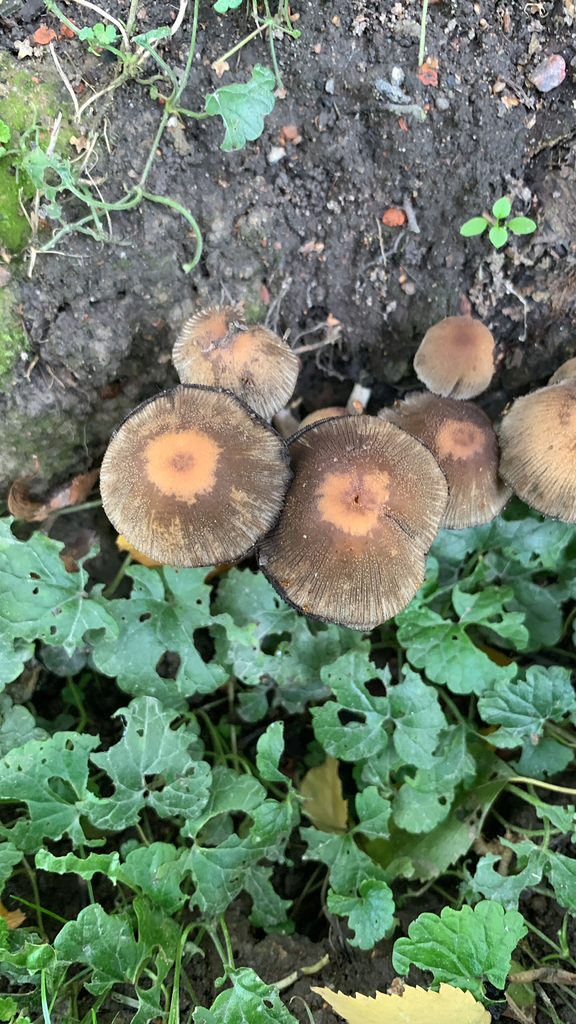
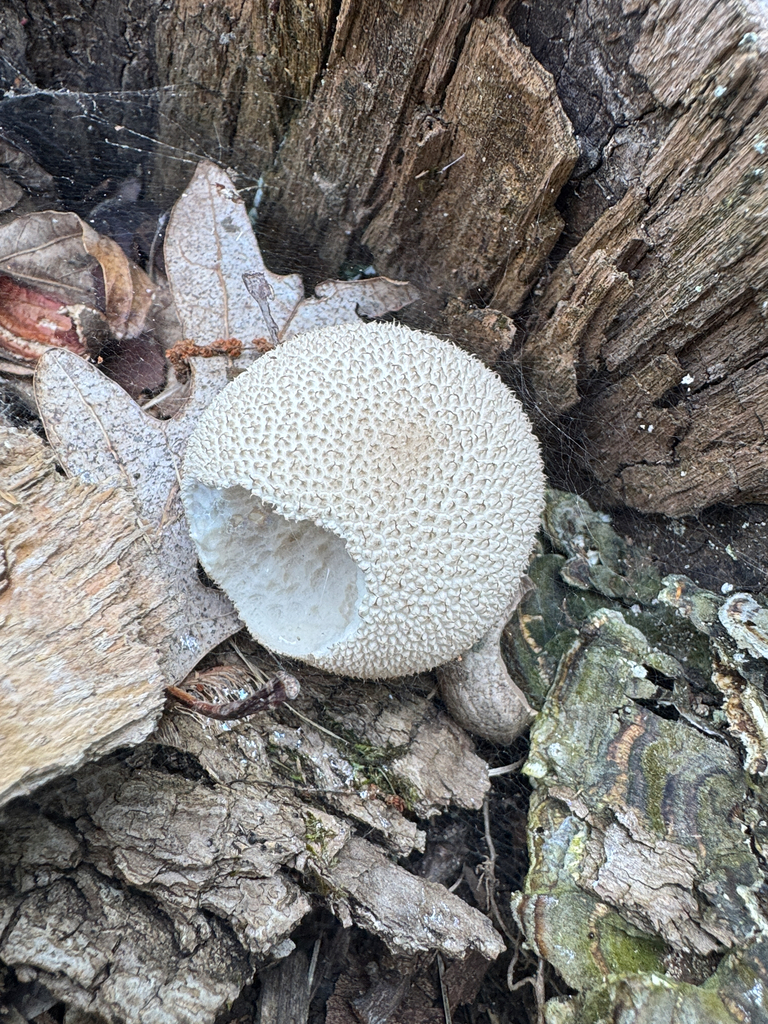
© no rights reserved · iNaturalist · CC0 1.0
Scientific Classification & Quick Facts
Classification
Known For
Detailed measurements for this species are still being verified.
The Shaggy Ink Cap is a striking fungus instantly recognizable by its bell-shaped white cap covered in delicate, hair-like scales that give it its distinctive appearance. Members of the genus Coprinellus are distributed across at least 37 countries worldwide, demonstrating a remarkable capacity to colonize diverse environments. With a conservation status currently listed as unknown, this fungus receives little formal protection despite its widespread presence across multiple continents.
Belonging to the family Psathyrellaceae within the class Agaricomycetes, Coprinellus represents an intriguing branch of fungal diversity. This genus has adapted to thrive in disturbed soils, wood chips, and urban environments, making it one of the more familiar fungi to observers in gardens and parks. Its ability to fruit prolifically and its unusual mode of spore release make Shaggy Ink Cap an especially noteworthy subject for understanding fungal ecology and reproduction.
Identification and Appearance
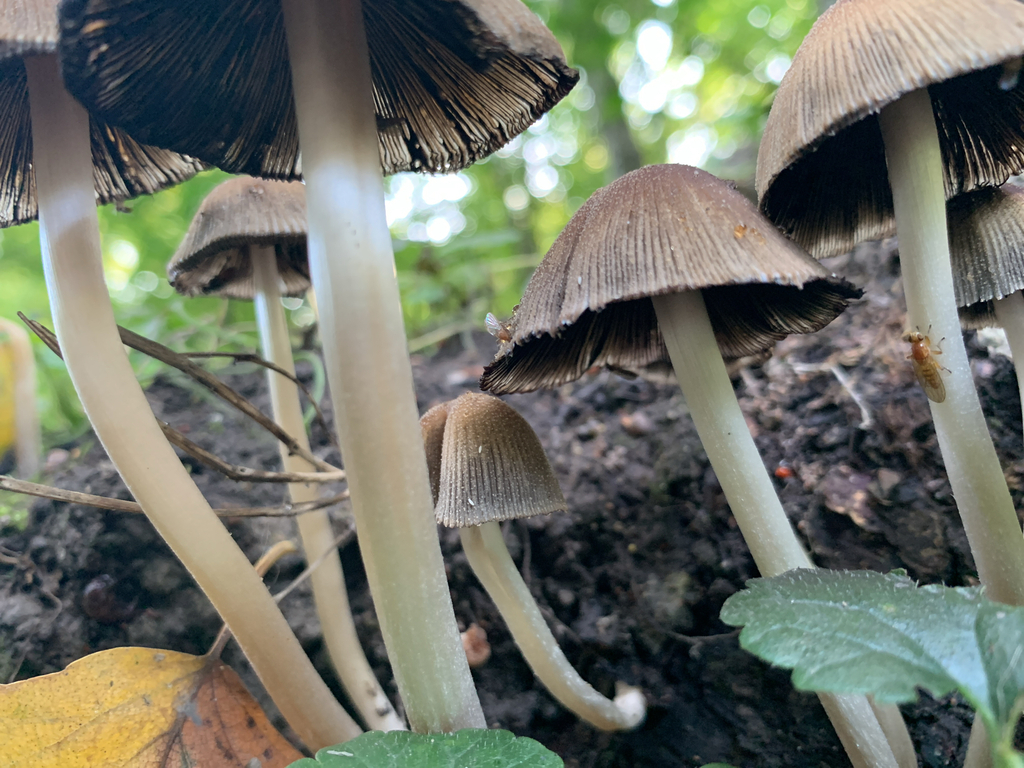
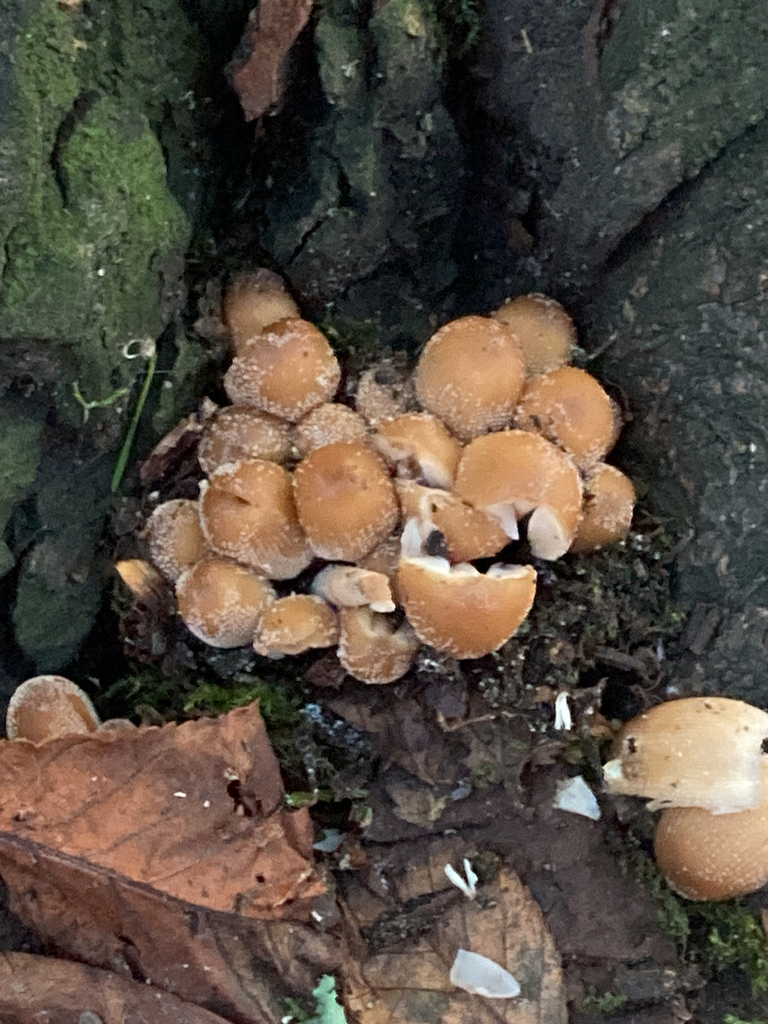
Coprinellus, commonly known as the Shaggy Ink Cap, is a distinctive fungus immediately recognisable by its characteristic appearance. The fruiting body (or mushroom) features a tall, slender cap that ranges from white to grey, with a texture covered in fine, hair-like fibrils or scales that give it the “shaggy” appearance from which its common name derives. The cap tapers toward its apex and has a somewhat cylindrical shape, particularly when young. The gills beneath the cap are white initially, gradually darkening to black as the fungus matures—this darkening process reflects the spore production cycle and contributes to the genus name Coprinellus (derived from “ink”).
The stalk (or stipe) is characteristically long, thin, and fragile, typically white or pale grey with a hollow interior. The base often features a distinctive bulbous or cup-like remnant (the volva) that anchors the fruiting body to soil or wood. As the fruiting body ages, the cap and gills undergo a dramatic transformation: the edges of the cap begin to curl upward, and the entire structure gradually deliquesces—literally dissolving into an inky, black liquid that resembles droplets of ink. This self-digestion mechanism allows the fungus to efficiently disperse its spores over a wet, dark substance that can be easily carried away by rain, insects, or other vectors. The fruiting bodies are typically found at elevations around 1,260 metres.
Despite their ephemeral and delicate nature, these fruiting bodies are unmistakable when encountered. Young specimens are far more robust and visually distinct than older ones, making fresh finds the easiest to identify with confidence. The combination of the shaggy cap texture, the gradual darkening gills, the slender white stalk, and the dramatic deliquescent process makes Coprinellus one of the most easily recognised fungal genera in temperate regions.
Distribution and Habitat
Coprinellus has a cosmopolitan distribution across at least 37 countries, with the strongest concentration in temperate regions of the Northern Hemisphere. iNaturalist observations indicate the United States dominates the record count at 127 sightings, followed by the United Kingdom with 41 records. This pattern reflects both the species’ preference for cooler climates and the density of naturalist activity in these regions.
Secondary strongholds exist in the Southern Hemisphere, notably New Zealand (27 observations) and Australia (8 observations), confirming the genus can establish across diverse geographical settings. Records from Ecuador, Brazil, Colombia, Indonesia, and Panama demonstrate tropical presence, though at lower frequencies. The Netherlands and Indonesia each contribute moderately to the global dataset, showing adaptation to both maritime temperate and humid equatorial conditions.
Elevation data reflects a consistent vertical range, with observations concentrated at approximately 1,260 metres, suggesting the species favours moderate upland environments rather than lowland or alpine extremes. Seasonality is pronounced: the genus displays a sharp bimodal or winter-focused fruiting window, with peak activity in February (160 records) and secondary abundance in January (140 records). The complete absence of records across March through December indicates Coprinellus is a winter-fruiting genus in documented observation zones, correlating with cool, moist conditions typical of the northern winter months.
Ecology and Lifecycle
Lifecycle
Coprinellus species begin their lifecycle as vegetative mycelium colonizing dead wood, leaf litter, and decomposing organic matter in soil. The mycelium grows through the substrate, secreting enzymes that break down cellulose and lignin. When moisture and temperature conditions align—typically in spring or autumn—the mycelium directs energy into fruiting body formation, producing the characteristic shaggy-capped mushrooms in clusters or rings.
The fruiting body develops rapidly, sometimes appearing overnight or within 24 hours of the right environmental trigger. This explosive growth strategy allows Coprinellus to produce and disperse spores before competitors claim the decaying resource. Once mature, the mushroom’s gills and lower cap surface undergo deliquescence—a process unique to ink caps where the tissue liquefies into a dark, ink-like fluid. This fluid carries spores downward and outward, allowing wind and rain to transport them to new substrates. The entire fruiting cycle, from cap expansion to spore release and dissolution, may last only 24 to 48 hours.
Ecological Role
Coprinellus functions as a saprotroph, breaking down dead wood, straw, compost, and accumulated plant debris. It plays an essential role in nutrient cycling, converting recalcitrant organic compounds into forms that other organisms can use. The fungus is particularly common in disturbed habitats—gardens, mulch piles, lawns after rain, and recently cleared woodlands—where rapid decomposition of fresh organic matter creates ideal conditions.
Because of its aggressive colonization strategy and short fruiting cycle, Coprinellus often appears as a pioneer species, competing with slower-growing fungi and bacteria for nitrogen-rich substrates. Its deliquescent spores may also disperse via invertebrates that feed on the fruiting bodies, spreading the mycelium across the landscape and facilitating broader nutrient cycling in grasslands and disturbed ecosystems.
Uses
Several Coprinellus species, notably Coprinellus comatus (shaggy mane), are edible when harvested young and cooked fresh. The mushrooms have a delicate, slightly sweet flavor and tender texture. In some regions, particularly parts of Europe and North America, they are foraged commercially or by amateur mycologists. However, they must be used immediately after collection, as they deteriorate and liquefy rapidly.
Traditional uses in East Asian medicine have attributed immune-supporting and anti-inflammatory properties to ink caps, though scientific validation remains limited. The dark deliquescent fluid has been used historically as ink for writing, hence the common name. Modern research interest focuses on bioactive polysaccharides and potential antimicrobial compounds, but culinary use remains the primary human interaction with these fungi.
Conservation and Threats
Coprinellus, commonly known as the Shaggy Ink Cap, has not been formally assessed by the IUCN Red List. This absence of a conservation status designation reflects the general lack of systematic monitoring for fungal species compared to plants and animals. Without official assessment data, the true conservation standing of this mushroom remains undocumented, though its widespread distribution across temperate regions suggests it is not currently under acute threat.
Threats
No specific threats to Coprinellus populations have been formally documented. However, like many saprophytic fungi that depend on decaying wood and organic matter, the species may be affected by habitat changes including the removal of dead wood from forests and urban areas, shifts in woodland management practices, and broader environmental degradation. Climate variability and pollution could potentially influence fruiting patterns and spore dispersal, though direct evidence for these impacts on the genus remains limited.
Conservation Efforts
There are no known dedicated conservation programmes or legal protections specifically targeting Coprinellus species. However, general forestry practices that preserve dead wood and leaf litter—such as leaving fallen logs to decompose naturally and maintaining diverse woodland structures—indirectly support the fungal communities on which this genus depends. Some regions incorporate fungal diversity into broader biodiversity conservation frameworks, though Coprinellus is rarely the focus of these initiatives.
Fun Facts
Coprinellus is a genus of fungi that underwent one of the most dramatic reclassifications in modern mycology, revealing just how much genetic diversity was hidden within what scientists once thought was a single group. These delicate, ink-black mushrooms have fascinated naturalists for centuries—yet their true identity was only confirmed in the last few decades.
- The genus Coprinellus was formally named by Finnish mycologist Petter Adolf Karsten in 1879, giving it over 140 years of scientific recognition before the major reclassification that reshaped the entire group.
- In 2001, molecular DNA studies triggered a radical reorganization of the old genus Coprinus, with most species redistributed across multiple new genera including Coprinellus, Coprinopsis, and Psathyrella, exposing hidden genetic complexity.
- Coprinellus belongs to the family Psathyrellaceae, a lineage of delicate fungi distinct from the inky caps that remained in the redefined Coprinus genus, demonstrating how molecular evidence can overturn centuries of classification assumptions.
- The reclassification of 2001 revealed that what mycologists had grouped as one genus actually contained multiple distinct lineages, each with different evolutionary histories and genetic makeup—a testament to how powerful DNA analysis has become in fungal taxonomy.
- Members of Coprinellus exhibit deliquescence, a remarkable process in which the gills literally dissolve into a dark liquid as the mushroom matures, creating a natural “ink” that gave the entire group its common name.
- The shaggy appearance that inspired the common name comes from distinctive fibrils or hair-like structures on the mushroom cap, which become more prominent as the fruiting body ages and prepares for spore release.
Ecology
Diet
Behavior
Edibility
Photo Gallery
no rights reserved · CC0 1.0
Related Species
Was this profile helpful?