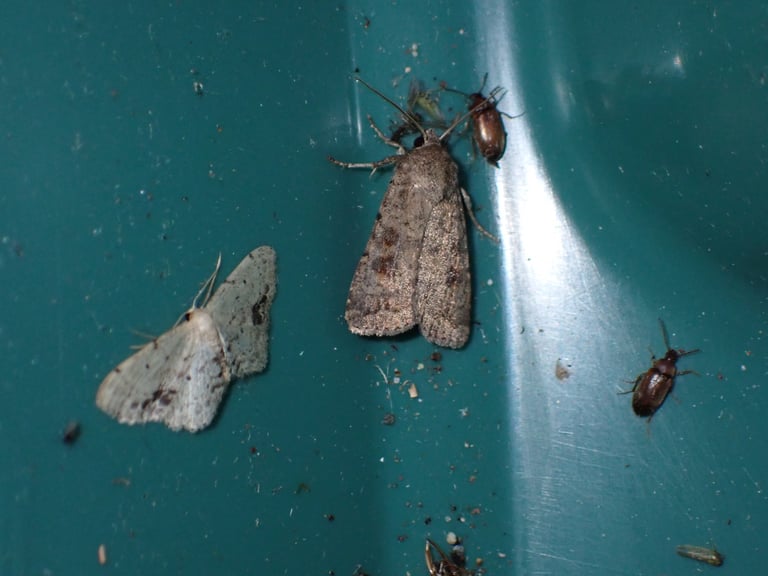
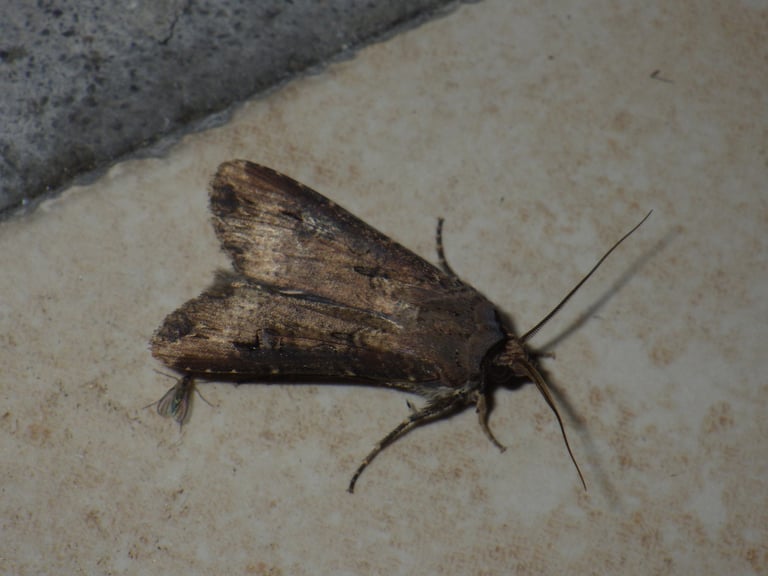
The spectacle mark on its thorax — a whitish-grey patch ringed with black — gives Abrostola tripartita a distinctive look among the Noctuidae, the owlet moths.
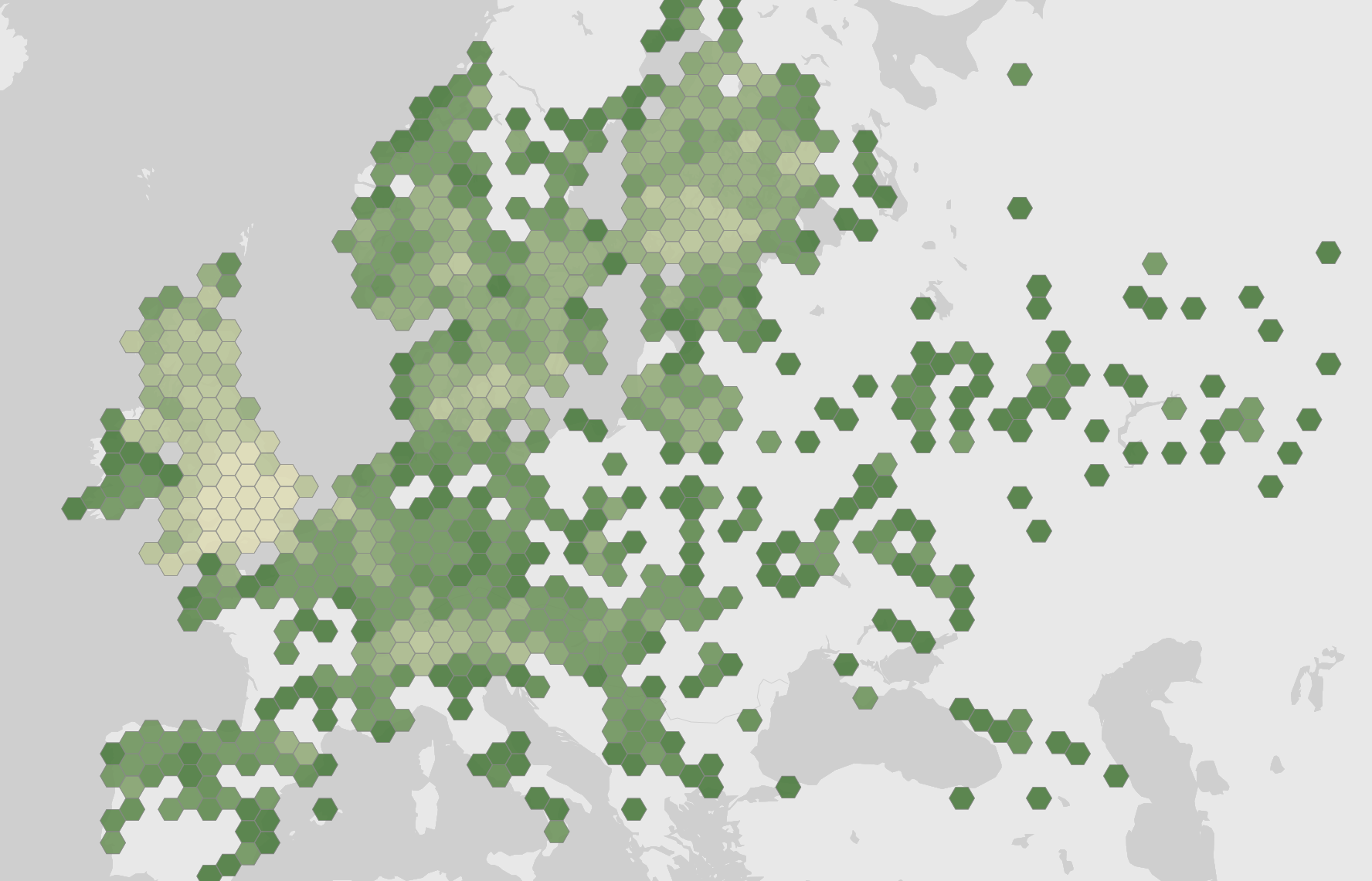
This species belongs to the order Lepidoptera and is found across a wide stretch of the Palearctic realm, including most of Europe, Russia, Siberia, the Amur region, Kyrgyzstan, and Kazakhstan.
Identification and Appearance
The clearest way to recognize Abrostola tripartita is by the whitish-grey spectacle mark on its thorax, ringed with black, which gives the species its common name.
On the forewings, the basal and outer marginal areas are whitish grey, finely mottled with darker grey, while the central area is greyish brown and mottled with darker brown.
Compared with the closely related Abrostola triplasia, this species shows raised scales on the crosslines and central area of the forewings that are more distinct, along with a spectacle mark that is more clearly defined.
Distribution and Habitat
Abrostola tripartita ranges across much of the Palearctic realm, occurring throughout most of Europe as well as Russia, Siberia, the Amur region, Kyrgyzstan, and Kazakhstan.
Observation records through the year show very low counts from December through March, a sharp rise beginning in April, and a strong peak spanning June and July, before numbers fall off again through the autumn months. This pattern suggests the adult moths are most active and most often seen in the middle of summer, though the records reflect presence rather than actual population size.
Diet and Nutrition
Abrostola tripartita larvae feed on stinging nettle, Urtica dioica, and small nettle, Urtica urens, tying the species closely to these common plants wherever they grow.
Records also link the species to Buddleja davidii, the butterfly bush, which is a well-known nectar source for adult moths and butterflies rather than larval food.
Among these recorded associations, nettles stand out as the dominant food plant for the larvae, consistent with the species' description as a nettle-feeding moth across its range.
Fun Facts
- The common name "the spectacle" comes directly from the whitish-grey, black-ringed mark on the moth's thorax, which resembles a pair of spectacles.
- The species was originally described by Hufnagel in 1766 under the name Phalaena (Noctua) tripartita.
- It belongs to the genus Abrostola within the family Noctuidae, a large group of moths commonly known as owlet moths.
Photos
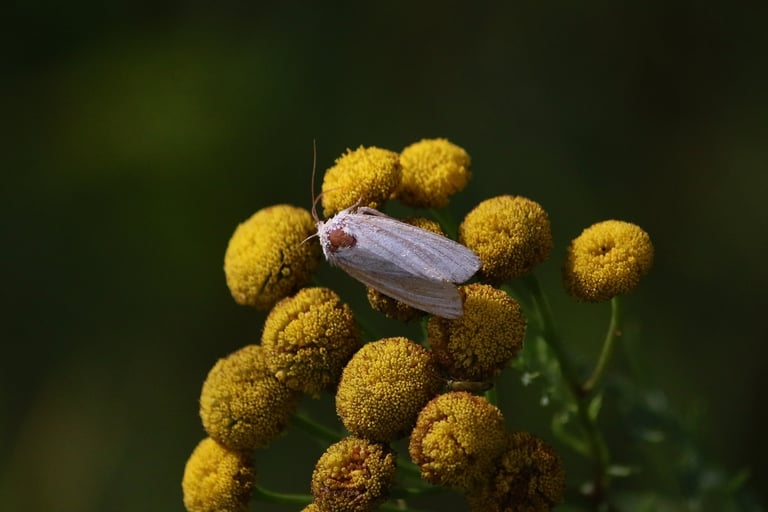
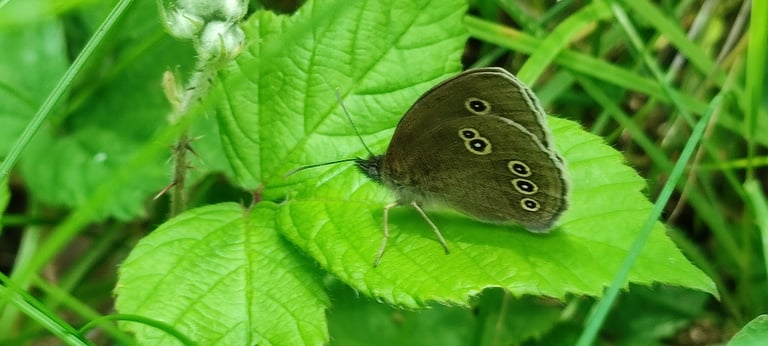
Photographs from via iNaturalist, licensed under CC0 1.0., credited on each photo.
Ecology and classification
Diet
- Herbivore
Classification
- Phylum
- Arthropoda
- Class
- Insecta
- Order
- Lepidoptera
- Family
- Noctuidae
- Genus
- Abrostola
- Species
- Abrostola tripartita