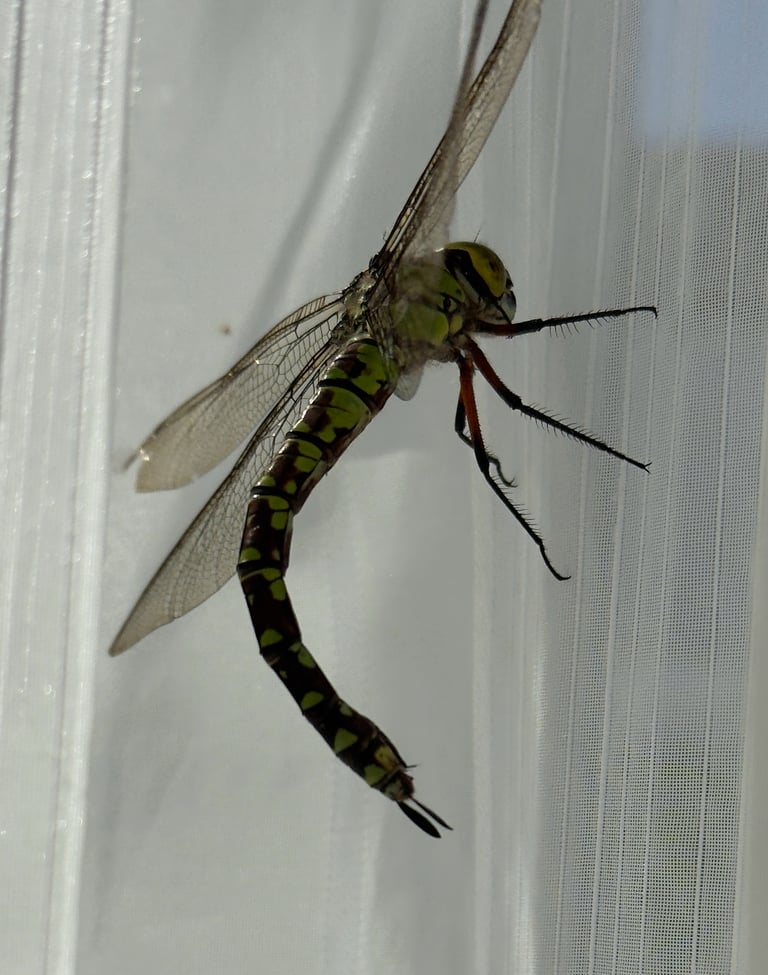
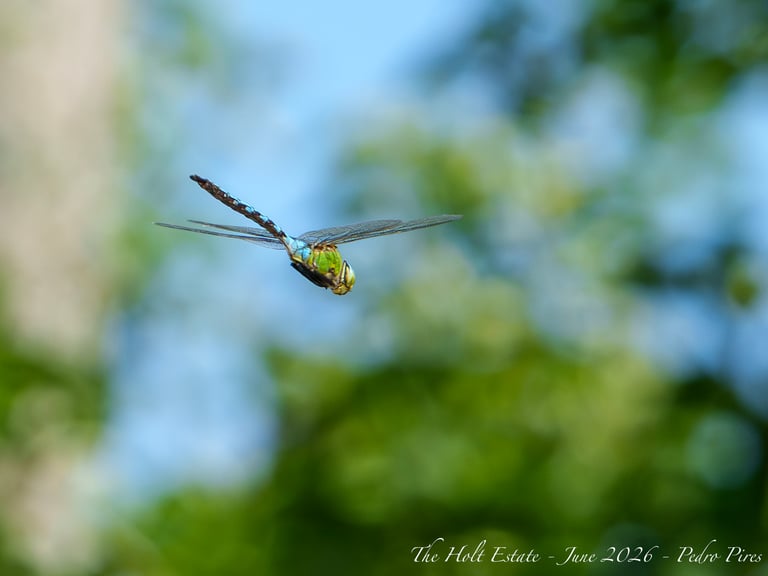
The common hawker is one of the larger species of hawker dragonflies, with a flight period stretching from June to early October, unusually long for a dragonfly.
Native across the Palearctic region and into northern North America, Aeshna juncea belongs to the family Aeshnidae within the order Odonata. It is currently assessed as Least Concern.
Its wide range and long season make it one of the more familiar large dragonflies across northern latitudes, often encountered well into autumn when most other species have disappeared.
Identification and Appearance
Aeshna juncea is recognized as one of the larger hawker dragonflies, a group known for their robust bodies and powerful, sustained flight.
Distribution and Habitat
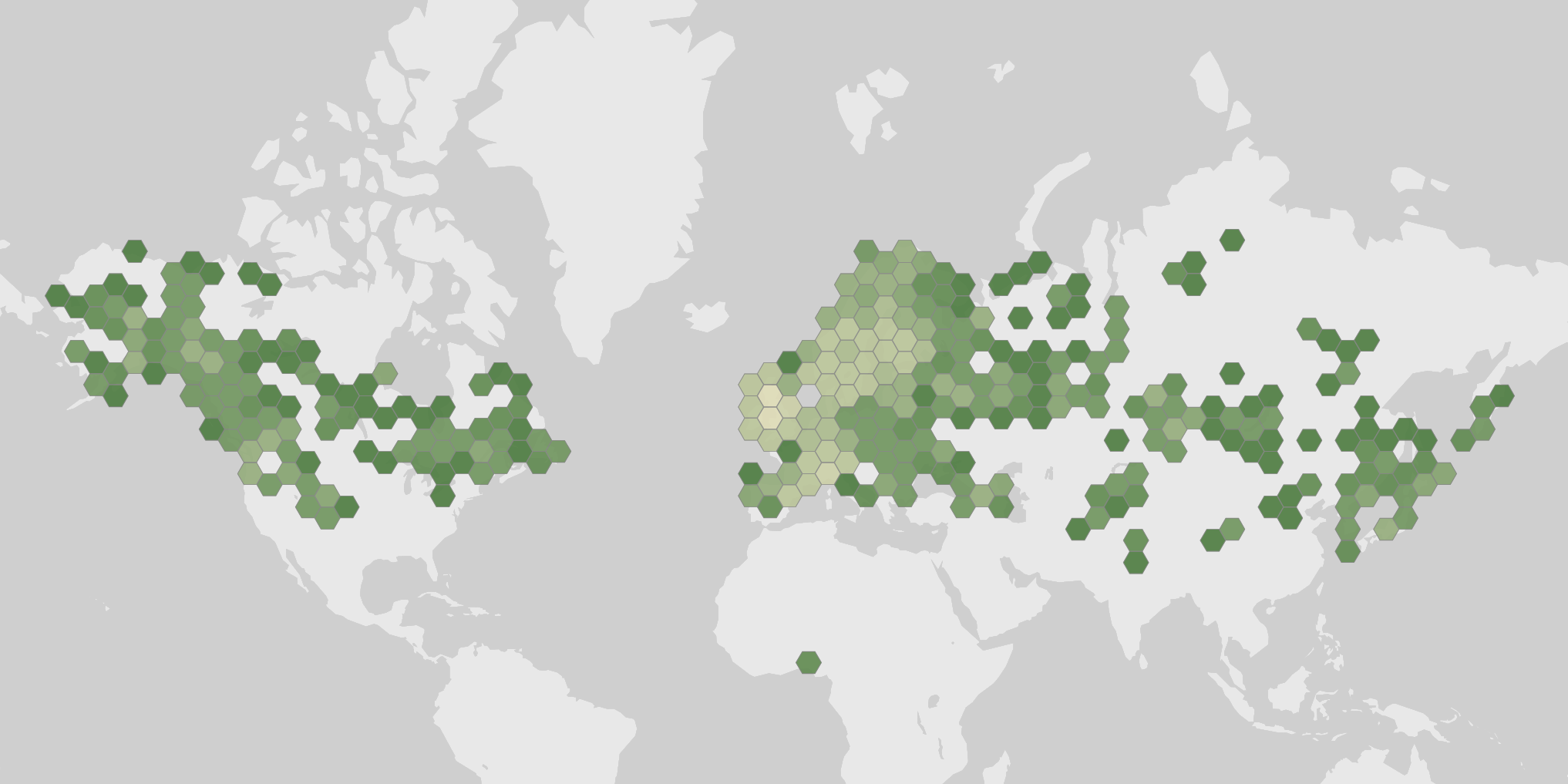
The common hawker occurs widely across the Palearctic region and into northern North America. Observation records point to a strong seasonal pattern of activity, with numbers rising sharply through the summer months and peaking around July and August before tapering off into autumn. This pattern lines up with its long flight period, which runs from June to early October, though the observation counts reflect when the species was seen rather than how abundant it actually is.
Hunting and Diet
As an insectivore, the common hawker hunts other insects, catching prey in flight with its strong wings and agile maneuvering typical of hawker dragonflies. Records of its diet include a range of aquatic insect larvae and other invertebrates, among them non-biting midges such as Ablabesmyia and Arctopelopia species, along with diving beetles like Agabus bipustulatus and Agabus sturmii. Water spiders such as Argyroneta aquatica also turn up among recorded prey.
This mix suggests the species feeds opportunistically on whatever suitable invertebrates it encounters, both in its aquatic larval stage and as a flying adult.
Fun Facts
- Aeshna juncea was first described by Carl Linnaeus in 1758.
- Its common names include the common hawker, moorland hawker and sedge darner, reflecting its association with boggy, sedge-filled habitats.
- It flies for an unusually long season, from June to early October, outlasting many other dragonfly species into autumn.
Photos
Photographs from via iNaturalist, licensed under CC0 1.0., by unipon via iNaturalist, licensed under CC BY 4.0., by Oleg Kosterin via iNaturalist, licensed under CC BY 4.0., by mrdjplant via iNaturalist, licensed under CC BY 4.0., by Codrin Bucur via iNaturalist, licensed under CC BY 4.0., by odole via iNaturalist, licensed under CC BY 4.0., by Slaidburn via iNaturalist, licensed under CC BY 4.0., by Quentin Benet-Cibois via iNaturalist, licensed under CC BY 4.0., by Марина Давлетшина via iNaturalist, licensed under CC BY 4.0., by malkov_gorny via iNaturalist, licensed under CC BY 4.0., and by Ben Mitchell via iNaturalist, licensed under CC BY 4.0., credited on each photo.
Ecology and classification
Behavior
- Predator
Diet
- Insectivore
Classification
- Phylum
- Arthropoda
- Class
- Insecta
- Order
- Odonata
- Family
- Aeshnidae
- Genus
- Aeshna
- Species
- Aeshna juncea