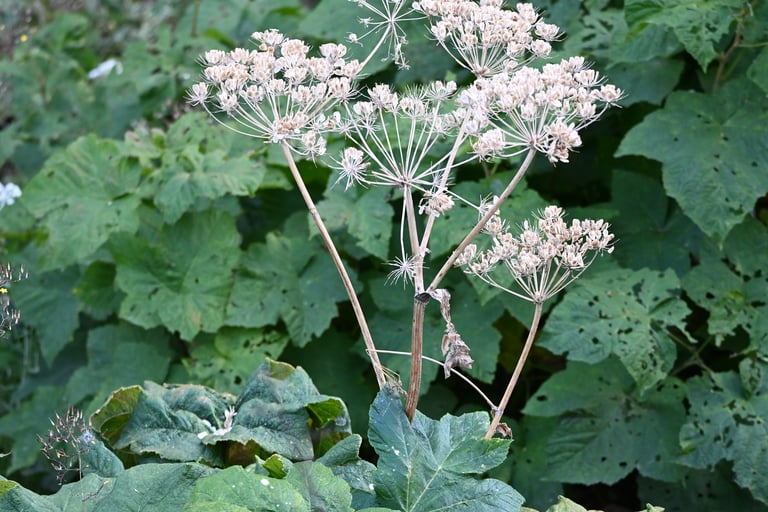
Garden angelica, Angelica archangelica, is a herb in the carrot family, Apiaceae. Its sweetly scented stems and roots are cultivated in parts of Europe, although the plant looks much like several poisonous species.
The plant is known by several names, including garden angelica, wild celery and Norwegian angelica. Botanists have also used the synonyms Archangelica officinalis and Angelica officinalis for it.
Because its appearance overlaps with dangerous relatives, it should only be eaten when identified with absolute certainty. That makes this plant a useful case for learning how members of Apiaceae are told apart.
Distribution and Habitat
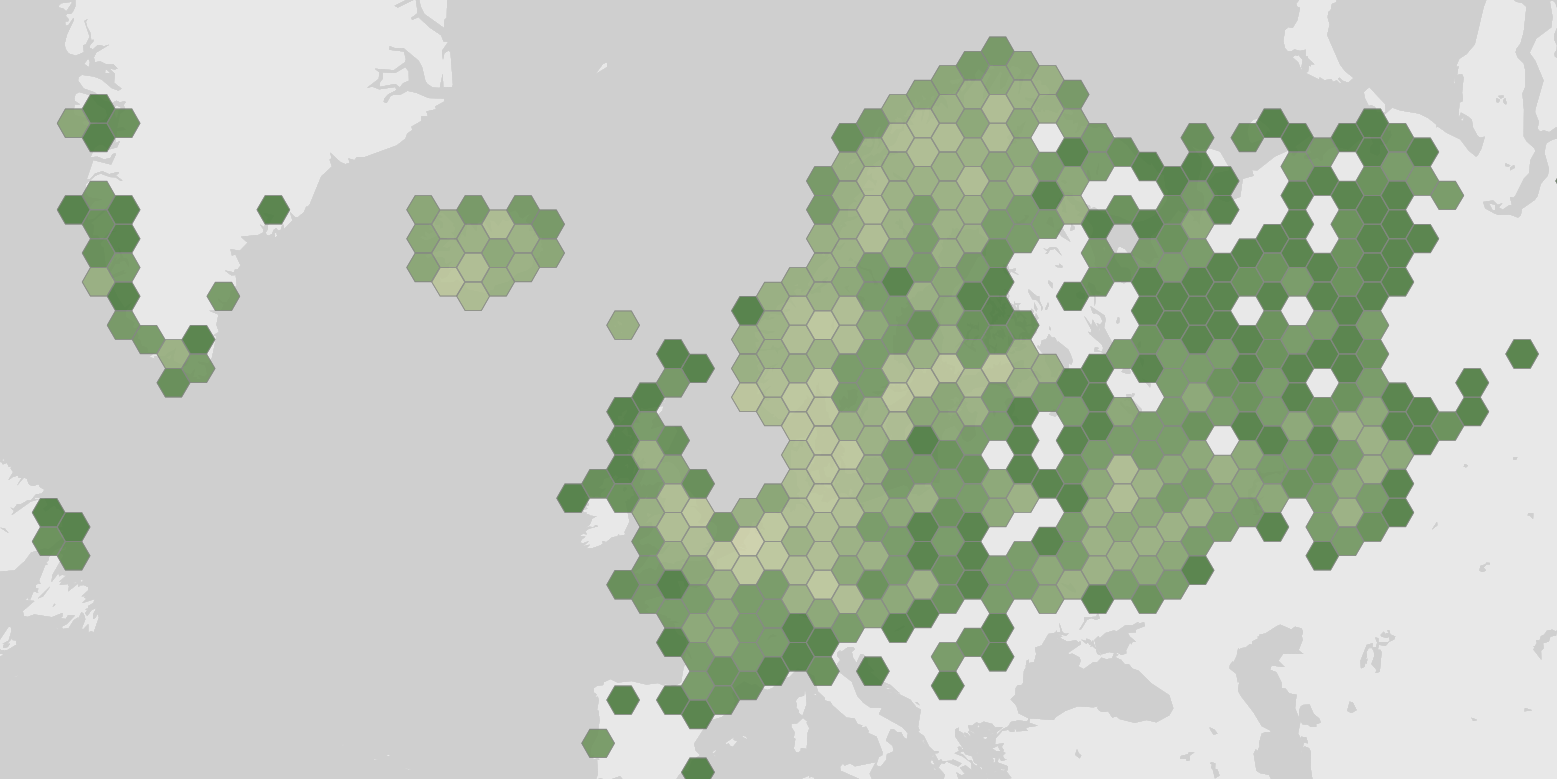
Garden angelica grows wild across northern Europe and into Russia, including Finland, Sweden, Norway, Denmark, Iceland and Greenland. Most of its wild populations sit in the northern parts of these countries.
It is also native across a broad belt of central and eastern Europe, from Great Britain and the Netherlands to Poland, Ukraine and West Siberia. Plants occur in Albania, Bulgaria, Belarus and Germany as well, within a temperate climate.
The plant needs damp soil and usually grows near rivers or other deposits of water. In France it is cultivated mainly in the Marais Poitevin, a marsh region close to Niort in the Deux-Sèvres department. Much of the commercial angelica on sale comes from Hungary, Romania, Bulgaria, Germany and Poland.
Outside its native range, the species has been reported in Belgium, the Czech and Slovak lands, Ireland, Nepal and Yukon. Observations in the data peak in July, when the plant is in flower.
Growth and Form
In its first year, the plant produces only leaves. In its second year, a fluted stem rises to about 2.5 meters, just over 8 feet.
The leaves are divided into numerous small leaflets arranged in three main groups, and each group splits again into three smaller groups. The leaflet edges are finely toothed or serrated.
The plant is classed as an herb with a perennial life duration, and it stays in its damp habitat through the growing season.
Ecology and Relationships
Garden angelica flowers attract a range of insects. Bumblebees such as Bombus terrestris and Bombus lucorum are among its most frequent visitors, alongside the honey bee, Apis mellifera.
Flies are also common on the flowers. Hoverflies, including Eristalis nemorum and Myathropa florea, and blowflies of the genus Lucilia are regular visitors, and beetles of the genus Meligethes are often found there too.
The plant grows only in damp soil, preferably close to rivers or water, so its distribution is tied to moist ground and wetland edges.
Photos
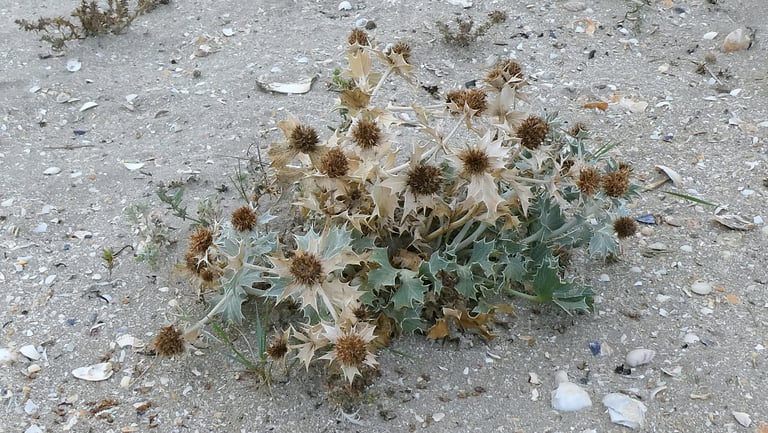
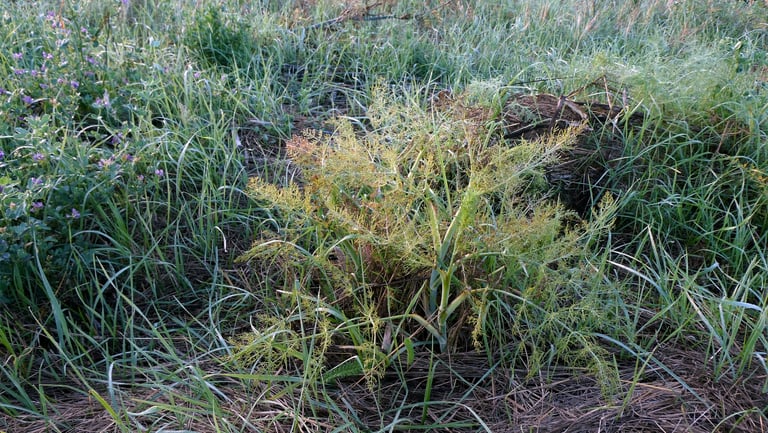
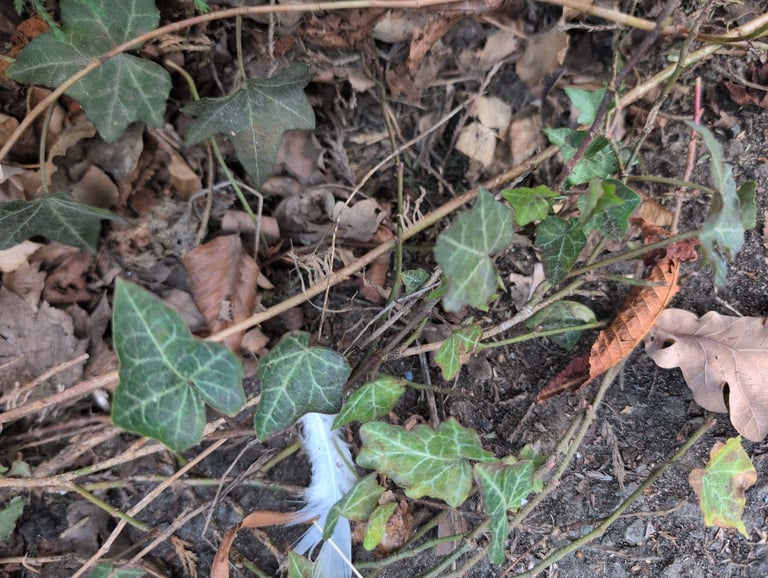
Photographs from via iNaturalist, licensed under CC0 1.0., by Stanislav Murashkin via iNaturalist, licensed under CC BY 4.0., by Edoardo Nardelli via iNaturalist, licensed under CC BY 4.0., by Мирослав Соболев via iNaturalist, licensed under CC BY 4.0., and by Марина Садыкова via iNaturalist, licensed under CC BY 4.0., credited on each photo.
Ecology and classification
Habitat
Growth habit
- Herb
Classification
- Phylum
- Tracheophyta
- Class
- Magnoliopsida
- Order
- Apiales
- Family
- Apiaceae
- Genus
- Angelica
- Species
- Angelica archangelica
Sources
- GBIF Species names and classification
- iNaturalist Photos
- Wikidata Common names and conservation status
- Wikipedia Summary extract
- Plants of the World Online Native range, life form and climate (WCVP)
- USDA Plants US plants: growth habit and growing conditions
- GloBI What it eats, what eats it, parasites and pollinators
- DoPI
- EuPPollNet