Alpine rock-cress is known in the British Isles from only a few locations on the Cuillin Ridge of the Isle of Skye, which makes it one of the country's rarest wild flowers in its native range.
Arabis alpina is a flowering plant in the mustard family, Brassicaceae. It is native to mountainous areas of Europe, North and East Africa, Central and Eastern Asia and parts of North America.
The plant grows on damp gravels and screes, often over limestone, where it can establish on loose, unstable ground.
Identification and Appearance
The most useful field mark is the basal rosette: its leaves are long, strongly toothed and clearly stalked. The stem leaves are different, having no stalks and clasping the stem.
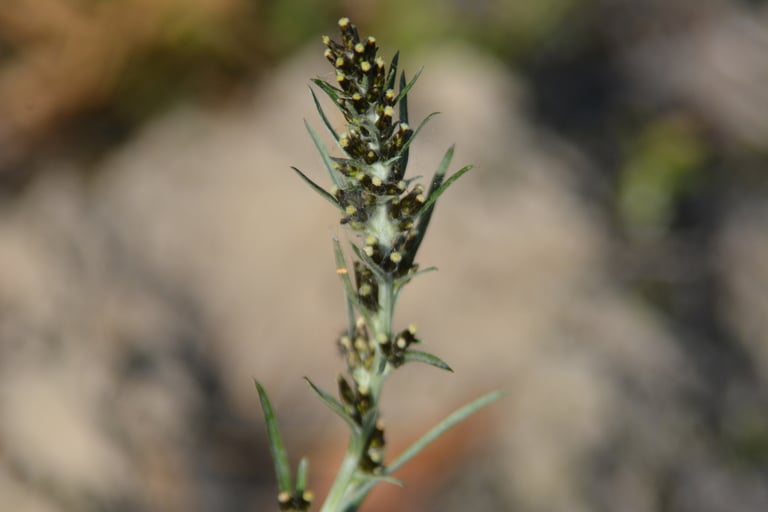
The stems grow up to 40 centimeters (16 inches) tall. They are topped with loose heads of white, four-petalled flowers that open in spring.
As a perennial herb with a woody base, it keeps its rosette through the year and sends up flowering stems each season.
Distribution and Habitat
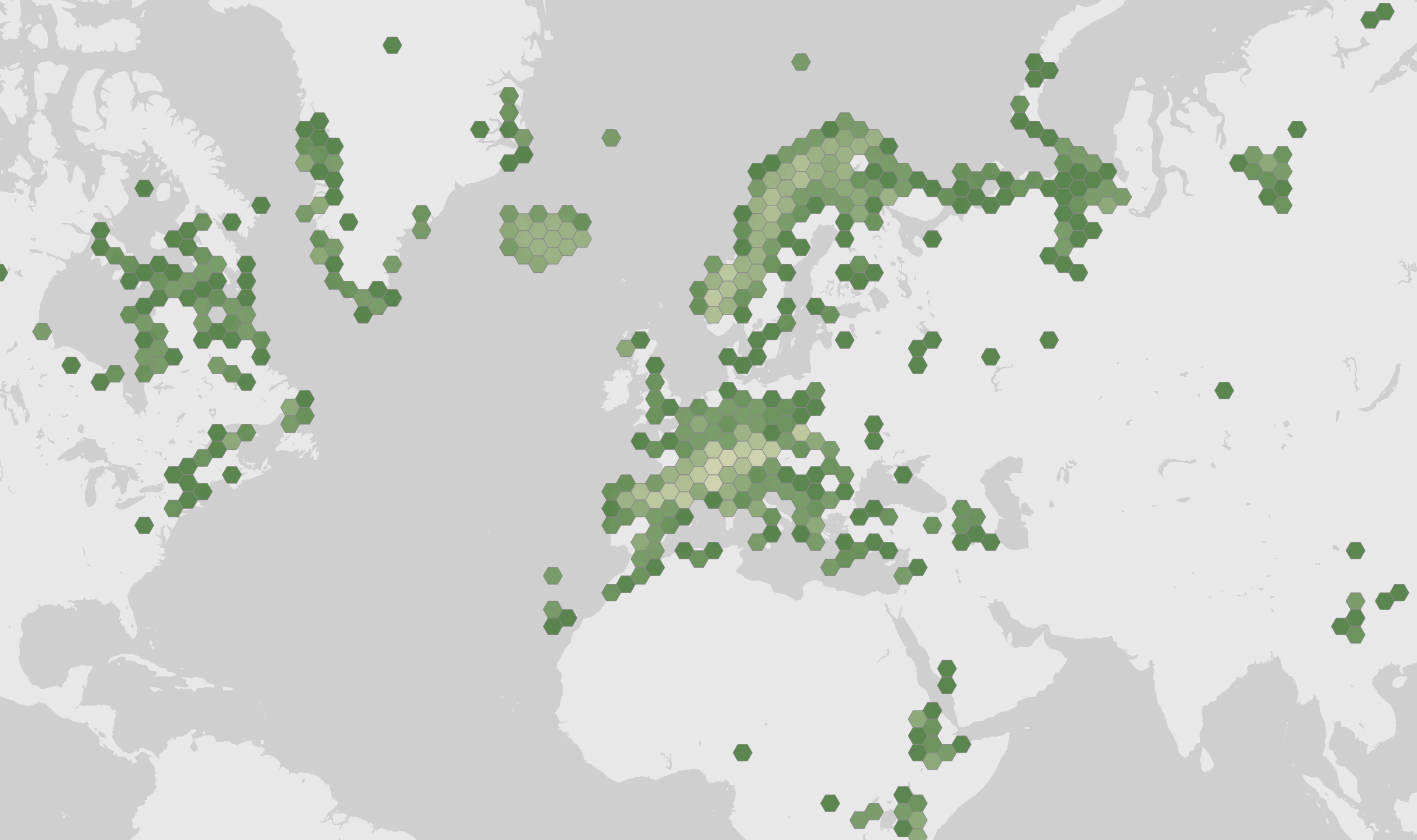
Alpine rock-cress occurs across a wide band of northern and central Eurasia, from Great Britain and Scandinavia to the mountains of Central and Eastern Asia. In North America it is found in eastern Canada, Labrador, Newfoundland, Québec and Greenland, and it grows in parts of East Africa, including Kenya, Ethiopia, Uganda and Tanzania.
Its natural climate is temperate, and it favors mountain habitats. It also grows on waste ground and disturbed places.
In the British Isles it survives only in a few places on the Cuillin Ridge of Skye, on damp gravels and screes.
Observations of the species peak in midsummer, from June through July.
Growth and Form
Alpine rock-cress is a subshrub, a plant with a short woody base and soft upper stems. Its stems rise to about 40 centimeters (16 inches) in height.
As a perennial, it lives for several years and returns from the same base each season. Its basal rosette of toothed leaves persists while flowering stems are produced above it.
Ecology and Relationships
Mining bees of the genus Andrena and sweat bees of the genus Halictus visit its flowers, and butterflies are also drawn to its blooms. These insects feed on the flowers, but they are not treated here as its pollinators.
Birds eat its seeds, and finches, skylarks, pigeons, ducks and geese all feed on the plant. Species such as the common redpoll and the grey partridge are among its main bird feeders.
The plant suits open, stony ground on mountains and waste land, where competition from taller vegetation is limited.
Uses and Human Relationships
Alpine rock-cress grows mainly as a wild plant of mountain gravels and screes, so people encounter it chiefly through the rocky landscapes it occupies.
Fun Facts
- Its stem leaves clasp the stem without stalks, while the leaves at the base of the plant are long and stalked.
Photos
Photographs from via iNaturalist, licensed under CC0 1.0., by Tim Aßmus via iNaturalist, licensed under CC BY 4.0., by Yves Bas via iNaturalist, licensed under CC BY 4.0., by Michal Honskus via iNaturalist, licensed under CC BY 4.0., by Elias via iNaturalist, licensed under CC BY 4.0., by Ingvild Riska via iNaturalist, licensed under CC BY 4.0., and by Barry Stewart via iNaturalist, licensed under CC BY 4.0., credited on each photo.
Ecology and classification
Habitat
Growth habit
- Subshrub
Classification
- Phylum
- Tracheophyta
- Class
- Magnoliopsida
- Order
- Brassicales
- Family
- Brassicaceae
- Genus
- Arabis
- Species
- Arabis alpina
Sources
- GBIF Species names and classification
- iNaturalist Photos
- Wikidata Common names and conservation status
- Wikipedia Summary extract
- Encyclopedia of Life Habitat, diet and behavior traits
- Plants of the World Online Native range, life form and climate (WCVP)
- GloBI What it eats, what eats it, parasites and pollinators
- trophiCH