Swamp milkweed is a herbaceous perennial that grows in damp to wet ground across North America. It is also called rose milkweed, rose milkflower, swamp silkweed and white Indian hemp.
Like most milkweeds, it has latex containing toxic steroids. That chemistry repels many species of insects and mammals, so the plant is largely left alone by animals that browse other plants.
Gardeners grow it for its flowers, which draw butterflies and other pollinators with nectar. It is rated Least Concern by the IUCN, and it remains a common plant of wet habitats.
Identification and Appearance
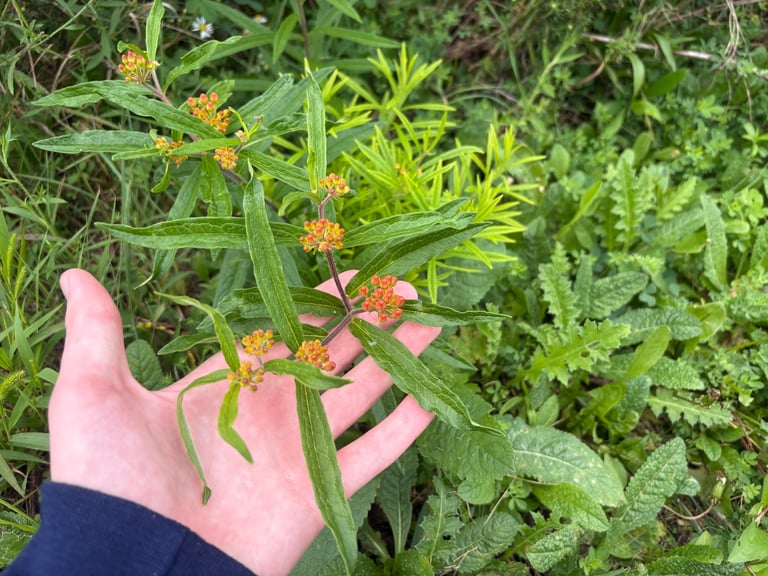
The most useful field mark is the clump of pink to mauve flowers in rounded umbel-like clusters, held above narrow, lance-shaped leaves. The plant is upright and typically reaches 100 to 150 cm (39 to 59 in) tall.
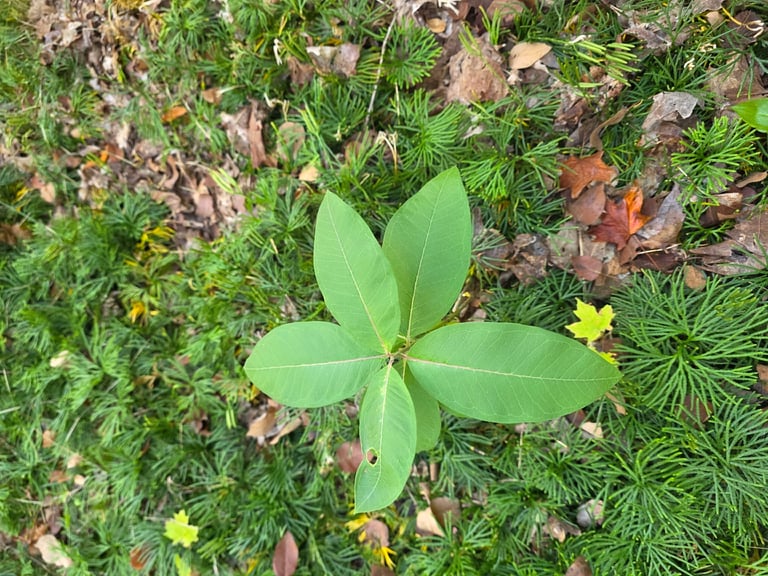
Its stems are branched, and the leaves grow in opposite pairs. Each leaf is 7.5 to 15 cm (3 to 6 in) long and 1 to 4 cm (1/2 to 1 1/2 in) wide, tapering to a sharp point.
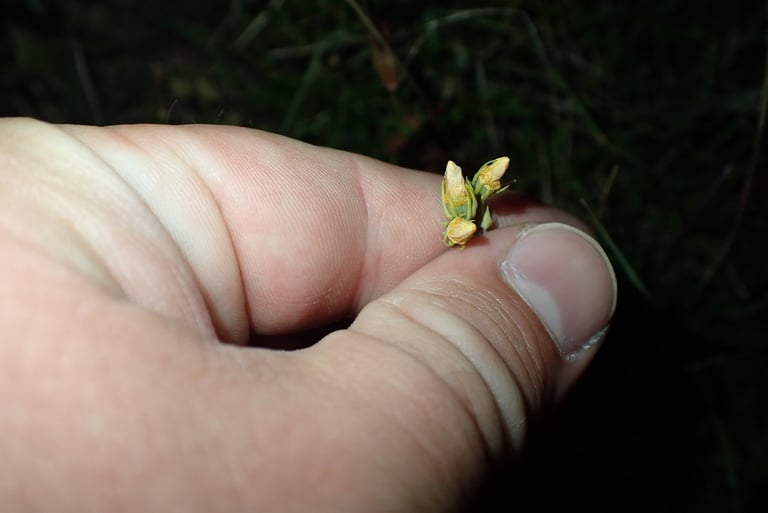
The flowers are small and fragrant, with five reflexed petals and a raised central crown. Darker purple and softer pinkish purple shades occur, and a white-flowered form also exists.
After blooming, green follicles about 12 cm (4 3/4 in) long form and split open when ripe. They release flat brown seeds attached to silky, silver-white hairs that catch the wind.
Distribution and Habitat
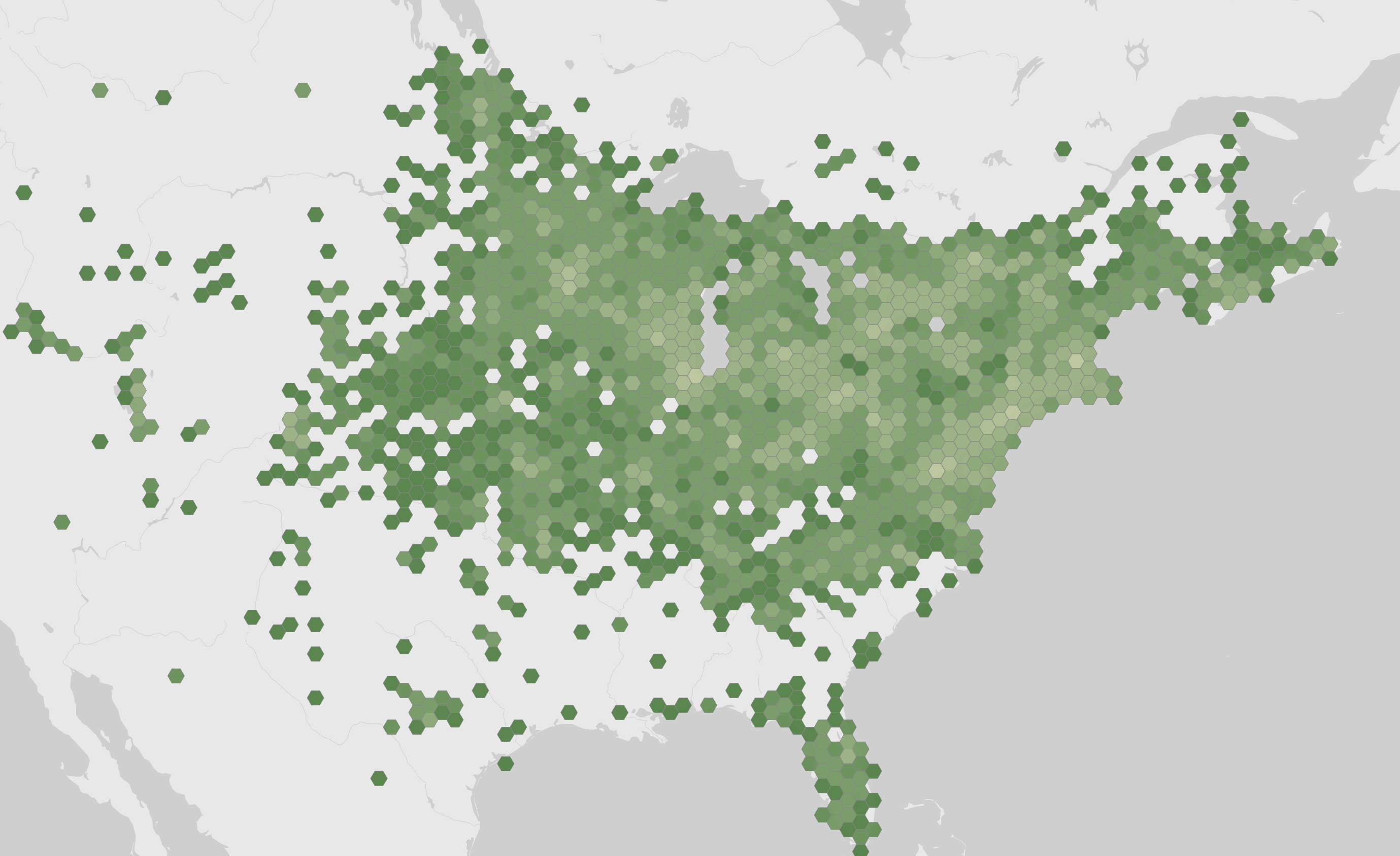
Swamp milkweed is native to a broad area of eastern and central North America. Its native range runs from eastern and central Canada through much of the eastern and central United States, and it extends into northeastern Mexico.
It grows in wet conditions, from standing water to saturated soil. It is a riparian plant found on streambanks, pond shores, lake margins, marshes, swamps and floodplains.
It also occurs in wet meadows and low wet woods, and it is most often found where flooded plains and wet prairie margins meet drier ground.
Outside its native range, it has been introduced in South European Russia.
Growth and Form
Swamp milkweed is a perennial that comes back year after year from thick, fleshy, white roots. These roots allow it to grow in heavy, wet soils that are low in oxygen.
The plant forms clumps and grows at a moderate rate. Its shoots appear in late spring, after many other plants have started growth for the year.
Mature plants reach about 1.5 meters tall.
Cultivation and Care
Swamp milkweed grows in neutral to slightly acidic soil, with a pH range of about 5 to 8. It tolerates rich, wet, very muddy soil as well as average garden moisture.
It grows best in full sun or partial shade. It is not drought tolerant, so it needs consistently moist ground.
The plant is hardy to about -39 °C (-38.9 °C). Most garden plants live two to five years, although the species can survive for up to 20 years.
Uses and Human Relationships
Swamp milkweed is cultivated frequently, and several cultivars are available. Gardeners often plant it in butterfly gardens, and it is sold as a cut flower for its long-lasting display.
Breeding monarch butterflies prefer to lay their eggs on it. For that reason it is often planted in butterfly gardens and monarch waystations to help sustain monarch populations.
Photos
Photographs from via iNaturalist, licensed under CC0 1.0., by Skyler Principe via iNaturalist, licensed under CC BY 4.0., by Sandy Wolkenberg via iNaturalist, licensed under CC BY 4.0., by Jeff Clark via iNaturalist, licensed under CC BY 4.0., by Jes Gray via iNaturalist, licensed under CC BY 4.0., by Steven Lamonde via iNaturalist, licensed under CC BY 4.0., by Jaime McGuigan via iNaturalist, licensed under CC BY 4.0., by feralist via iNaturalist, licensed under CC BY 4.0., by Tom Field via iNaturalist, licensed under CC BY 4.0., and by Quinten Wiegersma via iNaturalist, licensed under CC BY 4.0., credited on each photo.
Ecology and classification
Classification
- Phylum
- Tracheophyta
- Class
- Magnoliopsida
- Order
- Gentianales
- Family
- Apocynaceae
- Genus
- Asclepias
- Species
- Asclepias incarnata
Sources
- GBIF Species names and classification
- iNaturalist Photos
- Wikidata Common names and conservation status
- Wikipedia Summary extract
- Encyclopedia of Life Habitat, diet and behavior traits
- Plants of the World Online Native range, life form and climate (WCVP)
- USDA Plants US plants: growth habit and growing conditions