Few small birds gather in such numbers as the brambling. Its winter roosts can reach 20 million birds, and in Europe its flocks sometimes number in the thousands or even millions. Fringilla montifringilla is a passerine in the finch family Fringillidae, also called the cock o' the north and the mountain finch.
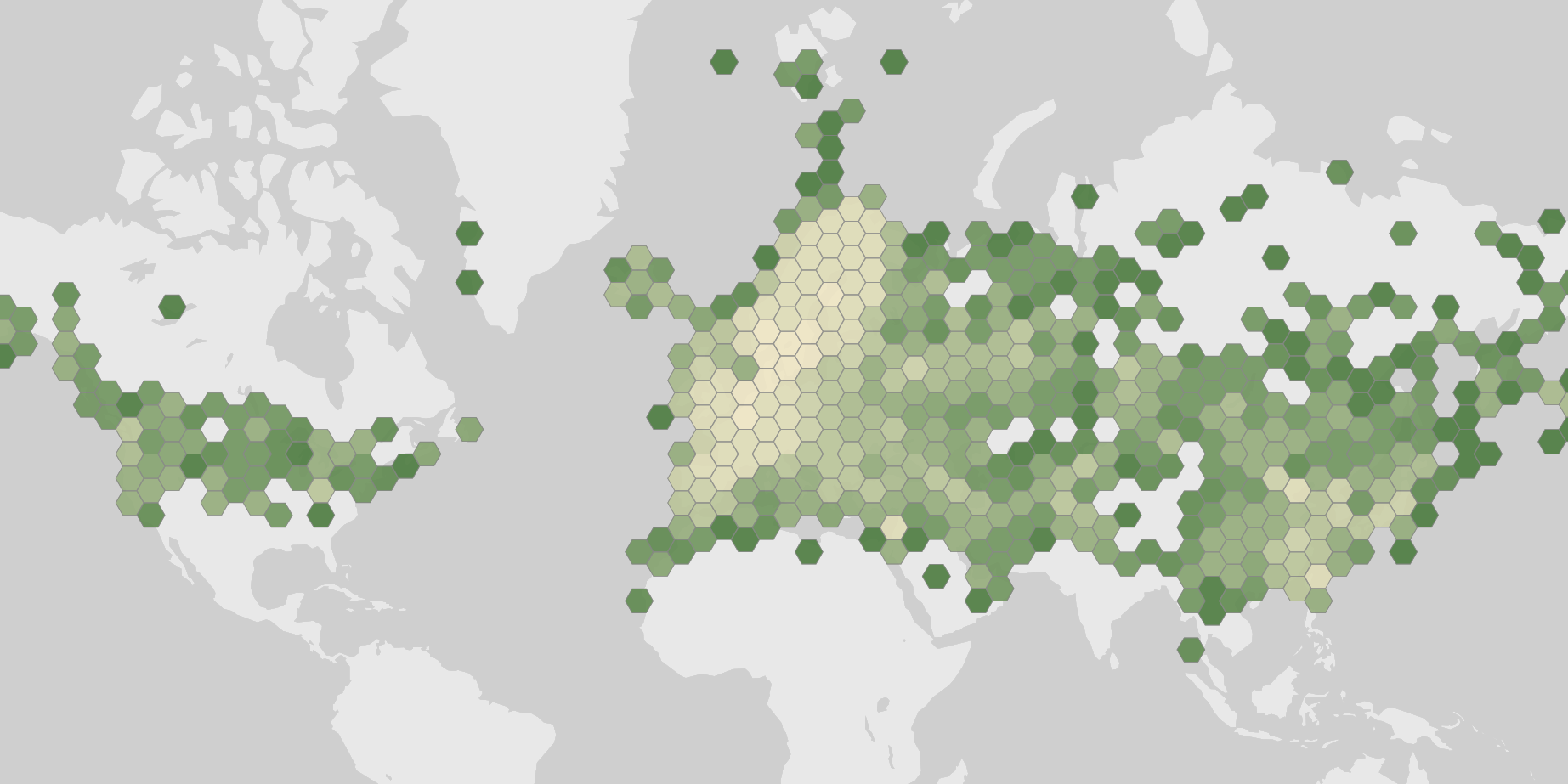
The brambling breeds across the forests of northern Europe and east across the Palearctic, with a range covering about . It is almost entirely migratory, wintering in southern Europe, North Africa, northern India, northern Pakistan, China and Japan.
The global population is estimated at 100 to 200 million birds and is decreasing, yet the IUCN lists the species as Least Concern, because its numbers and range remain very large.
Identification and Appearance
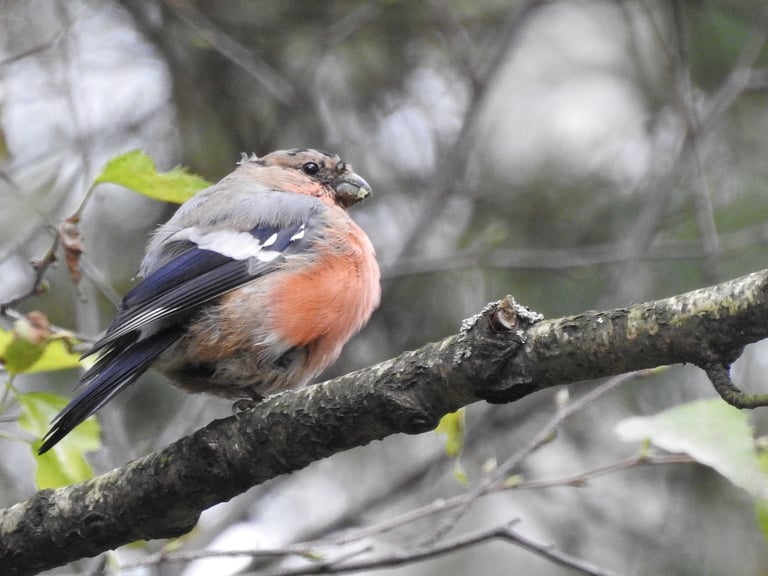
The breeding male is the most distinctive plumage: a black head, dark upperparts, an orange breast and a white belly. Its white rump and orange shoulder feathers also set it apart from similar finches.
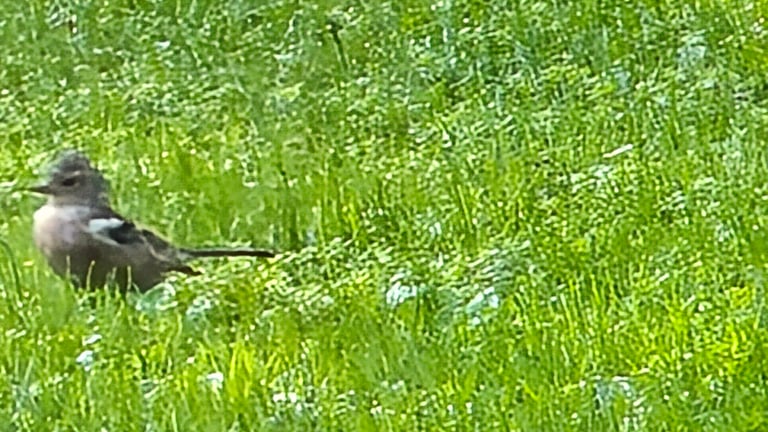
The brambling is similar in size and shape to a common chaffinch, at about 16 cm long with a wingspan of 25 to 26 cm. Females and young birds are less distinct and look more like some chaffinches.
Several features separate the brambling from the chaffinch in every plumage. Its rump is white where the chaffinch's is grey-green, its flanks are dark-spotted where the chaffinch's are plain, and it lacks the white outer tail feathers of the chaffinch.
Outside the breeding season, the bill is a useful clue: yellow in the brambling and dull pinkish in the chaffinch. Breeding males have black bills, while chaffinch males in that plumage have grey bills.
Distribution and Habitat
In the breeding season the brambling occupies the forests of northern Europe and east across the Palearctic. Open coniferous or birch woodland is favored for breeding, and the species also uses subalpine birch and willow forests, boreal forests and birch scrub.
In winter it moves into beech forests and agricultural fields, where it feeds mostly on the ground. Snow cover limits suitable wintering habitat, because the birds depend on seeds gathered from the ground. To save energy, they roost in sheltered coniferous stands at altitudes with little wind exposure.
Wintering birds reach southern Europe, North Africa, northern India, northern Pakistan, China and Japan. It frequently strays into Alaska during migration, and it turns up scattered across the northern United States and southern Canada.
Behavior and Lifestyle
The brambling is highly nomadic in winter, and it keeps some of that wandering into the breeding season. Males banded on their breeding grounds have been recaptured as far as 600 km from the banding site in later breeding seasons.
In winter the birds form large flocks that move across the landscape until they find a productive beech mast crop. Such gatherings occur especially when beech mast is abundant. Their movement may be an adaptation that helps them avoid competition with the common chaffinch.
During breeding, birds form small groups, and nests can sit close together in subalpine birch forests. Males are aggressive toward rivals, and each pair defends its nesting territory.
The brambling is active by day. It gleans insects from trees and bushes, and it picks seeds from the ground.
Communication
Males sing to establish breeding territories and attract mates. Roosting birds give social chatter, and birds in flight use call notes.
Lohmus and Silverin (1999) suggested that some breeding males, especially those with lighter heads, might use female mimicry. That strategy could increase their mating success and help them avoid aggressive encounters with other males.
The birds are likely sensitive to ultraviolet light. They may use UV cues to identify and reject eggs laid by nest parasites.
Recordings
call · France · Lionel Triboulin · Public domain
call · France · Lionel Triboulin · Public domain
Diet and Nutrition
The brambling is an omnivore. In most of its range it relies on beech mast in winter, and its densities are highest where beech mast is greatest. Elsewhere it feeds on seed in large agricultural fields, and it also eats other seeds, grains and nuts.
During the breeding season insects become central to its diet. Its movements track the abundance of the larvae of the geometrid moth Epirrita autumnata, which are an important food for nestlings and juveniles.
Plants of the order Rosales are main foods, and hawthorn stands out among them. Occasionally the birds also eat the fruit of cultivated apple, pear and plum.
In winter, roosts can be as large as 20 million birds, which concentrates a great deal of feeding into a few places.
Nesting and Breeding
Male bramblings arrive on the breeding grounds in late April and early May. Females seem to choose mates by song and physical traits rather than by nest site, so pairs stay monogamous without being tied to one breeding site. Once a pair forms, both birds defend the nesting territory. Males attack intruding males, and females attack intruders near the nest.
The cup-shaped nest is built mainly by the female, usually placed high in a birch or spruce against the trunk. Its outer layer may contain lichen, grass, heather, cobweb and strips of birch or juniper bark, and it is lined with feathers, soft grass and hair.
Females lay 5 to 7 oval eggs at daily intervals. The eggs range from light blue to dark olive-brown, with pink to rusty red spots and blotches, and average about 19.4 mm by 14.5 mm. The female incubates them for 11 to 12 days from the laying of the last egg. Both parents feed and care for the young, which fledge after about two weeks. Most pairs raise one brood a year, though two broods are possible, and in northwest Russia two are sometimes raised.
Carrion crows and Siberian jays prey on nests, and common cuckoos often lay their eggs in brambling nests. Brambling can reject eggs that do not resemble their own.
Population and Ecological Role
Winter roosts can reach several million birds. Because they gather in such large numbers, they presumably act as important seed predators at foraging sites.
Breeding birds may also be important predators of geometrid moth larvae, which links their numbers to insect control in forests. During migration, several species of predatory birds take them, and carrion crows and common kestrels are among the predators of the species.
The global population is estimated at 100 to 200 million birds, and it is decreasing.
Conservation and Threats
The IUCN Red List rates the brambling as Least Concern. It is common throughout most of its range, and it is not considered threatened because of its large population size and wide geographic range.
Europe alone holds an estimated 13,000,000 to 22,000,000 breeding pairs, and the breeding range extends as far as the Aleutian Islands. The global population trend is decreasing, even though the species remains widespread.
The brambling holds no special status under the US Migratory Bird Act, the US Federal List or CITES.
Cultural Significance
Brambling enrich the lives of bird-watchers, naturalists and wildlife enthusiasts, who follow the large winter flocks.
Their predation on moth larvae and insects may positively affect agriculture and silviculture, the management of forests.
Photos
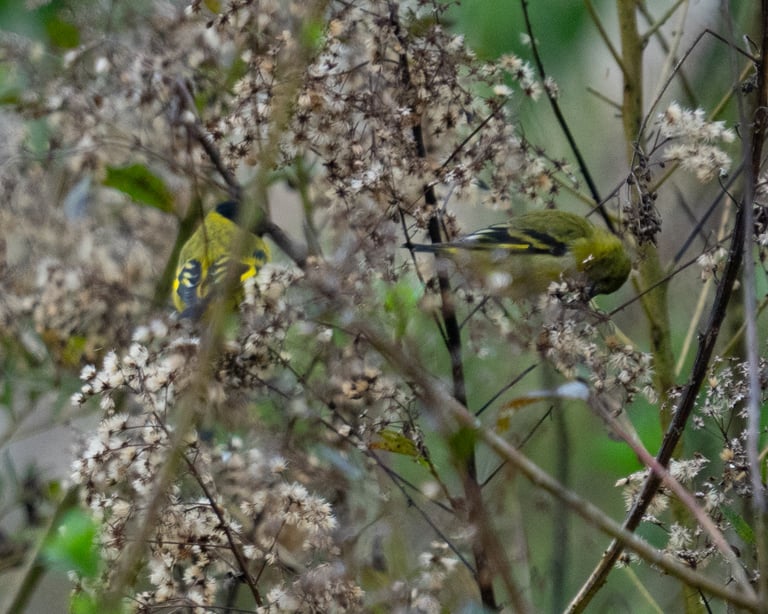
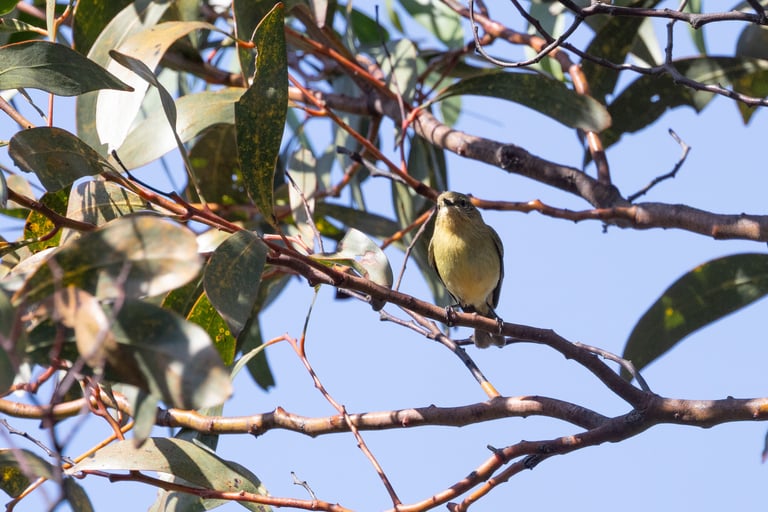
Photographs from via iNaturalist, licensed under CC0 1.0., by Сергей Неклюдов via iNaturalist, licensed under CC BY 4.0., by Fyodor Pudovikov via iNaturalist, licensed under CC BY 4.0., by Евгений Маринкин via iNaturalist, licensed under CC BY 4.0., by Марат Адиев via iNaturalist, licensed under CC BY 4.0., and by Ксения Волянская via iNaturalist, licensed under CC BY 4.0., credited on each photo.
Ecology and classification
Classification
- Phylum
- Chordata
- Class
- Aves
- Order
- Passeriformes
- Family
- Fringillidae
- Genus
- Fringilla
- Species
- Fringilla montifringilla
Sources
- GBIF Species names and classification
- iNaturalist Photos
- Wikidata Common names and conservation status
- Wikipedia Summary extract
- Xeno-canto Audio recordings
- Animal Diversity Web Animal habitat, behavior and diet
- AnAge Longevity
- AVONET Bird mass, habitat, migration, diet and range size
- GloBI What it eats, what eats it, parasites and pollinators
- trophiCH
- TETRA-EU