The hooded siskin is found in every mainland South American country except French Guiana and Suriname, making it one of the most widespread finches on the continent.
This small passerine belongs to the finch family Fringillidae, within the order Passeriformes. The IUCN lists it as Least Concern. Its combination of a striking black-hooded plumage, nomadic habits, and communal singing make it a rewarding bird to learn about.
Identification and Appearance
The most useful field mark on adult males is the entirely black head, throat, and upper breast contrasted against a bright yellow collar across the nape and neck sides. This hooded pattern, paired with an olive-green back faintly streaked in dark, immediately separates males from most other finches in range.
The hooded siskin measures 10 to 12 cm in length and weighs about 11 g. Its rump is bright yellow, its tail mostly black with wide yellow edges on all but the innermost feathers, and its wings show a complex pattern of blackish-brown coverts tipped pale olive or bright yellow, with a yellow band formed by bright yellow bases on the primaries and secondaries. Underparts from the lower breast down are bright yellow, sometimes tinged orange on the breast sides.
Females lack any black on the head; their upperparts are dull olive or olive-green with a gray tinge, and their chin and throat are pale grayish. Juveniles resemble females but show a buffish olive head and back with thin darker streaks. All sexes and ages share a black iris, a dark grayish-black bill, and dark gray or blackish legs and feet.
The species includes numerous subspecies that vary in the extent of black on the head, the shade of the upperparts, and the amount of yellow in the wings and tail. For example, S. m. tucumanus has black restricted to the upper nape and throat, while S. m. longirostris has a hood that stops short of the upper breast and shows a whitish lower belly.
Distribution and Habitat
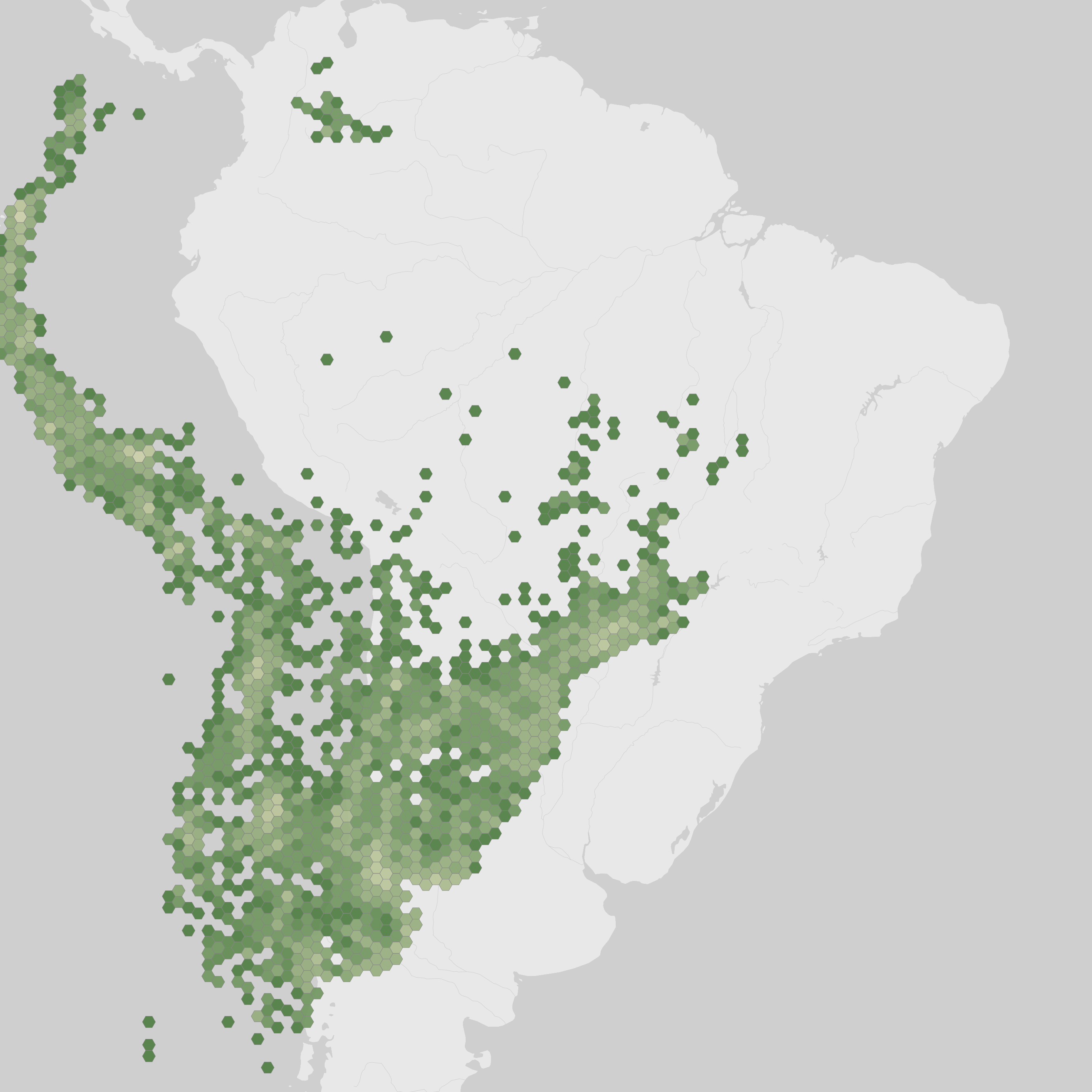
The hooded siskin is the most widespread member of genus Spinus, occurring from Colombia and Venezuela south through Ecuador, Peru, Bolivia, Brazil, Paraguay, Uruguay, and into Argentina, with its many subspecies occupying distinct regional ranges across this vast area.
It uses an unusually broad range of habitats, including lowland and lower montane forest, secondary forest, savanna with scattered trees, cocoa and palm plantations, scrubby open country, cultivated edges, and even suburban parks and gardens. In northern Chile it favors Polylepis forest specifically.
Elevational range is wide, from sea level to about 5,000 m overall, though this varies by country: up to 1,300 m in Venezuela, 2,500 m in Brazil, and 4,200 m in Peru, while in Colombia it is found between 2,200 and 3,600 m and in Ecuador mostly between 1,000 and 3,500 m.
Monthly observation records show a rise toward the later months of the year, hinting at seasonal presence or nomadic movement rather than a fixed population pattern.
Behavior and Lifestyle
Most populations are non-migratory but highly nomadic, wandering within their ranges rather than following fixed seasonal routes. This nomadism likely tracks the availability of seeds and other food across its varied habitats.
One subspecies, S. m. tucumanus, shows a more defined pattern: it breeds at high elevation in northwestern Argentina and descends to lower elevations in winter, with some birds remaining there while most move north into Bolivia.
The species is insessorial, spending much of its time perched, and forages and sings from open perches within its habitat.
Communication
Males sing from open perches and also in flight, often for long periods, producing a varied series of rapid short twittering phrases described as tseet-tseet, tseet-weet, or tseet-weet-a-weeta interspersed with repeated phrases. Several males often sing together in concert, creating a communal chorus.
Calls include a light or lilting djey, djey, a tseeu note, and a long trilling trrrrrr, each likely serving different social or contact functions distinct from the song.
Recordings
song · Ecuador · Niels Krabbe · CC BY-SA
flight call, flight calls · Ecuador · Niels Krabbe · CC BY-SA
song, slow song · Ecuador · Niels Krabbe · CC BY-SA
song · Ecuador · Niels Krabbe · CC BY-SA
Diet and Nutrition
The hooded siskin feeds primarily on a wide variety of seeds, making it a granivore at its core, but it also takes buds, leaves, flowers, nectar, fruits, and small arthropods, broadening its diet beyond seeds alone.
It has been observed ingesting sand, apparently to use its gritty texture in breaking down food, a behavior tied to its seed-heavy diet.
Outside the breeding season it often forages in mixed flocks of up to about 13 individuals, which may include as many as seven different species foraging together.
Nesting and Breeding
The hooded siskin's breeding season varies geographically and has not been fully defined, spanning roughly October to June in Peru and October to February in Argentina.
The nest is an open cup built from thin twigs and plant fibers bound with spider web and lined with softer plant fibers, rootlets, and hair. Nests are placed in trees or on human structures up to about 4 m above the ground.
The clutch numbers three or four pale eggs marked with a few small dark brown spots. Incubation lasts about 13 days and is carried out by the female alone, with fledging occurring about 16 days after hatching and both parents provisioning the nestlings.
The shiny cowbird frequently parasitizes hooded siskin nests, laying its own eggs for the siskins to raise.
Conservation and Threats
The IUCN has assessed the hooded siskin as Least Concern, reflecting its extremely large range even though its exact population size is unknown and believed to be decreasing.
No immediate threats have been identified, but the species is often trapped illegally for the pet trade, especially in Argentina, which represents an ongoing pressure despite the overall favorable status.
Local abundance varies considerably: it is described as uncommon, nomadic, and unpredictable in Venezuela, locally fairly common in Colombia, and easily the most numerous siskin in Ecuador. In Brazil it ranges from common to frequent in the south to frequent to uncommon in the north, while in Peru it is common on the western Andean slope but uncommon on the eastern slope.
Fun Facts
- The hooded siskin is the most widespread member of the genus Spinus, occurring in nearly every mainland South American country.
- Several males often sing together in concert from open perches, creating overlapping choruses of twittering song.
- It has been recorded ingesting sand, likely to help grind down food in its digestive system.
Photos
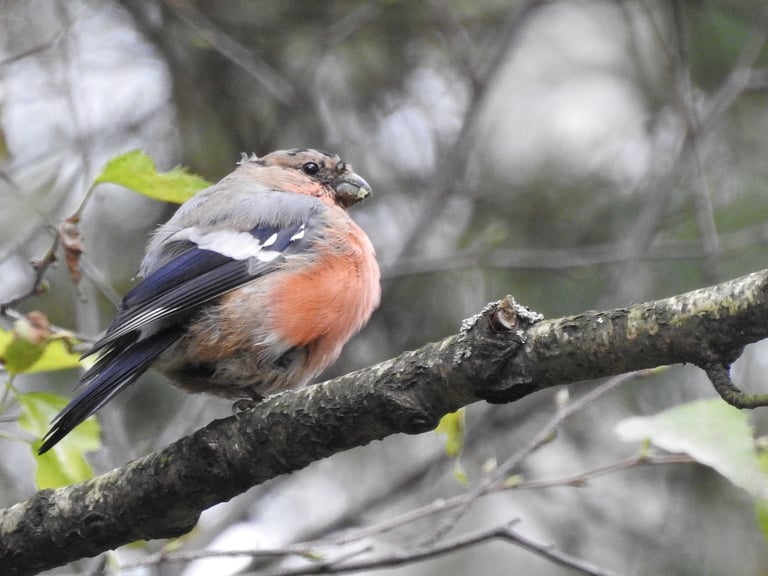
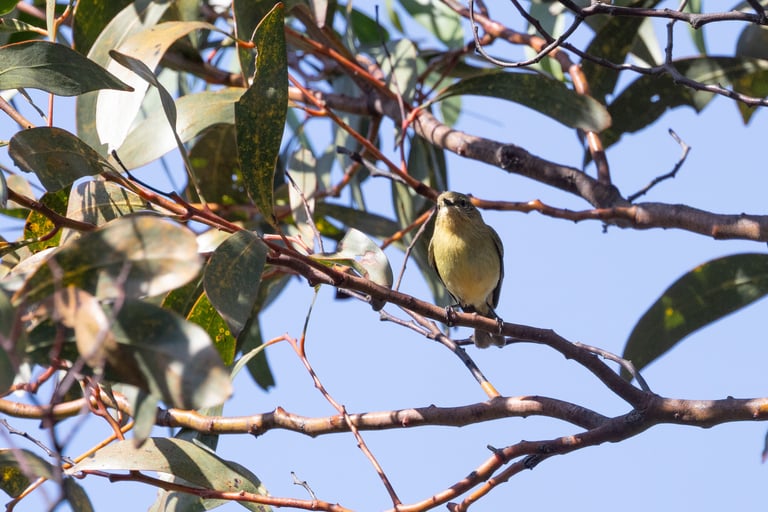
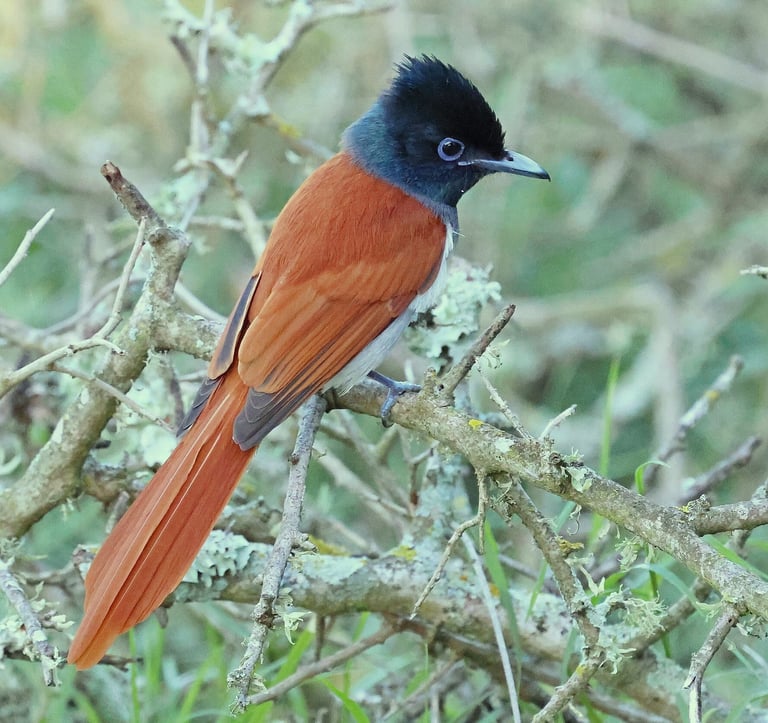
Photographs from via iNaturalist, licensed under CC0 1.0., by Jean Martins via iNaturalist, licensed under CC BY 4.0., by Frank Dietze via iNaturalist, licensed under CC BY 4.0., by RAP via iNaturalist, licensed under CC BY 4.0., by Miguel A. Paixão via iNaturalist, licensed under CC BY 4.0., by Fabrício Mil Homens Riella via iNaturalist, licensed under CC BY 4.0., by Nahuel Di Marco via iNaturalist, licensed under CC BY 4.0., by Naelin via iNaturalist, licensed under CC BY 4.0., and by Gonzalo Romero via iNaturalist, licensed under CC BY 4.0., credited on each photo.
Ecology and classification
Classification
- Phylum
- Chordata
- Class
- Aves
- Order
- Passeriformes
- Family
- Fringillidae
- Genus
- Spinus
- Species
- Spinus magellanicus
Sources
- GBIF Species names and classification
- iNaturalist Photos
- Wikidata Common names and conservation status
- Wikipedia Summary extract
- Xeno-canto Audio recordings
- AVONET Bird mass, habitat, migration, diet and range size