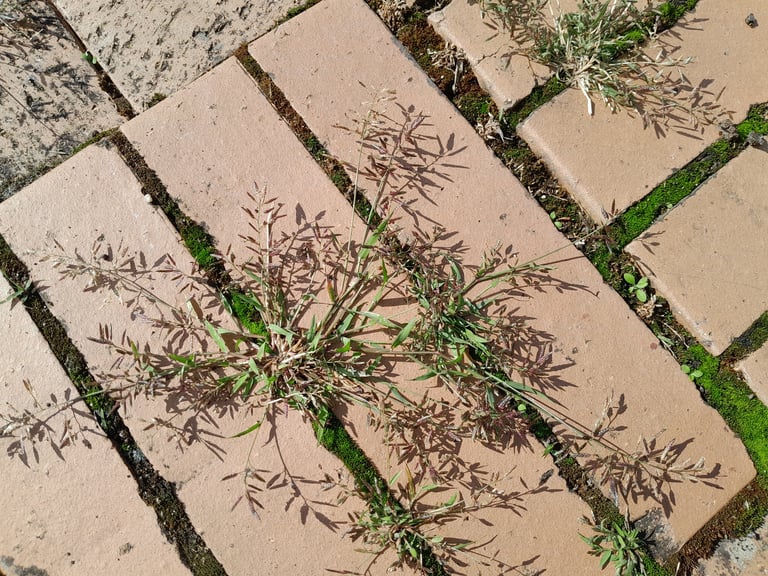
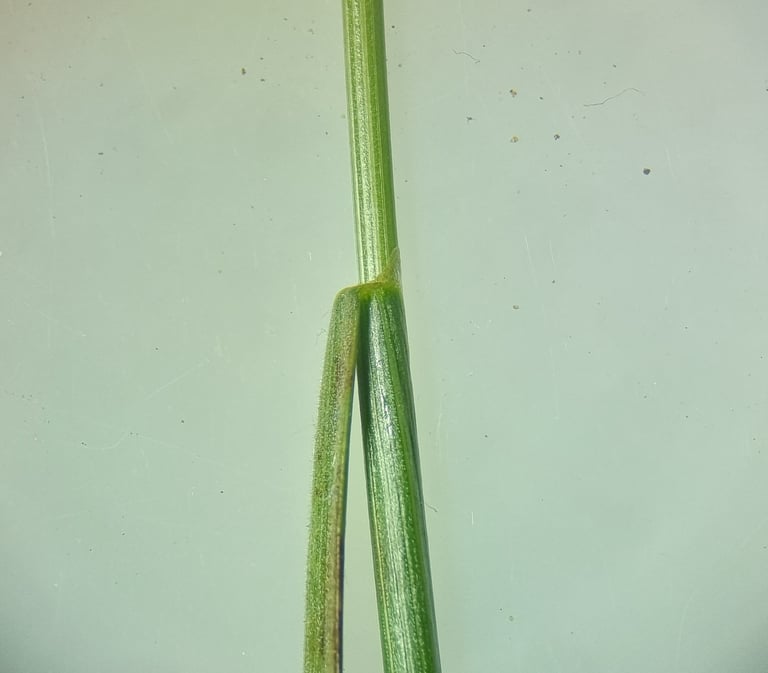
A grass native to Europe and temperate Asia has spread across most of North America, where it is considered invasive. Bromus inermis, known as smooth brome, is a rhizomatous member of the true grass family, Poaceae.
Its native range stretches across Eurasia, from Spain and France in the west through Central Europe, Iran and Pakistan to Mongolia and northern China. Introduced populations are recorded across dozens of U.S. states and Canadian provinces, as well as in New Zealand, Argentina and parts of Scandinavia.
The species is useful to study because it shows how a forage grass can move far beyond its original home and become established in very different landscapes.
Distribution and Habitat
Smooth brome is native to Eurasia, where it grows across a wide band of temperate lands from southern Europe to Central Asia. It is also established across much of North America, with introduced populations in many U.S. states and Canadian provinces.
The species is widely adapted to a variety of sites. It grows in riparian zones, valley bottoms and dryland sites, and it also occurs in gullies on slopes, along roadsides, on river banks and as a dominant plant of mountain meadows. Most U.S. forest, range and forest cover types include it.
Smooth brome tolerates almost all soil textures, although it may not thrive on sand or heavy clay. It tolerates acid soils, and it grows best on moist, well-drained soils, but it can tolerate poorly drained ground. It does not grow on soils that are more than moderately alkaline, and it is fairly tolerant of salt.
Rainfall shapes its range. Smooth brome does best where annual precipitation exceeds 15 inches (380 mm), and it can persist without irrigation where precipitation reaches about 11 inches (280 mm). In the mountains it reaches about 9,000 feet (2,743 m) in the northern Rocky Mountains and about 11,000 feet (3,300 m) in the central and southern Rockies. Observation records peak in early summer, with the highest counts in June and July.

Growth and Form
Smooth brome is a perennial graminoid that spreads through rhizomes, so a single plant can form a dense sward over time. Its mature height is about 0.8 m, which makes it a tall grass in open meadows and along field edges.
It grows at a moderate rate. Each year it returns from its perennial base and resumes growth in spring, allowing it to hold ground in places where annual plants cannot establish.
Ecology and Relationships
Smooth brome supports a range of animals. Songbirds of the order Passeriformes feed on it, and so do ground-feeding gamebirds of the order Galliformes, which take seeds and vegetation from the grass. Mallards and other ducks also use it as food, and grasshoppers, true bugs, beetles and moth larvae feed on its leaves and stems.
The grass forms partnerships below ground. Its main mycorrhizal partner is Rhizophagus intraradices, a fungus that helps the roots take up water and nutrients from the soil.
Smooth brome tolerates shade well and can grow in open ground as well as under partial cover. It persists on sites with acid to alkaline soils and in areas that receive moderate rainfall, which explains its success along roadsides and river banks.
Cultivation and Care
Smooth brome grows well in full sun and tolerates high shade, so it can be planted in open fields as well as under partial cover. It reaches about 0.8 m at maturity and has a moderate growth rate.
The grass prefers moist, well-drained soil with a pH between 5.5 and 8. It has a medium tolerance for drought, and it thrives where annual precipitation exceeds about 15 inches (380 mm). Some cultivars are adapted to northern latitudes and high elevations.
Smooth brome is cold hardy, tolerating temperatures as low as -41.7 °C (-43 °F). Its late spring bloom produces yellow flowers, and its perennial rhizomes allow it to return year after year.
Photos
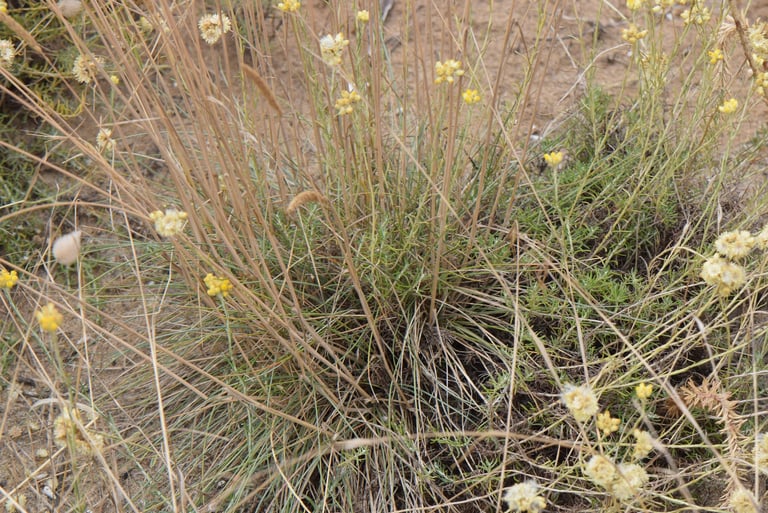
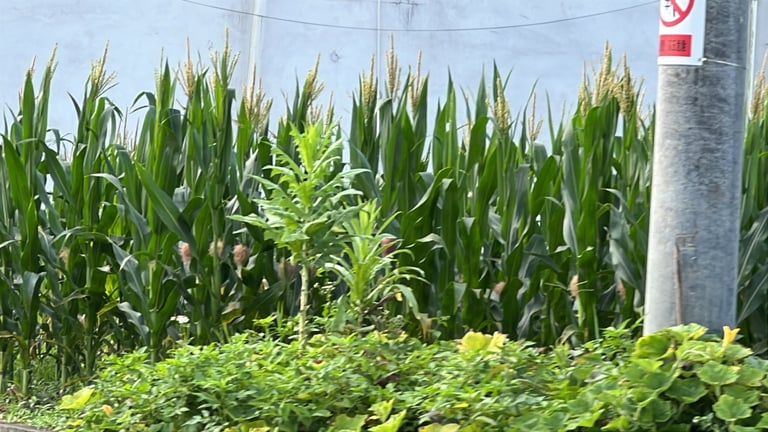
Photographs from via iNaturalist, licensed under CC0 1.0., by Caleb Catto via iNaturalist, licensed under CC BY 4.0., by Carter Ertel via iNaturalist, licensed under CC BY 4.0., by Alexandr Stanislavschi via iNaturalist, licensed under CC BY 4.0., and by Stanislav Murashkin via iNaturalist, licensed under CC BY 4.0., credited on each photo.
Ecology and classification
Growth habit
- Graminoid
Classification
- Phylum
- Tracheophyta
- Class
- Liliopsida
- Order
- Poales
- Family
- Poaceae
- Genus
- Bromus
- Species
- Bromus inermis
Sources
- GBIF Species names and classification
- iNaturalist Photos
- Wikidata Common names and conservation status
- Wikipedia Summary extract
- Encyclopedia of Life Habitat, diet and behavior traits
- Plants of the World Online Native range, life form and climate (WCVP)
- USDA Plants US plants: growth habit and growing conditions
- GloBI What it eats, what eats it, parasites and pollinators
- trophiCH
- GlobalAMFungi