Little lovegrass thrives where almost nothing else will: cracks in sidewalks, rail embankments, and gravelly waste ground across much of the world.
Eragrostis minor, also called smaller stinkgrass, is a flowering plant in the grass family Poaceae. It is native to most of the subtropical and warm temperate Old World and has been introduced to North America, South America, and Australia. Its toughness and tolerance for disturbed, low-competition ground make it a familiar, if overlooked, part of the urban and roadside landscape in many countries.
Identification and Appearance
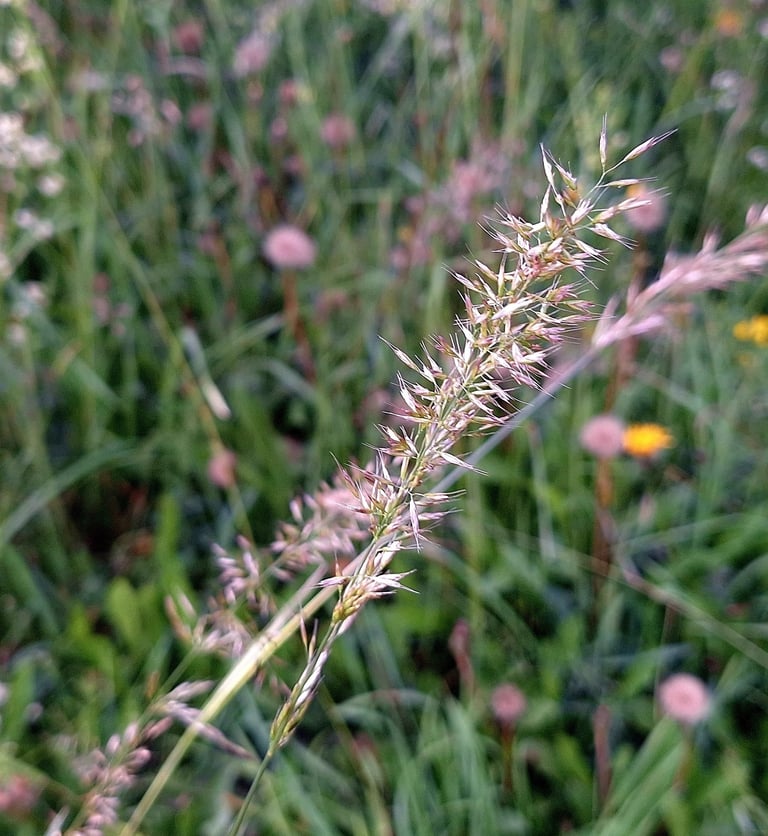
Eragrostis minor is best recognized by its small, open, diffuse seed-head, made up of many tiny, flattened spikelets arranged loosely along thin, wiry branches.
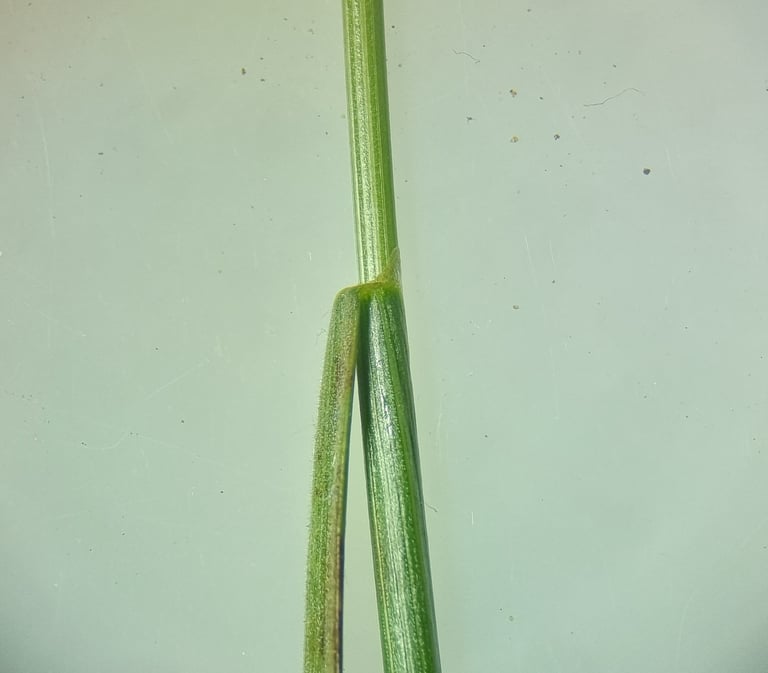
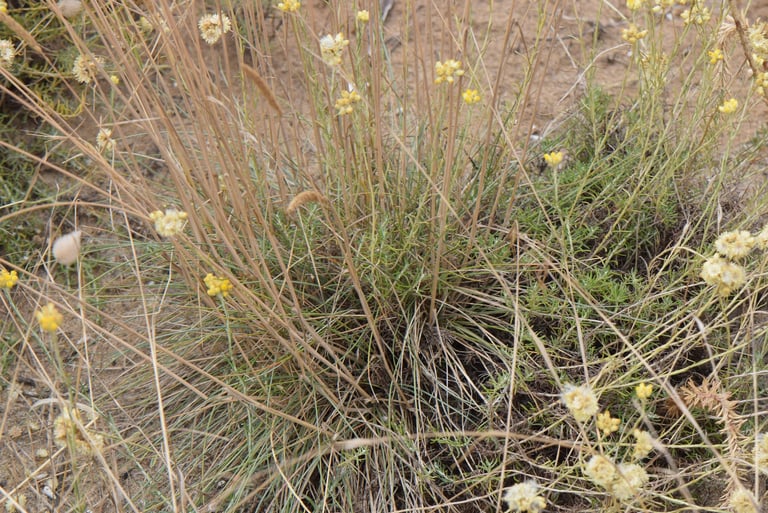
The plant grows as a low, slender annual grass, with narrow leaf blades and thin stems that often sprawl or lean rather than stand fully upright.
Its spikelets are small and numerous, giving the inflorescence a light, airy appearance rather than a dense or compact one.
Distribution and Habitat
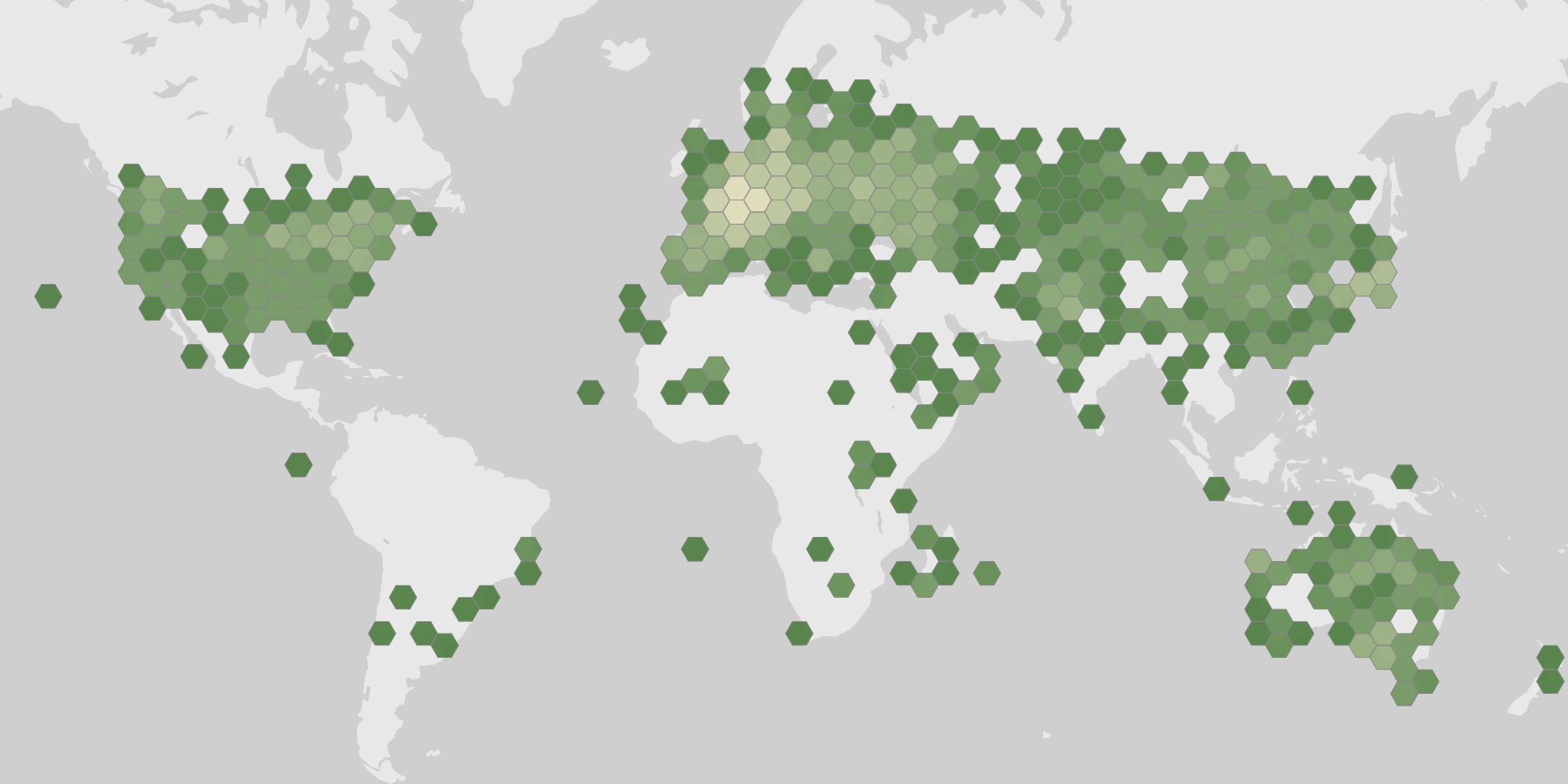
Eragrostis minor has an extensive native range across the Old World, spanning subtropical and warm temperate regions from Spain and Portugal through the Mediterranean, North Africa, the Middle East, and Central Asia to China, Japan, India, and Southeast Asia. It also occurs natively across large parts of Africa, including Egypt, Kenya, Tanzania, and Madagascar.
The species has been introduced widely beyond its native range, establishing itself across much of the United States and Canada, in Mexico, South America (including Brazil and Argentina), and in Australia, including New South Wales, Queensland, South Australia, Tasmania, Victoria, and Western Australia.
It favors disturbed, open habitats with little plant competition, particularly sandy or gravelly soils. Typical settings include rail embankments, road verges, cracks in sidewalks, waste areas, mountain slopes, grasslands, roadsides, streams, and fields, as well as damp soils in some locations.
Observation records show more sightings reported during summer months, which may reflect a period of greater visibility or growth activity, though such records only indicate where and when the plant has been observed rather than its overall abundance.
Growth and Form
Eragrostis minor grows as an annual or perennial, allowing it to persist in disturbed sites either by completing its life cycle within a single season or by surviving across multiple years depending on conditions.
Ecology and Relationships
Eragrostis minor grows in disturbed, open ground and damp soils, from mountain slopes and grasslands to roadsides and streamsides, conditions that favor plants able to establish with little competition.
The grass is eaten by a range of birds, most notably finches and related songbirds such as the redpoll, greenfinch, and common rosefinch, along with larks. Gamebirds such as the rock partridge and pigeons, including the stock dove and common wood pigeon, are also recorded feeding on it, as are waterfowl such as the mallard and greylag goose.
Uses and Human Relationships
The seeds of Eragrostis minor are edible, though their small size makes them difficult to harvest and handle, and the plant is generally treated as a famine food rather than a regular food source.
Fun Facts
- The genus name Eragrostis comes from the Greek words for 'love' (érōs) and grass, giving rise to the common name lovegrass shared across the genus.
- Despite its delicate appearance, Eragrostis minor is widespread enough to be found on every inhabited continent, either as a native plant or as an introduced species.
- The alternate common name 'smaller stinkgrass' hints at a distinctive odor associated with the plant, setting it apart from other lovegrasses.
Photos
Photographs from via iNaturalist, licensed under CC0 1.0., by Brandon Corder via iNaturalist, licensed under CC BY 4.0., by Stephan Mende via iNaturalist, licensed under CC BY 4.0., by Ljaž via iNaturalist, licensed under CC BY 4.0., by Наталья Пикалова via iNaturalist, licensed under CC BY 4.0., by Jason Parrish via iNaturalist, licensed under CC BY 4.0., by Petr Harant via iNaturalist, licensed under CC BY 4.0., and by Maria Kohanovskaya via iNaturalist, licensed under CC BY 4.0., credited on each photo.
Ecology and classification
Growth habit
- Graminoid
Classification
- Phylum
- Tracheophyta
- Class
- Liliopsida
- Order
- Poales
- Family
- Poaceae
- Genus
- Eragrostis
- Species
- Eragrostis minor
Sources
- GBIF Species names and classification
- iNaturalist Photos
- Wikidata Common names and conservation status
- Wikipedia Summary extract
- Encyclopedia of Life Habitat, diet and behavior traits
- Plants of the World Online Native range, life form and climate (WCVP)
- GloBI What it eats, what eats it, parasites and pollinators
- trophiCH