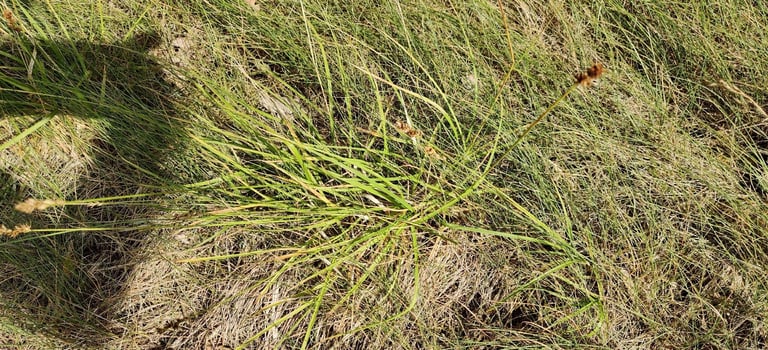
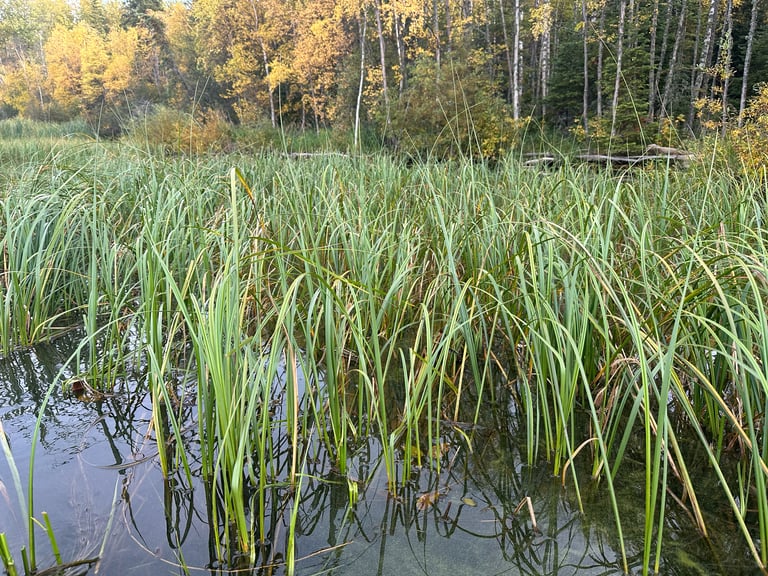
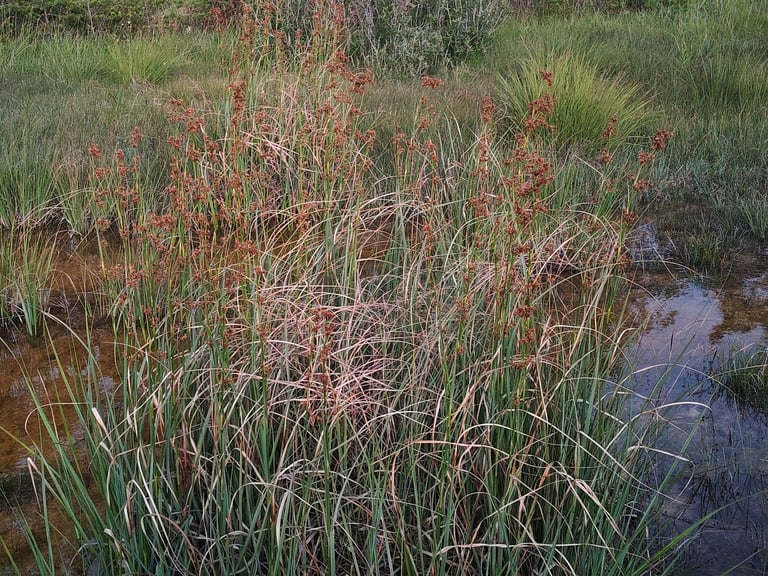
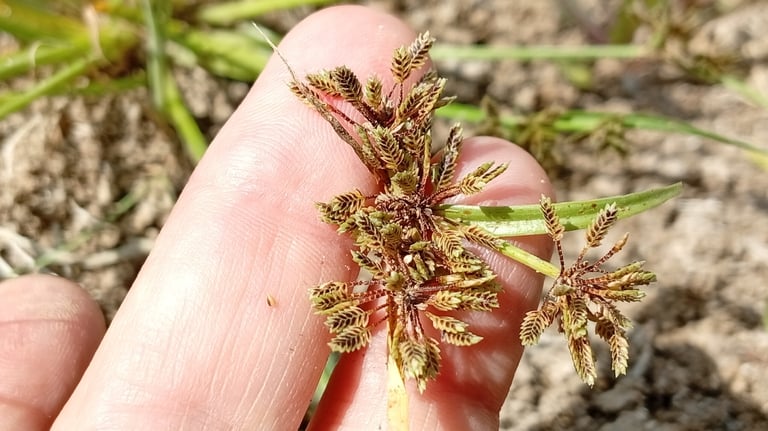
The bird's foot sedge (Carex ornithopoda) is a flowering plant in the sedge family, Cyperaceae, and it is native to most of Europe and Anatolia. Its name comes from the sedge's common name, which points to the look of its tight, foot-like clusters of spikes.
The species belongs to the genus Carex, one of the largest groups of grass-like plants. It is a native of temperate Europe and Anatolia, where it grows in the wild across a wide stretch of the continent.
Distribution and Habitat
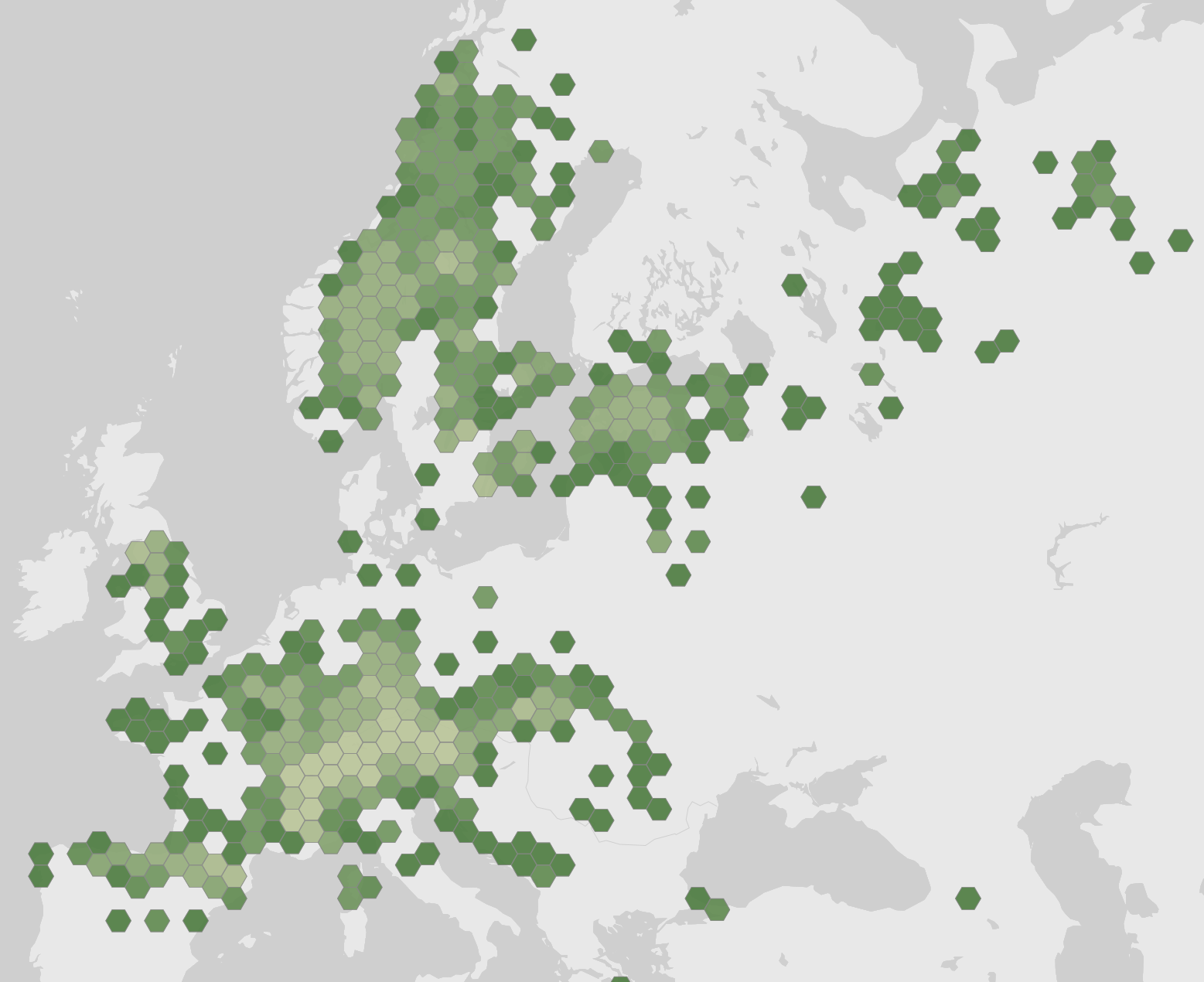
Carex ornithopoda is native to a broad belt of Europe, running from Great Britain and Scandinavia south to Italy and Spain, and east through Central and Eastern Europe to Ukraine and Türkiye. Its native range also takes in Albania, Austria, Belgium, Corsica, France, Germany, Norway, Poland, Romania and Switzerland, along with the Baltic States and several regions of European Russia.
The species grows in a temperate climate and is not known from any introduced populations. Its distribution reaches from the far north of Europe, including northern Finland and Norway, to the Balkans and Anatolia.
Observation records for the species concentrate in the warmer part of the year. They climb from spring, peak in July, and taper off through autumn, with the fewest in winter. These records show where people have seen the plant, not how many plants grow there.
Growth and Form
Carex ornithopoda is a perennial sedge that persists from year to year. It is also a rhizomatous geophyte, meaning it keeps its growing points in underground rhizomes and can rest below ground through unfavorable seasons before growing again.
Because the plant spreads and renews itself through these underground structures, a single clump can persist for several seasons in the same place.
Ecology and Relationships
Birds are the most frequent feeders on Carex ornithopoda, with songbirds of the order Passeriformes among its main partners. Waterfowl and game birds also feed on the plant, and mallards (Anas platyrhynchos) are one of the best-established partners among them.
Insects make up a large share of its partners. Grasshoppers such as Gomphocerippus rufus feed on the sedge, alongside true bugs, beetles, moths and flies.
The plant's role as food for both birds and insects links it to many other animals in the grassland and wetland edges where it grows.
Photos
Photographs from via iNaturalist, licensed under CC0 1.0., by arthur_haendler via iNaturalist, licensed under CC BY 4.0., by Ljaž via iNaturalist, licensed under CC BY 4.0., by Matteo Martini via iNaturalist, licensed under CC BY 4.0., by Antoine MARNAT via iNaturalist, licensed under CC BY 4.0., by Roger svk via iNaturalist, licensed under CC BY 4.0., by Eric Weissgerber via iNaturalist, licensed under CC BY 4.0., by FloraJenensis via iNaturalist, licensed under CC BY 4.0., by Paolo Zucca via iNaturalist, licensed under CC BY 4.0., and by Jason Grant via iNaturalist, licensed under CC BY 4.0., credited on each photo.
Ecology and classification
Classification
- Phylum
- Tracheophyta
- Class
- Liliopsida
- Order
- Poales
- Family
- Cyperaceae
- Genus
- Carex
- Species
- Carex ornithopoda
Sources
- GBIF Species names and classification
- iNaturalist Photos
- Wikidata Common names and conservation status
- Wikipedia Summary extract
- Plants of the World Online Native range, life form and climate (WCVP)
- GloBI What it eats, what eats it, parasites and pollinators
- trophiCH