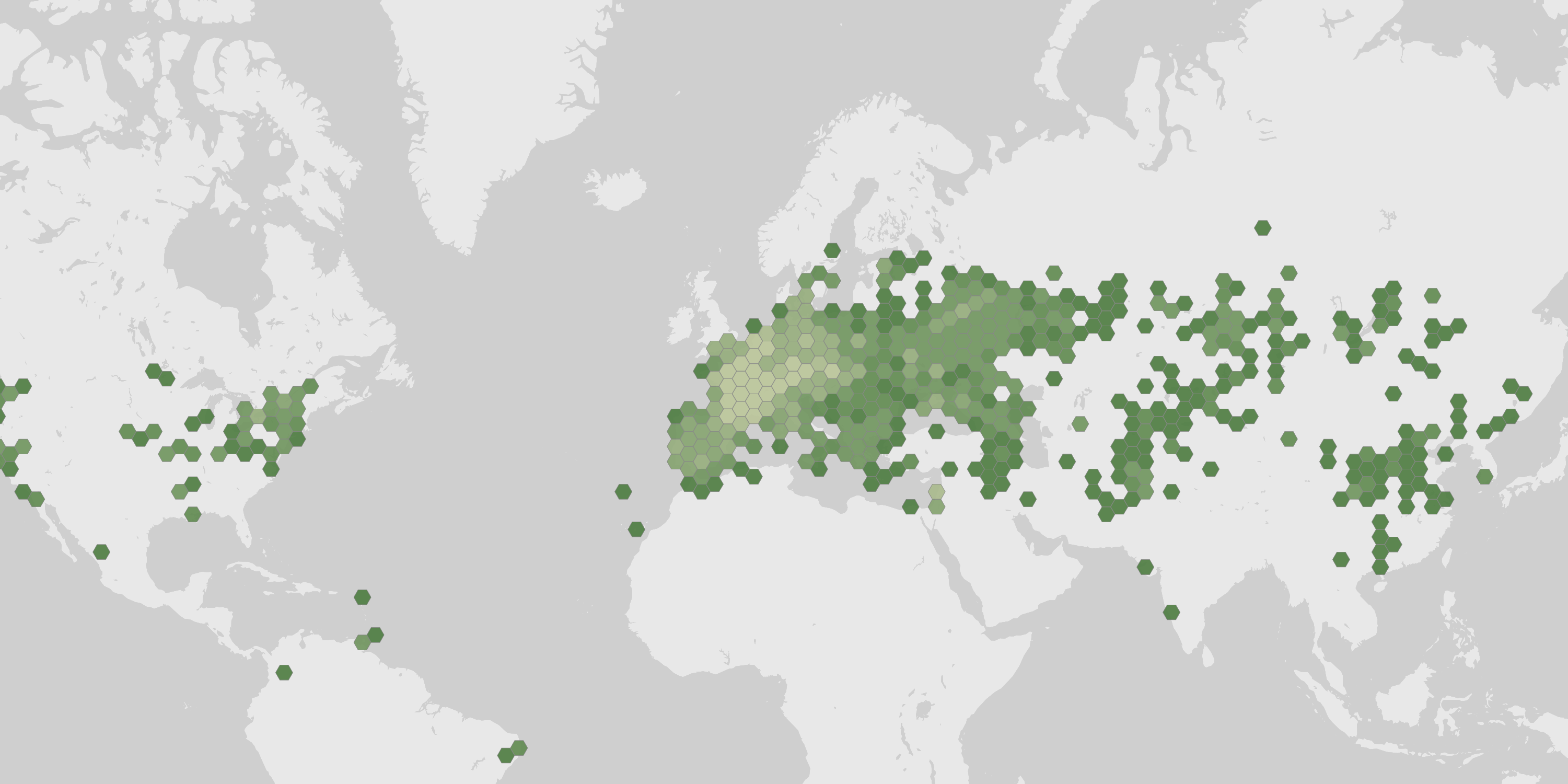
Cyperus fuscus, known as brown galingale or brown flatsedge, is a small annual sedge in the family Cyperaceae. It is native across a vast stretch of Europe, Asia, and North Africa, and has since been introduced into North America, where it now grows in scattered wetland sites.
The species carries an IUCN status of Least Concern globally, though it faces more targeted conservation attention in some regions. What makes this unassuming little plant worth a second look is its reliance on a very particular, fleeting habitat: bare, damp ground exposed only when water levels drop.
Identification and Appearance
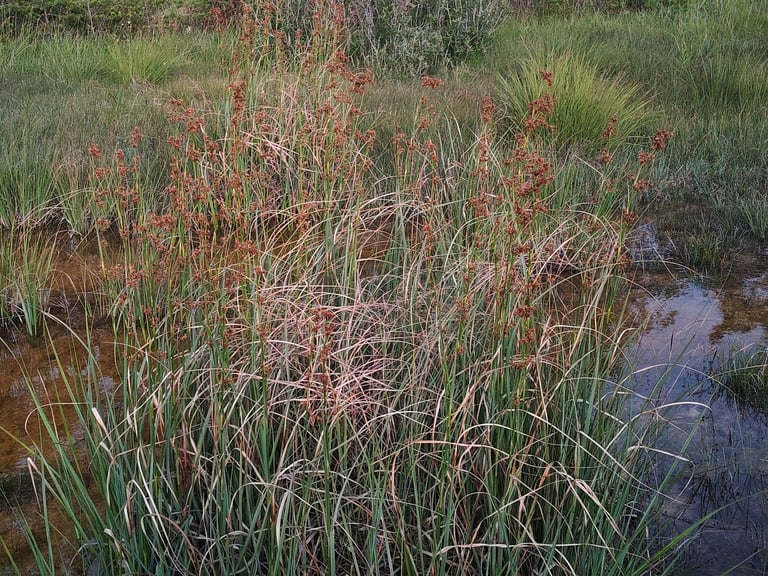
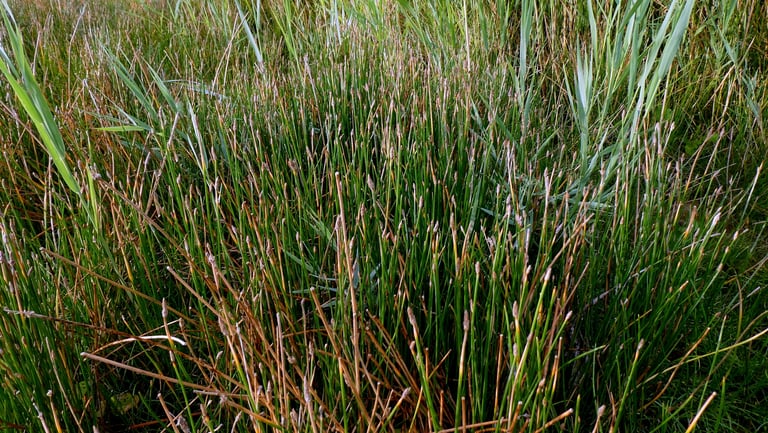
The most useful field mark is the cluster of three to 15 dark brown to deep purple spikelets that sit atop a slender, paper-thin stem. These spikelets are flat and oval to rectangular in shape, each holding around ten flowers tucked inside dark bracts.
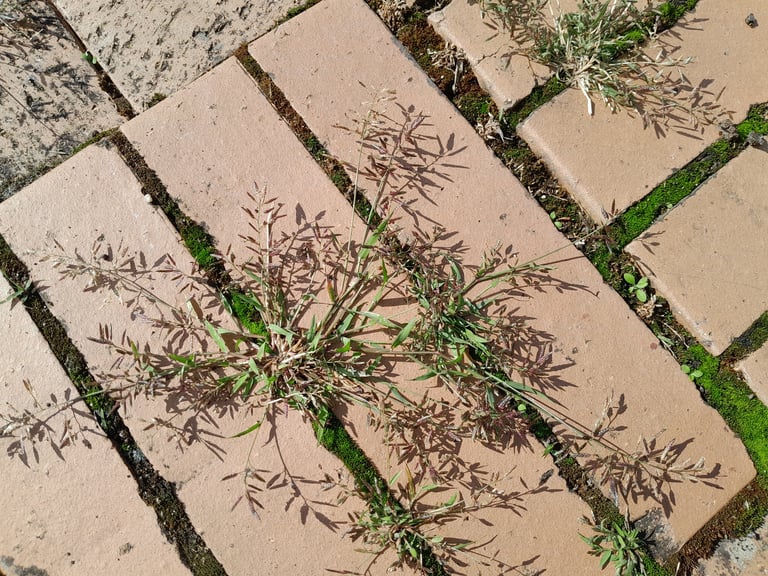
Cyperus fuscus is an annual herb reaching a maximum height of 30 centimeters. Short, flat leaves may appear at the base of the plant, though the stem itself carries most of the visual interest with its slight, almost translucent quality.
The fruit is a light brown achene only about a millimeter long, easy to overlook without close inspection. The dark coloring of the spikelets against the pale stem and leaves is the clearest way to distinguish this species in the field.
Distribution and Habitat
Cyperus fuscus has a broad native range stretching from England, Portugal, and Morocco eastward through the Mediterranean, the Caucasus, Central Asia, the Himalayas, and India to China and Thailand. It has been introduced into North America, where European botanists recorded its presence as early as 1825; it was first collected in Essex County, Massachusetts, in 1877. By 1998 it had spread to states and provinces including California, Connecticut, Maryland, Missouri, Nebraska, Nevada, New Jersey, Ontario, Pennsylvania, South Dakota, and Virginia, with later discoveries in Arkansas, Mississippi, Michigan, Minnesota, and Quebec.
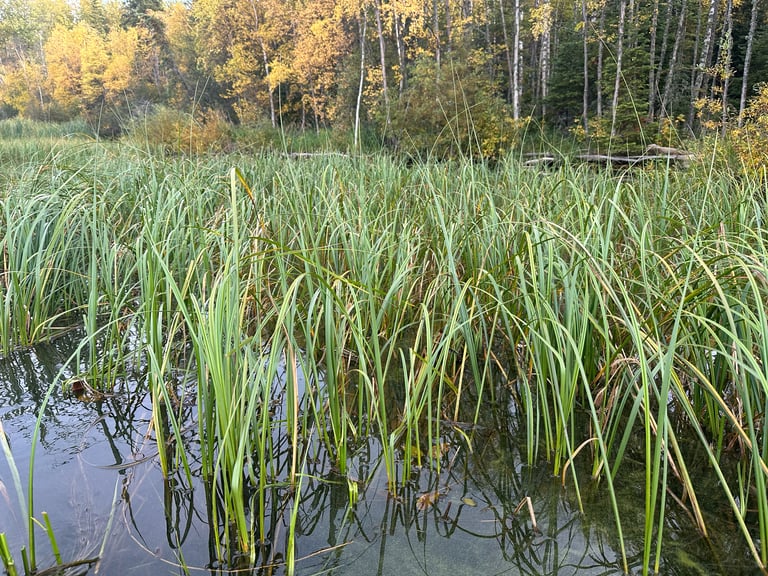
The species favors damp, disturbed soils and emergent shorelines, growing along river, stream, and canal margins, in flooded areas and moist fields, and on open, damp peat, gravel, or sand at the edges of ponds and ditches. These sites are typically exposed during summer as water levels recede, and many have a long history of livestock grazing, which helps keep the ground open and suitable for the plant. In China it also turns up in swamps, river margins, and paddy fields. Elevation ranges reported for the species span from near sea level up to about 1,700 meters in some areas, and up to 5,000-8,000 feet in others.
Growth and Form
Cyperus fuscus completes its entire life cycle within a single growing season, as an annual herb. Its stems are thin and paper-like, reaching a maximum height of around 30 centimeters, with growth tied closely to the seasonal exposure of damp ground as water levels fall.
Uses and Human Relationships
Beyond its ecological presence, Cyperus fuscus does not appear in the record for practical human use such as food, materials, or medicine. The broader genus Cyperus, however, carries cultural weight: in ancient Greek and Roman mythology, the cypress was linked to the story of Cyparissus, a boy transformed into the tree after grieving the death of his tamed stag, and the cypress became a lasting symbol of mourning, sadness, and loss, often planted in cemeteries.
Conservation and Threats
Cyperus fuscus holds a global IUCN status of Least Concern, reflecting its wide native distribution across Europe, Asia, and North Africa alongside its naturalized presence in North America. Despite this broad range, the species depends on a narrow and easily disrupted habitat: open, damp ground exposed when water levels drop in summer, often maintained by grazing livestock.
In the United Kingdom, this reliance on a specific and shrinking habitat type has drawn focused attention. The conservation charity Plantlife has named Cyperus fuscus one of 100 species designated as a priority for conservation.
Fun Facts
- The genus Cyperus holds meaning beyond botany: in Hinduism, it denotes a plant genus within the sedge family Cyperaceae.
- Cyperus fuscus was already known to European botanists in North America by 1825, decades before its first physical collection there in Massachusetts in 1877.
Photos
Photographs from via iNaturalist, licensed under CC0 1.0., credited on each photo.
Ecology and classification
Growth habit
- Graminoid
Classification
- Phylum
- Tracheophyta
- Class
- Liliopsida
- Order
- Poales
- Family
- Cyperaceae
- Genus
- Cyperus
- Species
- Cyperus fuscus
Sources
- GBIF Species names and classification
- iNaturalist Photos
- Wikidata Common names and conservation status
- Wikipedia Summary extract
- Encyclopedia of Life Habitat, diet and behavior traits
- Plants of the World Online Native range, life form and climate (WCVP)
- GloBI What it eats, what eats it, parasites and pollinators
- MammalBase